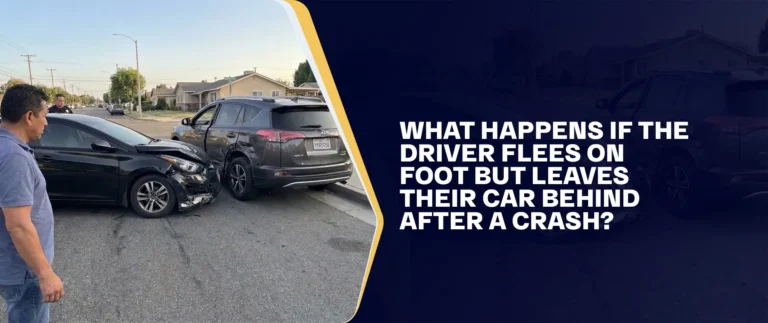
TL;DR: In California, most drivers must submit a written report to police or CHP within 24 hours if a crash causes injury or death. An SR-1 must also be filed with the DMV within 10 days if anyone is injured or killed, or if any one person’s property damage exceeds $1,000. Missing the SR-1 deadline may result in a license suspension, while hit-and-run penalties apply only if a driver fails to stop and perform the required duties at the scene.
Highlights:
- If a crash causes injury or death, call 911 and make sure a written report is submitted to the CHP or local police within 24 hours.
- File California’s Report of Traffic Accident form (SR-1) with the DMV within 10 days if anyone was injured, anyone died, or damage exceeds $1,000.
- A police report at the scene does not eliminate the separate 10-day SR-1 filing requirement with the DMV.
- Parking lot crashes follow the same reporting rules as street accidents if damage or injury thresholds are met.
- If police don’t respond, contact the appropriate police department or CHP office and ask how to submit the required written report.
- Your insurance company, agent, or attorney can file the SR-1 on your behalf, but you remain legally responsible for the deadline.
- Missing the SR-1 may lead to a license suspension. Failing to file the police report may result in an infraction and fines. If a driver leaves the scene without stopping, hit-and-run penalties may also apply.
Tip: Gather photos, witness contact information, and vehicle damage details at the scene, as these facts support your claim far better than any rushed explanation after the fact.
Table of Contents
In California, whether a crash must be reported to the police depends on whether anyone was injured or killed. If there were injuries or a death, you have 24 hours to notify the police. You also must file a written SR-1 report with the California Department of Motor Vehicles (DMV) within 10 days.
California law has two reporting rules, and each one works differently:
- The police report creates an official record of the crash, including what happened and who was involved.
- The DMV filing updates your driving record and is required by state law, regardless of who was at fault. The SR-1 deadline still applies even if an officer responds to the crash. For the separate 24-hour rule, confirm that the agency prepared the required written report.
When Are You Legally Required To Report A Crash To California Police?
Each driver generally must ensure a written report is filed with the CHP. If the crash happened within a city, the report may also be filed with the local police department. Different rules apply to certain common-carrier vehicles. For qualifying common-carrier vehicles, the owner or driver must submit the written report to CHP on or before the 10th day of the month following the crash. If someone dies and no traffic or police officer is at the scene, the driver must report the crash without delay to the nearest CHP or authorized police department.
Calling 911 is an important first step, but drivers should confirm that the responding agency has completed the required written report.
A written report from the responding agency may meet the 24-hour rule. Check with the agency to confirm the report was completed. You still need to file the separate SR-1 with the DMV.
If police do not arrive at the scene, each driver generally must contact the local police or CHP directly to file a report. California law places this duty on every driver in an accident. One driver cannot rely on another to satisfy it. Different timing rules apply to certain common-carrier vehicles.
This law covers all types of traffic crashes, including passenger cars, commercial trucks, and rideshare vehicles. Calling 911 does not by itself satisfy the 24-hour written-report requirement. If an officer responds, confirm that the agency prepared a written collision report; otherwise, submit or arrange for the required written report within 24 hours.
What Is The 10-Day DMV Reporting Rule?
Even if the police came to the scene, your job is not done. California requires drivers involved in certain crashes to file a separate form with the DMV. This is called the Report of Traffic Accident (Form SR-1), and you, your insurance agent, broker, or legal representative must file it within 10 days of the crash.
You must file the SR-1 if any of the following apply to your crash:
- Property Damage Over $1,000: Any one person’s vehicle or property was damaged by more than $1,000. Check the DMV website for the current threshold, as this amount may change.
- Any Injury: Anyone involved was hurt, including minor injuries.
- Death: Anyone died as a result of the crash.
Each of these three conditions is a separate trigger. A crash with no injuries still requires the SR-1 if damage tops $1,000. A crash with only minor neck pain still requires the SR-1 even if the vehicles barely touched. A death requires an SR-1 regardless of the amount of property damage.
The police report does not replace the SR-1. You remain responsible for making sure the DMV receives it within 10 days.
California’s SR-1 requirement can apply to crashes in parking lots and on other private property. Drivers must generally file when anyone is injured or killed or when damage to any one person’s property exceeds $1,000. An off-highway crash is not reportable when damage is limited to the driver’s or vehicle owner’s own property and no bodily injury or death occurs.
Do You Need To Report Parking Lot And Private Property Crashes?
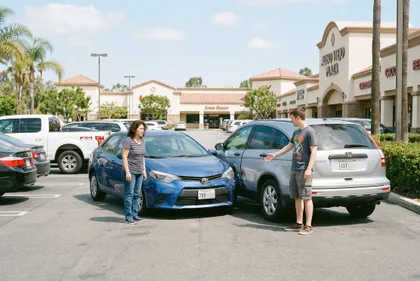
For example, two drivers may back out of parking spaces at the same time and collide. California’s SR-1 rules can apply to off-highway accidents, including certain parking lot crashes. Being in a parking lot does not exempt drivers from these rules.
If the total damage exceeds the threshold under California’s Vehicle Code, drivers must file an SR-1 form with the DMV. This may apply to incidents on private property, even when no one is injured.
Police may not always respond to a minor parking lot fender bender. Call them anyway if anyone is injured or if fault is in dispute. A police report creates an official record that may support your position when an insurance claim starts. Drivers injured in parking lot crashes may seek legal advice about their rights and insurance options. You can find more information from parking lot accident lawyers about how insurance companies handle parking lot accidents. What happens next depends on whether police respond and what they do at the scene.
How Do Police Investigate Traffic Accidents In California?
When police arrive at a crash scene, they may document what happened and create an official record. They can check where the vehicles stopped, speak with drivers and witnesses, and look for signs that may explain the crash.
Officers may review key details, including:
- Weather Conditions: Rain, fog, or glare that may have affected visibility or control.
- Traffic Signs and Signals: Whether a sign was ignored or a traffic signal failed.
- Driver Conduct: Signs of speeding, distraction, alcohol use, or drug use.
- Road and Vehicle Damage: The location and extent of damage to each vehicle.
- Physical Evidence: Skid marks, debris, road hazards, or other clues at the scene.
If an officer believes a traffic law was broken, they may issue a citation. A full collision report may also name a Primary Collision Factor (PCF) or describe what may have contributed to the crash.
However, a police report does not make a final decision about civil fault. It may include disputed statements, errors, or conclusions based on limited information. Insurers and attorneys can use it to investigate the crash, but other evidence may also be important.
Photos, videos, witness statements, medical records, vehicle data, and expert analysis may help show what happened. This evidence can also challenge the report if it incorrectly blames one of the drivers.
What Happens If You Do Not Report A Crash?
Failing to report a crash in California is a serious mistake. The law requires action within specific time windows, and missing them has real consequences. Missing reporting deadlines may affect your driving privileges and result in legal penalties, regardless of fault.
The penalties fall into two areas:
- DMV Suspension: Not filing the SR-1 form (the state’s mandatory traffic accident report) within 10 days can lead to a license suspension. This applies no matter who caused the crash.
- Criminal Charges: Failing to file the required accident report with police can result in fines and legal penalties under CVC 20008. Leaving the scene without sharing your contact details or helping the injured can lead to felony hit-and-run charges, jail time, and heavy fines.
Reporting on time protects your driving privileges and creates a record of the crash. Prompt medical evaluation separately documents your symptoms, diagnosis, and treatment.
What To Do When Police Cannot Prepare A Report Or Determine Fault
When police do not arrive or cannot determine what happened, preserve evidence that may help establish fault. Police reports can help, but officers do not make binding decisions about civil fault. Insurers review available evidence, while courts consider evidence that meets applicable legal rules. Gaps in your record can weaken your ability to seek compensation.
- Take wide shots of the full crash scene, including all vehicles, their positions on the road, and any nearby traffic signs.
- Get close shots of each vehicle, showing every dent, scrape, and point of impact.
- Photograph any skid marks, debris, or road hazards that show how the crash happened.
- Ask any nearby witnesses for their names and phone numbers before they leave.
If the police did not document the crash, talking to a personal injury lawyer may help. This is especially true if you were hurt, the fault is unclear, evidence is missing, or an insurer disputes your claim.
Examples Of Our Case Results
Every case is different, and past results do not guarantee a similar outcome. The following cases reflect our experience representing people injured in serious traffic accidents:
- Motorcycle Accident – $1,000,000 Recovery: The police report initially listed our client as the at-fault party in a motorcycle-versus-truck collision. After a detailed investigation, we gathered evidence showing that the truck driver was responsible for the crash. We ultimately recovered the available policy limits for our client.
- Auto Accident – $3,000,000 Recovery: The police report blamed our client for running a stop sign. Black box data showed the other driver was speeding, and crash analysis proved that speed caused the collision. Our attorneys recovered the full policy limits for the victim and their family.
- Motorcycle Accident – $5,000,000 Recovery: The police report blamed our severely injured client, who was accused of speeding and riding under the influence. Despite Proposition 213 limits, Benny and his team proved that the truck driver made an unsafe turn that caused the crash.
Disclaimer: These past results do not guarantee your case will have the same outcome. Case outcomes depend on factors such as injury severity, medical expenses, and lost income.
Frequently Asked Questions About Reporting A Traffic Crash In California
These FAQs explain what to do when police do not respond, injuries appear later, or a report is filed after the deadline.
Should I Call The Police For A Minor Fender Bender?
California’s 24-hour written report rule generally does not apply when a crash causes only property damage. Even so, calling the police is still a smart move. Keep in mind that if damage tops $1,000, you must still file an SR-1 with the DMV within 10 days. An official report can help support your case if the other driver later makes false claims about what happened.
What If I Hit A Parked Car Or Unattended Property?
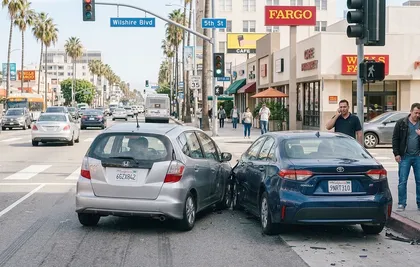
Try to locate the owner. If you cannot find them, leave a visible note containing the driver’s and vehicle owner’s names and addresses and the circumstances of the crash. Then notify the city police, or CHP if the crash occurred in an unincorporated area, without unnecessary delay. This duty applies even when no one is injured.
What If The Police Do Not Respond To The Scene?
Drivers may file a counter report at a local police station or California Highway Patrol (CHP) office. If the crash caused injury, death, or more than $1,000 in property damage, you may also need to submit the SR-1 (California’s traffic accident report form) to the DMV within 10 days.
Can I File A Police Report Days After An Accident In California?
You may still be able to submit a late report, counter report, or supplemental statement, but agency procedures vary. Filing late does not erase the missed 24-hour deadline, so contact the appropriate police department or CHP office promptly.
Does An Accident Go On My Record If No Police Report Is Filed?
Yes. The DMV may keep a record of the accident after receiving an SR-1, even if no police report was filed. Filing the form does not determine fault or automatically add a negligent operator point.
What If I Discover Injuries Days After The Crash?
If injuries appear later, seek medical care promptly and contact the responding agency. Ask whether it will accept a supplemental statement or update the report to document the newly reported injury.
Can My Insurance Company File The DMV Report For Me?
Yes, your insurance agent or an attorney can file the SR-1 on your behalf, but you are still legally responsible for making sure it reaches the DMV within the 10-day deadline.
Hurt In A Traffic Crash? We’re Here To Help
Our team at Arash Law is ready to step in from the moment you call. We can take on the legal burden so you can focus on your recovery.
If we represent you, we handle the paperwork from day one, including follow-ups with law enforcement and filing the required SR-1 accident report with the DMV. That means you can focus on healing instead of chasing down forms and deadlines.
You may be wondering, “Do personal injury lawyers only charge attorney’s fees if they win?” Our firm, also known as AK Law, handles every personal injury case on a contingency fee basis. Call (888) 488-1391 for a free consultation.