TL;DR: The driver in the back is usually presumed at fault for a rear-end crash because the law requires maintaining a safe following distance. However, the front driver may share responsibility if they brake suddenly, reverse, or have faulty brake lights. Fault ultimately depends on proof and comparative-negligence rules.
Highlights:
- Move to a safe spot, hazards on, and prevent a secondary crash.
- Call 911 and request an officer report if anyone may be injured.
- Photograph vehicle positions, damage, signals, weather, and skid marks.
- Get driver details, witness contacts, and any nearby camera locations.
- Save dashcam footage and note brake-light issues or sudden reversals.
- Get a medical evaluation and keep all bills and treatment records.
- Track deadlines – 2 years to sue, 6 months for government claims.
Tip: Write down what you remember immediately, stick to facts, and avoid guessing with insurers.
Table of Contents
Most of the time, the driver of the vehicle at the back is at fault in rear-end collisions. However, that isn’t always the case. California law recognizes exceptions, such as when the driver of the vehicle in front plays a role in causing the crash. A third party or an equipment manufacturer may also share responsibility.
These parties can be held liable depending on the circumstances:
- The rear car driver
- The front car driver
- A third-party vehicle
- A manufacturer or mechanic
Understanding fault is critical because it determines who is liable for property damage, medical treatment, and lost wages. It is essential to know how California defines liability in rear-end accidents, the evidence investigators review, and the steps to take after an injury.
Who Usually Gets The Blame In California Rear-End Crashes?
In most rear-end crashes, the trailing driver is presumed at fault because they are expected to keep enough distance to stop safely. This rule comes from California Vehicle Code § 21703, which requires drivers to follow at a “reasonable and prudent” distance.
That presumption, however, doesn’t amount to automatic guilt. The front driver may share or even bear most of the blame if they slam on the brakes for no reason, have broken brake lights, reverse into another vehicle, or merge too closely.
Rear-end collisions are among the most common types of traffic accidents in California. They often happen at stoplights, in parking lots, or on crowded freeways.
In multi-car chain reactions, however, fault is harder to determine. Under California’s pure comparative negligence system, each driver’s share of fault reduces the compensation they can collect. Investigators, police officers, and insurers analyze photographs, video footage, and witness accounts to decide who is legally responsible.
Placing the findings in context with the evidence helps clarify the situation, so let’s examine what the law states.
What Does California Law Say About Rear-End Collisions?
California’s Vehicle Code makes it clear: every driver must keep a safe distance from the vehicle ahead. If a collision occurs because someone follows too closely, the rear driver is presumed to be negligent. This is a rebuttable presumption, meaning it can be challenged if evidence shows that the lead driver’s actions contributed to the crash.
The state’s comparative negligence rule allows both drivers to share fault. For instance, if you were 30% responsible, your compensation would be reduced by that percentage.
These laws reflect the state’s effort to address a problem that’s far from rare. According to the National Highway Traffic Safety Administration (NHTSA), rear-end crashes accounted for 29% of all traffic accidents in 2021. Learn more about the percentage of car crashes that are rear-end accidents.
The National Transportation Safety Board (NTSB) further reports that nearly half of all two-vehicle collisions in the United States involve rear-end impacts.
These numbers demonstrate the prevalence and preventability of these crashes, underscoring the importance of understanding their causes and legal implications.
Common Reasons Rear Drivers Are Found At Fault
Rear drivers are usually in the best position to prevent a rear-end crash because they control the distance and speed between their vehicle and the one ahead. When they fail to do so, several common behaviors or conditions often play a role:
- Distracted Driving — A driver who texts, eats, or adjusts the radio can lose focus for even a few seconds, leading to a sudden impact.
- Tailgating — Following another car too closely leaves little to no time to react if traffic slows or stops suddenly.
- Speeding — Driving too fast reduces stopping distance and increases the severity of crashes. According to Caltrans, about 34% of serious or fatal crashes in California involve unsafe speed.
- Poor Weather — Rain, fog, and slick roads reduce visibility and traction, making it harder to stop safely.
- Mechanical Issues — Faulty brakes, worn tires, or broken lights can prevent a driver from stopping in time or signaling properly.
Large vehicles like big-rig trucks are often rear-ended for similar reasons. Their slower acceleration and longer stopping distances can surprise nearby drivers, especially in dense highway traffic or steep grades where speed varies suddenly.
Even a brief lapse in attention or judgment can trigger a chain reaction on California’s crowded highways, like the I-5 or I-405, where traffic conditions can change in an instant.
When The Front Driver May Be At Fault For A Rear-End Accident
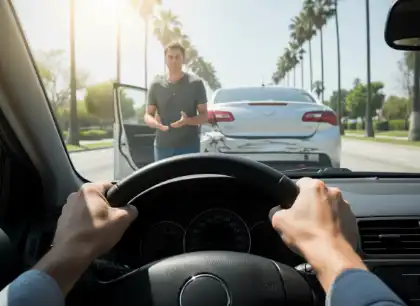
Although rear drivers are usually presumed responsible, there are situations where the front driver may cause or contribute to a rear-end collision. Examples include:
- Brake-Checking — This happens when a driver intentionally slams on their brakes to startle or provoke the vehicle behind them, which can easily lead to a crash.
- Broken Brake Lights — If a driver’s brake lights are not working, the vehicle behind has no clear warning that the car in front is slowing or stopping.
- Reversing Into Traffic — A driver who suddenly reverses at a light, intersection, or parking space without checking their surroundings can collide with the car behind them.
- Unsafe Lane Changes — When a driver cuts in front of another car on the I-10 or US-101 and slows down too abruptly, they create a dangerous situation that can lead to a rear-end collision.
- Unnecessary Stops — Stopping in an active traffic lane to pick up passengers, check directions, or make a turn without warning increases the risk of a collision.
- Driving With Known Hazards — Continuing to drive a vehicle with faulty lights, worn tires, or other mechanical issues without activating hazard signals can lead to an avoidable rear-end collision.
In each of these situations, the front driver may share or carry full responsibility for the collision. Recognizing these exceptions helps ensure that fault is determined fairly based on the facts.
Who Is At Fault In Multi-Car Rear-End Collisions?
Rear-end pileups, also called chain-reaction crashes, often happen in congested traffic, on foggy mornings, or during sudden slowdowns on freeways like the I-5 or I-405. Determining fault in these situations is rarely simple, as multiple drivers may share responsibility. Each collision must be examined closely to understand how the chain reaction started and unfolded.
- First Driver — The first driver who causes the initial impact often carries most of the responsibility. For example, if this driver was speeding, distracted, or failed to notice stopped traffic ahead, they may be liable for triggering every subsequent collision.
- Middle Drivers — Drivers caught between vehicles may share little or no fault if they were struck from behind and pushed into another car. However, if they were also following too closely or distracted, investigators may assign them a smaller portion of blame.
- Final Driver — The driver at the back of the chain may be held partially at fault if they were tailgating, speeding, or unable to stop in time to avoid joining the pileup. They can also be fully responsible if their impact caused the entire series of crashes.
Investigators review skid marks, damage patterns, dashcam videos, and police reports to determine the sequence of events. In many cases, expert reconstruction helps show whether each driver had a fair opportunity to stop or whether another driver’s sudden maneuver made the collision unavoidable.
Because California follows a pure comparative negligence system, each driver’s percentage of fault directly affects how much compensation they can recover. Anyone involved in a multi-car accident should document the scene carefully by taking photos, noting traffic conditions, and gathering witness statements.
Once investigators establish how the collisions occurred, they turn to California’s Vehicle Code to interpret what those facts mean and decide liability.
Key California Vehicle Codes That Affect Fault
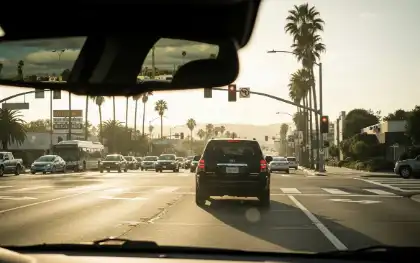
California’s traffic laws outline how drivers must act to prevent collisions. The following codes often determine who is liable:
- § 21703 — Following Too Closely
This section requires drivers to maintain a safe and reasonable distance behind the vehicle ahead. If a driver follows too closely and causes a collision, they are presumed negligent.
- § 22109 — Sudden Stops Without Signaling
This law prohibits drivers from stopping or slowing down suddenly without first giving an appropriate signal. Failing to signal can make a driver responsible for a resulting rear-end crash.
- § 22350 — The Basic Speed Law
Drivers must operate their vehicles at a safe speed, taking into account weather, visibility, traffic, and roadway conditions. Exceeding the safe speed, even if it is under the posted speed limit, can still be considered a violation.
- § 22100.5 — U-Turns at Intersections
This section limits where and how drivers can make U-turns at intersections. Making an unsafe or illegal U-turn that disrupts the flow of traffic can lead to liability if it contributes to a rear-end accident.
- § 21750(a) — Passing on the Left
When overtaking another vehicle, the driver must pass safely and without interfering with the vehicle being passed. Unsafe passing maneuvers can result in rear-end or sideswipe collisions.
- § 22400 — Impeding Traffic Flow
This law prohibits driving so slowly that it blocks or delays the normal flow of traffic, unless it is necessary for safety or required by law. Unnecessarily slowing down in an active lane can increase the risk of being rear-ended.
Violating any of these traffic laws can significantly contribute to establishing negligence in the event of a crash. When fault is disputed, car accident lawyers can use these code sections to demonstrate how one or more drivers failed to follow California’s safety rules.
What To Do After A Rear-End Collision In California
Rear-end accidents can leave anyone feeling unsettled and unsure of what to do next. While every situation is different, the following general recommendations may help you stay safe and organized after an accident:
- Move to Safety if Possible — When it is safe to do so, consider moving your vehicle to the side of the road or another protected area. Turning on hazard lights can help alert other drivers and reduce the chance of a secondary collision.
- Check for Injuries — If you or anyone else may be hurt, it is generally best to contact emergency responders. Even seemingly minor pain or dizziness could benefit from a professional medical evaluation.
- Contact Law Enforcement — A police officer can prepare an official report that records the time, location, and parties involved. Having this report may be helpful later for insurance or documentation purposes.
- Exchange Information — Drivers typically share names, driver’s license numbers, license plate numbers, and insurance details. Gathering this information calmly and accurately can prevent confusion later.
- Document the Scene — Taking photos or short videos of vehicle damage, nearby traffic signals, and weather conditions may help you keep an accurate record of what happened. These details can be useful when you file an insurance claim.
- Consider a Medical Evaluation — Even if you feel fine, it’s a good idea to consult a healthcare professional, such as a doctor or chiropractor, to check for potential hidden injuries, including soft-tissue strains or whiplash.
- Notify Your Insurance Company — Most insurance policies require timely notice of an accident. Providing factual details without speculation or recorded statements can help maintain a clear and consistent process.
- Consult a Lawyer If You Have Questions — If you are uncertain about your rights or the next steps, you may be looking for free accident lawyer advice. A lawyer can explain options for protecting your interests under California law.
Taking these steps can help you protect your safety, organize important details, and stay prepared for the next stages of recovery and the insurance review process. Remaining calm and collecting accurate information often makes the process easier to manage in the days that follow.
Common Injuries Sustained In A Rear-End Accident
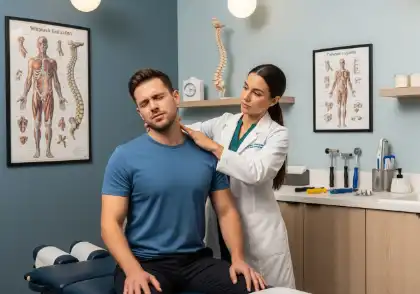
Rear-end crashes can cause many types of injuries, from mild soreness to lasting pain. Some appear right away, while others develop over time. Common examples include:
- Whiplash and Neck Strain — The sudden movement of the head and neck can stretch soft tissues, leading to pain, stiffness, or headaches.
- Back and Spinal Injuries — The force of impact can cause herniated discs or lower back pain that limits movement.
- Head Injuries — Even at low speeds, a bump against the headrest or steering wheel can cause a concussion.
- Shoulder or Arm Pain — The seat belt and body tension during impact can strain muscles and joints.
Some people consult medical professionals, including chiropractors, to manage pain, improve mobility, or track the progress of their injuries. Because some symptoms may take time to appear, consulting a healthcare provider soon after the crash can help identify and properly record any injuries.
Understanding the nature and extent of these injuries is also crucial when determining the types of damages that may be recoverable after a rear-end accident.
Recoverable Damages After A Rear-End Crash
The effects of a rear-end collision can be both physical and financial. When another driver’s negligence causes the crash, the injured person may be able to pursue compensation for certain losses. These damages generally fall into two main categories: economic (financial losses) and non-economic (personal or emotional losses).
Below are some of the most common types of recoverable damages in a California rear-end accident case:
| Type of Damage | Description |
| Medical Expenses | Covers hospital visits, follow-up care, rehabilitation, medication, and other necessary treatment such as physical therapy or chiropractic care. Keeping detailed records of medical costs helps establish a connection between the injury and the crash. |
| Lost Income | Applies when injuries prevent you from working temporarily or long-term. Compensation may include missed paychecks and, in some cases, reduced future earning capacity. |
| Property Damage | Includes the cost of repairing or replacing your vehicle and any damaged personal belongings. The value is based on repair estimates or the car’s fair market value before the accident. |
| Pain and Suffering | Accounts for physical pain, emotional distress, anxiety, and reduced quality of life after the accident. These non-economic damages acknowledge the impact of an injury on daily life. |
| Punitive Damages | It may be considered in rare cases involving reckless or intentional conduct, such as extreme speeding or road rage. These damages are intended to discourage similar behavior in the future. |
Each case is unique, and the type or amount of recoverable damages depends on the evidence, insurance coverage, and degree of fault. While results vary, understanding these categories can help injured individuals prepare for discussions with their accident lawyer and make informed choices about recovery and the claims process.
How A Personal Injury Lawyer Can Help
Rear-end accidents may seem simple at first, but determining fault and handling the claims process can be more complicated than it appears. Evidence must be collected, deadlines must be met, and insurance companies often dispute details. The following are general ways a personal injury lawyer may assist after a collision:
- Review Evidence and Documentation — A lawyer can examine police reports, medical records, and photographs from the crash scene. Reviewing this information helps identify which laws or traffic violations may apply to your case.
- Gather Additional Proof — Attorneys often contact witnesses, obtain dashcam or surveillance footage, and request vehicle inspection reports. These materials can help clarify how the collision happened and which party may be responsible.
- Consult Experts When Needed — In complex cases, a lawyer may work with accident reconstruction specialists or medical professionals who can explain the cause and impact of your injuries in clear terms.
- Communicate with Insurance Companies — Insurance adjusters may minimize or dispute claims. Having a lawyer manage these communications helps ensure that your statements and documents are accurate, complete, and legally sound.
- Organize and File Legal Paperwork — A lawyer can help prepare and submit necessary forms within the required time limits. California law sets specific time limits for filing a personal injury claim, which is generally two years from the date of the crash, or six months if a government vehicle was involved.
- Coordinate Ongoing Care — Attorneys may connect clients with medical or chiropractic providers who can document injuries and track progress, which can be helpful during the claims process.
- Provide Legal Guidance — A lawyer can explain how California’s comparative negligence rules work and what options you may have to recover compensation, depending on your circumstances.
Most attorneys, including AK Law Firm, handle personal injury cases on a contingency-fee basis. This means you do not pay upfront legal fees, and the lawyer receives payment only if compensation is recovered. The agreement clearly outlines all terms and any case costs you may be responsible for before representation begins.
Seeking legal support is not required, but it may help you better understand your rights, protect your interests, and avoid common mistakes when dealing with insurers or court procedures.
Frequently Asked Questions
Recovering from a rear-end collision often raises numerous questions about insurance, liability, and next steps. Below are answers to some of the most common concerns people have after this type of collision in California. These responses are intended for general informational purposes and can help you understand what to expect as you navigate the claims process.
Who Is Usually At Fault In A Rear-End Collision In California?
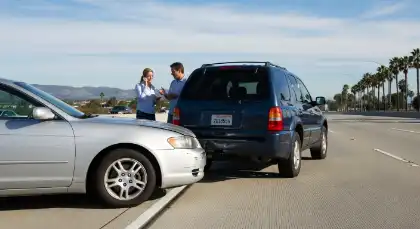
In most cases, the driver of the rear vehicle is presumed at fault for following too closely or failing to stop in time. However, this presumption can change if the front driver stopped suddenly, had broken brake lights, or reversed unexpectedly. Determining fault depends on the specific circumstances, the evidence available, and how investigators interpret California traffic laws.
Can I File A Claim If The Damage Is Minor?
Yes. Even a low-speed rear-end crash can cause injuries like whiplash or back strain that are not immediately noticeable. It may be worth filing a claim or speaking with a lawyer to ensure that delayed or hidden injuries are properly documented and addressed through the insurance process.
Does My Insurance Coverage Affect What I Can Recover?
Yes. The type and amount of insurance coverage you have can directly affect how much compensation you may be able to recover after a rear-end accident. In California, various kinds of coverage may apply depending on the situation:
| Type of Coverage | How It Affects Recovery |
| Liability Coverage | Pays for injuries or property damage you cause to others. If you are found at fault, your liability policy covers the other driver’s losses up to your policy limits. |
| Uninsured Motorist (UM) Coverage | Applies when the at-fault driver has no insurance. It helps cover your medical expenses, lost wages, and non-economic damages such as pain and suffering, up to your UM limits. |
| Underinsured Motorist (UIM) Coverage | Provides additional protection when the at-fault driver’s insurance limits are too low to cover your full losses. Your own policy may pay the difference within your UIM limits. |
| Medical Payments (MedPay) | An optional add-on that covers medical costs for you and your passengers, regardless of fault. It can help cover the costs of emergency care, tests, rehabilitation, or chiropractic treatment. |
| Collision Coverage | Pays for repairs or replacement of your vehicle after an accident, even if you were partially at fault or the other driver’s insurer delays payment. |
| Comprehensive Coverage | Covers vehicle damage caused by non-collision events, such as theft, vandalism, or falling objects. While not directly tied to a crash, it can be applied in related situations. |
Your overall recovery may depend on how these coverages interact and the limits of each policy. Reviewing your policy documents and discussing them with your insurer or an injury attorney can help clarify which benefits and coverages apply to your situation. Read about the answers to the question “Does getting rear-ended affect my insurance?” for insights on how collisions may affect your rates.
What If The Other Driver Fled The Scene?
If a driver leaves the scene without stopping, your uninsured motorist coverage may help cover your losses. It can also be helpful to check for surveillance cameras or witnesses who saw the vehicle or its license plate. Reporting the incident promptly to law enforcement and your insurer helps preserve evidence for your claim, which is crucial for its successful resolution.
How Long Do I Have To File A Claim?
In California, most personal injury claims must be filed within two years from the date of the accident. This is known as the statute of limitations, which sets the legal timeframe for filing a lawsuit in civil court. Missing this deadline can limit your ability to pursue compensation.
There are a few important exceptions and variations to this rule:
- Claims Against Government Entities — If the crash involved a city, county, or state vehicle, you must first file an administrative claim within six months of the accident. If the agency denies the claim, you generally have another six months from the denial date to file a lawsuit.
- Claims Involving Minors — When the injured person is under 18, the two-year period typically does not begin until their 18th birthday, giving them until age 20 to file a claim.
- Delayed Discovery of Injury — In some cases, the two-year limit starts when the injured person discovers, or reasonably should have discovered, that they were harmed due to another party’s negligence. This can apply to injuries that develop gradually or are not immediately apparent.
- Wrongful Death Claims — If a rear-end collision leads to a fatality, the deceased person’s heirs usually have two years from the date of death, not the accident, to bring a wrongful death claim.
Because these rules can vary based on the details of each case, it is important to confirm how filing deadlines apply to your specific situation. A traffic accident lawyer can help review these timelines and ensure that all claims are filed correctly and in a timely manner.
Should I See A Chiropractor After A Rear-End Collision?
Many people experience stiffness or pain in the neck and back after a rear-end collision. Some choose to see a chiropractor as part of their treatment to help with alignment, reduce discomfort, or improve range of motion. The choice depends on your individual condition and should be made with the guidance of a qualified healthcare provider.
Talk To Our California Rear-End Accident Lawyers
If a rear-end crash has left you with medical bills, car repairs, or time away from work, it is normal to think, “I need a personal injury lawyer.” If your collision happened in L.A., consider consulting a qualified Los Angeles rear-end collision lawyer to protect your rights.
Consulting with a lawyer can help you understand your options under California law and identify the evidence that may support your claim.
Arash Law offers complimentary initial consultations, during which we can discuss your case and provide guidance on your next steps. We can review the photos, the police report, and any existing medical or chiropractic records, and then explain the next steps you may consider.
Many people ask, “Do lawyers only get paid if they win?” At our firm, most personal injury cases are handled on a contingency-fee basis. Attorney fees are collected from a settlement or verdict. You do not pay upfront legal fees. We will discuss the fee percentage and any case costs in writing before representation begins, so you know what to expect. Results are not guaranteed.
If you would like to discuss your situation, please call (888) 488-1391 or complete our “Do I Have A Case?” form. A brief conversation can help you decide your next step with confidence.