TL;DR: In a U-turn accident in California, the U-turning driver is usually at fault for failing to yield to oncoming traffic. Drivers, passengers, pedestrians, and cyclists can suffer serious injuries in U-turn crashes. Shared fault can reduce your compensation, and most California personal injury lawsuits must be filed within two years.
Highlights:
- Call police, get a report number, and note any citations issued.
- Photograph vehicle positions, damage, skid marks, signs, and signal lights.
- Identify witnesses and collect names, numbers, and brief on-scene observations.
- Ask nearby businesses or homes to save surveillance or doorbell video immediately.
- Preserve dashcam and EDR data before repairs, towing, or vehicle servicing.
- File DMV Form SR-1 within 10 days if anyone is injured, killed, or if property damage is over $1,000.
- Calendar deadlines – 2 years to sue, 6 months for government claims.
Tip: If an insurer requests a recorded statement, stick to facts, avoid guessing, and consider getting legal guidance first.
Table of Contents
In most California U-turn accidents, the driver making the U-turn is at fault for failing to yield to oncoming traffic. This duty applies even when the turn is legally permitted. However, fault is not automatic in every case.
The other driver can share responsibility if they were speeding, distracted, or violated a traffic signal. California law assigns fault based on each driver’s contribution to the crash, including right-of-way rules, road conditions, and driver behavior.
Who Is Typically Liable For A California U-Turn Accident?
The driver making a U-turn in California is usually responsible because they must yield to oncoming vehicles that are close enough to be a hazard, as well as to pedestrians or traffic lawfully in the intersection. When a crash occurs during a U-turn, this duty often places primary liability on the driver making the U-turn.
Under California negligence law, a driver may be found liable if they fail to exercise reasonable care. This includes misjudging traffic speed, turning without sufficient space, or entering an intersection unsafely. Even when the U-turn is legal, the driver must complete it safely.
U-turn crashes can also involve pedestrians, cyclists, or trucks, making it more difficult to determine who is to blame. Factors like rain, fog, or poor lighting can also affect who is considered at fault.
California U-Turn Laws: Where Are They Legal And Illegal?
Under California law, the legality of a U-turn depends on where it is made. What is allowed in a neighborhood may be illegal on a highway or in a business district. These location rules are where any fault review begins after a crash.
The California Vehicle Code (CVC) sets different U-turn rules for different road types. According to the California Driver’s Handbook, these rules include the following:
- Business Districts: Mid-block U-turns are not allowed. You may only turn at an intersection or at a designated opening in a divided highway median.
- Residential Districts: A U-turn is illegal if another vehicle is coming from either direction within 200 feet. This limit does not apply at an intersection where the oncoming vehicle is controlled by a traffic light or stop sign.
- Highways: California law allows a U-turn only if you have a clear, unobstructed view for at least 200 feet in both directions. Curves, hills, or other obstacles may block your view, making the U-turn illegal.
- Intersections: A U-turn is legal on a green light or green arrow unless a sign says otherwise. The turn must start from the far-left lane. A posted “No U-Turn” sign overrides the signal.
An illegal U-turn can serve as strong evidence of fault, but it does not mean the U-turning driver bears all the blame.
Where the turn happens also shapes legal responsibility. In California, U-turn drivers must follow specific U-turn laws and yield when required. The driver must also make the turn safely, even when the U-turn is legal. Because of this, California law restricts U-turns at certain locations, and those rules affect who is at fault.
When Can The Other Driver Share The Blame?
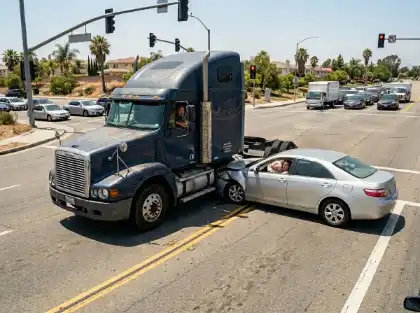 Two drivers can both contribute to a crash. The oncoming driver may share fault if their conduct helped cause it. Speeding can reduce reaction time and prevent avoidance. Texting can cause a driver to miss the turning vehicle. Running a red light removes any lawful right to enter the intersection. A right-on-red driver may also share fault if that driver fails to yield to a lawful U-turn or other traffic that has the right of way.
You need concrete evidence to prove the other driver was speeding, distracted, or ran a red light. Without it, a case can turn into a dispute over whose account is true.
California uses a rule called pure comparative negligence, which means fault is divided between drivers based on percentage. Your share of fault reduces your compensation, but it does not eliminate it. Even if you bear some responsibility for the U-turn, you can still recover for the portion that belongs to the other driver.
If your damages total $50,000 and you are found 30% at fault, you recover $35,000. The other driver’s negligence does not disappear just because yours also contributed.
What Evidence Is Used To Prove Fault In A U-Turn Crash?
Physical evidence is generally more reliable than either driver’s account of a U-turn crash. Data and footage carry no bias toward either side. When both drivers tell different stories, objective evidence often helps in determining fault.
Several types of evidence carry real weight in a U-turn fault dispute:
- Police Report: Officers record the scene and may issue a citation. A ticket for an illegal U-turn or failure to yield is not a final court judgment on who pays damages in a civil lawsuit, but it is strong evidence that the cited driver broke a traffic law.
- Event Data Recorder (EDR) Data: Most modern vehicles have an EDR, also called a black box. It records speed, braking, and other crash-related data depending on the vehicle system. That data can help address disputes about a driver’s actions leading up to the collision.
- Dashcam & Surveillance Footage: A dashcam can show lane position, signal use, and the point of impact. Nearby business cameras may also have caught the crash on video.
- Skid Marks & Vehicle Damage: Skid marks can help experts evaluate braking and vehicle movement. The spots where each vehicle was hit can prove or disprove what the driver says happened.
Preserving evidence requires action after the crash. EDR data can be lost during certain repairs, depending on the vehicle and the type of service. Surveillance footage may only be kept for a short time before it is overwritten. Knowing what evidence exists matters only if you act to preserve it.
What To Do After A U-Turn Collision To Protect Your Rights
If you’re in a U-turn crash, acting fast is important for your health and legal rights. Following the right steps, reporting the accident, and keeping evidence can greatly affect your claim:
- Seek Medical Attention: See a doctor as soon as possible, even if you feel fine. Adrenaline can mask injuries for hours or days after a crash. A medical record created close to the date of the crash is one of the strongest tools your claim has.
- File an SR-1 Report: In certain situations, California law requires you to file an SR-1 report with the state’s Department of Motor Vehicles (DMV) within 10 days of the crash. This rule applies if injuries occurred or if property damage exceeds $1,000. This requirement is separate from any police report. File it directly with the DMV or through your insurance agent.
- Think Carefully Before Speaking to the Other Driver’s Insurer: An adjuster from the other driver’s insurer may call to request a recorded statement. In most situations, California law does not require you to give one before talking to an attorney. Insurance adjusters may use your statements when they evaluate fault, damages, or coverage.
- Contact an Attorney to Preserve Evidence: If you are wondering, “I need a personal injury lawyer”, this is the right time to find out. An attorney can send preservation letters to relevant parties. These are formal notices requesting that those parties retain evidence. A lawyer can also secure witness statements and protect key proof before it disappears.
Every U-turn crash is different, and many factors influence who is at fault. Road conditions, traffic signals, and driver actions all matter. A U-turn accident lawyer can spot liability details and filing deadlines that are easy to miss, which may affect how your claim moves forward.
Because most U-turn crashes involve right-of-way violations, speaking with experienced failure-to-yield accident attorneys can help clarify liability and protect your right to compensation.
Frequently Asked Questions About U-Turn Accident Claims
U-turn collisions raise questions that go beyond basic fault. The answers below cover specific scenarios in these claims, including fault scenarios, timelines, commercial vehicles, and shared-fault situations.
Does A Driver Turning Right On Red Have To Yield To A U-Turn?
Yes. A right-on-red driver must first stop and then yield to pedestrians and to any vehicle, including a lawful U-turning vehicle, that is close enough to create an immediate hazard. If that driver fails to yield and a crash results, they typically bear the greater share of fault.
How Do Insurers Use The Point Of Impact To Decide Fault?
The location of vehicle damage reveals the angle of impact. Front-corner damage on the U-turning car paired with front-end damage on the other car suggests the U-turner moved into oncoming traffic. Insurers can rely on this physical evidence to assign fault when drivers give conflicting accounts.
What Happens If A U-Turn Accident Involves A Commercial Truck?
Trucks require far more space to complete a U-turn safely. When a truck driver makes an unsafe turn, the trucking company can also be held liable under vicarious liability. This legal rule holds employers responsible for a driver’s actions on the job.
What Injuries Do U-Turn Accidents Cause?
If a driver makes an unsafe U-turn, they put not only themselves but also oncoming cars, bicycles, and pedestrians in danger of a serious crash. These accidents can lead to severe injuries, such as:
- Broken bones.
- Cuts and scrapes.
- Brain injuries.
- Damage to internal organs.
- Injuries to the spinal cord.
- Paralysis.
- Whiplash.
Many of these common injuries may require surgery and long-term treatment, such as physical therapy and chiropractic care. That can result in high medical costs and make life harder for those affected.
Is The U-Turning Driver Always At Fault In California?
Not always. The U-turning driver has a general duty to yield and is typically the party found liable, but the oncoming driver can share fault if they were speeding or distracted. California law allows fault to be split based on each driver’s role in causing the crash.
How Long Do I Have To File A Claim After A U-Turn Accident?
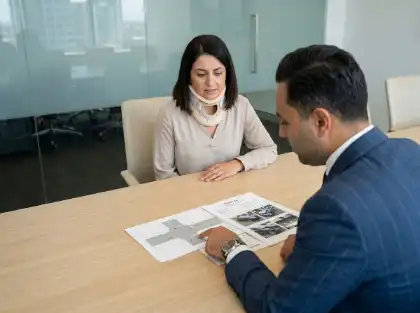 California law gives you two years from the crash date to file a personal injury lawsuit. If you miss this deadline, you may lose the right to sue unless an exception applies. For crashes involving a government vehicle or road hazard, you have only six months to file a government tort claim first. State law requires you to submit this formal written notice before you can sue a public entity.
U-turn liability depends heavily on the specific facts of each case. Speaking with an attorney can help you understand what compensation may be available for your specific situation.
Contact Arash Law For Help With Your U-Turn Accident Case
If you were hurt in a U-turn accident, you have the right to explore your legal options. Taking that step sooner means your attorney can begin gathering the evidence your case needs. Though you can seek free advice from a U-turn accident lawyer online to understand your legal rights, directly consulting an attorney means you can get insights that are more tailored to your situation.
Arash Law has handled serious traffic collision cases across California. Our attorneys at AK Law work to build a strong case and explain what compensation is available under California law.
Many people ask: Do lawyers only get paid if they win? At our firm, the answer is yes. We work on a contingency fee basis, meaning you owe no attorney’s fees unless we recover compensation for you.
Call us at (888) 488-1391 or reach out online to schedule your free initial consultation. Contact us today to learn how our attorneys can help with your case.