TL;DR: The drunk driver who rear-ends you at a red light is usually liable for the crash and resulting injuries under California safe-following and DUI laws. You may seek compensation for medical bills, lost wages, and pain and suffering. A personal injury lawsuit generally must be filed within 2 years, but shorter deadlines and limited exceptions may apply.
Highlights:
- Get checked by a doctor right away and attend all recommended follow-ups.
- Call police, request a DUI investigation, and write down the report number.
- Photograph vehicle positions, damage, the light, skid marks, and visible injuries.
- Collect witness names and ask nearby businesses about traffic-camera footage.
- File SR-1 with California DMV within 10 days if the crash resulted in any injury, death, or property damage exceeding $1,000.
- Notify your insurer promptly and confirm UM/UIM coverage if the driver is uninsured.
- File a government claim within 6 months if a public entity is involved.
Tip: Back up photos, videos, and records to the cloud. When talking to insurers, focus on what you saw. Don’t guess about speed, fault, or intoxication.
Table of Contents
If a suspected drunk driver rear-ends you, it may lead to two separate legal processes. The first is a DUI investigation or prosecution that the government can pursue. The second is a civil personal injury claim that the injured person may pursue.
These two paths run independently. Your ability to seek compensation does not depend on a criminal court conviction.
When a drunk driver rear-ends you at a red light, fault is often clear. If you stopped and followed the traffic signal, the driver who hit you is usually at fault. However, responsibility can vary depending on your specific situation.
Immediate Steps After A Drunk Driver Rear-Ends You
What you do after a DUI crash can directly affect your claim. Quick medical care, solid documentation, and police reports give you a strong foundation to pursue compensation.
- Call Law Enforcement: Because DUI is a criminal offense, responding officers may investigate the driver for impairment. Depending on the circumstances, the investigation may include officer observations, Field Sobriety Tests (FSTs), a preliminary alcohol screening test, or a later breath or blood test. The driver may be arrested if officers develop probable cause to believe a DUI offense occurred.
- Get The Official Police Report: Officers may prepare collision and DUI investigation records documenting observed signs of impairment, test results, citations or arrest information, and available witness statements.
- Medical Intervention: If emergency medical personnel arrive, let them assess you. Mention any pain, dizziness, confusion, or other symptoms you have. Even if you feel fine at first, get medical care right away. Some injuries, like whiplash, soft tissue damage, or concussions, might not show up right away.
Delaying any of these steps can give the insurance company grounds to dispute or reduce your potential recovery. California law says you must report a crash to the DMV within 10 days if it involves an injury, death, or property damage exceeding $1,000. Failure to file can lead to a license suspension.
How The Other Driver’s DUI Affects Your Case After Getting Rear-Ended At A Red Light
California law says drivers must keep a safe distance. This helps them react when traffic slows or stops. If a driver under the influence hits you from behind, you should document the scene. Also, know how DUI laws affect your civil claim.
California Vehicle Code § 23152 makes it unlawful for drivers to operate a vehicle while impaired by alcohol or drugs. It also prohibits driving with a blood alcohol concentration (BAC) of 0.08% or higher. If the rear driver violated § 23152, that violation may strengthen the civil claim under the doctrine of negligence per se. According to California Evidence Code § 669, a rebuttable presumption of negligence arises when:
- The driver violated a statute.
- The violation proximately caused the injury.
- The injury was the type the statute aimed to prevent.
- The injured person belonged to the class the statute intended to protect.
A DUI arrest does not automatically establish civil liability. The injured person may need proof that the driver was impaired or over the legal limit. This evidence must show that the driver’s actions led to the rear-end collision. A driver may also be held responsible for failing to stop, even without a DUI conviction. In such cases, the claimant may use the driver’s failure to stop as evidence of negligence.
The following evidence can support your personal injury claim:
- Police body-camera and dash-camera footage.
- Breath, blood, or urine test results.
- 911 calls and dispatch records.
- Traffic camera, dashcam, doorbell, or business surveillance footage.
- Bar, restaurant, or store receipts.
- Credit card records showing alcohol purchase.
- Social media posts made before or after the crash.
- Vehicle event data showing speed, braking, or other actions before impact.
The criminal case and personal injury claim are separate. An injured person can still get compensation. This is true whether DUI charges are reduced, dismissed, or not filed. The injured person needs to show that the driver’s negligence caused the crash and the injuries.
Proving Negligence In A Red Light Rear-End Crash
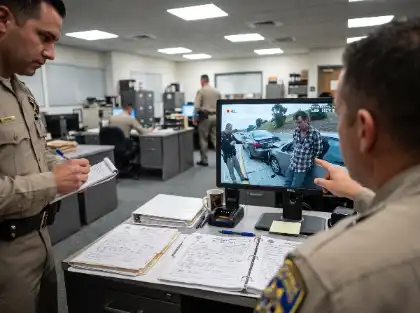 California Vehicle Code § 21703 requires drivers to leave a reasonable and safe following distance based on traffic, speed, and road conditions. Rear-ending a car at a red light usually means the driver behind was too close, speeding, distracted, impaired, or failed to stop.
A violation of this rule may support a negligence claim. Insurers may investigate several factors that caused the crash. These include a chain-reaction crash, broken brake lights, a mechanical failure, or another car pushing the rear vehicle.
To recover compensation, the rear-ended driver must show:
- The driver must follow traffic laws and drive with reasonable care to keep others safe on the road.
- The other driver did not show reasonable care. They broke that duty by speeding, driving while impaired, or running a red light.
- This failure was a substantial factor in the crash and the resulting harm.
- The collision caused injuries and other losses. These include medical bills, lost wages, and pain and suffering.
What If The Drunk Driver Leaves The Scene?
Do not chase a driver who leaves the crash scene. Move to a safe place, call 911, and give the dispatcher as much information as possible. Try to record the license plate number, vehicle make and model, color, damage, direction of travel, and a description of the driver.
Ask witnesses for their names and contact information. Nearby traffic cameras, security systems, dashcams, or doorbell cameras may also have recorded the vehicle. Because some videos are deleted quickly, request that the footage be saved as soon as possible.
Report the hit-and-run to your insurance company promptly. Uninsured motorist coverage might apply in hit-and-run cases. Coverage depends on certain laws, the details of the incident, available evidence, and your policy terms.
How A DUI Criminal Case May Affect Your Injury Claim
When a suspected drunk driver causes a rear-end collision that results in injury, prosecutors may file DUI-related criminal charges under Vehicle Code § 23153. However, the criminal case and your personal injury claim are separate.
An arrest or criminal charge serves as an accusation and does not prove the driver was impaired. Observations, chemical tests, statements, pleas, or convictions may provide evidence. In a civil case, a final felony conviction may help establish key facts essential to the judgment.
You do not need to wait for the criminal case to end before pursuing compensation. You may still bring a personal injury claim even if prosecutors reduce the charges, dismiss the case, or do not obtain a conviction. In the civil case, you must show that the driver’s conduct caused the crash, your injuries, and your resulting losses.
Who May Be Responsible In A DUI Red Light Rear-End Crash?
A drunk driver who rear-ends a stopped car at a red light is usually at fault. However, others may share responsibility. This depends on the vehicle’s owner, the driver’s reason for being on the road, and any other factors that contributed to the accident.
- The Drunk Driver: May be liable for driving while impaired, following too closely, failing to stop, and causing injuries or property damage.
-
The Vehicle Owner: Under California Vehicle Code § 17150, the vehicle owner may share liability if they permitted, whether express or implied, the negligent driver to use the vehicle. Separate liability may apply if they knowingly allowed an intoxicated or unfit person to drive.
When liability is based only on permissive use under Vehicle Code § 17150, the owner’s statutory liability is currently capped at:
- $15,000 for injury or death to one person.
- $30,000 for injury or death to multiple people.
- $5,000 for property damage.
These limits may not apply to the owner’s independent negligence or an agency or employment relationship.
- The Driver’s Employer: May be responsible if the driver was performing work duties or acting within the scope of employment when the crash occurred.
- A Rideshare or Commercial Company: Additional insurance may apply based on the driver’s app status or work activities. Commercial policies may cover delivery, trucking, or other business-related driving. You must file a government claim within six months.
- A Government Entity: Special rules may apply if a public employee, government vehicle, dangerous road, or defective traffic signal contributed to the collision. A government claim may be due within six months.
- A Bar or Alcohol Provider: California generally limits liability for serving adults. However, there are narrow exceptions. Licensed sellers who provide alcohol to an obviously intoxicated minor may face liability. A parent, guardian, or other adult may also be liable for providing alcohol at their home to someone they know, or reasonably should know, is under 21. It’s important to note that liability is not automatically incurred for all instances of providing alcohol to minors, but specific circumstances can lead to civil liability.
- Other Contributing Parties: Another driver, repair shop, vehicle manufacturer, or maintenance provider may share liability if a chain reaction or mechanical defect contributed to the crash.
Available Compensation After A DUI Rear-End
A DUI crash may allow an injured person or an eligible surviving family member to seek the following types of compensation:
Economic Damages
Economic damages cover financial losses that can be documented or reasonably calculated, such as:
- Medical costs
- Future medical care
- Lost wages and reduced earning capacity
- Vehicle repair or replacement
- Other accident-related expenses
Non-Economic Damages
Non-economic damages address the personal and emotional effects of an injury, including:
- Pain and suffering
- Emotional distress
- Post-traumatic stress disorder (PTSD)
- Loss of enjoyment of life
- Physical impairment or disfigurement
Under California’s Proposition 213, uninsured vehicle owners and operators are generally barred from recovering non-economic damages, such as pain and suffering. However, this restriction does not apply when the at-fault driver is subsequently convicted of DUI under the California Vehicle Code. In that circumstance, the uninsured injured party may pursue non-economic damages. An arrest, citation, or allegation of DUI alone is insufficient; the statutory exception requires a conviction.
Punitive Damages
Under California Civil Code § 3294, a court may award punitive damages only when the plaintiff proves malice, oppression, or fraud by clear and convincing evidence. Driving while intoxicated may support punitive damages when the circumstances demonstrate a conscious disregard of probable dangerous consequences. Punitive damages are not automatic. If awarded, they are separate from compensatory damages and aim to punish and deter particularly wrongful conduct.
Wrongful Death Damages
If the DUI crash causes a death, certain eligible surviving family members may pursue a wrongful death claim under California Code of Civil Procedure § 377.60. Recoverable damages may include:
- Funeral and burial expenses.
- Financial support the deceased person would have provided.
- The value of lost household services.
- Lost gifts or benefits the survivors reasonably expected to receive.
- Loss of love, companionship, comfort, care, assistance, protection, affection, society, and moral support.
- The loss of intimacy for a surviving spouse or domestic partner.
- Loss of training and guidance for the deceased person’s children.
Wrongful death damages compensate survivors for their own losses. They generally do not include the deceased person’s pain and suffering, which California law governs separately through a survival action.
The drunk driving accident lawyers at Arash Law can review your case and explain what financial recovery may be available. Also, they manage communications and negotiations with the at-fault party and their insurers. Here are summaries of notable car accident cases we’ve handled involving DUI and rear-end crashes.
- $6,000,000 — A drunk driver caused a head-on collision, resulting in the tragic loss of our client’s wife. We secured the maximum policy limits despite defense challenges regarding liability.
- $3,500,000 — Our client suffered severe spinal injuries after being rear-ended while stopped at a red light. The case settled successfully just days before the scheduled trial.
- $1,300,000 — A rear-end collision led to significant lumbar spine injuries, necessitating surgery for our client. We fought against the defense’s claims and achieved fair compensation.
Disclaimer: The outcomes presented are specific to these cases and do not guarantee similar results in other instances.
Key Deadlines For Filing Your California Injury Claim
 In a DUI rear-end crash, you may be dealing with both personal injuries and vehicle damage, each with its own deadline:
- Personal Injury: You have 2 years from the date of the accident to file a lawsuit under California Code of Civil Procedure § 335.1.
- Property Damage: You have 3 years to file a claim under California Code of Civil Procedure § 338(c)(1).
- Government Vehicle: If a city bus, police car, or other public vehicle caused the crash, you have 6 months to file a government claim under California Government Code § 911.2. This is far shorter than the standard deadline.
These are common California deadlines, but the filing deadline may vary. For example, special rules may apply when the injured person is a minor, lacks legal capacity, or has a claim against a government entity. California generally allows two years for a personal injury lawsuit, while a government injury claim must usually be filed within six months.
Do not assume that an exception will extend your deadline. Missing the applicable time limit may prevent you from recovering compensation. A rear-end accident lawyer can review your case and determine the applicable deadline.
Frequently Asked Questions About DUI Rear-End Accidents
The legal process after a drunk driver rear-ends you can be more complex than a typical crash. You may be unsure about what happens after you get rear-ended, your coverage, whether delayed pain still counts, or how the driver’s criminal case connects to your civil claim. Understanding where you stand can help you move forward with confidence.
What If The Drunk Driver Who Hit Me Does Not Have Insurance Or Is Not Enough?
If the drunk driver has no liability insurance, your uninsured motorist bodily injury coverage may help pay for your injuries. If the driver has insurance but the limits are too low, underinsured motorist coverage may apply after the available liability coverage is exhausted, subject to your policy limits and applicable offsets. Vehicle damage generally requires separate collision or uninsured motorist property damage coverage.
Other possible sources of compensation may include the vehicle owner’s policy, employer or commercial insurance, rideshare coverage, an umbrella policy, other responsible parties, or the drunk driver’s personal assets. The amount available will depend on the policies, liable parties, injuries, and evidence involved.
Can I Still File A Claim If I Did Not Feel Injured Right After The Crash?
Yes. Adrenaline after a crash can hide pain for hours or even days. Injuries like whiplash often show up later, so see a doctor right away and keep all your records.
What Happens If I Am Partially At Fault For The Rear-End Collision?
California uses pure comparative negligence, so the injured person’s percentage of fault reduces any compensation. A rear-end impact may provide strong evidence that the following driver was negligent, particularly when the front vehicle had lawfully come to a stop. With that said, liability remains dependent on the circumstances of the collision.
Get Legal Help For Your DUI Accident Today
A drunk driver who rear-ends you at a red light can leave you in a complicated and stressful situation. Understanding your rights as a victim in such circumstances is essential for navigating the aftermath effectively. Our attorneys at Arash Law can review the facts of your case and pursue the full compensation available under California law.
If you were hurt in a drunk driving crash, our team is ready to review your case at no cost. Call us to get free advice from a drunk driving accident lawyer who can explain your options and what your claim may be worth.
Also known as AK Law, our injury law firm handles every personal injury case on a contingency fee basis, meaning you pay no legal fees unless we win or settle your case. Call (888) 488-1391 any time, day or night, to speak with our team at no charge.