TL;DR: Some estimates place motorcycle accident survival at around 93% to 96%, but many riders suffer fractures, spinal cord damage, or traumatic brain injuries. In California, evidence such as video or witness statements can help establish fault, while missing the filing deadline may prevent recovery of medical bills and lost wages.
Highlights:
- Get medical care immediately and follow up for head, spine, and internal injuries.
- Photograph vehicles, injuries, road conditions, and skid marks before they change.
- Collect driver details, insurance information, and contact info for every witness.
- Request the police report and identify nearby dashcams or surveillance cameras.
- Save medical bills, prescriptions, rehab notes, and pay stubs to prove damages.
- Review your UM/UIM coverage in case the at-fault driver is underinsured.
- Calendar deadlines: 2 years for injury lawsuits, 6 months for public-entity claims.
Tip: As soon as you can, write a timeline of what happened and keep copies of all messages, photos, and records.
Table of Contents
Roughly 93% to 96% of riders involved in motorcycle crashes survive, according to many search results. These percentages are often calculated based on the number of injured and deceased motorcyclists. For instance, the National Highway Traffic Safety Administration (NHTSA) reported that in 2023, 6,335 motorcyclists were killed and an estimated 82,564 motorcyclists were injured in traffic crashes.
Using those figures:
- Total Injured or Killed Riders: 82,564 + 6,335 = 88,899.
- Estimated Survival Percentage: 82,564 ÷ 88,899 × 100.
- Result: Approximately 92.9%.
However, 92.9% should not be treated as the official survival rate for all motorcycle crashes. The calculation includes only riders who were hurt or killed. It leaves out those in crashes who were not injured. Still, it provides a useful estimate of the possible survival rate among riders who were injured or killed in reported crashes.
What Factors Affect The Chances Of Surviving A Motorcycle Crash?
Your survival in a motorcycle crash depends on certain things: what you wear, how fast you ride, and the surrounding conditions. Gear and speed are largely within your control, whereas road conditions and visibility are not.
Here are the key variables that impact survival in a motorcycle crash:
- Helmets: Motorcycle helmets significantly reduce the risk of fatalities and head injuries. NHTSA research indicates that motorcycle helmets reduce rider fatalities by approximately 22% to 42%. Wear a helmet that complies with Federal Motor Vehicle Safety Standard No. 218 and bears the required DOT symbol.
- Speed: Higher speeds can increase the force of impact, leaving riders less time to avoid a collision. Lane splitting can be riskier if the motorcycle travels much faster than the surrounding traffic.
- Protective Gear: Jackets, pants, gloves, boots, and other gear can help reduce injuries in a crash.
- Other Drivers: A rider’s survival can also depend on how other drivers behave. Not yielding, speeding, or making sudden lane changes can cause serious crashes. These actions raise the chances of severe or fatal injuries.
Rain, poor lighting, and wet roads reduce visibility and traction. This adds risk beyond your control. Even if you manage your gear and speed, another driver’s carelessness can still endanger you.
California’s large population and busy roads can mean heavier traffic for motorcyclists. Favorable riding conditions may also keep more motorcyclists on the road throughout the year. Lane splitting is also legal under Vehicle Code § 21658.1. California had 583 motorcycle deaths in 2023. Most riders survive crashes. However, the number of fatalities underscores the need for protective gear and safe riding practices.

Primary Collision Factors For Motorcycle Accidents
Motorcycle crashes can result from mistakes by riders, other motorists, or both. Finding the main cause of a crash can show how it happened and who is at fault.
Common contributing factors include:
- Unsafe Speed: Excessive or unsafe speed may reduce the time available to avoid a collision and increase the impact force.
- Right-of-Way Violations: A motorist may fail to yield when the motorcyclist has the right of way.
- Left-Turn Collisions: When a vehicle turns in front of an oncoming motorcycle, it can lead to a serious crash.
- Unsafe Lane Changes: Drivers may fail to see a motorcycle in an adjacent lane or may change lanes without enough clearance.
- Tailgating: Following another vehicle too closely can reduce the time and distance available to stop safely.
- Traffic Signal and Sign Violations: Running red lights, failing to stop at stop signs, or ignoring other traffic controls can lead to severe collisions.
- Loss of Control: Improper braking, accelerating, or cornering can lead to crashes. This includes both single-vehicle and multi-vehicle incidents.
These factors can affect how serious a motorcycle crash becomes. They may change the impact speed, where the rider is struck, and whether the rider is thrown from the motorcycle. These details can affect whether the rider has minor injuries, serious injuries, or dies.
Motorcycle accident lawyers rely on evidence to identify who may be liable for a crash. Some of these include:
- Dashcam footage
- Surveillance video
- Skid marks
- Vehicle damage
- Witness statements
- Police report
- Crash-scene photos
These pieces of evidence can reveal how the crash occurred and which parties contributed to the collision.
Some motorcycle crashes involve shared fault between the rider and another party. In California, an injured rider may still get compensation even if they were partly responsible for the collision. Under the state’s pure comparative negligence rule, the rider’s compensation is reduced by their percentage of fault. For example, a rider who is found 40% at fault may still recover 60% of their total damages.
What Injuries Can Motorcycle Crash Survivors Experience?
A high survival percentage doesn’t mean most motorcycle crashes are minor. Riders don’t have an enclosed compartment, seat belts, or other protections that passenger vehicles offer.
Motorcycle crash survivors may sustain:
- Traumatic brain injuries
- Spinal cord injuries and paralysis
- Vertebral and other fractures
- Internal organ injuries
- Severe road rash and soft-tissue injuries
- Amputations
- Nerve damage
- Permanent scarring or disfigurement
- Psychological and emotional injuries
The difference between surviving and fully recovering is crucial in catastrophic injury cases. A rider might survive a crash but still need several surgeries, long rehab, ongoing medication, mobility help, or lifelong care. Knowing what to do after a motorcycle accident is important. It can help protect your health, keep key evidence safe, and clarify your next steps if you want to pursue a personal injury claim.
Recoverable Damages After A Motorcycle Accident
A motorcycle collision can leave you with serious medical bills before you have had a chance to heal. If someone else caused the crash due to negligence, you can seek compensation. California law lets you file a claim with the at-fault party’s insurance.
If the claim is not resolved, you may file a personal injury lawsuit against the responsible person or entity. Depending on your case, you may recover economic and non-economic damages, such as:
- Medical Expenses: ER visits, surgeries, medications, therapy, and other necessary treatments.
- Lost Income: Wages you missed while recovering, plus future earnings if your injury is permanent.
- Pain and Suffering: Physical pain and emotional distress caused by the crash.
- Loss of Earning Capacity: Reduced ability to work and earn income in the future.
- Disability or Disfigurement: The effects of permanent physical injuries or scarring.
If the at-fault driver has low insurance, your uninsured/underinsured motorist (UM/UIM) coverage can help. To recover fully, first know what you can claim. This step helps ensure you don’t miss any compensation.
What Happens If A Rider Initially Survives But Later Dies?
A rider may survive the initial motorcycle crash but later die from crash-related injuries. When this happens, California law may allow for both a survival action and a wrongful death claim. These claims serve different purposes.
Survival Action
Under California Code of Civil Procedure § 377.30, a claim that belonged to the rider before death may generally continue through the rider’s personal representative or, when applicable, successor in interest. This is commonly called a survival action.
A survival action generally focuses on losses connected to the rider before death. Depending on the circumstances and California law, these may include:
- Medical expenses incurred before death.
- Lost income incurred before death.
- Property damage.
- Other damages that the law allows the rider’s estate to recover.
Wrongful Death
A wrongful death claim is different. Under California Code of Civil Procedure § 377.60, certain eligible family members, or the personal representative acting on their behalf, may seek compensation for losses they experience because of the rider’s death.
Depending on the circumstances, wrongful death damages may include:
- Funeral and burial expenses.
- Financial support that the rider likely would have provided.
- The value of household services the rider would have performed.
- Loss of companionship, care, comfort, protection, and affection.
- Loss of guidance and training.
- Other legally recoverable losses related to the death.
In simple terms, a survival action generally addresses the claim the rider had before death. A wrongful death claim helps eligible family members recover losses due to a death.
Because the two claims cover different losses, both may arise from the same fatal motorcycle crash. California law also permits certain survival and wrongful death actions arising from the same wrongful act to be joined in one proceeding.
How A Legal Professional Can Help Protect Your Rights
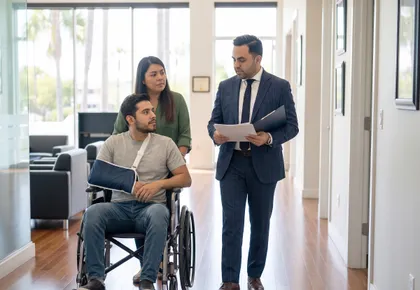
Insurance adjusters review the available evidence to determine fault and evaluate a motorcycle accident claim. An attorney can present police reports, witness statements, crash data, medical records, and other evidence. This helps show what happened in the collision and supports the rider’s case.
Our motorcycle accident lawyers at Arash Law help you by:
- Building a Strong Case: We collect medical records, reports, and witness statements to establish fault and show how the crash affected you.
- Determining Liability: We examine the facts and evidence to identify parties who may be legally responsible.
- Evaluating Damages: We review losses such as medical expenses, lost income, and pain and suffering to determine the claim’s potential value.
- Handling Insurance Communications: Our attorneys can communicate with insurers on your behalf and present information relevant to your claim.
- Going to Court: We can file a lawsuit and represent you in court when appropriate.
Over the years, our team at Arash Law has secured compensation for clients. We handle various injury claims, including motorcycle accident cases. Here are some cases we have won:
- $5,000,000 (Motorcycle vs. Truck): Our client was riding a motorcycle when a truck pulled into their path, causing a collision. Despite an unfavorable police report and allegations of speeding and impairment, our team presented evidence supporting the truck driver’s responsibility for the crash.
- $1,550,000 (Motorcycle vs. Rideshare Company): Our client suffered spinal and wrist injuries and later received a substantial settlement.
- $1,000,000 (Motorcycle vs. Truck): Although the initial report placed fault on our client, further investigation supported the truck driver’s responsibility for the crash. The case ultimately resolved for the available policy limits.
Disclaimer: Results vary from case to case. Past outcomes do not guarantee future results. Any recovery will depend on the facts, evidence, applicable law, insurance coverage, and other factors unique to the claim.
Frequently Asked Questions About Motorcycle Crashes
Riders and families often have questions about deadlines, lane rules, and fault after a crash. The following answers cover the topics that come up most.
How Long Do I Have To File A Motorcycle Accident Lawsuit In California?
California generally gives you two years to file an injury lawsuit under Code of Civil Procedure § 335.1. In many motorcycle crash cases, that period begins on the date of injury, but accrual and tolling rules can affect the deadline. If a California public entity may be liable, Government Code § 911.2 generally requires that a claim be presented within six months of the incident.
Does Lane Splitting Affect Fault In California Motorcycle Accidents?
Lane splitting is legal in California under Vehicle Code § 21658.1, but going too fast while doing it can affect who is held at fault. If you were splitting lanes at a safe speed, that fact alone does not make you automatically responsible for the crash.
Where Do Most Fatal Motorcycle Crashes Occur In California?
Most fatal motorcycle crashes in California occur in urban areas. In 2023, urban areas accounted for 73% of fatal motorcycle crashes in the state. Among fatal and serious-injury motorcycle crashes, broadside collisions were the most common crash type, accounting for 31.1%.
Can Permanent Injuries Increase The Value Of A Motorcycle Accident Claim?
Potentially. Compensation varies for each claim. Permanent or catastrophic injuries can lead to extra losses. These may include future medical treatment, reduced earning capacity, disability, assistive devices, and long-term care. Evidence documenting those future needs can be important when evaluating damages.
Get Legal Support After A Serious Motorcycle Accident
A serious motorcycle crash can upend your life overnight. You deserve legal support that is as committed to your recovery as you are. The motorcycle accident lawyers at Arash Law can help gather relevant evidence before key details are lost. They can also organize crash data and medical records to support your claim.
Call AK Law at (888) 488-1391 right now to speak with a member of our team. Your first consultation is completely free, with no obligation to move forward. Reaching out early can give our team more time to review your case and discuss your legal options.