TL;DR: Premises liability is a specific type of negligence involving the use, maintenance, or condition of property. General negligence is broader; it covers careless acts by anyone, anywhere. Which claim applies determines who you sue, what duty they owed, and what evidence you must preserve.
The difference between negligence and premises liability is that negligence generally covers careless conduct, while premises liability involves negligence tied to property.
Both can support an injury claim. Premises liability adds questions about property control and, in many unsafe-condition cases, notice of the danger.
For an injured person, the distinction affects what must be proved, who may be liable, and which insurance may apply.
Key Facts About Negligence and Premises Liability in California
- Negligence has four core elements. A claimant generally must prove duty, breach, causation, and damages under Civil Code § 1714 and CACI Nos. 400–401.
- Premises liability requires property control. A premises liability claimant generally must show that the defendant owned, leased, occupied, or controlled the property under CACI No. 1000.
- Unsafe conditions often require notice. A premises liability claimant generally must show that the defendant knew, or reasonably should have known, about the dangerous condition under CACI No. 1003.
- Notice can be actual or constructive. Actual notice means the defendant knew, while constructive notice means reasonable care should have revealed the hazard under CACI No. 1011.
- Created hazards follow a different rule. Knowledge can be charged to the defendant when its employee created the dangerous condition under CACI No. 1012.
Table of Contents

Negligence vs. Premises Liability
Negligence and premises liability share the same basic rule of acting with reasonable care. The main difference is why the defendant had a duty to protect you.
General negligence focuses on someone’s careless actions or failure to act. Premises liability focuses on negligence connected to property the defendant controlled.
| Issue | Negligence | Premises Liability |
|---|---|---|
| Main focus | Careless conduct that causes harm. | Negligent use, maintenance, or control of property. |
| Property connection | Property does not need to be involved. | The defendant must have a connection to the property. |
| Basic proof | Duty, breach, causation, and damages. | Property control plus negligence, causation, and damages. |
| Notice of danger | Not a general requirement. | Often required when an unsafe property condition caused the injury. |
| Common question | Did the person or business act reasonably? | Did the person responsible for the property act reasonably? |
A driver’s duty to use reasonable care does not depend on property control. Meanwhile, a store injury can require proof about who controlled the dangerous area.
What Must You Prove in Each Type of Claim?
Negligence and premises liability use related legal standards, but the proof is not identical.
A general negligence claim usually requires four elements:
- Duty: The defendant owes a duty to use reasonable care.
- Breach: The defendant failed to use reasonable care.
- Causation: That failure was a substantial factor in causing your injury.
- Damages: You suffered injuries or other legally recognized losses, such as medical bills, lost income, and pain & suffering.
California Civil Code § 1714 provides the general duty-of-care rule. CACI Nos. 400 and 401 address general negligence.
The requirements for a premises liability case depend on each party’s control and responsibilities.
You generally must show:
- Property Control: The defendant owned, leased, occupied, or controlled the property.
- Negligent Use or Maintenance: The defendant failed to use reasonable care in managing the property.
- Causation: The defendant’s negligence was a substantial factor in causing your harm.
- Harm: You suffered an injury or another compensable loss.
An unsafe-condition claim can require additional proof about the danger and the defendant’s knowledge of it.
How Does Notice Work in a Premises Liability Claim?
Notice helps show whether the defendant had a reasonable opportunity to address an unsafe condition. California premises liability generally requires actual or constructive notice when a dangerous condition causes the harm.
- Actual notice means the defendant knew about the condition. A prior complaint, repair request, or employee report can help show actual knowledge.
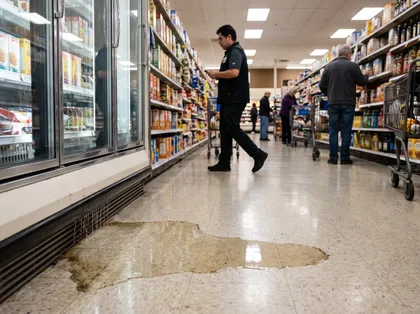
- Constructive notice means the defendant should have discovered the condition through reasonable care. For example, a spill may have remained on a floor long enough for a reasonable inspection to find it. The length of time is not the only issue. Inspection practices and the nature of the hazard can also affect constructive notice.
A different rule applies when the defendant or its employee created the dangerous condition.
If an employee created the hazard while acting within the scope of their job, California law may hold the defendant liable based on the employee’s knowledge.
In that situation, an injured person does not need a separate earlier complaint to prove the defendant knew about the created condition.
Do Different Rules Apply to Dangerous Public Property?
Claims involving dangerous public property follow special rules under California Government Code § 835 rather than the ordinary private-property premises liability framework.
An injured person generally must show that the public property was in a dangerous condition, the condition caused the injury, and it created a reasonably foreseeable risk of that type of harm. The claimant must also generally show either that a public employee’s negligent or wrongful act created the dangerous condition or that the public entity had notice of it with enough time to take protective measures.
Claims against government entities also have separate claim-presentation deadlines that can apply before a lawsuit is filed.
Examples of Negligence and Premises Liability Claims
The type of accident can help show which legal theory may apply. The exact claim depends on what caused the injury and who had responsibility.
Common Negligence Claims
- Car accident claims often focus on unsafe driving, such as speeding, distracted driving, or running a red light.
- Truck accident claims may involve unsafe driving, loading, maintenance, or company practices.
- Motorcycle accident claims often focus on careless conduct by another driver or road user.
- Bicycle accident claims may involve drivers who fail to yield, pass safely, or follow traffic laws.
- Pedestrian accident claims often focus on whether a driver failed to use reasonable care around pedestrians.
- Rideshare and delivery accident claims may involve driver conduct and company-related duties or coverage.
- Bus and train accident claims may involve drivers, operators, companies, or public entities.
- Third-party construction or workplace accident claims may involve negligent contractors, property owners, or other third parties.
Common Premises Liability Claims
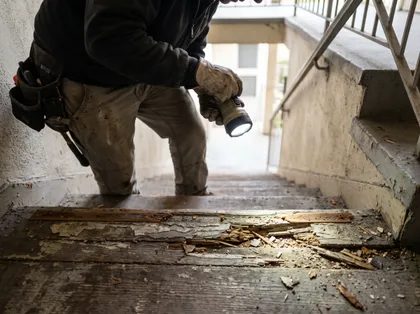
- Slip-and-fall claims may involve wet floors, unsafe walkways, stairs, or similar hazards.
- Trip-and-fall claims may involve damaged flooring, uneven surfaces, debris, or other property defects.
- Apartment accident claims may involve stairs, common areas, lighting, repairs, or other unsafe conditions.
- Store and restaurant accident claims may involve unsafe floors, aisles, entrances, fixtures, or parking areas.
- Hotel and vacation rental accident claims may involve poor maintenance, unsafe walkways, stairs, or other property hazards.
- Parking lot and garage accident claims may involve unsafe surfaces, lighting, barriers, or maintenance.
- Elevator and escalator accident claims may involve failures in inspection, maintenance, repair, or warning.
- Swimming pool and gym accident claims may involve unsafe conditions, maintenance failures, or inadequate safety measures.
- Negligent security claims may involve the question of whether reasonable security measures could have reduced a foreseeable risk.
Some accidents can involve both negligence and premises liability. The facts determine which legal theory applies to each responsible party.
A premises liability attorney can assess your accident and help determine whether you have a viable claim.
How Do You Know Which Type of Claim You Have?
The easiest way to tell is to ask what caused your injury and why the other party had a duty to prevent it.
You may have a general negligence claim when someone’s careless actions caused the injury without relying on property control. For example, negligence may apply when a driver runs a red light or a contractor carelessly operates equipment.
Premises liability may apply when the danger arises from the condition, use, or maintenance of property. A wet floor, broken staircase, damaged railing, unsafe walkway, or poor lighting can support a premises liability claim.
The location of the accident alone does not determine whether premises liability applies.
An injury inside a store is not automatically premises liability. An employee could directly cause an injury through careless conduct unrelated to a property condition.
The reverse is also true. A person can have a premises liability claim even when the property owner was not present.
The key questions are who controlled the area, what caused the injury, and what each responsible party did or failed to do.
Can the Same Accident Involve Negligence and Premises Liability?
Yes. The same accident can involve premises liability and another negligence theory, especially when several parties contributed to the danger.
For example, a contractor may leave construction materials across an apartment walkway. The contractor’s careless work may support a negligence claim.
The property manager may then discover the obstruction but fail to remove it or warn residents. That conduct may support premises liability.
The claims can also involve different responsibilities for the same property.
A landlord may handle structural repairs while a business tenant handles daily inspections. A maintenance company may have separate duties under its contract.
More than one party can share fault when their conduct contributes to the same injury. However, different legal theories do not allow an injured person to recover twice for the same loss. A personal injury lawyer can identify each responsible party and determine how their conduct contributed to the injury.
Who May Be Liable in Negligence and Premises Liability Claims?
Premises liability is a type of negligence claim. For that reason, parties who may be liable in premises liability cases also fall within the broader category of potentially liable parties in negligence claims.
In a general negligence claim, potentially liable parties can include:
- A driver or vehicle owner
- An employer or employee
- A contractor or subcontractor
- A trucking or commercial transportation company
- A rideshare company, when applicable
- A manufacturer or other business
- A government entity
In a premises liability claim, liability generally focuses on parties that owned, occupied, leased, maintained, or controlled the property. These parties can include:
- A property owner
- A landlord
- A tenant or business occupant
- A property management company
- A maintenance or repair contractor
- A security company
- Another party that controlled the dangerous area
Because premises liability falls under negligence law, these property-related defendants are also potential defendants in the broader negligence category. The main difference is that premises liability centers on the defendant’s relationship to the property and the dangerous condition.
Depending on the circumstances, applicable insurance may include personal or commercial auto insurance, rideshare coverage, commercial general liability insurance, homeowners or renters liability coverage, landlord insurance, contractor liability coverage, or UM/UIM coverage.
Insurance coverage does not determine legal responsibility. Liability depends on the facts, while available coverage depends on the applicable policy terms. More than one defendant or insurance policy may apply to the same accident.
What Evidence Can Help With a Negligence or Premises Liability Claim?
The strongest evidence helps show what happened, who had responsibility, and how the accident caused your injuries.
Useful evidence can include:
- Photos and videos can show the accident scene, vehicle positions, or an unsafe property condition.
- Witness information can help describe the conduct or hazard that led to the injury.
- Accident or incident reports can show how the event was documented immediately after it happened.
- Medical records help connect the accident to your injuries.
- Surveillance footage may show the accident or how long a dangerous condition existed.
- Inspection and maintenance records can show when the property was checked or repaired.
- Complaints and repair requests can help show actual notice.
- Leases and management agreements can identify who controlled the property or handled maintenance.
Premises liability cases often depend more heavily on property records. Those records can help prove control and notice.
Relevant footage or records can disappear during normal business operations. A preservation request can ask the holder to keep evidence related to the claim.
If careless conduct or unsafe property caused your injury, Arash Law can review the facts and possible responsible parties. Call (888) 488-1391 for a free case evaluation.
What Is the Statute of Limitations for Negligence and Premises Liability Claims?
Knowing the correct deadline is important because missing it can bar an otherwise valid claim. One accident can also create different deadlines for personal injury, property damage, and claims against government entities.
- Personal Injury Lawsuits: California generally gives an injured person two years to file many personal injury lawsuits against private defendants. Code of Civil Procedure (CCP) § 335.1 applies to many claims based on wrongful or negligent conduct. If you file too late, the defendant can raise the statute of limitations. The court can then bar the claim.
- Property Damage Lawsuits: California generally allows three years to file a lawsuit for property damage under CCP § 338. Property damage can include a damaged vehicle, phone, clothing, or other belongings. The three-year property-damage period does not extend the two-year personal-injury deadline.
-
Government Entity Claims: Government claims can require action much sooner. Government Code § 911.2 generally requires an injury claim to be presented to the correct public entity within six months. A qualifying written rejection generally starts a six-month lawsuit deadline under Government Code § 945.6.
A late-claim application may be available in limited cases. Government Code § 911.4 generally requires that an application be made within one year. Claims involving dangerous public property can also involve Government Code § 835.
Missing the government claim deadline can block a later lawsuit unless a valid exception or late-claim procedure applies.
Some rules can pause a private filing deadline or change when the filing period begins.
CCP § 352 can pause certain deadlines for minors and people with qualifying legal disabilities. Delayed discovery can affect some claims when the injury or its cause could not reasonably have been discovered earlier.
These exceptions depend on the facts. They should not be assumed to extend the separate government claim deadline.
Frequently Asked Questions About Negligence and Premises Liability in California
Does a Warning Sign Automatically Prevent a Premises Liability Claim?
No. A warning sign does not automatically prevent a premises liability claim.
The warning must reasonably address the danger. Its location, visibility, timing, and wording can affect whether it provides an adequate warning.
A property controller may still have other duties when reasonable steps could reduce the danger.
Does an Obvious Hazard Prevent a Premises Liability Claim?
Not always. An obvious danger can affect the property controller’s duty to warn.
Other duties can still exist when someone could reasonably suffer an injury despite the obvious condition.
The facts determine whether additional protective measures were reasonable.
Can I Still Get Compensation If I Was Partly Responsible for My Injury?
Yes. California follows pure comparative fault. Your compensation may be reduced based on your percentage of responsibility. A partial fault does not automatically prevent recovery. Comparative fault can apply to both general negligence and premises liability claims.
An attorney can evaluate how shared fault affects your specific claim.
Can a Criminal Attack Lead to Premises Liability?
Sometimes. A premises liability claim can involve criminal conduct by another person when the property owner or business owed a relevant duty.
These cases can depend on foreseeability, prior events, security measures, and other facts.
Do Lawyers Only Get Paid if They Recover Compensation?
Many personal injury attorneys, like those in Arash Law, handle cases on a contingency fee basis, meaning attorney fees are a percentage of your settlement or verdict, paid only if we recover for you. This is set out in the written fee agreement governing your case. If the case does not recover anything, you owe no attorneys’ fees.
Talk to Arash Law About Your Negligence or Premises Liability Claim
The difference between negligence and premises liability can affect who may be responsible and what you need to prove. You do not need to know the correct legal label before speaking with an attorney. The facts of the accident can show which claim applies.
If you or someone you love was hurt on someone else’s property, it’s important to act quickly. The scene of the accident may be changed, and evidence may disappear quickly. Our attorneys investigate who controlled the dangerous condition, gather the evidence before it disappears, and push back when insurers minimize what you are owed under California law.
Every case is handled on a contingency fee basis: no attorney fees unless we recover for you. Call (888) 488-1391 today for a free case evaluation.
Sources
- Judicial Council of California. 2026 California Civil Jury Instructions. CACI Nos. 400, 401, 1000, 1003, 1011, and 1012
https://courts.ca.gov/system/files/file/judicial_council_of_california_civil_jury_instructions_2026.pdf- California Legislative Information. Civil Code § 1714. Responsibility for injuries caused by a lack of ordinary care.
https://leginfo.legislature.ca.gov/faces/codes_displaySection.xhtml?lawCode=CIV§ionNum=1714.- California Legislative Information. Code of Civil Procedure § 335.1. Personal injury filing deadline.
https://leginfo.legislature.ca.gov/faces/codes_displaySection.xhtml?lawCode=CCP§ionNum=335.1.- California Legislative Information. Government Code § 911.2. Time for presenting claims against public entities.
https://leginfo.legislature.ca.gov/faces/codes_displaySection.xhtml?lawCode=GOV§ionNum=911.2.- California Legislative Information. Government Code § 945.6. Time for filing suit after the government claim process.
https://leginfo.legislature.ca.gov/faces/codes_displaySection.xhtml?lawCode=GOV§ionNum=945.6.- California Legislative Information. Government Code § 835. Dangerous condition of public property.
https://leginfo.legislature.ca.gov/faces/codes_displaySection.xhtml?lawCode=GOV§ionNum=835.- California Legislative Information. Code of Civil Procedure § 338. Three-year limitations period, including injury to personal property.
https://leginfo.legislature.ca.gov/faces/codes_displaySection.xhtml?lawCode=CCP§ionNum=338.- California Legislative Information. Code of Civil Procedure § 352. Tolling for minors and persons lacking legal capacity.
https://leginfo.legislature.ca.gov/faces/codes_displaySection.xhtml?lawCode=CCP§ionNum=352.- California Legislative Information. Government Code § 911.4. Application for leave to present a late claim.
https://leginfo.legislature.ca.gov/faces/codes_displaySection.xhtml?lawCode=GOV§ionNum=911.4.- Arash Law. Case Results.
https://arashlaw.com/case-results/Disclaimer
The information on this page is for general educational purposes and does not constitute legal advice. No attorney-client relationship is formed by reading or relying on this content. If you were injured, consult a licensed California personal injury attorney about your specific situation. Arash Law: (888) 488-1391.