TL;DR: When a driver flees on foot but leaves their car, police can trace the license plate and VIN to the registered owner, helping you open a claim against the owner’s insurance. If the driver is never identified, your own UM coverage can pay for medical bills and lost wages. You generally have 2 years to file a lawsuit against a private at-fault party.
If a driver flees on foot but leaves the vehicle behind, the crash can still qualify as a hit-and-run. Leaving the car does not satisfy California’s duty to stop, provide identifying information, and assist injured people when required. The police will also use the license plate and vehicle identification number (VIN) to trace the registered owner through California Department of Motor Vehicles (DMV) records.
The abandoned car is your most important piece of evidence. It gives you a direct path to file a claim against the owner’s insurance under California Vehicle Code (CVC) § 17150 or against your own Uninsured Motorist (UM) coverage. Your UM may cover injury-related damages, such as medical expenses and lost income, up to your policy limits if the driver is never found.
Table of Contents

The Driver Who Hit Me Fled on Foot and Left Their Vehicle at the Scene. How Is the Responsible Party Identified, and What Claims Can I File?
When a driver flees on foot but leaves the vehicle behind, police can use the license plate and VIN to identify the registered owner and investigate who was driving at the time of the crash. However, the registered owner is not automatically liable simply because the vehicle is registered in their name: he might have been driving the car at the time of the crash, or he might have lent it to someone else.
Depending on the situation, your legal options may include the following:
- If the driver is identified, you may pursue a third-party liability claim against the driver or their insurer for covered losses, including medical expenses, lost income, and other damages.
- If the driver had permission to use the vehicle, you may also have a claim against the registered owner under CVC §17150, subject to applicable statutory limits and exceptions.
- If the driver remains unidentified, your own Uninsured Motorist (UM) coverage insurer may provide compensation for bodily injuries, subject to California law and your policy requirements. Collision or Uninsured Motorist Property Damage (UMPD) coverage may also help with vehicle damage, depending on your policy.
Key Points About California Hit-and-Run Claims
- California Vehicle Code § 17150 allows a claim against the registered owner when the at-fault driver operated the vehicle with the owner’s express or implied permission.
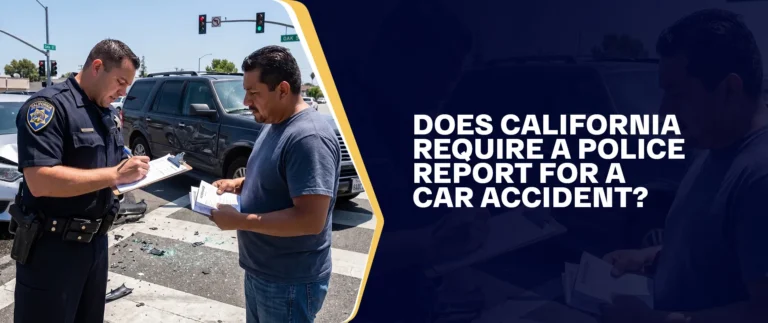
- California Vehicle Code § 20008 requires a written report to the California Highway Patrol (CHP) or local police within 24 hours for a crash involving injury or death.
- California Vehicle Code § 16000 requires an SR-1 filing with the California DMV within 10 days for a crash involving bodily injury, death, or property damage exceeding $1,000.
- California Insurance Code § 11580.2(b)(1) requires physical contact for UM bodily-injury claims involving an unknown hit-and-run driver.
How California Liability Works When the Driver Leaves the Car Behind
Leaving the vehicle at the scene can help identify its registered owner, but ownership alone does not establish liability. Investigators still need to determine who was driving, who caused the crash, and whether the driver had permission to use the vehicle.
That investigation may include:
- Checking whether the vehicle was reported stolen.
- Interviewing the owner and witnesses.
- Reviewing nearby surveillance footage.
- Examining physical evidence from the vehicle and the crash scene.
The fleeing driver may remain personally liable for the harm they caused even if police do not identify them immediately. If investigators later identify the driver, an injured person may pursue a claim against the driver or applicable liability insurance.
Leaving the scene can also lead to a separate criminal investigation under California hit-and-run laws. However, the criminal case and the civil injury claim are separate, and a criminal conviction is not required to pursue compensation.
When Is the Vehicle Owner Liable?
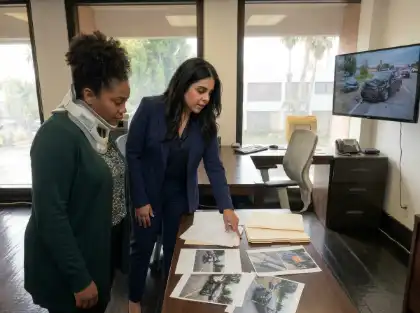
The registered owner is not automatically liable simply because their vehicle was involved in the crash.
Under California Vehicle Code § 17150, a vehicle owner may be liable when a negligent driver caused the crash while using the vehicle with the owner’s express or implied permission. Applicable owner liability may also be subject to statutory limits.
If the owner says the vehicle was stolen or used without permission, the key issue becomes whether the driver actually had express or implied permission to use it. A genuine lack of permission generally defeats owner liability under § 17150.
The owner’s insurance may still need to investigate whether coverage applies, so identifying the vehicle and registered owner can remain important even when the driver fled on foot.
Documenting Crucial Evidence Before Leaving the Scene
Knowing what to do after a hit-and-run can help protect important evidence before it disappears. The abandoned vehicle, the crash debris, and the people standing nearby are your strongest proof. Every element of that scene begins to degrade the moment the tow trucks arrive. You must preserve that evidence immediately.
Document these items before you leave the scene:
- Your Vehicle’s Damage: Photograph from multiple angles, including wide establishing shots and close-ups of every damaged panel. Paint transfer and debris from the other car are physical evidence; capture both.
- The Abandoned Vehicle: Photograph the exterior, the license plate, and the VIN through the windshield if visible. Do not enter or search the vehicle; leave that to the officers.
- Nearby Security Cameras: Identify businesses and traffic signals with exterior cameras. Note the names and addresses.
- Eyewitnesses: Anyone who watched the driver flee on foot is a potential witness. Get names and phone numbers before they leave. Their account of the driver’s direction and description may help support your potential claim.
A hit-and-run accident attorney can send written preservation requests to businesses, police departments, and wireless carriers to help protect relevant footage and records. They can assess whether a subpoena, court order, or other legal process is needed.
What Claims Can You File If the Driver Flees on Foot?
California law allows you to seek compensation through applicable driver or owner liability insurance or your auto policy. Your options depend on who caused the crash, whether the driver had permission, whether there was available coverage, and your documented losses. Prompt reporting and evidence preservation help protect your claim.
Claims Against the Driver’s or Vehicle Owner’s Insurance
If the driver is identified, you may pursue a claim against their liability insurance for the losses they caused. Under Vehicle Code § 17150, the owner may also be liable if the driver had express or implied permission to use the vehicle. A claim against applicable owner coverage may remain possible even if the driver is never apprehended.
California’s standard minimum auto liability limits increased to:
- $30,000 per injured person
- $60,000 per accident
- $15,000 for property damage
These minimums apply to standard auto liability policies issued or renewed on or after January 1, 2025. Serious injuries may exceed those limits, making other recovery options relevant.
Owner-liability limits are separate from insurance limits. When liability rests solely on ownership and permissive use, Vehicle Code § 17151 generally caps the owner’s liability at $15,000 per injured person, $30,000 per accident, and $5,000 for property damage.
Claims Through Your UM or UIM Coverage
Uninsured Motorist (UM) coverage may apply when no liability coverage is available or the driver remains unidentified. It may cover medical expenses, lost income, and pain and suffering, subject to California law and your policy.
Identifying the vehicle owner does not automatically eliminate UM coverage. The driver may be uninsured, or a stolen vehicle may have no applicable liability coverage.
For an unidentified-driver UM claim, California generally requires physical contact between the hit-and-run vehicle and you or your vehicle. Damage patterns, paint transfer, footage, and witness accounts may help establish contact. The abandoned vehicle alone does not prove it occurred.
UM claims involving an unidentified driver also generally require:
- Reporting the crash to law enforcement within 24 hours.
- Submitting a sworn statement to your insurer within 30 days.
Underinsured Motorist (UIM) coverage may apply when available bodily-injury liability limits are lower than your UIM limits. Those liability limits generally must be exhausted through payment before UIM benefits become available.
Payments from responsible parties may reduce the available UIM recovery. Before settling with a driver or owner, consider how the settlement could affect your UM or UIM rights.
Claims for Vehicle Damage
UM bodily injury coverage does not pay for vehicle damage. Collision coverage or Uninsured Motorist Property Damage (UMPD) coverage may help with repairs or replacement, depending on your policy.
California UMPD coverage provides up to $3,500 and requires actual, direct physical contact with the uninsured vehicle. The owner or driver must be identified, or the vehicle must be identified by its license number. An abandoned vehicle may satisfy the identification requirement even when its driver remains unknown.
For UMPD coverage, Insurance Code § 11580.26(b) requires reporting the accident to your insurer or its agent within 10 business days. If you and your insurer disagree about your entitlement to payment, formally initiate arbitration within one year after the crash. These requirements are separate from the DMV reporting deadline and the deadline for suing the responsible party.
What Damages May Be Recoverable?
Depending on the facts and available coverage, recoverable damages may include:
- Medical expenses and future medical care.
- Lost wages and reduced earning capacity.
- Pain and suffering.
- Vehicle repair or replacement costs.
- Other documented out-of-pocket losses caused by the crash.
The value of a claim depends on the nature and extent of those losses and the evidence supporting them. Medical records, wage statements, repair estimates, and other documentation can help establish the amount claimed.
Recovery also depends on who is legally responsible and what insurance applies. The fleeing driver may be liable, and the vehicle owner may also be liable if the driver had permission to use the car. Your own UM or UIM coverage may become relevant if liability coverage is unavailable or insufficient.
Available policy limits can restrict the amount actually collectible. California’s comparative-fault rules may also reduce compensation if you share responsibility for the crash.
Do you have questions about what kind of claim to file after a hit-and-run? Call Arash Law at (888) 488-1391 for a free case evaluation. We are available 24/7.
Critical Deadlines You Cannot Miss After a Hit-and-Run
After a hit-and-run, separate deadlines apply. The applicable filing deadlines depend on the losses involved and whether a public entity may be liable. Missing a required deadline can jeopardize your claim, so begin reporting and documenting the crash promptly.
- Written Police Report (24 Hours): In crashes involving injury or death, CVC § 20008 requires any driver involved in the crash to make or cause to be made a written report to the California Highway Patrol (CHP) or local police within 24 hours. This duty applies to all drivers involved, including a victim who was also driving.
- If law enforcement arrives at the scene and creates a collision report, confirm with them directly whether that report meets the requirements of CVC § 20008 so that you do not have to submit it separately.
- SR-1 Form to the DMV (10 Days): Any driver involved in a qualifying crash, meaning one causing bodily injury, death, or more than $1,000 in property damage, must file an SR-1 form with the California DMV within 10 days. Both at-fault and not-at-fault drivers must comply. Failure to file can result in a license suspension.
- Government Claim (6 Months): If a public entity may be liable, such as for a dangerous road condition, additional deadlines apply. Government Code § 911.2 generally requires that a written claim for injury, death, or vehicle damage be presented within six months of accrual, usually the crash date. This requirement also applies to minors.
- If the entity issues a written rejection complying with Government Code § 913, you have six months from its mailing or personal delivery to sue.
- Without a compliant written notice, Government Code § 945.6 allows two years from accrual to sue. Presenting the government claim is a separate requirement from filing a lawsuit.
- Civil Lawsuit (2 Years): CCP § 335.1 gives you two years from the crash date to file a personal injury lawsuit. This applies to claims against the identified fleeing driver and against the registered owner under Vehicle Code § 17150.
- When the victim is a minor, the filing deadline is tolled until they turn 18. This rule doesn’t apply to government claims.
- Property Damage Lawsuit (3 Years): Under CCP § 338(c)(1), a lawsuit against a private party for vehicle or other personal property damage generally must be filed within three years after the damage occurs.
Reporting deadlines can expire long before lawsuit deadlines. A car accident lawyer can identify the applicable requirements and help preserve your right to seek compensation.
FAQs About California Hit-and-Run Accidents When the Driver Leaves Their Car
Will I Have to Pay My Deductible If I Have Their Plate?
Yes, you may still have to pay your deductible. Having the plate number does not automatically waive it. Your insurer may apply the deductible while it investigates coverage and responsibility.
If your insurer later pursues subrogation against the responsible party, it generally must include your deductible in that recovery effort. You may receive all or part of it back, depending on how much the insurer recovers.
Can I Recover Diminished Value If the Driver Fled?
Possibly. Diminished value may be recoverable as part of a property-damage claim against a legally responsible driver or vehicle owner. It represents the reduction in a vehicle’s market value after repairs.
UM bodily injury coverage does not cover diminished value. Whether collision or UMPD coverage applies depends on the policy and applicable coverage requirements. If the owner is liable under Vehicle Code § 17150, a property-damage claim may also be available against the owner, subject to applicable limits.
Is Leaving a Car After a Crash a Misdemeanor or Felony in California?
It depends on whether the crash caused injury or only property damage. Under California Vehicle Code § 20001, leaving an injury or fatal crash can be prosecuted as either a misdemeanor or a felony. Leaving a property-damage-only crash is generally a misdemeanor under § 20002.
The criminal case and your civil injury claim are separate. You do not need a criminal conviction to pursue a civil claim for compensation.
Can I Look Up the License Plate Myself?
You can request certain vehicle registration records from the California DMV, but a plate number does not grant you unrestricted access to the owner’s personal information.
For another person’s vehicle record, the DMV uses its INF 70 process and requires a permissible purpose under applicable privacy laws. You can also provide the plate number to law enforcement, your insurer, or your attorney to assist in identifying the vehicle and its registered owner.
How Arash Law Can Help In Hit-and-Run Cases
We handle hit-and-run claims by investigating fault, preserving available evidence, identifying potential insurance coverage, and pursuing compensation through negotiations or legal proceedings.
Arash Law has recovered over $1 billion for injured Californians across all personal injury practice areas.
The hit-and-run case results below are examples of what Arash Law has obtained for injured clients:
$1,000,000 Compensation: We secured the maximum UIM policy limits for an injured rideshare driver after years of litigation. The case was resolved one week before arbitration.
Past results do not guarantee future outcomes. Every case is different, and results depend on the specific facts and evidence involved.
Speak with a California Hit-and-Run Attorney Today
Hit-and-run cases in which the driver fled on foot move on a timeline you cannot pause. The insurer’s investigation begins the moment the crash happens. Our attorneys at Arash Law understand these mechanics. They can protect the evidence, deal directly with the insurance carriers, and work to identify the driver and owner before critical records disappear.
We offer a free case evaluation. No upfront cost and no attorney fees unless we win your case. Call (888) 488-1391 to speak with an attorney who can review the facts of your hit-and-run case and explain your options.
The sooner you call, the more we can do.
Sources
- California Vehicle Code § 20008: 24-hour written accident report requirement to the California Highway Patrol or city police for accidents involving injury or death. https://leginfo.legislature.ca.gov/faces/codes_displaySection.xhtml?lawCode=VEH§ionNum=20008.
- California Vehicle Code § 16000: 10-day SR-1 DMV filing requirement for accidents causing bodily injury, death, or property damage exceeding $1,000. https://leginfo.legislature.ca.gov/faces/codes_displaySection.xhtml?lawCode=VEH§ionNum=16000.
- California Vehicle Code § 17150: Owner liability for permissive use; basis for third-party claims against the registered owner’s insurer when a permitted driver causes a crash and flees. https://leginfo.legislature.ca.gov/faces/codes_displaySection.xhtml?lawCode=VEH§ionNum=17150.
- California Vehicle Code § 20001: Duty to stop at the scene of an accident resulting in injury or death; primary felony hit-and-run statute. https://leginfo.legislature.ca.gov/faces/codes_displaySection.xhtml?lawCode=VEH§ionNum=20001.
- California Vehicle Code § 20002: Duty to stop at the scene of a property-damage-only accident; misdemeanor hit-and-run statute. https://leginfo.legislature.ca.gov/faces/codes_displaySection.xhtml?lawCode=VEH§ionNum=20002.
- California Code of Civil Procedure § 335.1: Two-year statute of limitations for personal injury claims. https://leginfo.legislature.ca.gov/faces/codes_displaySection.xhtml?lawCode=CCP§ionNum=335.1
- California Insurance Code § 11580.2: Mandatory UM bodily injury coverage requirement for California auto policies; coverage may be deleted or reduced only by a written agreement between the insurer and named insured in the statutory form. https://leginfo.legislature.ca.gov/faces/codes_displaySection.xhtml?lawCode=INS§ionNum=11580.2
- California Senate Bill 1107: Raised minimum auto liability insurance limits to $30,000 per person / $60,000 per occurrence / $15,000 property damage, effective January 1, 2025. https://leginfo.legislature.ca.gov/faces/billNavClient.xhtml?bill_id=202120220SB1107
- Driver’s Privacy Protection Act (DPPA), 18 U.S.C. §§ 2721–2725: Federal law restricting disclosure and use of personal information in motor vehicle records, while allowing specified permissible uses, including investigation in anticipation of litigation. https://www.law.cornell.edu/uscode/text/18/2721
Disclaimer
The information on this page is for general educational purposes and does not constitute legal advice. No attorney-client relationship is formed by reading or relying on this content. If you were injured, consult a licensed California personal injury attorney about your specific situation.