TL;DR: Ask a lawyer whether you have a case, who could be responsible, and how they will investigate the tow truck collision. Discuss available evidence, insurance, compensation, legal fees, and filing deadlines. A lawyer should examine the driver’s work activities and business relationships without assuming the towing company is liable.
After being hit by a tow truck, ask a lawyer whether you have a case, who may be responsible, and how they will investigate. Responsibility may extend beyond the driver to a towing company or another business, depending on the driver’s work duties and the circumstances.
You should also discuss possible compensation, legal fees, and what happens if you hire the attorney. You don’t need to understand trucking regulations beforehand. The consultation should help you decide whether the lawyer has a clear plan for handling your claim.
Table of Contents

A Tow Truck Hit My Car, and I Am Hurt. What Should I Ask an Attorney About the Driver, the Business, and the Evidence They Would Investigate?
Ask the attorney how they will identify the driver, investigate the towing business’s role, and gather evidence to assess your claim. Start by telling the lawyer how the collision happened, what injuries you suffered, and whether pain developed afterward.
Then ask:
- Do I have a case against the tow truck driver? Ask what evidence could establish the driver’s negligence and connect the collision to your injuries.
- Could the towing company or another business share responsibility? Ask how the lawyer will investigate truck ownership, the driver’s business relationship, and work activity when the crash occurred.
- What evidence will you seek and preserve? Ask about dispatch records, company policies, witness accounts, camera footage, and available vehicle and maintenance records.
For example, a tow truck may have rear-ended your car, followed by neck or back pain. You might recognize the company’s name without knowing who employed the driver or whether the driver was working. A logo alone does not establish that relationship or prove company liability.
The attorney should explain what your account helps establish, what remains uncertain, and how they would investigate those missing facts. Their plan should focus on your injury collision; disputes over towing charges or impoundment involve different legal issues.
You can use this checklist to organize what you know before meeting with the lawyer:
| What You Know | What the Lawyer May Investigate | What Cannot Be Assumed |
|---|---|---|
| The tow truck’s license plate or company logo. | Truck ownership and the business operating it. | The company shown on the truck employed the driver. |
| Where and when the collision happened. | Dispatch records and the driver’s work assignments. | The driver was performing work duties at the time. |
| How the accident occurred. | Police reports, witnesses, and available recordings. | The tow truck driver caused the entire collision. |
| What the tow truck was doing. | Company safety policies and operating instructions. | The driver followed or violated company procedures. |
| The type of tow truck involved. | Available vehicle data, inspections, and maintenance records. | The truck had recording equipment or followed specific federal rules. |
| Any insurance information collected. | Policies covering the driver, owner, or towing business. | All towing companies carry the same insurance limits. |
You don’t need to investigate these issues yourself. The checklist helps you understand what the attorney may need to establish.
Key Facts About What to Ask a Tow Truck Accident Lawyer
- Ask how the lawyer will identify the truck’s actual operator. California Vehicle Code (CVC) § 4453 addresses vehicle registration records. These records can help identify the owner, while dispatch records may reveal who operated the truck.
- Find out how the lawyer would assess towing company responsibility. California Civil Code § 2338 addresses liability for negligence in the course of employment. The lawyer can review assignments and company records to determine whether the rule applies.
- Discuss which accident records the lawyer would seek and preserve. Witness accounts, camera footage, and dispatch records may help establish fault. Under 49 CFR § 395.8(k), covered carriers must retain required driving-duty records for six months.
- Have the lawyer explain how they would check commercial insurance. CVC § 34631.5 sets different insurance requirements for qualifying motor carriers. The lawyer can identify which policies and coverage limits apply.
- Clarify which legal deadlines could affect your tow truck claim. California Code of Civil Procedure (CCP) § 335.1 generally provides two years to bring an injury lawsuit. Government Code § 911.2 sets a six-month deadline for government claims.
Ask Whether You Have a Tow Truck Accident Case
One of the first questions to ask is, “Do I have a case?” A truck accident lawyer should review how the accident happened, your injuries, and the available evidence before assessing your potential claim.
For example, if the tow truck rear-ended your vehicle, the attorney may examine the driver’s speed, following distance, and attention. They should also consider whether other drivers or road conditions contributed to the crash.
Explain what you remember, even if you don’t know every detail. The attorney can identify which facts require further investigation.
A useful answer should address three points:
- Possible Negligence: The driver’s actions or another party’s conduct may show a failure to exercise reasonable care.
- Cause of Injuries: The evidence must connect someone’s negligent conduct to the collision and your injuries.
- Supporting Evidence: Police reports, witness statements, photographs, and other records may help establish the facts of your claim.
The attorney should explain your options without promising a specific outcome.
Ask Whether the Towing Company Could Be Responsible
Another practical question is, “Can I hold the towing company responsible, too?” California law generally holds employers responsible for an employee’s negligence within the scope of employment. The lawyer must investigate the driver’s relationship with the business and the driver’s work activity at the time of the collision.
A tow truck driver may work directly for a towing company or operate under another business arrangement. The lawyer may examine who assigned the job, who controlled the driver’s work, and who owned the vehicle.
For example, dispatch records may show whether a driver returning from a service call was making a work-related trip. An independent contractor arrangement may require a different legal analysis. The attorney should explain which facts support holding the business responsible.
Investigating the Company’s Own Negligence
The towing company may also face liability if its negligence contributed to the crash. The lawyer may review company practices and records to determine whether there is evidence of negligence, including:
- Driver hiring and training.
- Company safety policies.
- Truck maintenance and inspections.
- Dispatch instructions.
- Reports of known equipment problems.
For example, maintenance records could become relevant if a brake problem contributed to the collision. The lawyer should connect any suspected company negligence to the accident rather than assume the business violated a safety requirement.
You can also ask whether anyone apart from the driver and the towing company could share responsibility. A truck owner, maintenance provider, or another driver may be relevant, depending on the facts. The presence of several vehicles does not automatically mean everyone shares fault.
Ask How the Lawyer Will Investigate the Accident
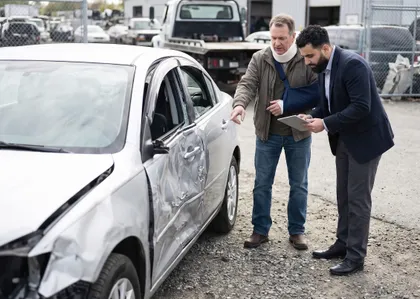
The attorney should explain what evidence they would review and how they plan to obtain information you don’t have. You should not need to know which records a towing business keeps. Identifying relevant records is part of the lawyer’s investigation.
Depending on the circumstances, an attorney may investigate:
- Police Reports: These may identify drivers, witnesses, and reported circumstances.
- Witness Statements: People who saw the collision may help establish what happened.
- Dispatch Records: These may identify the assigned driver and the purpose of the trip.
- Camera Footage: Available recordings may show traffic conditions and vehicle movements.
- GPS Information: Location records may help establish the tow truck’s route.
- Maintenance Records: Inspection and repair documents may reveal mechanical problems.
Not every tow truck has cameras, electronic logs, or vehicle recording equipment. The lawyer should determine which systems were installed and whether they recorded relevant information.
Some tow trucks and drivers must follow federal commercial vehicle rules, depending on the vehicle and its operation. The Federal Motor Carrier Safety Administration (FMCSA) explains that licensing requirements depend on vehicle weight and towing configuration. Ask the attorney how they will determine which licensing and safety requirements applied and whether any violations contributed to your collision.
Acting promptly can help preserve evidence because businesses may routinely delete recordings and other records. Under 49 CFR §395.8(k), covered motor carriers generally must retain required driving-duty records for six months. Dashcam footage and other records may follow different retention schedules. The lawyer may send preservation requests to relevant parties and seek available evidence before it is deleted or lost.
Information You Can Provide
Bring any information you already have that could help the lawyer identify the tow truck, understand the collision, and assess your injuries.
Useful materials include:
- The license plate, company name, or logo.
- Any photographs of identifying numbers on the truck.
- The police report or report number.
- Witnesses’ names and contact details.
- Images of vehicle damage, the scene, visible injuries, and any dashcam footage you have.
- Data about where and when you received treatment.
- Available medical records or bills.
- Receipts for accident-related expenses.
- Records of missed work or lost income.
- Insurance details, claim numbers, or adjuster messages.
You do not need every item or a completed police report before speaking with an attorney. Explain what you know and what remains uncertain. The lawyer should identify missing information and explain how they would obtain records you cannot access yourself.
If a tow truck hit your car and you suffered injuries, Arash Law can review the collision and available operator information. Our tow truck accident attorneys can discuss how the available evidence may help establish what happened.
We can also explain what information is needed to assess the driver’s work activity and whether a business could share responsibility. Call (888) 488-1391 for a free case evaluation to discuss your possible next steps.
Ask About Insurance and Possible Compensation
The lawyer should explain how your injuries, expenses, lost income, and available insurance may affect the claim. A reliable estimate often requires medical records and other supporting evidence.
Depending on your circumstances, compensation may cover:
- Medical bills and treatment costs.
- Future medical expenses.
- Lost wages.
- Reduced earning capacity.
- Pain and suffering.
- Vehicle repairs and other property damage.
Explain how your injuries have impacted your work and daily activities. The attorney can identify which losses California law allows you to claim and how they would document them.
Furthermore, ask how the lawyer would respond if the towing company disputes fault or argues that you contributed to the crash. California follows pure comparative negligence, meaning your compensation may decrease based on your share of responsibility. However, partial fault does not automatically prevent recovery.
Checking Available Insurance
Ask the lawyer how they will identify insurance coverage for the driver, truck owner, and other potentially responsible parties. Tow trucks may carry commercial insurance, but coverage depends on the vehicle, towing operation, and applicable policy terms.
The California DMV’s motor carrier permit guidance describes different liability insurance requirements for qualifying carriers. However, those requirements alone do not establish the coverage limits available for your accident. The attorney should investigate which policies apply and whether your insurance may also provide benefits.
Available coverage can affect your recovery, but no lawyer can guarantee a settlement amount during an initial consultation.
Ask What Hiring a Lawyer Will Involve
Before deciding whether to hire an attorney, ask, “What happens next, and how much will it cost?” The lawyer should explain the first steps, what they need from you, and how they would investigate your claim. Ask who will handle your case, who your main contact will be, and how often you can expect updates.
You can also ask whether the lawyer has handled similar tow truck accident cases and how that experience would inform their investigation. Their answer should explain how they would examine the driver’s work activity, the towing business’s role, relevant records, and available insurance coverage.
The Lawyer’s Plan for Your Case
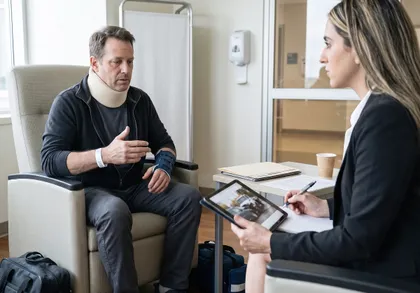
A truck accident lawyer can help by investigating the crash, dealing with insurance companies, and filing a lawsuit if necessary.
The process may include:
- Initial Review: The lawyer examines the collision, injuries, and possible claims.
- Investigation: The legal team gathers evidence and identifies potentially responsible parties.
- Claim Evaluation: The attorney reviews your losses and available insurance coverage.
- Negotiation: The lawyer may communicate with insurers and seek a settlement.
- Litigation: If necessary, the attorney may discuss filing a lawsuit.
The exact process depends on the facts and how the parties respond.
You should also know who your main contact will be during the case. Some firms assign case managers to coordinate records and provide updates. Attorneys remain responsible for legal advice and decisions requiring a lawyer’s judgment.
Ask how often you can expect updates and when you would speak directly with an attorney.
Attorney Fees and Expenses
Many personal injury lawyers work on a contingency fee basis. Under this arrangement, the attorney generally receives an agreed percentage of any compensation recovered.
Before signing, ask about the fee percentage, case expenses, and any costs you may owe if there is no recovery. California Business and Professions Code §6147 requires written contingency fee agreements with specific disclosures.
The attorney should explain those terms so you understand the cost of representation.
Deadlines for Your Claim
Ask your lawyer how much time you have to take legal action after a tow truck accident. California has different deadlines for personal injury lawsuits, property damage lawsuits, and claims against government agencies.
California generally follows these deadlines:
| Claim Type | General Deadline |
|---|---|
| Personal injury lawsuit against a private party | Two years from the injury date. |
| Property damage lawsuit against a private party | Three years from the damage date. |
| Government injury claim | Generally, six months to present a written claim to the responsible agency. |
Exceptions may change these deadlines, including rules involving injured minors. Ask the lawyer to identify the deadlines that apply to your circumstances.
You should also discuss these reporting requirements:
- Law Enforcement Report: Vehicle Code § 20008 generally requires drivers involved in an injury or fatal collision to arrange a written report within 24 hours. Ask whether a responding officer’s report has already satisfied this requirement.
- DMV Report: Vehicle Code § 16000 requires an SR-1 within 10 days if anyone was injured or killed, or damage to any person’s property exceeded $1,000. This applies regardless of fault and is separate from reports made to police or insurers.
Government claim procedures apply only when the circumstances support a claim against a public entity. Following a proper written rejection, Government Code §945.6 generally allows six months from the notice’s mailing or personal delivery to file a lawsuit. Different rules may apply if no proper written rejection is issued.
Ask which steps require immediate attention. Missing an applicable deadline may prevent you from pursuing compensation.
Frequently Asked Questions About Hiring a Tow Truck Accident Lawyer in California
Can I Consult a Lawyer Without Knowing the Towing Company’s Name?
Yes. You can speak with a lawyer even if you do not know which business operated the tow truck. A license plate number, accident report, photograph, or witness statement may help identify the operator. The lawyer can explain what additional information they may need.
Can I Hire a Lawyer Before the Police Finish Their Accident Report?
You do not need to wait for a completed police report before consulting an injury lawyer. The attorney can review your account and other available evidence. They may request the police report when it becomes available.
Can I Hire a Lawyer If I Already Spoke With the Towing Company’s Insurer?
Speaking with an insurance adjuster does not generally prevent you from hiring an attorney. Tell the lawyer what information you shared and whether you provided a recorded statement. Furthermore, disclose any settlement offers, signed documents, or payments you received.
Can a Passenger in My Car Also Consult a Lawyer?
Yes. An injured passenger may pursue a separate personal injury claim against parties whose negligence caused their injuries. The passenger’s claim may involve different injuries, losses, or insurance issues. An attorney can review the passenger’s circumstances separately.
Discuss Your Tow Truck Accident With Arash Law
Arash Law can review your injury collision and the information you have about the tow truck driver or towing company. During a free case evaluation, you can ask about the firm’s investigation approach, available records, insurance issues, and potential claims.
Our attorneys can explain what information they need to assess who may be legally responsible. We handle personal injury cases on a contingency fee basis, with the terms explained in a written agreement.
Call (888) 488-1391 to discuss your accident and possible next steps.
Sources
- California Code of Civil Procedure §335.1: Two-year personal injury lawsuit deadline.
https://leginfo.legislature.ca.gov/faces/codes_displaySection.xhtml?lawCode=CCP§ionNum=335.1- California Code of Civil Procedure §338: Three-year property damage lawsuit deadline.
https://leginfo.legislature.ca.gov/faces/codes_displaySection.xhtml?lawCode=CCP§ionNum=338- California Civil Code §2338: Employer responsibility for employee conduct within the scope of employment.
https://leginfo.legislature.ca.gov/faces/codes_displaySection.xhtml?lawCode=CIV§ionNum=2338- California Government Code §911.2: Government claim presentation deadlines.
https://leginfo.legislature.ca.gov/faces/codes_displaySection.xhtml?lawCode=GOV§ionNum=911.2- California Government Code §945.6: Lawsuit deadlines following government claim decisions.
https://leginfo.legislature.ca.gov/faces/codes_displaySection.xhtml?lawCode=GOV§ionNum=945.6- California Vehicle Code §34631.5: Motor carrier liability coverage requirements.
https://leginfo.legislature.ca.gov/faces/codes_displaySection.xhtml?lawCode=VEH§ionNum=34631.5- California Business and Professions Code §6147: Written contingency fee agreement requirements.
https://leginfo.legislature.ca.gov/faces/codes_displaySection.xhtml?lawCode=BPC§ionNum=6147- California DMV, Motor Carrier Permits: Commercial liability insurance requirements.
https://www.dmv.ca.gov/portal/vehicle-industry-services/motor-carrier-services-mcs/motor-carrier-permits/- FMCSA, Tow Truck CDL Requirements: Commercial licensing rules for different tow truck configurations.
https://www.fmcsa.dot.gov/registration/commercial-drivers-license/do-tow-truck-operators-need-cdls-if-so-what-vehicle-groups- FMCSA, Driving Record Retention: Six-month retention rule for covered driving-duty records.
https://www.fmcsa.dot.gov/hours-service/elds/how-long-must-motor-carriers-retain-records-duty-status-rods-and-supporting- California Highway Patrol, Rotation Tow Program: Private tow company participation in CHP-requested towing services.
https://www.chp.ca.gov/programs-services/for-law-enforcement/rotation-tow-program- California Courts, Government Claims: Claim presentation and lawsuit procedures.
https://selfhelp.courts.ca.gov/civil-lawsuit/government-claimDisclaimer
The information on this page is for general educational purposes and does not constitute legal advice. No attorney-client relationship is formed by reading or relying on this content. If you were injured, consult a licensed California personal injury attorney about your specific situation. Arash Law: (888) 488-1391.