TL;DR: Highway workers with existing workers’ compensation claims may benefit from a separate investigation into an intruding vehicle’s path, traffic-control measures, and potential third-party responsibility. Such a review does not establish that another claim or additional compensation is available.
A highway worker may receive workers’ compensation and still have grounds to investigate a separate claim against someone other than the worker’s employer. That investigation can examine the driver’s conduct, the work-zone traffic setup, and each outside party’s role.
The workers’ compensation claim addresses benefits for the work injury. A separate civil claim requires evidence that a third party owed a legal duty, breached that duty, and caused or contributed to the worker’s injury.
A crash inside a work area does not prove that a contractor or public agency caused it. Nor does a missing cone, sign, barrier, or patrol establish a violation by itself.
Key Facts About Highway Work-Zone Injury Investigations
- Third-Party Claims: An injured worker may pursue a qualifying civil claim against a responsible third party while receiving workers’ compensation benefits (Labor Code § 3852).
- Employer Exclusivity: Workers’ compensation generally provides the exclusive remedy against the injured worker’s employer, subject to statutory exceptions (Labor Code §§ 3600 and 3602).
- Traffic-Control Standards: California’s 2026 Manual on Uniform Traffic Control Devices took effect January 18, 2026, establishing uniform standards for official traffic-control devices (Vehicle Code § 21400; Caltrans, CA MUTCD 2026).
- Public Entity Liability: A dangerous condition of public property may support a claim if it caused the injury, created a reasonably foreseeable risk of that kind of injury, and met the statutory requirements for negligent or wrongful employee creation or sufficient prior notice (Government Code § 835).
- Government Claim Deadline: A claim for personal injury against a public entity generally must be presented within six months after the cause of action accrues (Government Code § 911.2).
Table of Contents

What Independent Traffic-Control or Third-Party Facts Should Be Reviewed While a Workers’ Compensation Matter Is Already Underway?
An existing workers’ compensation claim does not resolve every question about how a vehicle entered a highway work area. A separate investigation can examine the driver’s actions and work-zone conditions.
The investigation should also identify who controlled different parts of the project. These parties may include contractors, traffic-control companies, and public agencies. The goal is to identify possible responsibility based on available evidence, not to assume another lawsuit or recovery exists.
What Should Be Reviewed Beyond the Existing Claim?
The following map separates the existing employment-related claim from questions about the intruding vehicle and the protection of the work area. Workers who already have legal representation should discuss how any additional investigation can be coordinated with their current attorney.
California workers’ compensation lawyers can help workers understand how their existing benefits relate to potential third-party claims.
| What to Investigate | Why It Matters to the Claim | Evidence to Review |
|---|---|---|
| Work Task and Employer Relationship | Identifies the worker’s assigned duties, position, and employment relationship. | Work orders, schedules, and employment records. |
| Existing Claim and Representation | Helps identify benefits already paid, outstanding issues, and potential reimbursement interests. | Claim forms, benefit notices, medical records, and attorney correspondence. |
| Intruding Vehicle Path | Helps establish how the vehicle entered the work area and whether the driver’s actions contributed to the crash. | Collision reports, dashcam footage, photographs, and witness statements. |
| Traffic-Control Plan and Actual Setup | Helps compare the planned safety measures with the conditions when the crash occurred. | Traffic-control plans, inspection records, closure logs, and site photographs. |
| Contractor and Agency Roles | Helps identify which parties controlled specific work-zone activities and what duties they accepted. | Project contracts, subcontractor agreements, work orders, and agency records. |
| Records and Unresolved Responsibility Questions | Helps identify missing evidence, conflicting accounts, and possible responsibility that needs further investigation. | Incident reports, project communications, inspection records, and witness accounts. |
Reviewing these details may help an attorney identify potential third-party claims and determine what additional evidence is needed. The records do not establish liability on their own.
Reconstruct How the Vehicle Entered the Work Area
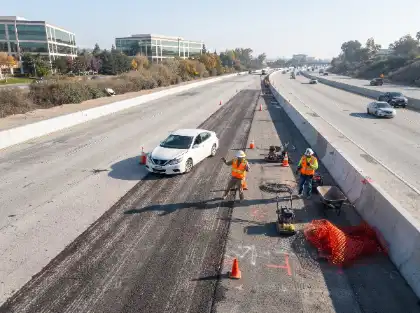 The investigation should establish what happened before the vehicle entered the work area, how it moved through the site, and where it struck the highway worker.
Investigators may examine the following driver actions:
- Speed: Was the driver traveling too fast for traffic, weather, or roadway conditions?
- Distraction: Was the driver using a phone or distracted by something inside the vehicle?
- Impairment: Did alcohol or drugs affect the driver’s ability to operate the vehicle?
- Driving Decisions: Did the driver make an unsafe lane change, fail to brake, or disregard traffic signals?
- Loss of Control: Did the vehicle skid, spin, or move into another lane before entering the work area?
Investigators may also consider driver fatigue and whether changing traffic conditions contributed to the vehicle’s initial loss of control. Understanding how construction vehicles cause traffic accidents may also help identify relevant vehicle movements and traffic hazards when construction equipment is involved.
They can also compare physical evidence and available records to reconstruct the vehicle’s path:
- Earlier Impacts: Vehicle damage, debris, photographs, and collision reports may help identify contacts before the vehicle entered the work area.
- Vehicle Movement: Dashcam footage, traffic cameras, witnesses, and available vehicle data may help reconstruct spinning, sliding, or other movements.
- Worker Positions: Site photographs, work assignments, and witness accounts may establish where workers stood or performed their tasks.
- Point of Contact: Vehicle damage, damaged equipment, and physical evidence may help identify where the vehicle contacted a worker or work-zone object.
- Timing: Video timestamps, dispatch records, and witness statements may help establish the sequence of events.
Illustrative example: Suppose dashcam footage shows a car striking another vehicle, rotating, and entering a closed highway lane where a maintenance worker is performing an assigned task. The footage may establish part of the vehicle’s path, while work records and site photographs may help establish the worker’s position and the traffic protection in place.
This hypothetical scenario illustrates how different records can support an investigation without establishing which party was negligent.
Investigators should distinguish confirmed positions from unknown ones. They should not assume that the vehicle followed a single continuous path without supporting evidence.
Compare the Traffic-Control Plan With the Actual Setup
A traffic-control plan describes how a project intends to manage vehicle movement around the work area. The actual setup may differ as crews adjust closures, equipment, and traffic patterns.
An investigation can compare the approved plan with the conditions at the time of the crash. Relevant records may include:
- Traffic-Control Plans: Approved drawings, revisions, and project-specific instructions.
- Barriers and Channelizers: Placement, condition, visibility, and available inspection records.
- Closures and Diversions: Lane closure schedules, diversion routes, and change records.
- Warning Systems: Signs, flashing lights, arrow boards, and other devices shown in project documents.
- Patrol and Flagging: Available patrol logs, flagger assignments, and traffic communications where those measures were planned, required, or used.
- Lighting and Visibility: Photographs, lighting records, weather information, and available sight-distance measurements.
California’s 2026 Manual on Uniform Traffic Control Devices provides standards for official traffic-control devices (Vehicle Code § 21400).
Part 6 of the California Manual on Uniform Traffic Control Devices (CA MUTCD) addresses temporary traffic control. Investigators should identify the edition and project requirements that were applicable when the crash occurred, rather than automatically applying current standards to an earlier incident.
Project contracts and applicable specifications also require review. If a vehicle struck you while you were performing highway work, call Arash Law at (888) 488-1391 for a free case evaluation to discuss whether additional investigation is appropriate alongside your existing workers’ compensation matter.
Identify Employer, Contractor, and Agency Roles
Several organizations may participate in a highway project. Their presence at the site does not automatically make them legally responsible.
An investigation may examine each party’s actual duties:
- The Injured Worker’s Employer: Employment records and work assignments may establish the worker’s duties and workplace responsibilities. Workers’ compensation generally provides the exclusive remedy against the employer, subject to statutory exceptions (Labor Code § 3602).
- The General Contractor: Project agreements and work records may show whether the general contractor coordinated construction activities or oversaw subcontractors.
- The Traffic-Control Contractor: Contracts, inspection records, and work orders may show whether this company installed, inspected, or maintained traffic-control devices.
- The Public Agency: Project documents may identify whether Caltrans or a local agency owned or controlled the roadway, approved plans, or oversaw certain traffic operations.
- The Driver and the Driver’s Employer: Crash evidence may establish whether the driver caused the collision. Employment records and dispatch information may show whether the driver acted within the course and scope of employment.
These roles require separate legal analysis. A contract, job title, or agency connection alone does not establish responsibility.
Understand the Legal Limits on Separate Claims
California workers’ compensation law generally prevents an injured employee from suing their own employer for ordinary workplace negligence. The exclusive remedy rule applies when the statutory conditions for workers’ compensation liability are met (Labor Code §§ 3600 and 3602).
However, an employee may seek damages from a person other than the employer. Workers’ compensation benefits do not automatically eliminate that separate right (Labor Code § 3852).
Potential third-party defendants include:
- A negligent driver who entered the work area.
- A vehicle owner who permitted another person to operate the vehicle, subject to statutory limits.
- The driver’s employer, when the driver acted within the course and scope of employment.
- A contractor or subcontractor whose legally actionable conduct contributed to the injury.
- A public entity that meets California’s statutory liability requirements.
Limitations on Claims Against Contractors
Contractor claims require particular care. Under the Privette doctrine, a party hiring an independent contractor generally delegates workplace safety responsibilities to that contractor.
A limited exception may apply when the hiring party retains control and negligently exercises that control in a way that affirmatively contributes to the injury. Government Code §§ 830 and 835 generally require a qualifying dangerous condition of public property, a reasonably foreseeable risk, causation, and evidence of negligent or wrongful employee creation of the condition or sufficient actual or constructive notice.
A driver’s negligent conduct alone does not establish a dangerous condition of public property. Evidence must connect a physical condition of the property to the injury (CACI No. 1100).
Statutory immunities, including design immunity under Government Code § 830.6, may also limit public entity liability. Government approval of a traffic-control plan does not automatically establish liability or eliminate potential defenses.
Review Your Work-Zone Injury Case
Determining who controlled the work area and whether another party contributed to the crash may require reviewing project records and traffic-control plans. Arash Law can assess these issues alongside your existing workers’ compensation matter and offer a free case evaluation. Call (888) 488-1391 to discuss your highway work-zone injury and possible legal options.
How Does a Third-Party Claim Interact With Workers’ Compensation?
An injured highway worker may pursue a qualifying third-party claim without closing an existing workers’ compensation claim. However, the two matters may affect each other financially.
A third-party recovery may involve reimbursement rights for workers’ compensation benefits already paid. The employer or its insurer may assert a lien or other statutory rights against the recovery (Labor Code §§ 3852 and 3860).
An attorney should review the workers’ compensation file, including medical benefits, disability payments, asserted liens, and potential credits against future benefits (Labor Code § 3861).
Workers who already have legal representation should coordinate any third-party settlement discussions with their current workers’ compensation attorney before signing a release. A separate claim does not guarantee additional compensation.
Which Deadlines Apply to Third-Party and Government Claims?
California’s filing deadlines depend on the type of claim and whether the potentially responsible party is a private individual, business, or public entity.
- Personal Injury Lawsuits: California generally allows two years to file a personal injury lawsuit against a private party (Code of Civil Procedure § 335.1).
- Lawsuits for Property Damage: The filing deadline for damage to real or personal property is generally three years (Code of Civil Procedure §§ 338(b) and 338(c)(1)).
- Public Entity Claims: A claim generally must be presented within six months after the cause of action arises (Government Code § 911.2).
- Lawsuits After Government Claim Rejection: If the public entity provides written notice of rejection, the lawsuit generally must be filed within six months of delivery or mailing. Without written notice, the general deadline is two years after the claim arises (Government Code § 945.6).
- Late Government Claims: A person who misses the applicable presentation deadline may apply for permission to file late. The application must generally be submitted within a reasonable time, not more than one year after the claim arises (Government Code § 911.4).
These deadlines involve separate legal requirements. Filing a workers’ compensation claim does not automatically satisfy the government claim process.
What Should a Highway Worker Preserve for a Separate Investigation?
Workers should keep existing records and identify evidence that may no longer remain available. They should not enter traffic or recreate the crash to obtain photographs.
Useful materials include:
- Existing photos and videos of the crash scene.
- Workers’ compensation claim documents and benefit notices.
- Medical records and work restrictions.
- Incident reports and witness contact information.
- Employer and project assignment records.
- Available traffic-control plans and project communications.
- Correspondence with contractors, agencies, and insurance representatives.
An attorney can request additional records through appropriate legal procedures. That may include preservation requests for video, electronic vehicle data, inspection records, and project documents.
Workers should distinguish what they personally observed from information supplied by coworkers, investigators, or project personnel. Recording the source of each account can help identify inconsistencies and unresolved questions about the vehicle’s movement and work-zone protection.
Frequently Asked Questions About Highway Work-Zone Injury Claims
What Evidence Can Show How a Vehicle Entered a Highway Work Area?
Crash reports, dashcam footage, traffic camera recordings, vehicle damage, debris, and witness statements may help reconstruct the vehicle’s movements. Investigators can also compare the vehicle’s path with workers’ positions and the impact location.
Can I Sue the Driver Who Entered My Work Area if I Already Receive Workers’ Compensation?
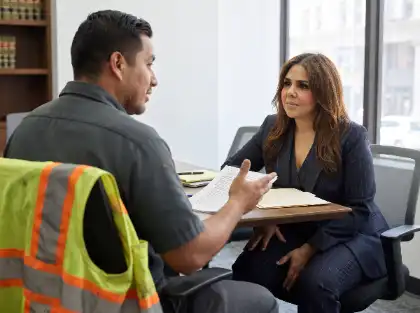 Yes, if the driver is a legally responsible third party, receiving workers’ compensation does not prevent you from pursuing a separate claim against that driver. The claim may involve a negligent driver, vehicle owner, or another party whose conduct contributed to the crash (Labor Code § 3852).
Can a Contractor Be Responsible if a Vehicle Entered a Highway Work Zone?
A contractor may face liability if its legally actionable conduct contributed to the worker’s injury. An investigation may examine its traffic-control duties, project agreements, inspections, and actual work. However, hiring a contractor or finding a missing safety device does not automatically establish liability.
Can Caltrans or Another Government Agency Be Held Responsible for a Work-Zone Crash?
Yes, when the facts satisfy California’s statutory requirements for public entity liability and no applicable immunity bars the claim. A public entity may face liability if a dangerous condition of its property contributed to the injury and the requirements of Government Code § 835 are satisfied. Investigators may review roadway ownership, traffic-control plans, maintenance records, and the agency’s knowledge of the condition.
Does a Missing Barrier Prove That a Highway Work Zone Was Unsafe?
No. A missing barrier does not, by itself, establish a traffic-control violation or legal responsibility. Investigators must determine whether a barrier was required under the applicable standards or project specifications, what protection was actually provided, and whether the condition contributed to the injury.
Should I Close My Workers’ Compensation Claim Before Investigating a Third Party?
No. California law does not generally require an injured worker to close an existing workers’ compensation claim before pursuing a qualifying third-party claim. However, the worker should coordinate both matters with legal counsel because settlement terms, reimbursement rights, and filing deadlines may affect each claim.
Talk With Arash Law About a Highway Work-Area Injury
A highway work-area collision may involve more than the driver’s conduct. A separate review can examine traffic protection, project responsibilities, and the parties’ legal relationship.
If a crashing vehicle entered your highway work area and injured you while you were performing your assigned duties, Arash Law can review whether independent third-party or traffic-control issues warrant further investigation alongside your existing workers’ compensation matter.
Call (888) 488-1391 to discuss the circumstances of the injury and possible next steps.
Sources
- California Labor Code § 3600: Establishes the conditions for workers’ compensation liability.
https://leginfo.legislature.ca.gov/faces/codes_displaySection.xhtml?sectionNum=3600.&lawCode=LAB- California Labor Code § 3602: Addresses workers’ compensation exclusivity and statutory exceptions.
https://leginfo.legislature.ca.gov/faces/codes_displaySection.xhtml?sectionNum=3602.&lawCode=LAB- California Labor Code § 3852: Preserves an injured worker’s right to pursue claims against responsible third parties.
https://leginfo.legislature.ca.gov/faces/codes_displaySection.xhtml?sectionNum=3852.&lawCode=LAB- California Labor Code § 3860: Addresses distribution of third-party recoveries and workers’ compensation reimbursement rights.
https://leginfo.legislature.ca.gov/faces/codes_displaySection.xhtml?sectionNum=3860.&lawCode=LAB- California Vehicle Code § 21400: Authorizes uniform standards for official traffic-control devices.
https://leginfo.legislature.ca.gov/faces/codes_displaySection.xhtml?sectionNum=21400.&lawCode=VEH- California Government Code § 835: Establishes public entity liability for qualifying dangerous conditions of public property.
https://leginfo.legislature.ca.gov/faces/codes_displaySection.xhtml?sectionNum=835.&lawCode=GOV- California Government Code § 911.2: Establishes government claim presentation deadlines.
https://leginfo.legislature.ca.gov/faces/codes_displaySection.xhtml?sectionNum=911.2.&lawCode=GOV- California Government Code § 911.4: Addresses applications to present late government claims.
https://leginfo.legislature.ca.gov/faces/codes_displaySection.xhtml?sectionNum=911.4.&lawCode=GOV- California Government Code § 945.6: Establishes deadlines for filing lawsuits after government claim presentation.
https://leginfo.legislature.ca.gov/faces/codes_displaySection.xhtml?sectionNum=945.6.&lawCode=GOV- California Code of Civil Procedure § 335.1: Establishes the general two-year limitation period for personal injury and wrongful death actions.
https://leginfo.legislature.ca.gov/faces/codes_displaySection.xhtml?sectionNum=335.1.&lawCode=CCP- California Code of Civil Procedure § 338(b) and (c)(1): Establishes limitation periods for damages to real and personal property.
https://leginfo.legislature.ca.gov/faces/codes_displaySection.xhtml?sectionNum=338.&lawCode=CCP- Judicial Council of California, CACI No. 1100: Explains the essential elements of a dangerous-condition public property claim.
https://courts.ca.gov/partners/california-jury-instructions/civil-jury-instructions-resource-center/civil-jury-instructions- Hooker v. Department of Transportation (2002) 27 Cal.4th 198: Addresses retained control and affirmative contribution under the Privette doctrine. https://supreme.courts.ca.gov/sites/default/files/supremecourt/default/2022-08/S247677.pdf
- Kinsman v. Unocal Corp. (2005) 37 Cal.4th 659: Addresses landowner liability for concealed hazards affecting independent contractors’ employees.
https://courts.ca.gov/sites/default/files/courts/default/2024-12/judicial_council_of_california_civil_jury_instructions_may_2021_supp_0.pdf- Gonzalez v. Mathis (2021) 12 Cal.5th 29: Explains the Privette doctrine and its exceptions.
https://supreme.courts.ca.gov/sites/default/files/supremecourt/default/2022-08/S247677.pdf- Caltrans, California Manual on Uniform Traffic Control Devices 2026: Provides California standards for official traffic-control devices. Effective January 18, 2026.
https://dot.ca.gov/programs/safety-programs/camutcd- Caltrans Construction Manual, Section 4-12, Temporary Traffic Control: Provides inspection and maintenance guidance for temporary traffic-control devices on applicable Caltrans projects. Published September 2026.
https://dot.ca.gov/programs/construction/construction-manual/section-4-12-temporary-traffic-controlDisclaimer
This content is for educational purposes only and does not constitute legal advice. Reading this page does not create an attorney-client relationship. Consult a licensed California attorney about your circumstances. Arash Law: (888) 488-1391.