TL;DR: Your employer, the general contractor, or both may have controlled the roof cover removal. It depends on who decided when the work could start, who approved roof access, and who directed the removal or could put it on hold. The full message thread, work orders, and crew records can help identify who made each decision.
The company that decided when and how the roof cover would come off likely controlled the removal. That may have been your employer, the general contractor, or both if they made different decisions about the work.
Start with whoever told you to remove the cover. Ask who set the deadline, who gave the go-ahead to climb onto the roof, and who could have told the crew to wait. Those decisions help show who controlled the job and whether another company may share responsibility for your fall under California law.
Suppose your crew lead texts you after overnight rain: “Remove the cover before the next crew arrives.” You head to the roof and slip on ice. The text identifies who gave you the assignment. The full exchange may show where the deadline came from, who approved roof access, and whether the crew lead could have waited until conditions changed.
Key Facts About California Roof Work Injuries
- The person who gave you the assignment may have been passing along another company’s instructions. The full message thread or original work order may show who set the deadline or could put the job on hold.
- The decision to let the crew onto the roof may have come from someone else. Access logs or crew messages may show who approved entry and whether the plan changed after someone reported ice.
- A company’s own directions can matter if they helped cause the fall. If the company hired an independent contractor, a lawyer may look at whether it kept control over part of the work and used that control in a way that made the job unsafe.
- A workers’ compensation claim can coexist with a claim against another party. California Labor Code § 3852 preserves your right to pursue a third party that is legally responsible for the same injury.
Table of Contents

Which Records Allow Counsel to Evaluate the Work Injury and Any Separate Actor’s Role Without Assuming Every Owner or Supervisor Is Liable?
Injury reports and initial treatment notes document the fall and the symptoms you reported. Task messages, work orders, roof access logs, and crew records help your lawyer identify who made the decisions about the removal. Warnings and replies can show when someone learned of a possible hazard and how they responded.
What Exactly Were You Asked to Do?
If you were asked to remove a roof cover after rain, that assignment has three parts worth recording: what the cover protected, what you were asked to remove, and when the work was supposed to happen. A text, a radio call, or a work order may address each part. If the instruction came by phone or in person, note who spoke and who else heard it.
In the example, “before the next crew arrives” tells you when the removal was expected. The original work order or a message between crews may identify who set that deadline. A later message may show who changed it or said the job could wait.
If your employer completed an incident report, it may describe what you were doing just before the fall.
Who Assigned the Work and Who Could Change It?
The person who gave the assignment may work for a different company from the person who could put the job on hold. A paycheck identifies who paid you. A job title identifies someone’s position. Contracts and records of the actual assignment can help your lawyer understand who employed the crew, who supervised it, and who could change the job.
- Employer or Staffing Company: Which company hired and paid you? Who assigned you to the site and supervised your work there?
- Crew Lead or Superintendent: Which company did the person represent? Whose instructions did they pass along, and what could they decide on their own?
- Property Owner or Site Manager: Who managed roof access? Did that person take part in any decision about when or how the cover would come off?
- General Contractor or Subcontractor: Who hired each crew? Whose work order included the removal, and who could delay or change it?
If one company employed you and another directed the roof work, you may wonder whether seeking help for a work injury means suing your employer. You can file a workers’ compensation claim through your employer while a lawyer looks into whether the company that directed the work may be legally responsible for the fall.
How Did You Reach the Roof, and What Did You Notice When You Got There?
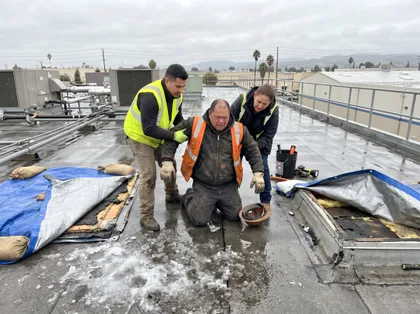
The roof may have been wet near the access point, with ice visible only after the cover shifted. In the hypothetical, one worker might remember overnight rain, another might have seen standing water where the crew stepped onto the roof, and a third might have noticed ice near the spot where you slipped. Each observation describes a different condition at a particular time and place.
Write down where you entered the roof, who chose that access point, and who told you it was okay to go up. A sketch from memory or photos you already have may help show where you entered, where the cover lay, and where you fell. Note whether the cover was still in place or had shifted when someone first saw the ice. If you have photos, note when they were taken.
What Warnings or Changes Came Before the Fall?
A warning before the fall could have come from a coworker reporting ice near the roof access point or from the crew lead noting that the surface felt slick. A change to the work plan could have been a delayed start, a different access point, or an instruction to remove only part of the cover.
For example, if a coworker texted about a slick spot, the full thread may show when they sent the warning, who received it, and whether anyone replied before the fall. The original and revised work orders may show what changed and who approved it. A witness who heard the updated instruction firsthand may be able to say who gave it and when.
If you’re unsure which company made those decisions, call Arash Law at (888) 488-1391 to schedule a free initial consultation with a work injury lawyer.
Why Does Control of the Roof Cover Removal Task Matter?
Employment records help your lawyer evaluate a workers’ compensation claim. Records showing who directed the removal can help your lawyer assess whether another party’s actions contributed to the fall. A roofing accident attorney can explain your broader claim options once they’ve reviewed who ultimately had control of the work task.
When a company hires an independent contractor, California generally presumes the contractor took responsibility for performing the work safely. Under Sandoval v. Qualcomm Inc., a hiring party may be liable if it retained and negligently exercised control over part of the work. Its exercise of control must affirmatively contribute to the injury. That can happen if it directs the contractor to proceed in an unsafe way or independently contributes to the injury.
A general deadline and an instruction to use a particular access point may show different levels of control. The exact words and what happened next help your lawyer evaluate each instruction.
The building type and assigned work also help your lawyer determine which Cal/OSHA standards applied on the date of the fall. Title 8, section 1731 covers qualifying residential-type roofing activities. Section 1730 addresses roof hazards in other roofing operations within its scope.
What Should I Write Down About the Roof Cover Assignment Before Consulting a Lawyer?
Write down who asked you to remove the cover, when they wanted you to do it, and what you or others noticed before the fall. Putting those details in order helps your lawyer trace who made each decision and see which messages, work orders, or witnesses may confirm it.
The table below can help you create a short timeline based on what you remember and the records you already have.
Use one row for each part of the assignment. Record the date and time, the person and company involved, and where the information came from. Approximate times are fine if you label them.
If you’re unsure who made a decision, write “unknown” and note who may know. You can share what you have with your lawyer even if the timeline is incomplete.
| Timeline Entry | What to Write Down | Records to Bring or Identify |
|---|---|---|
| Who gave the instruction | Who assigned the work, when and how you received it, and the words you remember. | Full text thread, dispatch record, or names of people who heard the instruction. |
| Who employed or supervised the crew | Who hired, paid, and supervised you, and which company hired each contractor or crew. | Pay records, crew roster, contracts, or subcontracts. |
| What the task involved | What the cover protected, why it had to come off, who set the timing, and who could change the plan. | Original work order, schedule, or messages between crews. |
| Roof access and conditions | Where and when you entered, who approved access, and where people observed rain, water, ice, or a change in the cover’s condition. | Existing photos or video, access logs, site notes, or weather station records. |
| Warnings and changes | What the crew saw or reported, who received the warning, any reply, and what changed before the fall. | Dated messages, revised work orders, meeting notes, or witness accounts. |
| Fall and first report | Where and when you fell, who received your first report, and how later accounts differ. | Incident report, initial treatment notes, or messages sent just after the fall. |
For example, a text timestamped 7:05 a.m. can show when the assignment reached you. A work-order revision may show who set or changed the start time. Use the records you already have and tell your lawyer who may hold the rest. Stay off the roof while gathering information for the review.
FAQs About Roof Cover Removal and Ice at Work
What If a Superintendent Told Me to Keep Working After I Mentioned Ice?
The instruction can matter if it shows that the superintendent actually directed how the work was to proceed. Record the words used, which company the superintendent represented, and whether the response specified an access point, time, or method. Your lawyer can examine how that direction affected what happened before the fall.
What If the Roof Cover Hid Ice From the Crew?
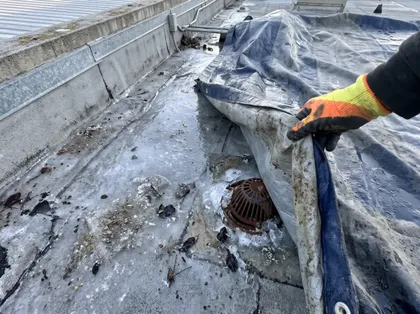
A hidden hazard can matter if the property owner hired the contractor. Your lawyer would examine whether the owner knew or reasonably should have known about the preexisting hazard, whether the contractor knew about it or reasonably could have discovered it, and whether the owner failed to warn the contractor. Record when the ice first became visible and who saw it.
Can Weather Records Help If the Ice Melted Before Anyone Took Photos?
Yes. A nearby weather station can document precipitation and temperatures around the time of the fall. Its readings describe conditions at the station. A witness account, time-stamped message, or existing photo can help establish what someone observed at the specific spot on the roof.
What Records Might Exist If I Never Got an Incident Report?
The employer may have a Cal/OSHA Form 301 or an equivalent record if it had to log the injury. A supervisor’s email, a same-day text, a work-order update, or a first treatment note may also document the fall. Keep any record you received from your employer with the date it was sent.
Can I Start a Workers’ Compensation Claim Before I Know Another Company’s Role?
Yes. To preserve your rights to seek workers’ comp benefits, report your injury to your employer in writing within 30 days. You and your employer can then complete a DWC 1 claim form, which your employer will submit to its insurer to start the claims process. In the meantime, a lawyer can review the other company’s role in your fall.
Acting early matters because, unless an exception applies, you generally only have one year from the date of your injury to start formal workers’ compensation proceedings. A personal injury lawsuit against a separate company generally must be filed within two years of the injury. These deadlines don’t pause while each company’s role is under review.
Talk With Arash Law About Your Roofing Accident
After a fall while removing a roof cover, you may know who gave you the assignment but still be unsure who decided the work should proceed. Even a single text can give your lawyer a starting point. The time, sender, and wording can help identify who set the schedule, who approved roof access, and which company had the authority to delay the work.
If you fell while removing a roof cover at work, our lawyers can help determine your options. Bring any task messages, injury reports, or notes you have. We can review your timeline, discuss where to look for missing records, and assess whether workers’ compensation or a separate claim may apply.
Call Arash Law at (888) 488-1391 for a free initial consultation.
Sources
- California Legislative Information. Labor Code § 3852 on claims against third parties.
https://leginfo.legislature.ca.gov/faces/codes_displaySection.xhtml?lawCode=LAB§ionNum=3852.- Supreme Court of California. Sandoval v. Qualcomm Inc. (2021) 12 Cal.5th 256, 276–278 on retained control and affirmative contribution.
https://www.courts.ca.gov/opinions/archive/S252796.PDF- Judicial Council of California. Civil Jury Instructions, 2026 edition. CACI Nos. 1009A and 1009B on concealed hazards and retained control.
https://courts.ca.gov/system/files/file/judicial_council_of_california_civil_jury_instructions_2026.pdf- California Department of Industrial Relations. Title 8, § 1730 — Roof Hazards.
https://www.dir.ca.gov/title8/1730.html- California Department of Industrial Relations. Title 8, § 1731 — Residential-type Roofing Activities.
https://www.dir.ca.gov/title8/1731.html- California Department of Industrial Relations. Title 8, § 14300.29 on injury and illness recordkeeping forms.
https://www.dir.ca.gov/T8/14300_29.html- California Division of Workers’ Compensation. How to file a workers’ compensation claim.
https://www.dir.ca.gov/dwc/FileAClaim.htm- National Centers for Environmental Information. Local Climatological Data, including weather station observations.
https://www.ncei.noaa.gov/products/land-based-station/local-climatological-data- California Legislative Information. Labor Code § 5400, 30-Day Notice of Injury. https://leginfo.legislature.ca.gov/faces/codes_displaySection.xhtml?lawCode=LAB§ionNum=5400.
- California Legislative Information. Labor Code § 5405, Time to Start Workers’ Compensation Proceedings. https://leginfo.legislature.ca.gov/faces/codes_displaySection.xhtml?lawCode=LAB§ionNum=5405.
- California Legislative Information. Code of Civil Procedure § 335.1, Personal Injury Lawsuit Deadline. https://leginfo.legislature.ca.gov/faces/codes_displaySection.xhtml?lawCode=CCP§ionNum=335.1.
Disclaimer
This article provides general information for educational purposes. Reading it creates no attorney-client relationship. Consult a licensed California attorney about your circumstances. Arash Law · (888) 488-1391.