TL;DR: DUI victims in California can recover pain and suffering damages, including physical pain, emotional distress, and loss of enjoyment of life, by proving the drunk driver was negligent. Uninsured victims can still pursue these damages if the driver is convicted of DUI.
Highlights:
- Get consistent medical care and follow-up treatment to document your recovery.
- Start a daily pain journal, noting pain levels, sleep issues, and activity limits.
- Preserve crash evidence early, including photos, witness contacts, and video footage.
- Request DUI case records and conviction paperwork to strengthen liability and Prop 213 issues.
- Check your auto policy for UM coverage and start the claim process promptly.
- Ask family, friends, or co-workers to write statements about changes they observed.
- File your lawsuit within 2 years of the injury date.
Tip: When speaking with insurers or investigators, stick to facts, avoid guessing, and save every message, receipt, and appointment record.
Table of Contents
In California, driving under the influence (DUI) is illegal. Victims of DUI accidents may be able to recover pain and suffering damages, depending on the facts of their case. If a drunk driver hurt you, the law allows you to seek money for your physical pain and emotional distress.
A drunk driving crash happens instantly, caused by someone else’s reckless actions. The fear, the pain, and the confusion that follow are real. California law recognizes those losses. These go beyond medical bills. They can include sleep loss, anxiety, and things you used to do but can no longer enjoy.
What Are Pain And Suffering Damages In A California DUI Case?
Pain and suffering are types of non-economic damages. These losses have no price tag. They cover physical pain, emotional trauma, and life changes from the crash.
Non-economic damages in a DUI case can include:
- Physical Pain: Ongoing pain, limited movement, and discomfort from your injuries.
- Emotional Distress: Anxiety, depression, and post-traumatic stress disorder (PTSD) caused by the crash.
- Sleep and Appetite Problems: Trouble sleeping or eating due to trauma.
- Loss of Enjoyment of Life: No longer able to do the things you loved.
- Effects on Daily and Family Life: Injuries may affect companionship, household roles, and the way you interact with loved ones. A spouse may also have a separate claim for loss of consortium in some cases.
A DUI crash may cause serious emotional distress. Medical records, therapy notes, and provider statements can document anxiety, depression, PTSD, physical pain, and other crash-related symptoms. Other providers, such as a chiropractor, may also help show the extent of your injuries. A DUI victim lawyer can help gather evidence and establish negligence.
Permanent injuries are not always required. A victim may seek pain and suffering damages for temporary pain, restricted movement, anxiety, sleep disturbance, or disruption of daily activities when those effects are supported by credible evidence.
How Pain And Suffering Are Valued
California does not use a fixed formula to calculate pain and suffering damages. The value depends on the facts of the case and the evidence showing how the injuries affected the victim’s life.
Factors may include:
- The type and severity of the injuries.
- The length of recovery.
- Whether the injuries caused lasting pain or disability.
- The treatment required.
- The effect on sleep, work, mobility, hobbies, and relationships.
- The strength of the medical records and other supporting evidence.
California’s civil jury instructions (specifically CACI No. 3905A) recognize physical pain, mental suffering, emotional distress, inconvenience, anxiety, and loss of enjoyment of life as forms of non-economic harm.
Two informal methods may come up when evaluating pain and suffering:
- Multiplier Method: An informal approach sometimes used during settlement evaluations involves multiplying certain economic damages, such as medical expenses and lost income, by a factor that may reflect the severity and impact of the injuries. Property damage is generally not a reliable measure for calculating pain and suffering because it does not determine the extent or duration of a person’s physical or emotional harm.
- Per Diem Method: A daily amount is assigned for the period in which the victim experienced pain, limitations, or emotional distress.
These methods are only evaluation tools. California law does not require either method, approve a set multiplier, or guarantee a specific result. The final value still depends on the evidence, the facts of the case, and the outcome of settlement talks or trial.
Establishing Liability In A DUI Accident In California
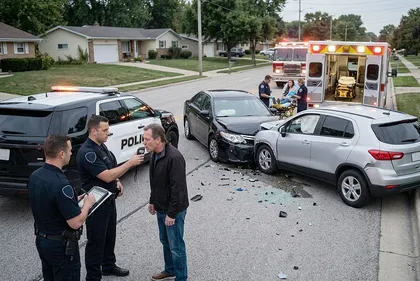
To pursue pain and suffering damages against an impaired driver, you must prove they were negligent. That means showing they had a duty to drive safely, they broke it, their actions caused your crash, and you suffered real harm.
Negligence has four elements:
- Duty: Every driver must operate their vehicle safely and follow traffic laws.
- Breach: The driver failed that standard, such as by driving while impaired or drunk.
- Causation: Their actions were a substantial factor in causing your accident and injuries.
- Damages: You suffered real losses, including pain and suffering.
California Vehicle Code §23152 prohibits driving while under the influence of alcohol. It also separately prohibits driving with a BAC of 0.08% or more, though a driver may still be guilty of DUI below that threshold.
A DUI violation can help show that the driver was negligent (under the negligence per se rule). Under California Evidence Code § 669, the law may presume that the driver failed to use reasonable care. However, the injured person must still show that the violation caused the crash and the type of harm the DUI law was meant to prevent. DUI accident victim lawyers rely on available evidence to establish liability. These include:
- Proof of a hit-and-run.
- Dashcam video.
- Eyewitness statements.
- Black box data (if available).
Your civil claim is a separate proceeding from the state’s criminal prosecution. However, evidence, testimony, and a DUI conviction from the criminal case may affect the civil case. The criminal case is about punishment, such as jail time, fines, or a license suspension. A civil claim allows you to seek compensation for your losses. DUI accident victims have separate legal rights in both processes, and each case follows its own rules.
What Evidence Can Prove Pain And Suffering In A DUI Case?
Pain and suffering do not come with a fixed bill, so you need evidence showing how the drunk driving crash changed your daily life. Though you may be able to prove that the other driver was impaired, your claim for pain and suffering damages still depends on proof of your actual physical and emotional harm.
Helpful evidence may include:
- Medical Records: Records showing your injuries, symptoms, treatment, and recovery after the DUI crash.
- Therapy Records: Notes documenting anxiety, depression, PTSD, fear of driving, or other emotional effects linked to the collision.
- Photographs: Images showing visible injuries, scarring, medical devices, or limits on your normal activities.
- Pain Journal: Daily notes describing pain, sleep problems, emotional distress, and activities you can no longer do.
- Accounts From People Who Know You: Accounts from family members, friends, co-workers, or employers who noticed changes in your mood, abilities, or routine after the crash.
- Expert Opinions: Testimony from doctors or mental health professionals explaining how the DUI accident affected your health, daily life, and long-term outlook.
The Proposition 213 Exception For Uninsured Victims
Proposition 213 (California Civil Code Section 3333.4) limits what uninsured drivers can recover after a crash. If you had no car insurance at the time, the law blocks you from claiming non-economic damages. These include losses such as pain and suffering and emotional distress. They are often the biggest part of a personal injury claim.
There is a major exception for DUI victims. If the driver who hit you is convicted of DUI for causing the crash, you may still pursue pain and suffering damages even if you were uninsured. However, your insurance and vehicle ownership status can still affect how Proposition 213 applies, and whether the exception covers your claim depends on the specific facts of your case.
If you are uninsured and hit by an impaired driver, you might be thinking, “I need a personal injury lawyer.” That instinct is right. An attorney can help you document the DUI conviction and build your claim around it.
What If The Drunk Driver Doesn’t Have Insurance?
If a drunk driver was uninsured at the time of the crash, victims still have options for pursuing compensation. In California, insurance companies must offer Uninsured Motorist (UM) coverage, but policyholders may reject that coverage in writing. If you chose not to waive it in writing when you took out your auto policy, it may cover non-economic damages such as pain and suffering.
A lawyer can also help you identify other sources of recovery by assessing whether other parties may be liable for the accident. For example:
- If the drunk driver was working at the time of the crash and acting within the scope of employment, the employer may also face liability for the victim’s damages.
- You may be able to file an administrative claim against a public entity if a government vehicle or poor road conditions contributed to the crash. Claims against government entities generally require submitting a government claim within six months of the injury under the California Government Claims Act.
- California’s dram shop law usually protects bars and restaurants from liability for serving patrons who cause crashes. However, an exception exists when an establishment serves alcohol to an obviously intoxicated minor whose impairment causes injury or death.
Because these coverage and liability issues can greatly affect a DUI victim’s ability to recover damages, you may wish to consult a DUI accident lawyer who can assess the policies, identify all liable parties, and seek full compensation for pain and suffering, even if the drunk driver’s insurance is insufficient.
Frequently Asked Questions About California DUI Accident Claims
After a DUI crash, you likely have questions about your rights and what to expect from the legal process. You may wonder if your actions affect your claim or what happens if the drunk driver walks free in court. The answers below address the concerns victims raise most often about their rights under California law.
Is There A Cap On Pain And Suffering In California?
California generally does not place a dollar cap on pain and suffering damages in an ordinary DUI accident claim. The amount depends on the evidence and how seriously the crash affected the victim’s physical health, emotional well-being, daily activities, and quality of life.
There is no fixed formula or guaranteed amount. A settlement or jury award may consider the severity of the injuries, the length of recovery, the treatment required, whether the victim has lasting limitations, and the strength of the supporting medical records. Although most DUI injury claims do not have a general cap on pain and suffering, other legal restrictions or case-specific issues may affect which damages are available.
Can I Still Recover Damages If I Was Partially At Fault?

Yes. California follows pure comparative negligence. This means your share of fault reduces your compensation, but you may still be eligible to recover your losses depending on the facts of your case.
For example, if a court awards damages but finds you 20% at fault, your final compensation would be reduced to 80% of the total amount. Evidence of intoxication can strongly support a claim against the impaired driver, but the court assigns fault based on all conduct that contributed to the crash.
What If The Drunk Driver Is Found Not Guilty In Criminal Court?
A not guilty verdict in criminal court does not end your civil case. Criminal cases require proof “beyond a reasonable doubt,” which is a very high standard. In a civil case, the plaintiff must show that it is more likely than not that the defendant was negligent and that the negligence was a substantial factor in causing the injuries.
That lower burden of proof means a civil case may still proceed even if the defendant was acquitted in the criminal case. A conviction, however, may provide important evidence and affect specific issues, such as the Proposition 213 DUI exception.
How Long Do I Have To File An Injury Lawsuit In California?
Under California Code of Civil Procedure 335.1, you generally have two years from the date of injury to file a personal injury lawsuit. Different deadlines may apply when a government entity is involved. That window moves faster than most people expect. Once a deadline passes, you may lose the right to pursue damages in court, no matter how serious your injuries are.
When Do Punitive Damages Apply In A California DUI Case?
Punitive damages may apply if there is clear and convincing evidence that the defendant acted with malice, oppression, or fraud. In a California drunk driving case, this may include conduct showing a conscious disregard for the safety of others.
The amount may depend on the reprehensibility of the conduct, the harm caused or threatened, the compensatory award, comparable penalties, and the defendant’s financial condition. Standard car insurance does not cover punitive damages, as state law prohibits insurers from paying for a driver’s willful, malicious acts. The responsibility for paying them generally falls on the defendant personally, subject to the circumstances of the case.
Victim Of A DUI Accident In California? Talk To Our Lawyers
A drunk driver made a choice that hurt you. Now it is time to protect your rights. While you might read free advice from a DUI accident lawyer online, your case needs personalized attention from a legal team that can provide legal insights based on the specific details of your case.
At Arash Law (also known as AK Law), our attorneys handle DUI accident cases on a contingency fee basis, meaning you pay no attorney’s fees unless we win your case. Our team can handle different types of traffic accident cases.
We recovered $6,000,000 for a client whose wife was killed when a drunk driver crossed into oncoming traffic and caused a head-on collision with their family. No amount of compensation can undo such a devastating loss, but it can help ease the financial burden and provide support as the family rebuilds.
This result reflects the unique facts of that case. Every claim is different, and outcomes depend on the evidence, available insurance, and other circumstances.
Call (888) 488-1391 to schedule your free initial consultation. Tell us what happened, and we can discuss your options for holding the drunk driver accountable.