TL;DR: You can sue if poor lighting caused a fall when a property owner failed to fix or warn about hidden hazards like stairs or potholes. In California, you have 2 years from the date of the injury to sue or 6 months to file a government claim. Missing these deadlines can mean losing the right to recover damages.
Highlights:
- Photograph the lighting, fixtures, shadows, and the hidden hazard before leaving.
- Report the fall to management and ask for a written incident report.
- Request and preserve surveillance footage immediately before it is overwritten.
- Ask for maintenance, inspection, and repair logs showing lighting issues and responses.
- Collect witness names and statements about how long the area was dark.
- Get prompt medical evaluation and keep all treatment records and bills.
- Calendar deadlines – 2 years to sue private owners; 6 months for government claims.
Tip: Write down what you remember right away, stick to facts, and avoid guessing about causes.
Table of Contents
If poor lighting caused or contributed to your fall, you may have a premises liability claim against the property owner. Under the California Civil Code §1714, property owners must keep their premises reasonably safe to avoid harming others. When inadequate lighting hides hazards such as spills, uneven pavement, stairs, potholes, or other dangerous conditions, an owner may be liable if they knew or should have known about the problem and failed to fix it or provide adequate warnings.
To succeed in a claim, you generally must show that the poor lighting made the property unsafe, that the owner breached their duty of care, and that the unsafe condition caused injuries or other losses. Evidence such as photos, videos, witness statements, maintenance records, and medical records can help support your case.
This article explains when poor lighting may lead to liability, what evidence can strengthen your claim, the compensation that may be available, and the deadlines that apply in California.
Why Poor Lighting Leads To Premises Liability Claims
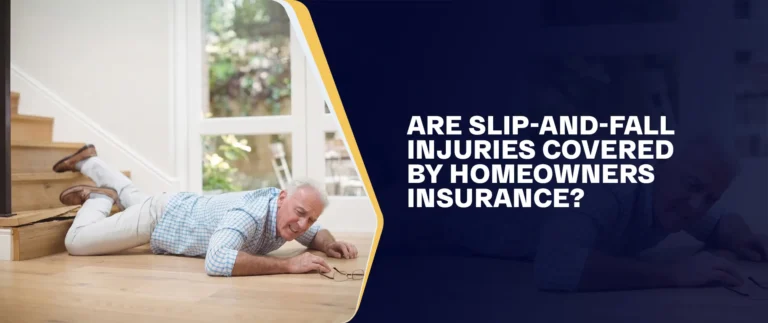
Poor lighting can make a property unsafe by hiding dangers that visitors should be able to see. A person may miss a step, slip on a spill, trip over broken pavement, or fall because shadows hide the hazard.
California premises liability law requires property owners, occupiers, and managers to use reasonable care to keep their property safe. This duty may include fixing dangerous lighting problems, inspecting the property, replacing burned-out bulbs, warning visitors about hazards, or blocking off unsafe areas until repairs are made.
Poor lighting often matters because it makes other hazards harder to see. For example:
- A liquid spill on a polished floor may disappear in dim light.
- Uneven pavement may be hard to judge at night.
- A frayed entrance mat may blend into the floor.
- Shadows may hide a missing step edge.
- A pothole in a parking lot may be difficult to see after dark.
Property owners are not automatically liable for every fall in a dark area. However, they may be responsible if poor lighting made the property unsafe and they failed to act reasonably.
Common areas where lighting failures cause falls include:
- Stairways & Stairwells: Shadows can hide step edges. Burned-out or mismatched bulbs can make it hard to judge step height and depth.
- Parking Lots & Garages: Dark areas can hide potholes, oil patches, broken concrete, wheel stops, and uneven pavement.
- Building Entrances & Exits: Wet tile, polished floors, loose mats, and threshold changes can be harder to see in poor lighting.
- Walkways & Corridors: Burned-out, blocked, or poorly placed lights can hide changes in floor level.
- Apartment Common Areas: Landlords may be responsible for unsafe lighting in shared areas such as hallways, stairwells, parking areas, and laundry rooms.
Installing lights is only part of the owner’s responsibility. Property owners may also need to inspect the lights, replace failed bulbs, repair broken fixtures, and respond to complaints. An injury lawyer can review whether the owner had notice of the lighting problem before the fall.
What You Need To Prove in a Premises Liability Case Involving Poor Lighting
To prove a premises liability lawsuit involving poor lighting, you need evidence that the lighting problem made the property unsafe and helped cause your fall. Poor lighting alone is usually not enough. You must connect the dark or dim area to a specific hazard, such as a spill, uneven pavement, a broken step, a pothole, a loose mat, or an unsafe walkway.
Most poor-lighting premises liability lawsuits require proof of these elements:
- Duty: The property owner, occupier, landlord, business, or manager has a legal duty to use reasonable care to keep the property safe.
- Breach: The owner failed to fix the poor lighting, inspect the area, warn visitors, or correct the hidden hazard.
- Causation: The poor lighting made the hazard harder to see and helped cause your fall.
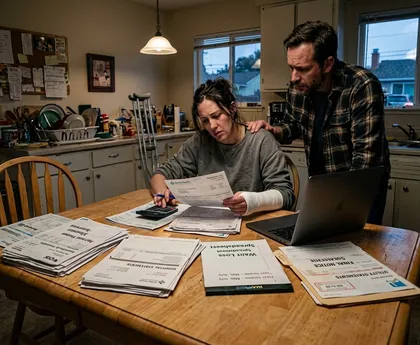
- Damages: The fall caused injuries, medical bills, lost income, pain, or other losses.
Property owners often ask whether they are liable if someone is injured while working on their property, especially when maintenance issues like lighting are involved. Liability depends on control of the property and whether reasonable safety steps were taken.
You also need proof that the owner knew or should have known about the lighting problem. This issue is called notice, and it is often one of the most disputed parts of a premises liability case.
- Actual Notice: The owner, manager, employee, landlord, or maintenance team knew about the lighting problem. For example, someone may have reported a burned-out light or submitted a repair request.
- Constructive Notice: The lighting problem existed long enough that a reasonable inspection should have found it. For example, maintenance logs, prior complaints, employee reports, or surveillance footage may show that the area had been dark for days.
Strong evidence can include photos of the dark area, videos, witness statements, inspection records, repair logs, incident reports, and medical records. Slip-and-fall lawyers use these details to show that the lighting issue was not just present, but that it made the property unsafe, contributed to your fall, and supports the lawsuit.
Does California Law Require Specific Lighting?
California building codes and workplace safety regulations include occupancy-specific lighting requirements, such as Cal/OSHA and Title 24 rules that set minimum illumination levels for certain work areas and public spaces. These standards apply to areas such as stairways, exits, walkways, and certain work environments, with requirements varying by specific code or occupancy. Property owners may face negligence liability if the violation contributed to the injury, and whether the owner acted unreasonably under the circumstances.
A recent study in long-term care settings has found that lower lighting levels are associated with increased fall risk among older adults, although specific outcomes vary by study design and facility conditions.
| Study Finding | Result |
|---|---|
| Participants | 126 adults age 65 and older. |
| Total Falls Recorded | 823 falls. |
| Participants Who Fell | 89 (70.6%) |
| Bedrooms With Inadequate Lighting | 57.7%. |
| Bathrooms With Inadequate Lighting | 68.5%. |
| Key Finding: Lower bedroom lighting was associated with a higher risk of falls. | |
The study took place outside California. However, poor lighting affects visibility equally regardless of location. Dim lighting makes it harder to see spills, uneven surfaces, and other hazards. Combined with a property owner’s general duty of care, these standards are why businesses are expected to maintain adequate lighting in areas open to the public.
Critical Evidence To Gather After A Fall In The Dark
Lighting conditions change fast, often within hours. Your most urgent step is to photograph the scene, request surveillance footage, and gather maintenance records before anyone makes repairs. Once someone replaces the bulb or installs a new fixture, the original conditions disappear. Your opportunity to document them closes.
You can gather the following evidence to support your case:
- Photos & Videos of the Scene: Take these as soon as you are safe to do so, ideally before leaving the property. Capture bulbs, fixtures, shadows, and the full extent of the dark area.
- Surveillance Footage: Request footage from the owner or manager immediately. It shows how long the area remained dark before your fall, which helps demonstrate that the owner should have known the hazard but failed to fix it.
- Maintenance & Inspection Records: Request logs showing when the lighting was last inspected. Gaps in those records may point to a pattern of neglect.
- Witness Statements: Anyone who saw the area before or after your fall can describe how long the hazard was there.
Medical records are important as well. Chiropractic treatment records, therapy notes, and other medical documents help link your injuries to the fall. They record your symptoms, treatment, and recovery over time.
Some victims ask, “What if the property owner fixes the lighting hazard after my fall?” Under California Evidence Code §1151, repairs made after an accident are generally not admissible to prove negligence, although they may be used for other limited purposes such as showing who controlled the area. Since you can’t use the repair to show fault, the pictures you take before the accident can be your best proof.
You may already be thinking, “I need a personal injury lawyer.” Poor-lighting cases often depend on evidence that disappears quickly. A premises liability attorney can help preserve evidence, obtain records, and investigate whether the property owner violated California safety requirements.
California Deadlines For Lighting-related Fall Claims
California law sets strict deadlines for taking action after a fall caused by poor lighting. You generally have two years from the date of your injury to file a lawsuit against a private owner. If the fall happened on a public sidewalk or in a government-owned building, you must file a government tort claim within six months.
You must file that claim with the agency before you can sue. Limited exceptions exist. For example, an injured minor generally still must meet the six-month government-claim deadline but may be able to apply for permission to file a late claim, usually within one year of the injury.
If you are unsure which deadline applies to your case, a lawyer can help. They can review the facts and help you understand the timeframe for your legal options.
Frequently Asked Questions
Poor lighting can hide hazards and make a property unsafe. Many injured victims have questions about liability, medical treatment, and their legal rights. The answers below address common concerns that arise after a fall in a poorly lit area.
Can I Sue My Landlord For A Slip-And-Fall Due To Dark Stairwells?
Yes, you can. California law requires landlords to maintain common areas in a safe and habitable condition, including maintaining lighting in shared spaces in a reasonable condition. If your landlord knew about a broken or missing light and did not fix it, you may have a valid premises liability claim against them.
Are Grocery Stores Liable If An Aisle Is Too Dark?
Most likely, yes. Grocery stores must keep their premises safe, including ensuring that aisles are well-lit. If poor lighting contributed to your fall, the store may be liable for failing to meet that duty.
Can I Still Sue If The Property Owner Put Up A Warning Sign?
Yes, in some situations. A warning sign does not automatically eliminate liability. Courts consider whether the sign adequately warned of the hazard and whether the owner still had a duty to address the problem.
Many people seek free advice from a premises liability lawyer when they are unsure how a warning sign affects their claim. An attorney can review the circumstances and explain whether the property owner took reasonable steps to protect visitors.
Do I Need To Go To The Hospital If I Feel Fine After Falling?
Yes, getting evaluated promptly matters even when you feel fine. Adrenaline released during a fall can mask pain, meaning some injuries may not be immediately noticeable. An injury that seems minor may be more serious than it appears. Prompt medical care also creates a dated record linking your injuries to the fall, which can matter if you later decide to pursue a claim.
How Much Does It Cost To Hire An Attorney For A Fall Case?
The cost depends on the attorney’s fee agreement and the complexity of the case. Most California slip-and-fall attorneys work on a contingency fee basis.
Many people ask, “Do lawyers only get paid if they win?” If they work on a contingency fee basis, then the answer is yes. You pay no upfront attorney fees. The attorney receives a percentage of the recovery only if the case succeeds.
Get Legal Guidance After A Fall Caused By Poor Lighting
A fall caused by poor lighting can lead to serious injuries, medical expenses, and lost income. Determining who is responsible often requires evidence that can disappear quickly.
Arash Law handles premises liability and slip-and-fall claims throughout California. Our attorneys at AK Law investigate lighting conditions, obtain surveillance footage, and review maintenance records. We work to preserve evidence before repairs change the scene.
Property owners frequently replace bulbs and repair fixtures soon after an incident. Those changes can make it harder to prove what caused the fall. Early action helps protect important evidence and strengthens your claim.
Call (888) 488-1391 for a free case review. We will assess your situation and explain your legal options.