TL;DR: A California injury lawyer can help with your crash claim while the dealer’s registration transfer is pending. Purchase and insurance records can help resolve vehicle damage disputes, while crash and medical evidence support your injury claim.
Yes, an injury lawyer can review your California crash claim before the dealer completes the registration transfer. An unfinished transfer does not automatically prevent you from pursuing compensation for injuries caused by another driver’s negligence.
The missing registration may complicate payment for your damaged car. Your purchase contract, delivery records, and Department of Motor Vehicles (DMV) paperwork can help establish your interest in the vehicle.
Your lawyer can investigate fault, document your losses, and address an insurer’s objections while the registration issue remains unresolved.
Key Facts About a California Crash Before Registration Transfer
- The DMV filing date can differ from the registration date. Vehicle Code § 4456 generally gives dealers 20 days from the sale to file for new vehicles and 30 days for used vehicles.
- A report of sale identifies the vehicle and its buyer. California DMV procedures require dealers to complete a report of sale for retail sales of used cars. Match the vehicle identification number (VIN) to your signed contract.
- Insurers must put certain third-party claim disputes in writing. California regulations cover claim rejections and disputes over fault or damages.
- Your existing insurer may automatically cover a recently purchased car. The California Department of Insurance says the policy’s terms control. Some policies give you 14 days or less to notify the insurer.
- An injury claim needs evidence that negligence caused your injuries. California Civil Jury Instruction No. 400 requires proof that negligence was a substantial factor in causing the harm.
Table of Contents

The Dealer Never Registered My Recently Purchased Car in My Name. What Should an Injury Lawyer Review After a Crash?
An injury lawyer should review records establishing your purchase, insurance coverage, and the circumstances of the collision.
Start with these records:
- Purchase and Delivery: Sales contract, payment receipt, financing agreement, and delivery confirmation.
- Registration and Title: Report of sale, temporary registration, title paperwork, and DMV notices.
- Insurance Records: Policies, coverage confirmations, claim letters, and settlement offers.
- Crash and Injury Records: Collision report, photographs, medical records, and proof of lost income.
Match the VIN across your contract, insurance records, and collision report. Your lawyer can investigate discrepancies in ownership details, plate numbers, or dates and determine whether they affect your claim.
California car accident lawyers can also review whether the insurance dispute concerns ownership, fault, coverage, or the vehicle’s value.
Steps to Take After a Crash While Your Car’s Registration Is Still Pending
Get medical attention, report the collision, and preserve the records you have. These steps should not wait for the dealer to complete the transfer.
If you have just been involved in a crash:
- Get to Safety: Move away from traffic if you can do so safely. Call 911 for injuries, serious hazards, or emergency assistance.
- Seek Medical Care: Have a medical professional evaluate your injuries. Follow treatment instructions and report new symptoms.
- Exchange Information: Collect the other driver’s contact, license, vehicle, and insurance details when possible.
- Document the Collision: Photograph vehicle damage, temporary plates, road conditions, and visible injuries when it is safe.
- Notify Your Insurer: Report the crash promptly and explain that you recently purchased the car.
- Preserve Your Documents: Keep your sales contract, temporary registration, insurance confirmations, and communications with the dealer.
If officers responded, record the report number and responding agency so you can request a copy.
If your car was towed, save the towing company’s name, the storage location, and any receipts. Ask about preserving the vehicle for inspection before repairs or disposal.
Save dashboard camera recordings and promptly request nearby surveillance footage, as recordings may be overwritten.
Car Purchase and Crash Document Tracker
Use this tracker to record important dates and identify missing documents. Mark dates you cannot confirm as “unknown” and request the relevant records from the dealer or insurer.
| Event | Date | Documents to Save | What They Help Establish |
|---|---|---|---|
| Car Purchase | Signed contract, payment receipt, financing agreement. | When you bought the car and the terms of purchase. | |
| Vehicle Delivery | Delivery receipt, pickup message. | When you received the car. | |
| Report of Sale | Report of sale, temporary registration, plate photo. | Buyer details, VIN, and initial registration paperwork. | |
| DMV Filing or Correction | Filing receipt, DMV notices, dealer correspondence. | Whether an application was submitted or returned. | |
| Insurance Effective Date | Policy, declarations page, coverage confirmation. | Coverage potentially in effect on the crash date. | |
| Insurance Notification | Agent emails, messages, call records. | When you reported the purchase. | |
| Crash Date | Crash report, photographs, witness contacts. | What happened and which vehicle was involved. | |
| First Medical Visit | Medical records, bills, work restrictions. | When treatment began and the related losses. | |
| Insurer Response | Claim letters, estimates, offers, releases. | The insurer’s position and proposed payment. |
If the records don’t match, ask how your lawyer will investigate the car accident and confirm the vehicle’s identity.
Download the printable PDF tracker to organize important dates and documents related to your car purchase, accident, and insurance claim.
Check the Status of Your Car’s Registration Transfer
Ask the dealer for the application date, report of sale, filing receipt, and any DMV notices requesting corrections. If the dealer cannot confirm filing, request a written update.
California law allows dealers additional time for certain corrections when the DMV returns an application.
The DMV’s guide to registering a vehicle purchased from a dealer explains which documents may be required. Used vehicle transactions typically involve title documents and the required signatures.
What If the DMV Still Lists Someone Else as the Owner?
A DMV record showing someone else’s name does not automatically mean you have no ownership interest. California Vehicle Code § 5600 sets rules for transferring ownership of previously registered cars. Your lawyer can review the title, purchase contract, and DMV records to determine which steps have been completed.
If the dealer changes your financing terms or asks you to sign another agreement, keep both versions. The DMV’s online vehicle record service only provides your own vehicle record. Ask the dealer or lender for records you cannot access.
The ownership issue can be reviewed separately from the evidence establishing fault and injury-related losses.
When the Other Driver’s Insurer Disputes Your Vehicle Damage Claim
Ask the insurer to explain its position in writing. The response should help identify whether the dispute concerns ownership, fault, coverage, or the amount payable.
Under 10 CCR § 2695.7, insurers must put third-party claim rejections and disputes over fault or damages in writing.
When the Insurer Questions Your Interest in the Car
Your lawyer can use purchase, title, and financing documents to address questions about your right to payment.
If you financed the purchase, the lender may also have an interest in the vehicle damage payment. A payoff statement can establish how much you still owe.
When the Insurer Disputes Repair Costs or Total-Loss Value
Keep repair estimates, photographs, valuation reports, and records showing your car’s condition before the crash. Your lawyer can also review other property damage in an accident, including qualifying towing, storage, and loss-of-use expenses.
If your car is totaled, the insurance payment may be less than what you still owe. Guaranteed Asset Protection (GAP) coverage may help pay the difference if you purchased it and the loss qualifies.
Records Your Lawyer Needs for Your Injury Claim
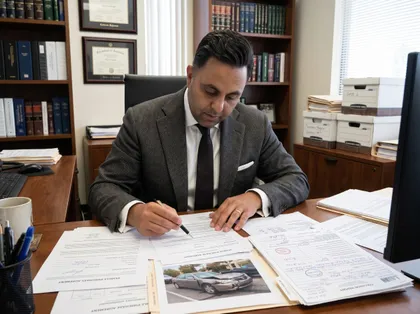
Crash reports, photographs, and witness statements can help establish fault. Medical records, bills, and employment documents support the nature of your injuries and related financial losses.
Depending on your injuries, you may seek compensation for medical bills, lost wages, future treatment, and pain and suffering. Your claim may also include lost earning capacity if your injuries affect your ability to work.
Health insurance or Medical Payments (MedPay) coverage may help with treatment costs while your claim remains open. Keep records of these payments for your lawyer to review.
If the insurer offers to pay for your car, ask your lawyer to review the proposed release before you sign it. Some agreements may also affect your injury claim.
Ask About Your Injury and Vehicle Damage Claims
A registration delay can complicate an insurance claim. Arash Law can review your records and help you understand your options for recovering injury-related losses and vehicle damage.
Call Arash Law at (888) 488-1391 for a free initial consultation. Discuss your injuries, the dealer’s paperwork, and any insurer response you have received.
Your Own Insurance May Cover the Car Before Registration Is Complete
Your existing auto policy may cover a newly purchased vehicle before the DMV updates its records. However, coverage depends on the policy terms and when you notified the insurer.
The California Department of Insurance’s guidance on newly acquired vehicles explains that notification periods vary. Some policies allow 14 days or less.
Ask your insurer which coverages applied on the crash date:
- Collision Coverage: May pay for damage to your car, subject to policy terms and deductibles.
- Medical Payments Coverage: May help pay medical bills regardless of fault.
- Uninsured Motorist Coverage: May help with injuries caused by a driver with no qualifying liability coverage.
- Underinsured Motorist Coverage: May apply when the responsible driver’s liability limits are too low to cover qualifying injuries.
If your insurer denies coverage, ask which policy provision supports its decision. Save the denial letter and proof of when you reported the purchase.
What If the Car Was Uninsured at the Time of the Crash?
California Civil Code § 3333.4 may limit the amount of pain and suffering damages available to certain uninsured vehicle owners and drivers. An exception may apply if the motorist who caused the injuries was driving under the influence and was convicted of that offense.
However, an incomplete registration transfer does not automatically mean the car was uninsured. Your lawyer can review the policy and purchase records to determine whether coverage applied on the date of the crash.
Deadlines That Still Apply While the Transfer Is Pending
A pending registration transfer generally does not extend your filing deadlines. Keep track of these California deadlines while you resolve the paperwork:
- Personal Injury Lawsuits: You generally have two years from the injury date to file a lawsuit under Code of Civil Procedure § 335.1.
- Property Damage Lawsuits: You generally have three years from the date of the damage to file a lawsuit under Code of Civil Procedure § 338(c).
- Law Enforcement Reports: After an injury or fatal crash, drivers generally must complete or arrange a written report with the police or the California Highway Patrol within 24 hours.
- DMV Reports: You or your representative must submit Form SR-1 to the DMV within 10 days of a reportable crash. This includes crashes that result in injuries, deaths, or damage to any one person’s property exceeding $1,000. A police report does not replace the form.
- Government Claims: If a public agency may be responsible, you generally have six months to submit a claim. The agency usually has 45 days to act. If it sends the required written rejection notice, you generally have six months from the notice date to sue.
- Uninsured Motorist Claims: Within two years of the crash, you generally must sue the uninsured driver, agree with your insurer on the amount due, or formally start arbitration. To start arbitration, you must send written notice by certified mail, return receipt requested.
Missing a lawsuit or government claim deadline may bar the claim entirely. Missing a required crash report can create administrative problems, while delays in preserving evidence may weaken your case.
Exceptions may apply, so have your lawyer review the applicable deadlines, including those for any separate dispute over the vehicle purchase.
Frequently Asked Questions About Crashes Before Registration Transfers
What If My Registration Arrived After the Crash?
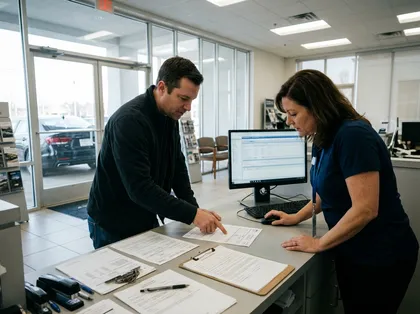
Keep the registration and any dated DMV notices or dealer receipts. Your lawyer can compare those records with the crash date to determine which documents were in place at the time of the collision.
Can I Get My Car Repaired Before the Registration Transfer Is Complete?
Yes, but the repair shop or insurer may need proof of your interest in the car. Before authorizing repairs, ask whether the insurer needs to inspect the damage. Keep photos, repair estimates, and receipts to support your vehicle damage claim.
What if I Cannot Find My Purchase Agreement?
Ask the dealership for a copy. You can also collect payment receipts, financing records, emails, and delivery confirmations. These records may help establish the transaction while you obtain the missing agreement.
Can the Lender Be Named on My Vehicle Damage Check?
Yes. An insurer may include a lienholder on a vehicle damage payment when the lender has a financial interest in the car. Review the loan agreement and payment instructions before using the funds.
Can I Settle the Vehicle Damage Claim While My Injury Claim Is Open?
Yes, if the settlement agreement resolves only the vehicle damage claim. Review the release before signing because broad terms may also affect your right to seek compensation for injuries.
Can I Report a Registration Problem to the California DMV?
Yes. You can submit a dealer complaint through the DMV if you suspect a violation of its rules.
The DMV may investigate registration-related violations, but it cannot recover money for you. A separate legal claim may be necessary if the dealer’s conduct caused financial losses.
Talk With Arash Law About a Crash Before Registration Is Complete
If you were in a car accident before your registration transfer was completed, Arash Law can review your purchase records and assist with your insurance dispute. An attorney can explain your options for pursuing compensation.
Call (888) 488-1391 for a free initial consultation. You can discuss your situation even if you do not have all the documents.
Sources
- California Vehicle Code § 4456 — Dealer filings, temporary plates, and corrected applications. https://leginfo.legislature.ca.gov/faces/codes_displaySection.xhtml?lawCode=VEH§ionNum=4456.
- California DMV — Documents used to register a dealer purchase. https://www.dmv.ca.gov/portal/vehicle-registration/new-registration/registering-a-vehicle-purchased-from-a-dealer/
- California DMV — Report of sale for used vehicles. https://www.dmv.ca.gov/portal/handbook/vehicle-industry-registration-procedures-manual-2/report-of-sale-used-vehicles/general-information/
- 10 CCR § 2695.7 — Insurer duties when disputing or rejecting a claim. https://www.law.cornell.edu/regulations/california/10-CCR-2695.7
- Judicial Council of California — Civil Jury Instruction No. 400 on negligence and causation. https://courts.ca.gov/system/files/file/judicial_council_of_california_civil_jury_instructions_2026.pdf
- California Department of Insurance — Newly acquired vehicles and claim payments involving lenders. https://www.insurance.ca.gov/01-consumers/105-type/95-guides/01-auto/hadaccident.cfm
- California DMV — Dealer complaint instructions. https://www.dmv.ca.gov/portal/file/problems-with-a-vehicle-purchase-can-dmv-help-me-inv-172-pdf/
- California DMV — Vehicle record requests. https://www.dmv.ca.gov/portal/customer-service/records-request/online-vehicle-record-request/
- California DMV — SR-1 crash reporting rules. https://www.dmv.ca.gov/portal/dmv-virtual-office/accident-reporting/
- California Department of Insurance — Auto coverage, including uninsured and underinsured motorist coverage. https://www.insurance.ca.gov/01-consumers/105-type/95-guides/01-auto/auto101.cfm
- California Vehicle Code § 5600 — When a vehicle title transfer becomes effective. https://leginfo.legislature.ca.gov/faces/codes_displaySection.xhtml?lawCode=VEH§ionNum=5600.
- California Civil Code § 3333.4 — Limits on certain damages when required auto coverage is absent. https://leginfo.legislature.ca.gov/faces/codes_displaySection.xhtml?lawCode=CIV§ionNum=3333.4.
- California Courts — Lawsuit deadlines for injury and property damage. https://selfhelp.courts.ca.gov/civil-lawsuit/statute-limitations
- California Vehicle Code § 20008 — Written law enforcement reports within 24 hours after injury or fatal crashes. https://leginfo.legislature.ca.gov/faces/codes_displaySection.xhtml?lawCode=VEH§ionNum=20008.
- California Government Code § 911.2 — Six-month deadline for presenting certain claims against public entities. https://leginfo.legislature.ca.gov/faces/codes_displaySection.xhtml?lawCode=GOV§ionNum=911.2.
- California Government Code § 912.4 — Public agency’s 45-day period to act on a claim. https://leginfo.legislature.ca.gov/faces/codes_displaySection.xhtml?lawCode=GOV§ionNum=912.4.
- California Government Code § 945.6 — Deadlines for filing lawsuits after government claims rejection. https://leginfo.legislature.ca.gov/faces/codes_displaySection.xhtml?lawCode=GOV§ionNum=945.6.
- California Insurance Code § 11580.2 — Uninsured and underinsured motorist coverage and claim requirements. https://leginfo.legislature.ca.gov/faces/codes_displaySection.xhtml?lawCode=INS§ionNum=11580.2.
Disclaimer
This article provides general educational information. Reading it does not create an attorney-client relationship. Past results do not guarantee a similar outcome. Consult a licensed California attorney for advice about your circumstances. Arash Law — (888) 488-1391.