TL;DR: You can usually respond to a restitution letter with help from a victim advocate. An injury lawyer can help if you’re still in treatment, have unpaid losses, or need to know what an insurance settlement covers. Restitution addresses losses caused by the crime. A private lawyer can assess a separate civil claim, including possible pain-and-suffering damages and filing deadlines.
If you receive a restitution letter after the driver who caused your accident was convicted, it means the criminal court is dealing with the money you lost because of the accident. Restitution may cover medical bills, lost wages, and property damage. A victim advocate can help you understand the letter, submit your expenses, and request payment.
You may still need a personal injury lawyer because restitution may not cover all your losses. A lawyer can help you find out whether you can seek additional compensation for pain and suffering, unpaid medical bills, or other losses. They can also review insurance coverage, settlement offers, and deadlines for filing a separate injury claim.
The driver’s conviction does not automatically mean you will receive compensation through a civil injury claim. However, a felony conviction may help prove certain facts about the accident. You can also file a personal injury claim even if the driver was never convicted of a crime.
Key Facts About Restitution After a California Car Crash
- Restitution covers financial losses caused by the crime. California courts generally require convicted drivers to repay victims for losses such as medical bills, lost wages, and property damage (California Penal Code § 1202.4(f)).
- The court can decide the restitution amount later. If your losses are not fully known at the time the driver is sentenced, the court can set the amount afterward. You may also have a separate personal injury claim while restitution is pending (California Penal Code §§ 1202.4(f) and 1202.46).
- A civil injury claim may cover additional losses. Restitution generally does not pay for pain and suffering after a crash. A personal injury claim may allow you to seek compensation for physical pain, emotional distress, and other losses.
- You cannot receive payment twice for the same loss. Restitution payments may reduce what the driver owes under a civil judgment if both cover the same expenses (California Penal Code § 1202.4(j)).
- Civil injury claims have separate filing deadlines. California generally gives you two years to file a personal injury lawsuit. Special rules may apply when the driver was convicted of a felony, so waiting for restitution could put your civil claim at risk (California Code of Civil Procedure §§ 335.1 and 340.3).
Table of Contents

What Should You Do After Receiving a Restitution Letter?
A restitution letter may ask you to document your losses, attend a hearing, or review an amount the judge has ordered. Follow these steps to understand what the letter requires and protect your restitution rights.
- Find your criminal case number. Look for the case number on the letter. You may need it when contacting the court, prosecutor, or victim advocate about your restitution request.
- Check for deadlines and hearing dates. Read the letter to see whether you need to submit documents, respond to a request, or attend a restitution hearing. Note any deadlines so you can act on time.
- Review the restitution amount and status. Check whether the judge has already ordered a specific amount. If the letter says “reserved” or “to be determined,” ask the sender how to submit your losses and when the court may set the amount.
- Gather documents showing your losses. Collect itemized medical bills, receipts, wage records, and repair estimates or invoices. Submit the requested records according to the letter’s instructions and keep copies.
- Request a copy of the restitution order. If the court has already issued an order, ask the court clerk or victim advocate how to obtain a certified copy. Confirm the amount owed and which agency tracks payments.
- Confirm whether the letter concerns victim restitution or a restitution fine. A victim restitution order identifies the amount the defendant must pay you for covered losses. A separate restitution fine generally goes to the state’s Restitution Fund (California Penal Code § 1202.4(b), (e), and (f)).
- Consult a personal injury lawyer about your remaining losses. A restitution letter does not necessarily mean you have received all the compensation you may be entitled to. An injury lawyer can review your unpaid expenses, insurance coverage, and possible civil claims. They can also explain your filing deadlines and whether you may seek additional compensation for pain and suffering.
Who Can Help You With Restitution and a Civil Injury Claim?
Different offices handle criminal proceedings, restitution, and civil injury claims. Start with the contact listed in your restitution letter if you have questions about submitting records or attending a hearing.
The table below outlines each party’s role and what you can ask them:
| Who Can Help | What They Do | What You Can Ask |
|---|---|---|
| District Attorney’s Office | Handles the criminal case and presents restitution requests to the judge. | Has the court set the amount? Is another hearing needed? |
| Victim Advocate | Helps you understand notices, submit records, and request restitution. | Where do I submit my records? |
| Criminal Court and Clerk | The judge sets restitution. The clerk provides copies of court orders. | Can I get a certified copy of the order? |
| Restitution Collection Agency | Collects or tracks restitution payments. | Who handles my payments? How do I check the balance? |
| Insurance Adjuster | Reviews insurance claims and makes settlement offers. | What does the offer cover? Must I sign a release? |
| Civil Injury Lawyer | Reviews civil claims, additional damages, insurance, and filing deadlines. | Can I seek more compensation? Does the lawyer also handle restitution? |
Legal Basis: California Constitution, Article I, § 28(b); California Penal Code §§ 1202.4 and 1214.
What Is the Difference Between Restitution and a Civil Injury Claim?
Criminal restitution and civil injury claims may cover different losses after a crash. Restitution generally addresses economic losses caused by the crime, while a civil claim may include additional damages supported by the evidence.
| Type of Loss | Criminal Restitution | Civil Injury Claim |
|---|---|---|
| Medical Expenses | May cover medical bills caused by the crime. | May cover past and future medical expenses related to the injury. |
| Lost Income | May cover wages lost because of the crime. | May cover lost wages and reduced ability to earn money in the future. |
| Property Damage | May cover vehicle repairs or replacement costs. | May cover vehicle damage and other property losses. |
| Emotional and Mental Harm | May cover counseling costs related to the crime. | May cover counseling costs, emotional distress, and pain and suffering. |
Legal Basis: California Penal Code § 1202.4(f); Judicial Council of California Civil Jury Instructions (CACI) Nos. 3903A, 3903C, 3903D, and 3905A.
The main difference is that criminal restitution generally repays financial losses caused by the crime. A civil injury claim may also provide compensation for pain, suffering, and other losses that restitution does not cover.
For example, if an impaired driver was convicted and you still have trouble sleeping or performing daily activities because of your injuries, those effects may matter in a civil injury claim even after restitution pays your documented bills.
If your treatment is ongoing, provide the victim advocate or prosecutor with updated documentation and ask how to submit any later expenses. A restitution order does not necessarily establish the full amount recoverable in a separate personal injury lawsuit. Car accident lawyers can assess whether you may pursue additional damages through a civil claim.
You can discuss your remaining losses with Arash Law. If restitution does not cover all your crash-related losses, call (888) 488-1391 for a free initial consultation. An injury lawyer can review your insurance coverage, treatment costs, and potential civil claim.
Can You Receive Restitution and an Insurance Settlement for the Same Crash?

You can pursue both an insurance settlement and criminal restitution for the same crash, but you generally cannot collect twice for the same loss. Payments made by the driver’s liability insurer may reduce the restitution balance if they cover the same economic losses.
For example, an insurance payment for a repair invoice included in the restitution order may count toward that obligation. The allocation matters when a settlement covers several types of losses (People v. Bernal (2002) 101 Cal. App. 4th 155, 167-168).
Payments from your own insurer generally do not reduce the amount the criminal court orders the driver to pay. Your insurer may have a separate right to seek reimbursement, depending on the payment and coverage in place.
Keep a record of who paid, how much they paid, and which bill or loss the payment covered. Save any settlement agreement or release with that record. A civil injury lawyer can review these documents to determine what has already been paid, whether you can seek additional damages, and how a settlement may affect your injury claim.
Can Your Civil Filing Deadline Pass While Restitution Is Pending?
Yes. A restitution letter, hearing, or payment schedule generally does not pause the deadline for a California personal injury lawsuit.
For a claim against a private party, the usual deadline is two years from the injury (CCP § 335.1). Claims for property damage generally have a three-year deadline (CCP § 338). If a public entity may be responsible, you generally have six months to present an injury claim to that entity (California Government Code § 911.2).
A separate rule generally allows a one-year period after the criminal court pronounces judgment to sue the convicted defendant for damages arising from the felony, unless a longer filing period applies. Certain qualifying felony offenses are subject to additional rules. This provision does not apply merely because a driver was convicted of a misdemeanor, nor does it automatically extend the deadline for claims against other potentially responsible parties (CCP § 340.3).
These separate deadlines are important when deciding whether to wait until the driver’s criminal case is resolved before consulting a personal injury lawyer. An injury attorney can assess the filing deadline for each potential defendant. They can also review insurance requirements and determine whether you need to file a civil lawsuit while restitution is pending.
Missing a civil filing deadline or a government claim deadline may bar the affected claim entirely. Separately, delaying the collection of medical records, photographs, witness statements, or video footage can make your case harder to prove, even when the legal filing deadline has not passed.
Frequently Asked Questions About California Restitution After a Car Crash
What Happens if the Driver Disputes the Restitution Amount?
The driver can request a hearing, and the judge decides which losses to include and how much to order. You may be asked to provide additional records or testify. Ask the victim advocate or prosecutor what evidence the court needs and whether you should attend (California Penal Code § 1202.4(f)(1)).
What if the Driver Cannot Pay the Restitution Order?
The driver’s inability to pay does not reduce the amount the judge must order, but it can affect when and how much you collect. Ask the agency handling collections for a payment history and current balance. You may also enforce a restitution order as a civil judgment (California Penal Code §§ 1202.4(g), 1202.4(i), and 1214).
An injury lawyer can separately assess whether you have a civil claim and whether insurance or other responsible parties may provide additional sources of recovery.
Can I Still Receive Restitution if I Already Signed an Insurance Release?
Yes. A civil settlement release does not remove the criminal court’s authority to order restitution to the victim. However, the release may limit your remaining civil claims, and payments covering the same losses may reduce the restitution balance (People v. Bernal (2002) 101 Cal. App.4th 155, 162, 167-168).
If you have already signed a release, an injury lawyer can review its terms to assess which civil claims, if any, remain available. An injury lawyer can review a settlement release before you accept an offer and assess how its terms may affect your remaining civil claims.
Can the California Victim Compensation Board Help While I Wait for Payment?
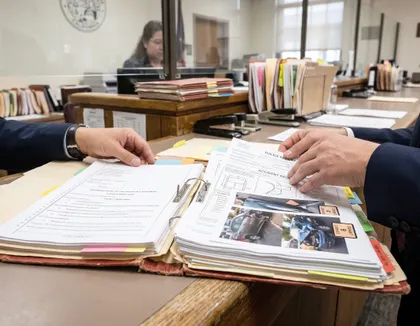
The California Victim Compensation Board (CalVCB) may help eligible crime victims with certain unpaid expenses, including medical care and counseling. Eligibility depends on the crime, the expenses, and other available payment sources.
CalVCB is a payer of last resort, so insurance payments, restitution, and civil settlements may affect the benefits available to you. If CalVCB pays an expense that another source later covers, you may need to reimburse the program. A victim advocate can help you check eligibility and apply.
Discuss Your Restitution Letter With Our Car Accident Lawyers
Receiving a restitution letter after the driver’s conviction does not necessarily mean your injury claim is resolved. Arash Law can assess whether you may still pursue a separate civil claim, recover additional damages, or address unresolved insurance matters.
Bring your restitution letter, criminal case number, any restitution order or payment records, and insurance documents. Call our California car accident lawyers at (888) 488-1391 to request a free case evaluation and find out whether a lawyer can help with your remaining losses.
Sources
- California Legislature. California Penal Code § 1202.4, direct victim restitution, restitution fines, and payment credits. https://leginfo.legislature.ca.gov/faces/codes_displaySection.xhtml?sectionNum=1202.4&lawCode=PEN
- California Legislature. California Penal Code § 1202.46, determining restitution amounts after sentencing. https://leginfo.legislature.ca.gov/faces/codes_displaySection.xhtml?sectionNum=1202.46&lawCode=PEN
- California Legislature. California Penal Code § 1214, enforcement of restitution orders as civil judgments. https://leginfo.legislature.ca.gov/faces/codes_displaySection.xhtml?sectionNum=1214&lawCode=PEN
- California Legislature. California Code of Civil Procedure § 335.1, two-year personal injury filing deadline. https://leginfo.legislature.ca.gov/faces/codes_displaySection.xhtml?sectionNum=335.1&lawCode=CCP
- California Legislature. California Code of Civil Procedure § 338, three-year property damage filing deadline. https://leginfo.legislature.ca.gov/faces/codes_displaySection.xhtml?sectionNum=338&lawCode=CCP
- California Legislature. California Code of Civil Procedure § 340.3, filing deadlines for civil claims arising from qualifying felony convictions. https://leginfo.legislature.ca.gov/faces/codes_displaySection.xhtml?sectionNum=340.3&lawCode=CCP
- California Legislature. California Government Code § 911.2, deadlines for presenting injury claims against public entities. https://leginfo.legislature.ca.gov/faces/codes_displaySection.xhtml?sectionNum=911.2&lawCode=GOV
- California Legislature. California Evidence Code § 1300, admissibility of qualifying final felony judgments as evidence in civil cases. https://leginfo.legislature.ca.gov/faces/codes_displaySection.xhtml?sectionNum=1300&lawCode=EVID
- Judicial Council of California. Civil Jury Instructions, 2026 Edition, CACI Nos. 3903A, 3903C, 3903D, and 3905A, economic and noneconomic damages. https://courts.ca.gov/system/files/file/judicial_council_of_california_civil_jury_instructions_2026.pdf
- California Court of Appeal. People v. Bernal (2002) 101 Cal.App.4th 155, insurance settlement payments, restitution credits, and civil settlement releases. https://victims.ca.gov/uploads/2021/01/AdltRestOrders072005.pdf
- California Victim Compensation Board. Collecting and Requesting Restitution, victim restitution requests, hearings, and collection procedures. https://victims.ca.gov/restitution/collecting-and-requesting-restitution/
- California Victim Compensation Board. What Is Covered, eligible expenses, and payments from other sources. https://victims.ca.gov/for-victims/what-is-covered/
- California Department of Corrections and Rehabilitation. Financial Recovery, collection and distribution of court-ordered restitution. https://www.cdcr.ca.gov/victim-services/financial-recovery/
Disclaimer
This article provides general information about criminal restitution and civil injury claims in California. It is for educational purposes only and does not create an attorney-client relationship. Consult a licensed California attorney about your situation. Arash Law: (888) 488-1391.