TL;DR: If someone rear-ends you, call your own insurance company first to open the auto accident insurance claim and document injuries and damage. Then, file a claim with the rear driver’s insurance company if that driver appears at fault. Late notice can let insurers question fault or deny rental, repairs, or medical payments, leaving drivers responsible for bills and lost wages.
Highlights:
- Get the police report number and share it with your insurer.
- Take photos and videos of vehicles, plates, injuries, and road conditions.
- Exchange names, contact details, driver’s license, registration, and insurance information.
- Get checked by a doctor or chiropractor and document all appointments.
- Report injuries and needed benefits (repairs, rentals, and medical) when you notify your insurer.
- Decline recorded statements with the other insurer and avoid early settlement paperwork.
- File California DMV SR-1 within 10 days if injury or damage exceeds $1,000.
Tip: Keep a simple file with photos, medical notes, receipts, and a symptom log, and when speaking to insurers stick to facts and avoid guessing.
Table of Contents
After a rear-end crash, call your insurance company first, not the at-fault driver’s insurer. Notifying your insurer helps protect your rights and creates an official record connecting your injuries to the accident. Failing to notify your insurer within the required period may give them grounds to deny coverage later on.
You don’t need to call the other driver’s insurance provider. You’re also not obligated to give recorded statements. When they ask you to, you can politely decline.
If you have a lawyer, they can handle communication with insurance companies on your behalf. That way, you don’t feel pressured to settle quickly before you know the full cost of your injuries. They’re also familiar with tactics that insurers may use from the very first call.
Why You Should Call Your Own Insurance First
Calling your insurance provider right after a rear-end crash is the right first step, even when the other driver was at fault. After you report the crash, your insurer will typically assign a claims adjuster to review the accident, inspect your vehicle if needed, and explain what benefits your policy may provide. Starting the claims process early can help avoid unnecessary delays with repairs, rental benefits, and other covered losses.
When you report the crash to your insurer, you create an official record with them that ties your claim to the accident. This early notification matters. If you wait weeks to report, they may question whether the crash really caused your injuries or damage. Without that early record, they have room to dispute the cause of your injuries entirely.
If officers responded to the accident scene, get the police report number. Share this information with your insurance company. The official record identifies what happened, who was involved, and whether officers cited the rear driver. Your insurer uses this report to move your claim forward.
When you report any injuries, tell your insurance company you are seeking medical care. Mention any appointments you have scheduled, including visits to a doctor or chiropractor. Documenting medical care right after the accident supports your insurance claim. It also connects your treatment to the crash.
Calling your own insurance right away gives you three key benefits:
- Rental Car Access: If your car needs repairs, your insurer can initiate the rental so you have a way to get around.
- Property Damage Repairs: If your policy includes collision coverage, your insurer may assign an adjuster to review your vehicle damage and help coordinate repairs.
- Injury Documentation: Reporting your injuries to your insurer right away creates a record that connects your medical treatment to the crash, which protects your claim.
Your insurer may cover some of these first-party benefits, such as vehicle repairs or costs of a rental car, before liability is determined. Your insurer may demand reimbursement from the at-fault driver’s insurance through subrogation. However, this process, which starts with you calling your own insurer, can help you get back on the road sooner while the liability claim moves forward.
Other Steps To Take After A Rear-End Crash
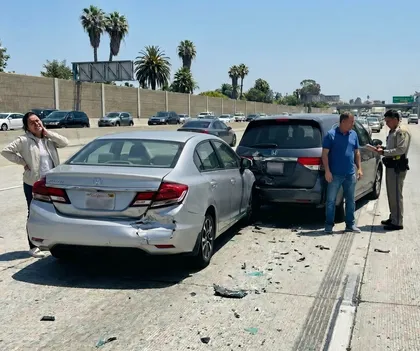
Aside from notifying your insurer, you must seek medical care immediately. Also, report the crash to the authorities. That way, there is an official record of what happened.
Take these steps after a rear-end accident:
- Seek Medical Care: Visit a doctor or urgent care to create a record of your injury. It will link your injury to the accident. Early medical care also helps document invisible injuries that insurers may later question.
- Call the Police: Report the crash to the local police or the California Highway Patrol (CHP). An official report can support your auto accident insurance claim.
- Document the Scene: Take photos and videos of visible injuries, car damage, license plates, road signs, and skid marks.
- Exchange Information: Get the other driver’s full name and contact information. Also, note down the other driver’s license number, vehicle registration, and insurance details.
- Get Witness Information: Ask for the names and contact information of those who witnessed the crash. Their statements can be critical pieces of evidence when an insurer disputes fault.
Should You Speak To The At-fault Driver’s Insurance Company?
You are not obligated to speak to the at-fault driver’s insurer after a rear-end crash. You also don’t have to give them a recorded statement, and it is almost always best to avoid it. Insurance companies are still businesses, and their goal is to pay out as little as possible.
An adjuster may sound friendly and helpful on the phone. However, some adjusters look for information that can reduce your payout. They may ask simple-sounding questions to get you to say something that shifts part of the blame to you.
The adjuster may also call you soon after the crash and offer you a lump-sum settlement to resolve your claim quickly. If you accept and sign, you cannot seek compensation later. This is true even if you later need more treatment. The safest response when an adjuster calls is to confirm that the accident happened. Then share your rear-end accident attorney’s contact information.
How Partial Fault Can Affect Your Insurance Claim
In California, multiple parties can share liability for an accident. The state has a “pure comparative negligence” system. Under this rule, even an injured victim can be partially at fault. In these cases, the victim’s fault reduces the amount they can recover, but it does not bar compensation.
For example, if the court finds you 10% at fault, you can only pursue 90% of your total damages. If the insurer can push your fault share to 30%, they pay less. Sometimes, the at-fault driver’s insurer tries to push that percentage as high as possible.
Rear drivers are usually at fault in these crashes, and their insurer may look for reasons to blame you instead. They may claim you stopped suddenly, had broken brake lights, or made an unsafe lane change just before the crash. Each of these arguments, if accepted, directly reduces your payout under the comparative negligence rule.
Many drivers also worry about whether getting rear-ended affects their insurance rates, even if they weren’t at fault. Understanding how insurers calculate risk can help you prepare for possible premium changes after filing a claim.
Frequently Asked Questions
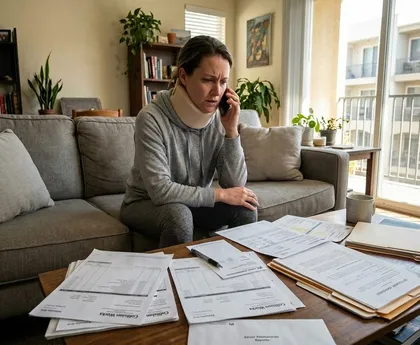
After a rear-end crash, it is normal to have questions about deadlines, reports, and next steps. California legal rules can feel confusing. This is even harder when you face pain, car repairs, and insurance calls.
You might even be searching for free advice from rear-end accident lawyers. The answers below are not legal advice, but they provide guidance to help you get a clearer picture of your situation.
How Long Do I Have To File An Injury Case In California?
You typically have two years from the date of your injury to file a personal injury lawsuit in California. Under California Government Code §911.2, if a government vehicle was involved in the crash, you only have six months from the crash to file an administrative claim. That step is a prerequisite to suing the public entity. Acting quickly matters because you might have shorter deadlines than you realize.
What If The Driver Who Rear-Ended Doesn’t Have Enough Or Has No Insurance?
If the at-fault driver has no insurance or not enough insurance to cover your losses, your own Uninsured Motorist (UM) or Underinsured Motorist (UIM) coverage may help if your policy includes it. UM generally applies when the other driver is uninsured, while UIM may apply when their liability limits are too low. Report the crash to your insurer promptly to help preserve your UM or UIM benefits.
Do I Need To Call The Police If The Rear-End Accident Was Minor?
You are not required to call the police for a minor rear-end accident that doesn’t involve injuries or death. However, a police report creates an official record of what happened. It protects you if the other driver changes their story later. Your insurance company may require a police report to process your claim.
Do I Need To Report A Minor Rear-End Accident To The California DMV?
California law only requires you to file an SR-1 form with the Department of Motor Vehicles (DMV) within 10 days if anyone was hurt or if property damage exceeds $1,000. This rule applies regardless of who was at fault.
What Happens If The At-Fault Driver’s Insurance Denies My Rear-End Claim?
Start by reading the denial letter carefully to understand the reason. You can gather more evidence, such as witness statements or photos, to support your claim. The fastest route would be to use your own collision coverage. However, you can also hire an attorney to file an appeal or push back if the insurer refuses to reconsider.
What If The Driver Who Rear-Ended Doesn’t Have Insurance?
If the at-fault driver has no insurance, your uninsured motorist coverage is your backup plan. It can pay for your medical bills and other losses the same way the at-fault driver’s insurance would have. Underinsured Motorist (UIM) coverage applies when they have some insurance but not enough to cover all your losses.
When you file under either coverage, you are filing a claim with your insurance company. Reporting the crash to your insurer right away matters because most policies require prompt notice. If you wait too long, your insurer may deny the UM or UIM claim entirely.
Can The Front Driver Ever Be At Fault For A Rear-End Collision?
Yes. Under California law, a front driver can be found partially or fully at fault for a rear-end crash. This can happen if they made an unsafe lane change, stopped maliciously, or had broken brake lights.

I Need A Lawyer. Do They Only Get Paid If They Win?
Most personal injury attorneys work on a contingency fee basis, which means you pay nothing up front. The attorney only gets paid if they win or settle your case. If there is no recovery, you don’t have to pay the attorney’s fees.
Contact Arash Law After A Rear-End Accident
If you find yourself thinking, “I need a personal injury lawyer,” Arash Law is ready to help. Our rear-end accident lawyers can evaluate your case, explain what evidence matters, and guide you throughout the process.
Our team can handle all communication with insurance companies and manage strict filing deadlines to keep your case active.
You don’t have to handle insurance disputes alone, especially if you are still recovering from your injuries. Speak with our rear-end accident attorneys today. Call AK Law at (888) 488-1391 to schedule your free initial consultation.