TL;DR: A work utility cart collision may support workers’ compensation and a separate injury claim against a responsible third party. Work records, cart details, collision evidence, and insurance policies help identify which claims apply. Preserve evidence early, check each filing deadline, and coordinate both claims because workers’ compensation reimbursement can affect your final recovery.
If another vehicle hits you while you’re using a work utility cart (such as a golf cart, Gator, or a similar utility vehicle) in California, review workers’ compensation and a possible third-party injury claim. Workers’ compensation may apply if you were performing job duties. You may also have a separate injury claim if someone other than your employer caused the crash. Both claims can proceed at the same time.
Other claims and insurance coverage may apply depending on the facts. A cart defect that contributed to your injuries may support a product liability claim. If a California state or local agency may be responsible, you may need to present a government claim within six months. Uninsured or underinsured motorist coverage may also apply, depending on the policy terms and the circumstances of your accident.
These claims need coordination because a workers’ compensation insurer may seek reimbursement from a third-party recovery. That can affect how much you ultimately receive. Early evidence preservation also matters. Collision reports, video, cart maintenance logs, training records, and any Cal/OSHA findings may help establish what happened and who was responsible.
Table of Contents

I Was Using A Utility Cart At Work When Another Vehicle Hit Me. What Records Help Identify the Work Injury and Other Potential Claim Paths?
Records that establish your work duties, how the collision occurred, who was involved, and what injuries resulted can help identify whether workers’ compensation, a third-party injury claim, or another claim needs review. No single report determines every available claim.
For example, suppose you are driving your employer’s utility cart between buildings during an assigned maintenance task when a delivery van strikes you. The following records can help distinguish the work injury from potential claims involving the van driver, delivery company, or other parties:
- Work Assignment and Employment Records: Preserve schedules, time records, task instructions, and your employer’s incident report. These can help establish your employment relationship and what you were doing when you were injured.
- Cart Use and Operator Records: Identify who drove the cart, their employer, and any passengers. Preserve task instructions and operator authorization records that show why and how the cart was used.
- Collision and Driver Records: Gather any police report, witness contacts, photographs, and video. Identify the vehicle’s driver, owner, insurer, and the business the driver was serving.
- Cart Identification and Condition Records: Preserve the make, model, serial number, identification labels, ownership records, operator manual, and photographs. Keep inspection logs and repair records to assess equipment classification and any contributing problems.
- Site Safety and Training Records: Request site maps, traffic plans, access rules, relevant contracts, and operator training records. Document whether the collision occurred on a public road, private access road, parking lot, or restricted worksite. These records help establish who controlled traffic, authorized cart use, and maintained site safety.
- Medical and Wage Records: Keep treatment records, work restrictions, pay statements, and benefit payment summaries. These document injuries, lost earnings, and workers’ compensation benefits that have already been paid.
- Insurance and Equipment Classification Records: Gather complete policies, declarations, endorsements, and equipment schedules. Check whether each policy classifies the cart as a covered auto, mobile equipment, or another vehicle type. Review its design, actual use, operating location, and applicable exclusions to determine which coverage may apply.
- Cal/OSHA Records, if Available: Request any investigation reports, findings, or citations concerning the collision. They may document workplace conditions or safety issues, although access can be restricted during an investigation.
Request preservation promptly, especially for video and the cart itself. Recordings may be overwritten, and repairs can change the cart’s condition. A work injury lawyer can help identify who holds relevant evidence and request that it be stored properly.
Key Facts About Work Utility Cart Crash Claims in California
- Separate claims may apply. An eligible worker can pursue workers’ compensation and a personal injury claim against a responsible outside driver under Labor Code §3852.
- Workers’ compensation is no-fault. Eligible employees receive workers’ comp benefits without requiring proof that someone else caused the crash.
- Employer lawsuits face legal limits. Under Labor Code §3602, workers’ comp is the exclusive remedy against an employer for covered workplace injuries, subject to statutory exceptions.
- Different deadlines govern each claim. Workplace injury notice generally requires action within 30 days. State law also usually allows two years to file injury lawsuits and six months to present government injury claims.
- Utility cart classification matters. A cart’s design, use, and operating location can affect which insurance policies apply. Review policy definitions, endorsements, and exclusions rather than assuming ordinary auto coverage.
Two Main Claims to Review After a Work Utility Cart Collision
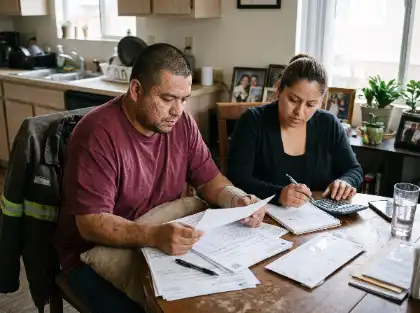 A work utility cart collision may support workers’ compensation and a separate personal injury claim. Each claim has different eligibility rules, insurance options, and recoverable losses. Labor Code §3852 allows eligible workers to pursue both claims when a third party causes their injuries.
Workers’ Compensation for Work-Related Injuries
California workers’ compensation claims may apply under Labor Code §3600 when another vehicle strikes your cart while you perform job duties. Examples include transporting tools around a property, moving warehouse supplies, or traveling between work areas. You generally do not need to prove another person caused the collision to qualify for benefits.
- Potential Insurance: Your employer’s workers’ compensation policy or approved self-insurance generally provides benefits for covered injuries. California’s Uninsured Employers Benefits Trust Fund may provide benefits when an employer lacks required coverage and eligibility requirements are met.
- Available Benefits: Benefits may include necessary medical treatment, temporary disability payments, permanent disability payments, and retraining assistance for eligible workers. Temporary total disability payments generally equal two-thirds of average weekly wages, subject to state minimums and maximums.
- What to Do: Promptly notify your employer of the injury in writing, request a DWC-1 claim form, and return it after completing the form’s employee section. Explain the collision to your treating provider. Keep medical records, work restrictions, wage information, and claim correspondence.
Workers’ compensation does not pay damages for pain and suffering. Labor Code §3602 generally limits civil lawsuits against your employer for covered workplace injuries, although statutory exceptions exist. A coworker’s involvement may also raise immunity issues, so identifying each driver’s employer matters.
A workers’ compensation lawyer can explain how your specific work utility cart injury may qualify you for workers’ comp benefits.
Third-Party Personal Injury Claims Against a Responsible Driver
A separate personal injury claim may apply when someone outside your employer’s workforce negligently hits your work utility cart. Examples include a delivery driver striking a maintenance cart or an outside contractor backing a truck into your utility cart. This claim requires evidence establishing responsibility and connecting the collision to your injuries.
- Potential Insurance: Review the driver’s auto liability policy and any applicable commercial auto coverage. Their employer may also bear responsibility if they were working. Umbrella or excess insurance may provide additional coverage, subject to policy terms.
- Recoverable Damages: Recoverable damages may include past and future medical expenses, lost earnings, reduced earning capacity, pain and suffering, and emotional distress. Some losses overlap with workers’ compensation benefits, making coordination necessary when resolving both claims.
- What to Do: Identify the driver, vehicle owner, employer, and insurers. Preserve photographs, video, witness details, collision reports, and cart records. Document treatment and income losses. Review filing deadlines and reimbursement obligations before accepting a settlement.
If the driver lacks sufficient insurance, review potentially applicable uninsured or underinsured motorist (UM/UIM) coverage under employer and personal policies. Coverage depends on policy definitions, cart classification, exclusions, and the circumstances. A work utility cart does not automatically qualify for ordinary auto policy coverage.
How a Dual-Claim Recovery Works
A dual-claim recovery coordinates workers’ compensation benefits with compensation from a responsible third party. The claims can proceed together, but they remain separate. Workers’ compensation may provide benefits while the personal injury claim addresses fault and damages. One claim does not need to finish before the other begins.
For example, an outside delivery driver might hit your cart while you transport work supplies. Workers’ compensation may cover treatment and partial wage replacement. A third-party claim may pursue additional losses, including pain and suffering. The final distribution must account for overlapping payments and applicable reimbursement rights.
- Reimbursement for Benefits Already Paid: The workers’ compensation insurer may seek repayment from the third-party recovery. Labor Code §§3856 and 3860 address reimbursement and applicable attorney’s fees and litigation expenses.
- Credit Against Future Benefits: Under Labor Code §3861, a third-party recovery may also support a credit against future workers’ compensation obligations. This credit can affect subsequent benefit payments.
- Your Net Recovery: The amount you receive depends on the recovery, applicable fees, costs, and reimbursement obligations. Employer negligence can affect reimbursement rights. Any negotiated reduction requires agreement.
Before settlement, review the insurer’s payment records, claimed reimbursement, potential future credit, and proposed release. Coordination helps clarify both the amount you may receive and how the settlement may affect ongoing benefits.
Other Potentially Liable Parties and Insurance Coverage
Beyond the driver, other parties may share responsibility for a collision involving a work utility cart. Their involvement depends on vehicle ownership, employment relationships, site conditions, and equipment defects. Each party may carry different insurance policies, but liability and coverage require separate review.
- The Driver’s Employer: An outside company may be responsible when its employee causes a collision while acting within the scope of employment. Civil Code §2338 supports employer liability in qualifying circumstances. Commercial auto insurance and applicable umbrella or excess policies may provide coverage.
- The Vehicle’s Owner: Vehicle Code §17150 may impose liability when an owner permits someone to drive their vehicle, and that driver negligently causes injury. The owner need not attend the scene. Review the owner’s liability coverage, applicable statutory limits, and any rental or leasing protections.
- An Outside Site Operator or Property Owner: A separate business may warrant investigation if its negligent traffic controls or dangerous property conditions contributed to the collision. Responsibility depends on its duties, control, and applicable legal defenses. Commercial general liability or specialty coverage may apply, subject to exclusions.
- A Cart Manufacturer or Maintenance Company: Defective brakes, steering failures, or negligent outside repairs may contribute to a collision or worsen injuries. Evidence may support a product liability or negligence claim. Review applicable product liability, general liability, or specialty policies, along with inspection and repair records.
- A Government Entity: A public agency may bear responsibility for its employee’s negligent driving within the scope of employment, subject to applicable immunities. Review public liability insurance or self-insurance.
Find Out Which Claims Apply to Your Work Utility Cart Injury
If a vehicle struck you on a work utility cart, Arash Law’s attorneys can evaluate both your workers’ compensation rights and your potential third-party personal injury claim.
Call (888) 488-1391 for a free case evaluation. Hablamos español.
Critical Deadlines for Work Cart Injury Claims in California
Work cart injuries can trigger separate deadlines for workers’ compensation, personal injury lawsuits, and government claims. Reporting the injury to your employer does not preserve every claim. Each deadline depends on the required action and its starting date.
| Required Action | General Deadline | What to Know |
|---|---|---|
| Written Notice to Employer | 30 days | You have 30 days to report a work injury. Employer knowledge or lack of prejudice can prevent a notice defect from barring benefits.
Labor Code §§5400, 5402–5403 |
| Workers’ Compensation Proceedings | Generally 1 year | You have one year from the date of injury to file your claim (or from the date of the last medical treatment/indemnity payment in some cases). Submit the DWC-1 claim form to your employer promptly.
Labor Code §5405 |
| Personal Injury Lawsuit Against a Private Party | Generally 2 years | File the lawsuit within two years of the injury, unless an exception changes the deadline.
Code of Civil Procedure §335.1 |
| Government Injury Claim | Generally 6 months | Present a written claim to the responsible state or local public entity. The period generally begins when the claim accrues, usually the injury date.
Government Code §911.2 |
| Application to Present a Late Government Claim | Reasonable time, generally within one year of accrual | Missing the six-month presentation deadline may permit a late-claim application. Approval requires qualifying grounds; the one-year limit does not automatically extend the original deadline.
Government Code §§911.4, 911.6 |
| Lawsuit Against a Government Entity | With rejection notice: Generally 6 months
Without rejection notice: Generally 2 years |
File within six months after the agency mails or personally delivers a rejection notice that meets legal requirements.
Without one, you generally have two years from the injury. A proper notice sent after 45 days can still trigger the six-month deadline. Government Code §§913, 945.6(a)(1)–(2) |
Evidence may deteriorate fast in the period immediately after a crash. Witness memories fade, footage loops overwrite, and equipment is returned to service or repaired. Act promptly to protect your claims and preserve evidence.
Case Results Involving Work Injuries and Third-Party Claims
Arash Law has handled cases involving workplace injuries, vehicle collisions, and the coordination of workers’ compensation and third-party claims. The following case results illustrate recovery paths and serious injuries that can also arise after a collision involving a work utility cart.
$6.5 Million — Combined Settlement: A worker suffered a mild traumatic brain injury and spinal cord injury after falling from a roof. After establishing workers’ comp eligibility, our team obtained a $5.89 million workers’ comp settlement and a $610,000 third-party settlement.
$10 Million — Combined Recovery: A worker suffered a traumatic brain injury after falling through a skylight. Our workers’ compensation and personal injury teams pursued both claims, securing a $5 million workers’ compensation settlement and a separate $5 million third-party settlement.
These results come from Arash Law’s own cases. They involved workers’ compensation and third-party claims. They do not guarantee a similar outcome in any future case. A potential work utility cart injury claim will depend on its facts, available evidence, applicable law, and insurance coverage.
Frequently Asked Questions About Work Utility Cart Collisions in California
Can I Still File a Claim if I Was Partially at Fault for the Cart Crash?
Yes. The at-fault driver’s liability does not disappear because you may have shared some responsibility. Under California’s pure comparative fault system, partial fault does not bar your recovery.
However, your percentage of fault will reduce your total compensation. If you are found 25% at fault, you can still recover the remaining 75% of your proven damages.
Should I Give a Recorded Statement to the Other Driver’s Insurer?
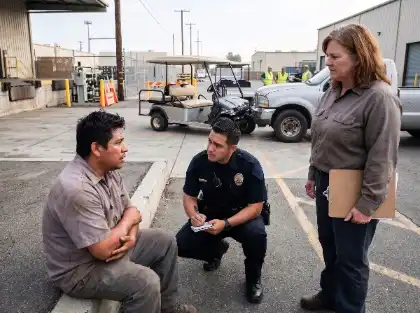
It is generally not advisable to give a recorded statement to the at-fault driver’s carrier or your employer’s workers’ comp carrier before speaking with an attorney.
Insurance adjusters are trained to ask questions that can help reduce or deny your claim. Giving a statement before you understand the full extent of your injuries and the legal claims available to you could cost far more than you think.
What if the Driver Who Hit Me Has No Insurance?
Workers’ compensation may still cover eligible work injuries, regardless of the other driver’s insurance. Review any UM coverage under your employer’s or personal auto policy, since utility cart coverage depends on policy terms and circumstances. The state’s Insurance Code only gives you a limited amount of time to act on a UM claim, so consult a lawyer about your next steps as soon as possible.
You may also have a claim against the driver or another responsible party, such as the vehicle owner or the driver’s employer.
What Is the Supplemental Job Displacement Benefit Voucher?
The Supplemental Job Displacement Benefit (SJDB) provides eligible injured workers with a $6,000 voucher for retraining or improving job skills. You may qualify if your injury causes permanent partial disability and your employer does not timely offer suitable work.
The employer generally has 60 days after the claims administrator receives the required medical report to offer regular, modified, or alternative work. The voucher can help pay for approved training and certification costs.
Can I Sue My Own Employer for the Utility Cart Accident?
Usually, workers’ compensation is your main remedy against your employer for a covered work injury. Labor Code §3602 generally prevents a separate personal injury lawsuit against your employer.
Limited exceptions apply, including when an employer lacks required workers’ compensation insurance. You may still pursue a separate claim against a responsible third party, such as an outside driver who hit your cart.
How Does a Cal/OSHA Investigation Help My Civil Case?
A Cal/OSHA investigation can document unsafe conditions through photographs, witness interviews, and equipment records. This evidence may help explain how the utility cart collision happened and identify responsible parties.
However, an investigation does not automatically prove civil liability. Labor Code §6304.5 generally bars the use of the issuance or non-issuance of a citation as evidence against a third party. Other investigation materials require separate review for admissibility.
Does Regular Auto Insurance Cover a Work Utility Cart?
Not automatically. Coverage depends on how the policy defines covered vehicles, the cart’s design and use, and any applicable exclusions.
A commercial auto policy, equipment policy, or another policy may require review. Gather the declarations, endorsements, and vehicle or equipment schedules. Do not assume that coverage for ordinary cars extends to a work utility cart.
Talk to Arash Law About Your Work Utility Cart Accident
If another vehicle hit your work utility cart, Arash Law can review your workers’ compensation and potential third-party injury claims. Our teams can identify responsible parties, investigate available insurance, and explain how reimbursement obligations could affect your recovery.
You can discuss what happened in a free case evaluation with our lawyers. You do not need every document ready to contact us. Just prepare any available incident reports, photographs, medical records, and insurance information.
Call (888) 488-1391 today. Our lines are open 24 hours a day, 7 days a week. Hablamos español.
Sources
- California Labor Code §3600. Conditions of Workers’ Compensation Liability. California Legislative Information.
https://leginfo.legislature.ca.gov/faces/codes_displaySection.xhtml?lawCode=LAB§ionNum=3600.
- California Labor Code §3602. Exclusive Remedy Rule and Exceptions. California Legislative Information.
https://leginfo.legislature.ca.gov/faces/codes_displaySection.xhtml?lawCode=LAB§ionNum=3602.
- California Labor Code §3852. Injured Employee’s Right to Pursue a Third-Party Claim. California Legislative Information.
https://leginfo.legislature.ca.gov/faces/codes_displaySection.xhtml?lawCode=LAB§ionNum=3852.
- California Labor Code §3856. Distribution of Third-Party Judgments and Employer Reimbursement Liens. California Legislative Information.
https://leginfo.legislature.ca.gov/faces/codes_displaySection.xhtml?lawCode=LAB§ionNum=3856.
- California Labor Code §5400. Written Notice of a Work Injury. California Legislative Information.
https://leginfo.legislature.ca.gov/faces/codes_displaySection.xhtml?lawCode=LAB§ionNum=5400.
- California Labor Code §5405. Time Limits for Commencing Workers’ Compensation Proceedings. California Legislative Information.
https://leginfo.legislature.ca.gov/faces/codes_displaySection.xhtml?lawCode=LAB§ionNum=5405.
- California Labor Code §6304.5. Use of Cal/OSHA Citations and Safety Standards in Civil Actions. California Legislative Information.
https://leginfo.legislature.ca.gov/faces/codes_displaySection.xhtml?lawCode=LAB§ionNum=6304.5.
- California Code of Civil Procedure §335.1. Two-Year Statute of Limitations for Personal Injury Actions. California Legislative Information.
https://leginfo.legislature.ca.gov/faces/codes_displaySection.xhtml?lawCode=CCP§ionNum=335.1.
- California Government Code §911.2. Government Claim Presentation Deadlines. California Legislative Information.
https://leginfo.legislature.ca.gov/faces/codes_displaySection.xhtml?lawCode=GOV§ionNum=911.2.
- California Government Code §945.6. Time Limits for Lawsuits Against Public Entities. California Legislative Information.
https://leginfo.legislature.ca.gov/faces/codes_displaySection.xhtml?lawCode=GOV§ionNum=945.6.
- California Insurance Code §11580.2. Uninsured and Underinsured Motorist Coverage Requirements. California Legislative Information.
https://leginfo.legislature.ca.gov/faces/codes_displaySection.xhtml?lawCode=INS§ionNum=11580.2.
- California Civil Code §2338. Principal’s Responsibility for an Agent’s Wrongful Acts. California Legislative Information.
https://leginfo.legislature.ca.gov/faces/codes_displaySection.xhtml?lawCode=CIV§ionNum=2338.
- California Division of Workers’ Compensation. Supplemental Job Displacement Benefits. California Department of Industrial Relations.
https://www.dir.ca.gov/dwc/sjdb.html
Disclaimer
The information on this page is for general educational purposes and does not constitute legal advice. No attorney-client relationship is formed by reading or relying on this content. If you were injured, consult a licensed California personal injury attorney about your specific situation. Arash Law: (888) 488-1391.