TL;DR: In an injury case, deciding whether to settle or proceed to trial requires comparing the offer with your medical expenses, lost income, future care, evidence, available coverage, likely net recovery, and litigation risks. Settling too early may leave future losses unpaid, while proceeding to trial can result in a higher, lower, or no recovery. Settlement negotiations generally do not stop California’s applicable filing deadlines.
Highlights:
- Wait for doctor-confirmed maximum medical improvement before valuing any settlement.
- Total all medical bills and get written estimates for future care needs.
- Document lost income with pay stubs, tax records, and employer verification.
- Ask for a net-recovery estimate after fees, costs, liens, and reimbursements.
- Review the release closely to confirm which claims and parties you are waiving.
- Check for additional coverage, such as UM/UIM, before accepting the at-fault policy limits.
- Calendar deadlines – 2 years (CCP 335.1); 6 months for government claims.
Tip: Save photos, medical records, and insurer communications, and when talking with adjusters, stick to facts and avoid guessing.
Table of Contents
Deciding whether to accept the settlement offer in your injury case or go to trial depends on how fair the offer is related to the value of your claim, the evidence gathered, and whether the insurer is willing to pay fair value.
The pressure to settle fast is real, especially when medical bills are mounting, and an insurance adjuster is pushing for a quick resolution. Accepting too quickly could leave you with less than your case is actually worth.
Settling generally brings faster, more certain compensation. A trial may result in a larger award, but it typically takes longer and carries more risk. The right decision depends on the full picture of your case, including your long-term needs and what California law allows. The trade-offs that matter most are not always the obvious ones.
When To Settle And When To Go To Trial In California
Choosing to settle or go to court comes down to your evidence, your injuries, the insurance company’s offer, and how much time and risk you are willing to handle. Fair compensation accounts for your medical expenses, lost income, pain and suffering, future losses, and other damages.
Factors That May Support Resolving A Case Through Settlement
Settlement may offer greater certainty and a faster resolution, but whether an offer is reasonable depends on the specific facts, risks, and likely net recovery. Factors to evaluate include whether:
- It is hard to prove who was at fault, or you do not have much proof.
- You suffered minor injuries and have fully recovered with no long-term problems.
- The insurance company is offering a fair amount, or the payout is close to their maximum coverage limit.
- You want money now and prefer a guaranteed payout over the risk and delays of a jury trial.
A settlement provides an agreed-upon amount and removes the risk of an unfavorable jury verdict. It may also resolve the claim faster, reduce litigation expenses, and allow the parties to include confidentiality terms in the agreement.
Factors that may weigh in favor of settlement include:
- Liability is unclear.
- The offer reasonably reflects the documented damages.
- Available insurance or assets are limited.
- The injured person places significant value on certainty and a faster resolution.
These factors do not establish that an offer should be accepted. The offer, release terms, deductions, future losses, and risks of continued litigation should be evaluated together.
For that reason, you should understand your diagnosis, prognosis, future care needs, and financial losses before resolving the claim.

When A Trial May Be Necessary
Going to court is usually worth the extra time when the insurance company refuses to pay what your case is truly worth. Going to trial may be a better option when:
- You can easily prove the other person was at fault.
- You have permanent or life-changing injuries with high, long-term costs.
- The insurance company refuses to pay a reasonable amount to cover your actual losses.
- The person at fault has enough money or a large insurance policy to pay a bigger verdict.
A trial allows you to present the case to a judge or jury and seek compensation beyond the insurer’s final settlement offer. A public verdict may also provide a sense of accountability when that is important to the injured person.
However, a trial generally requires more time and expense and produces an uncertain result. A jury may award more than the offer, award less, reduce the recovery based on comparative fault, or find for the defense.
A verdict may also be followed by post-trial motions, an appeal, collection issues, or additional delays before payment.
Both paths have clear trade-offs. Applying them to your case means looking at things like how strong your case is, how serious your injuries are, and how low the insurance offer is. A personal injury lawyer can review your case and help you weigh your options.
Other Factors That Can Affect The Decision
The size of the offer is only one part of the decision. You should also consider the following factors before accepting, rejecting, or countering it.
- Comparative Fault: California follows a pure comparative fault system. If you share responsibility for the accident, your compensation may be reduced according to your percentage of fault. Consider how strong the evidence is on both sides and whether a jury might assign some responsibility to you.
- Your Tolerance for Delay and Uncertainty: Continuing a case may require depositions, medical examinations, discovery, court appearances, mediation, and possibly a trial. Even a strong case carries uncertainty, and a verdict may be lower than the settlement offer, or the defense may prevail.
If the at-fault party’s insurance policy limits are too low to cover your losses fully, that does not necessarily mean your recovery is capped. Many California drivers carry underinsured motorist (UIM) or uninsured motorist (UM) coverage as part of their own auto policy, which can provide an additional source of compensation when the responsible party’s insurance is insufficient or nonexistent.
Whether UM/UIM coverage applies depends on your policy terms and California law. Before accepting or releasing the at-fault party, notify your own insurer and confirm any consent or exhaustion requirements. Settling without the required written consent may affect your UM benefits. UIM coverage generally applies only after the at-fault party’s liability limits are exhausted.
Questions To Ask Yourself
Taking a moment to evaluate these key factors will help you see which direction makes the most sense for you.
- Do I have enough strong evidence and reliable witnesses?
- Does the current settlement offer cover most of my needs?
- How fast do I need the money, and how long can I wait for a trial?
- Is the insurance company actually being fair with me?
Talking through these simple questions with your lawyer will help you decide the best course of action for your situation.
What Happens If I Reject The Settlement Offer?
Rejecting an offer usually means the claim remains unresolved. What happens next depends on the case’s stage and the reason the offer was rejected.
You and your attorney may:
- Make a counteroffer.
- Submit additional medical or financial evidence.
- Continue negotiating with the insurer.
- Identify additional insurance coverage or responsible parties.
- File a lawsuit before the applicable deadline.
- Conduct discovery and take depositions.
- Participate in mediation or a settlement conference.
- Prepare for trial if the parties cannot reach an agreement.
Negotiations can continue while a lawsuit is pending, and a settlement may occur at almost any point before a final verdict. Negotiations usually do not extend the legal deadline for filing a lawsuit. An attorney can determine which deadline applies and take the steps necessary to preserve the claim.
Compare Your Net Recovery, Not Just The Headline Amount
The amount stated in a settlement offer is not necessarily the amount you will receive. Before deciding, ask for an estimate of the potential net recovery after applicable deductions.
Depending on the case, deductions may include:
- Attorney’s fees.
- Litigation costs.
- Outstanding medical bills.
- Medical liens.
- Health insurance, Medicare, or Medi-Cal reimbursement claims.
- Other case-related expenses.
The same analysis should be applied to a potential trial result. A larger verdict may require substantially more litigation expenses and may take longer to collect. Looking at the likely net recovery for each option gives a clearer view. This approach is better than just comparing the gross settlement offer to a possible jury award.
Accepting an offer does not always produce immediate payment. The parties generally must finalize and sign the release, the insurer must process the settlement, and attorneys may need to resolve medical liens or reimbursement claims before distributing the client’s net proceeds.
California Laws That Shift Settlement Leverage
Several California procedures can encourage the parties to resolve a personal injury case before trial.
- CCP § 998 Offer to Compromise: After a lawsuit is filed, either party may serve a formal written settlement offer under California Code of Civil Procedure § 998. If the recipient rejects a valid offer and then fails to obtain a more favorable judgment or award, specified cost consequences may apply. Depending on who made the offer, there can be costs after the offer. This may include discretionary expert-witness fees.
- Mediation: A neutral mediator guides the parties in discussing the strengths and weaknesses of the case. The mediator does not decide who wins and generally cannot force either party to accept an agreement.
- Settlement Conferences: A court may require a settlement conference as the case approaches trial. If one is ordered, the parties, their attorneys, and people with settlement authority generally must attend unless the court excuses them. The purpose of the conference is to explore whether the parties can resolve the case without trial.
These procedures don’t guarantee a settlement. However, they offer more chances to negotiate once a lawsuit is filed.
Critical Steps To Take Before Accepting An Insurance Offer
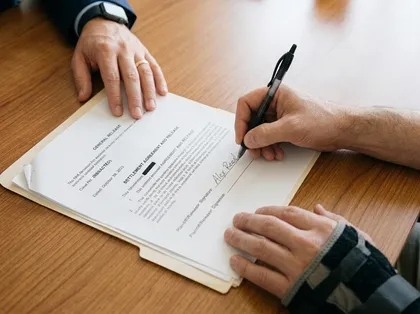
Signing a valid settlement agreement and full release generally ends the claims covered by that agreement. You usually cannot seek additional compensation for those released claims if your condition later worsens, so review exactly which parties and claims the release includes before signing.
To make sure you do not accept less than you deserve, take these critical steps before signing anything:
- Understand Your Medical Prognosis: Before settling, obtain enough medical information to evaluate your diagnosis, expected recovery, future limitations, and likely care needs. This may mean waiting until you reach maximum medical improvement. Some claims can be evaluated earlier when doctors can reliably estimate future treatment and expenses.
- Calculate Your Full Medical Expenses: Add up all your past medical bills and get a formal estimate from your doctor for any ongoing treatments, therapies, or future surgeries you will need.
- Account for All Lost Income: Gather your pay stubs and tax records to document all missed work, and account for any future earnings you will lose if your injury impacts your ability to work.
- Include Pain and Suffering: Make sure the settlement covers non-financial damages, such as physical pain, emotional distress, and changes to your overall quality of life.
- Know Your Filing Deadline: In most California personal injury cases, you generally have two years from the date of the injury to file a lawsuit, under California Code of Civil Procedure § 335.1. This deadline is separate from, and does not pause during, settlement negotiations with the insurance company. Certain circumstances can affect how these deadlines are calculated, including:
- If your claim involves a government entity, such as a city, county, or state agency, you typically must file a formal claim within six months of the injury.
- If the injured party is a minor, the statute of limitations begins to run when they turn 18. Minority does not automatically extend the deadline for presenting a claim to a government entity.
An attorney can review an initial offer before you respond and explain how it compares with the documented damages, available sources of recovery, release terms, likely net recovery, and the risks of continued litigation. The attorneys at Arash Law can provide this assessment without guaranteeing that accepting, rejecting, or countering the offer will produce a particular outcome.
Frequently Asked Questions About Settling Vs. Going To Trial
Deciding whether to settle or go to trial raises many practical questions. You may wonder about timelines, taxes, or what happens if you change your mind. The answers below cover the most common questions injury victims ask at this stage.
How Do I Know Whether To Accept, Reject, Or Counter An Offer?
Before responding to an offer, compare it with your past and future losses, the strength of the evidence, available insurance or assets, litigation risks, legal costs, and the amount you would likely keep after deductions.
Possible responses may include requesting clarification, submitting additional evidence, making a counteroffer, rejecting the offer, or continuing negotiations or litigation. No response is automatically appropriate based solely on how close the offer is to a requested amount. Review the release terms, deadlines, and likely net recovery with an attorney before deciding.
How Long Does A Personal Injury Case Take To Resolve In California?
There is no standard timeline for resolving a California personal injury case. A claim may settle after treatment and damages are sufficiently documented. A lawsuit may take substantially longer due to discovery, motions, court availability, trial preparation, and possible appeals. The schedule depends on the county and the case’s complexity.
Can I Change My Mind After Signing A Settlement Agreement?
Generally, no. A signed settlement is a binding contract in California, and courts enforce it. It may be challenged only on limited grounds, including fraud, a qualifying mistake, duress, undue influence, or another recognized ground for rescission of a contract. Proving such grounds can be difficult. Have an attorney review any agreement before it becomes binding.
How Do I Know If An Insurance Company’s Offer Is Fair?
A fair offer should be evaluated against the case’s realistic expected recovery. That includes the likely range of damages, the strength of the evidence, possible comparative fault, available insurance, litigation costs, delay, appeal risk, and whether a judgment can actually be collected. An attorney can review your evidence, your damages, and recent case results in your county. That analysis tells you whether the number on the table is reasonable.
Will My Personal Injury Settlement Be Taxed?
Compensatory damages received because of personal physical injuries or physical sickness are generally excluded from federal taxable income. Punitive damages and interest are generally taxable, and other portions may receive different treatment depending on what they compensate.
When Should I Contact A Personal Injury Lawyer?
You should contact a personal injury lawyer as soon as possible after your accident, ideally before speaking with the insurance adjuster or accepting any initial settlement offers.
Reaching out early helps protect your rights from day one by ensuring you don’t sign away future compensation, miss critical evidence or filing deadlines, or settle before reaching Maximum Medical Improvement (MMI).
Do Lawyers Only Get Paid If They Win?
Yes, if they work on a contingency fee basis. This means they only get paid if they win a settlement or verdict for you. If they do not secure a settlement or verdict for you, you owe no attorney’s fees.
Arash Law Can Review Your Case
Before you respond to any offer from the insurance company, have an attorney review it. Insurance companies have legal teams whose job is to protect their bottom line, not yours. You deserve someone in your corner who is working just as hard for you. Our lawyers at Arash Law have experience in such cases:
-
$17,900,000 — Trial Verdict Against a Disputing Defendant.
After years of litigation, Arash Law’s attorneys took this case to trial against the County of Los Angeles, which repeatedly attempted to shift blame for the crash. One client suffered a fractured tibia and a mild but permanent brain injury; the other sustained a sprained knee requiring physical therapy. The jury returned a unanimous $17.9 million verdict in just 90 minutes.
-
$1,735,036.26 — Eight-Day Jury Trial for a Spine Injury.
A 68-year-old client suffered a spine injury in a car crash. Rather than settle, the case proceeded to an eight-day jury trial, after which the jury returned a verdict in the client’s favor for this amount.
-
$1,250,000 — Negotiating Up From a Low Offer Before Trial.
The at-fault driver accepted liability but disputed the seriousness of the client’s injuries. Over two years of litigation, the settlement offer rose from an initial $150,000 to $1,250,000, and the case ultimately resolved three weeks before trial. It illustrates how continued negotiation and litigation pressure can significantly increase an inadequate initial offer without requiring a full trial.
Past results do not guarantee future outcomes. Every case is different, and results depend on the specific facts and evidence involved.
AK Law helps injury victims across California understand their options. This is too important a decision to make alone. Whether a settlement or a trial is the right choice, we can provide a clear assessment at no cost to you.
Call us at (888) 488-1391 for a free consultation. Tell us about your case, and we can help you understand your legal options.