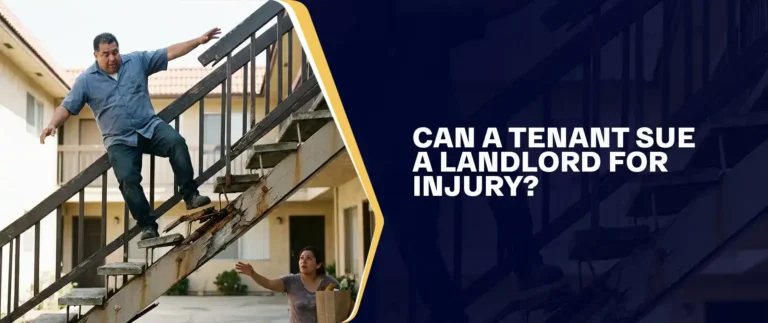
TL;DR: A California premises liability claim usually has four basic requirements. The defendant owned, leased, occupied, or controlled the property. The defendant acted negligently. That negligence substantially caused an injury, and the plaintiff suffered actual harm. Dangerous condition cases may also require proof that the defendant knew or should have known about the hazard.
California premises liability generally requires proof of property control, negligence, causation, and actual harm. The injured person must connect an unsafe property condition or a negligent act to their injuries.
California does not automatically make a property owner liable because someone was injured on the premises. The evidence must show that the person responsible for the property failed to use reasonable care.
Key Facts About California Premises Liability Claims
- A California premises liability claim generally requires proof of control, negligence, causation, and actual harm. CACI No. 1000 provides the basic framework for these claims.
- A defendant does not have to own the property to face liability. A person or business that leases, occupies, or controls the premises may also be responsible.
- Property owners and others who control premises must generally use reasonable care. California Civil Code § 1714 provides the state’s basic ordinary-care standard.
- Proof of notice often becomes important when a dangerous condition caused the injury. Evidence may show that the defendant knew about the hazard or should have discovered it through reasonable care.
- Being partly at fault does not automatically prevent recovery. California follows pure comparative fault, which can reduce compensation based on the injured person’s percentage of responsibility.
- Different deadlines apply to private and public property claims. CCP § 335.1 generally provides two years for personal injury lawsuits, while Government Code § 911.2 generally requires a personal injury claim against a public entity to be presented within six months.
Table of Contents

The Four Essential Elements of a California Premises Claim
A California premises liability case requires more than proof that an injury happened on someone else’s property. The injured person must connect the accident to the defendant’s control of the property and to the defendant’s failure to use reasonable care.
Under California Civil Jury Instructions, a plaintiff generally must prove four elements: control, negligence, causation, and actual harm. Each element requires supporting evidence.
1. The Defendant Owned, Leased, Occupied, or Controlled the Property
The first element focuses on who had responsibility for the area where the injury occurred. The defendant need not always be the legal owner.
A person or business may face liability if they had enough control over the property to inspect, maintain, repair, or warn about dangerous conditions. Control matters because it determines who has the authority and responsibility to inspect, maintain, repair, or protect the property from adverse conditions.
Defendants can include:
- Property owners.
- Commercial tenants.
- Residential tenants.
- Landlords.
- Property management companies.
- A store or restaurant operator.
- Other people or businesses that controlled the area where the injury occurred.
Legal ownership is not always the deciding factor. Control often determines who has the power and responsibility to address the dangerous condition.
Several parties may share responsibility. For example, a landlord may control common areas while a business tenant controls conditions inside the leased space.
2. The Defendant Was Negligent
After establishing control, the plaintiff must show that the defendant failed to use reasonable care. This usually means showing that the property was not managed or maintained as a reasonable person would.
The exact duty depends on the circumstances. Relevant factors can include the type of hazard, how foreseeable the risk was, and whether the defendant had time to address it.
In a dangerous condition case, CACI No. 1003 generally asks whether:
- The condition created an unreasonable risk of harm to people using the property.
- The defendant knew or reasonably should have known about it.
- The defendant failed to repair it, protect against it, or provide an adequate warning.
A property owner does not have to prevent every possible accident. The question is whether the defendant used reasonable care under the circumstances.
Landlord liability can require a more specific analysis when the tenant, rather than the landlord, possesses and controls the area. California courts have recognized circumstances in which a landlord’s duty depends on the landlord’s knowledge of the danger and ability to correct or remove it.
In Uccello v. Laudenslayer, for example, the court held that a landlord could owe a duty regarding a tenant’s dangerous dog when the landlord had actual knowledge of the animal’s dangerous nature and the right to have it removed.
How Notice Helps Prove Negligence in a Premises Liability Case
Notice often becomes important when someone other than the defendant created the hazard. The plaintiff may need to show that the defendant knew about the condition or reasonably should have discovered it.
Notice may be:
- Actual Notice: The owner, manager, employee, or other responsible person actually knew about the dangerous condition.
- Constructive Notice: The condition existed under circumstances suggesting that reasonable care, including an appropriate inspection, should have revealed it.
If the defendant or its employee created the dangerous condition, separate proof that the defendant later received notice may not be necessary.
For example, a store may be negligent if a spill remained long enough for reasonable inspection procedures to detect it. A different analysis may apply if an employee directly created the spill.
3. The Negligence Caused the Injury
The third element requires a causal connection between the defendant’s negligence and the plaintiff’s harm. It is not enough to show that a dangerous condition existed or that the defendant acted negligently.
California generally uses the “substantial factor” standard under CACI No. 430. A substantial factor is more than a remote or trivial cause of the harm, although it does not have to be the only cause.
For example, if a customer falls near a broken floor tile, the tile’s presence alone does not establish causation. The evidence must support a finding that the condition contributed to the fall and resulting injury.
Causation may be disputed when the injured person had a preexisting condition, another event may have caused the injury, treatment was delayed, or the defendant argues that the accident would have happened without the alleged dangerous condition. A preexisting condition does not automatically defeat the claim; the issue is whether the defendant’s negligence substantially contributed to the harm.
What Evidence Can Help Prove Causation?
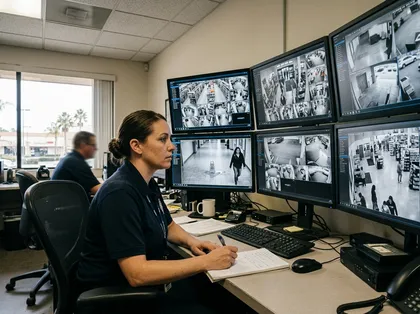
Evidence that may help establish how the accident happened and whether the dangerous condition contributed to the injury includes:
- Photos showing spills, broken surfaces, poor lighting, obstructions, or missing warnings.
- Video footage showing how the accident happened, how the hazard developed, or how long it remained.
- Witness statements describing the accident or the condition of the property.
- Incident reports documenting the location, witnesses, employees, and circumstances of the injury.
- Inspection, cleaning, maintenance, and repair records showing how the property was monitored and whether a condition had existed before.
- Medical records and treating provider opinions connecting the accident to the claimed injuries.
- Expert testimony when determining the cause of an accident or injury requires specialized knowledge.
Relevant evidence may disappear quickly. Surveillance footage can be overwritten, and maintenance records may be kept for limited periods. Knowing what steps to take after an injury on someone else’s property can help preserve useful evidence.
4. The Plaintiff Suffered Actual Harm
The final element requires proof that the plaintiff suffered an actual injury or other compensable loss. A dangerous condition alone does not create a personal injury claim.
The plaintiff must show that the incident caused measurable harm. That harm can include financial losses, physical injuries, and other effects recognized under California law.
Possible damages can include:
- Medical expenses.
- Future medical care.
- Lost wages.
- Lost earning capacity.
- Pain and suffering.
- Other losses caused by the injury.
A near miss or unsafe condition without injury is generally not enough. The claim must involve actual harm connected to the defendant’s negligence.
It’s also important to remember that California does not apply rigid invitee, licensee, and trespasser categories to determine duty. Under Rowland v. Christian, courts generally apply ordinary negligence principles and consider the circumstances surrounding the injury.
If you are unsure whether you have a claim, a California premises liability attorney can review the facts and advise you on your options.
Do Different Requirements Apply to Dangerous Conditions on Government Property in California?
Yes. Claims based on dangerous conditions of public property are governed by California’s Government Claims Act and do not simply follow the same framework as an ordinary private-property premises liability claim.
Under Government Code § 835, a plaintiff generally must establish that:
- The public entity owned or controlled the property involved in the claim.
- The property had a dangerous condition when the injury occurred.
- That condition created a foreseeable risk that someone could suffer the type of harm that occurred.
- A negligent or wrongful act created the condition, or an omission by a public employee acting within the scope of employment, or the public entity had actual or constructive notice of the dangerous condition with sufficient time to take protective measures.
- The plaintiff suffered harm.
- The dangerous condition was a substantial factor in causing that harm.
Government Code § 835.2 sets specific standards for actual and constructive notice. Constructive notice generally requires evidence that the condition existed for enough time and was sufficiently obvious that the public entity, exercising due care, should have discovered both the condition and its dangerous character.
These requirements can apply to claims involving government-controlled sidewalks, buildings, parks, roads, and other public property. Public-property cases can also involve statutory immunities and procedural requirements that do not apply to ordinary private-property cases.
Common Defenses to California Premises Liability Claims
Property owners, businesses, and insurers may challenge a premises liability claim in several ways. Most defenses focus on whether the plaintiff can prove one of the required elements.
Common defenses include:
- The hazard was open and obvious. A defendant may argue that a reasonable person would have noticed and avoided the condition. Under CACI No. 1004, an obvious condition may eliminate a duty to warn. However, it does not always eliminate liability. Reasonable precautions may still be required when someone foreseeably must encounter the hazard.
- The defendant had no notice. The defense may argue that the hazard appeared too recently for a reasonable inspection to discover it. This defense often arises when another customer or third party created the condition.
- The defendant did not control the area. An owner, landlord, tenant, or contractor may argue that another party controlled the location and was responsible for maintenance.
- The injured person shared fault. A defendant may claim the plaintiff ignored a warning, was distracted, or otherwise contributed to the accident. California comparative fault can reduce recovery rather than automatically bar it.
- The hazard did not cause the injury. The defense may dispute the connection between the property condition and the claimed injuries. Medical records, video, and other evidence may become important when causation is contested.
These defenses do not automatically defeat a premises liability case. Their effect depends on the property condition, available evidence, and the circumstances surrounding the injury.
If both the property controller and the injured person contributed to the accident, California law allows fault to be divided between them. The final recovery is then reduced according to the injured person’s share of responsibility.
What Happens If You Were Partially at Fault?
Being partially at fault does not automatically prevent recovery in a California premises liability case. California follows pure comparative negligence, established in Li v. Yellow Cab Co. (1975) 13 Cal.3d 804.
Under this rule, compensation is reduced by the injured person’s percentage of fault.
For example, assume a person has $100,000 in proven damages. If a jury finds that person 25% at fault, the recovery may be reduced by 25%, leaving a $75,000 recovery.
What Damages May Be Available in a California Premises Liability Claim?
A person injured because of an unsafe property condition may seek compensation for losses caused by the accident. The available damages depend on the injury, treatment needs, time missed from work, and the injury’s impact on daily life.
Economic Damages
Economic damages cover measurable financial losses. They may include:
- Emergency care, hospital bills, surgery, medication, physical therapy, and other treatment.
- Expected costs for ongoing treatment, rehabilitation, follow-up care, or medical equipment.
- Wages or other earnings lost while recovering from the injury.
- Losses caused by an injury that limits the person’s ability to work or earn income in the future.
- Reasonable expenses caused by the accident, such as necessary transportation or assistance during recovery.
Receipts, medical bills, employment records, and expert opinions may help document these losses.
Non-Economic Damages
Non-economic damages address the personal effects of the injury that do not have a fixed dollar value. They may include:
- Physical pain.
- Emotional distress.
- Inconvenience.
- Loss of enjoyment of life.
- Physical impairment or disfigurement.
The amount varies from case to case. Factors can include the severity of the injury, the length of recovery, the need for future treatment, and the effect on work and daily activities.
A premises liability claim generally allows recovery only for losses caused by the defendant’s negligence. If the injured person shares fault, California’s comparative fault rules may reduce the final recovery.
Filing Deadlines for California Premises Cases
California enforces distinct deadlines for premises liability claims. Missing the deadline can permanently bar your claim regardless of how strong the underlying evidence is.
- California Code of Civil Procedure (CCP) § 335.1 generally gives a person two years to file a lawsuit for personal injuries caused by negligence. Exceptions can change that period. The correct deadline should be determined on a case-by-case basis.
- For lawsuits involving property damage, CCP § 338 provides a three-year statute of limitations.
- A personal injury claim against a California public entity generally must first be presented within six months under Government Code § 911.2.
Claims against the State of California generally go through the Department of General Services Government Claims Program. After the claim is presented:
- The public entity generally has 45 days to act under Government Code § 912.4.
- If it does not act within that period, the claim is deemed rejected.
- A qualifying written rejection under Government Code § 913 generally gives the claimant six months to file a lawsuit under Government Code § 945.6.
- If the entity does not provide the required written rejection notice, Government Code § 945.6 generally allows two years from accrual of the cause of action to file suit.
A deemed rejection at the 45-day mark does not, by itself, mean that the six-month lawsuit period has started. The written notice requirements still matter.
For some private-party claims, the statute of limitations may be paused while the injured person is under 18. However, that rule does not extend the six-month deadline for presenting a claim against a public entity. If a minor misses that deadline, they may still be able to request permission to file a late claim under Government Code §§ 911.4 and 911.6.
Confirm the applicable deadline with an attorney. Call Arash Law at (888) 488-1391 to speak with an attorney about your situation.
What Arash Law Has Recovered in Premises Liability Cases
Recovery in premises liability cases depends entirely on the facts and evidence in each case. The following past case results illustrate the range of situations Arash Law has handled for injured clients across California.
$3,500,000 — Inadequate Lighting: A client suffered a spinal injury after inadequate lighting contributed to a fall. The premises liability case resulted in a $3.5 million recovery.
Past results do not guarantee a similar outcome. Every case depends on its own facts, injuries, available insurance, and evidence.
Frequently Asked Questions About Premises Liability in California
Can I Bring a Premises Liability Claim if No Incident Report Was Made?
Yes. California law does not require an incident report before you can pursue a premises liability claim. An incident report can still help document when, where, and how the injury happened. If no report was made, other evidence may help establish the facts, including photos, surveillance footage, witness statements, medical records, and communications with the property owner.
Can a Building Code Violation Support a Premises Liability Claim?
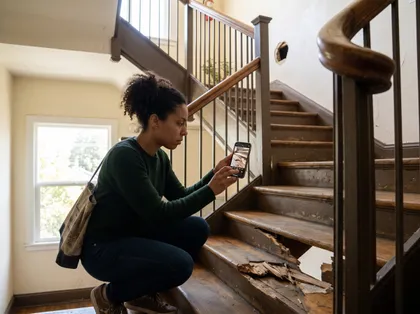
Yes. A building or safety code violation may help show that a property condition was unsafe or that the defendant failed to use reasonable care.
Depending on the law involved, the violation may also support a negligence per se argument. However, a code violation does not automatically prove the entire case. The injured person must still establish causation, harm, and the other required elements.
Can I File a Premises Liability Claim if I Was Injured at a Hotel or Vacation Rental?
Potentially. Hotels, motels, short-term rentals, and other lodging properties can be subject to California premises liability law.
Responsibility depends on who controls the area and the dangerous condition. Depending on the facts, potentially liable parties may include the property owner, hotel operator, management company, host, or another business responsible for maintenance.
Does Signing a Liability Waiver Prevent a Premises Liability Claim?
Not always. The effect of a liability waiver depends on its wording, the activity involved, and the conduct that caused the injury.
California courts may enforce some waivers of ordinary negligence when the language clearly covers the risks at issue. However, a waiver may not protect a defendant from every type of conduct, and its enforceability can depend heavily on the specific facts.
Can I Bring a Claim if the Dangerous Condition Was Open and Obvious?
Possibly. An open and obvious condition may affect whether a defendant had a duty to warn, but it does not automatically defeat every premises liability claim.
Depending on the circumstances, a property controller may still need to take reasonable precautions if it is foreseeable that people will encounter the danger despite its obvious nature.
Can a Child Have a Premises Liability Claim?
Yes. A child injured by an unsafe property condition may have a premises liability claim. A child’s age, experience, and ability to recognize danger can affect how reasonable care and comparative fault are evaluated. Special rules may also apply to settlement approval and filing deadlines when the injured person is a minor.
Can I Have a Premises Liability Claim if I Was Injured While Working?
Possibly. An employee injured while working may have a workers’ compensation claim against their employer.
A separate claim may also be available against a property owner, contractor, tenant, or other third party whose negligence contributed to the injury. California Labor Code § 3852 allows certain third-party claims in addition to workers’ compensation benefits.
Do Premises Liability Lawyers Get Paid Upfront?
Many California premises liability lawyers work on a contingency fee basis under a written agreement. Under this arrangement, the attorney receives an agreed percentage of the recovery if the case succeeds. Clients generally do not pay attorney’s fees upfront to begin the case, although the agreement should explain how litigation costs and other expenses are handled.
Discuss Your California Premises Liability Case With Arash Law
Premises liability cases often depend on proving who controlled the property, how the dangerous condition developed, and whether reasonable care could have prevented the injury.
Arash Law represents people injured by unsafe property conditions throughout California. Our attorneys can review the available evidence, identify potentially responsible parties, and explain the deadlines that may apply to your claim.
If you were hurt on someone else’s property, call Arash Law at (888) 488-1391 for a free case evaluation.
Sources
- California Legislature. Civil Code § 1714.
https://leginfo.legislature.ca.gov/faces/codes_displaySection.xhtml?lawCode=CIV§ionNum=1714.- California Legislature. Code of Civil Procedure § 335.1.
https://leginfo.legislature.ca.gov/faces/codes_displaySection.xhtml?lawCode=CCP§ionNum=335.1- California Legislature. Code of Civil Procedure § 338.
https://leginfo.legislature.ca.gov/faces/codes_displaySection.xhtml?lawCode=CCP§ionNum=338.- California Legislature. Code of Civil Procedure § 352.
https://leginfo.legislature.ca.gov/faces/codes_displaySection.xhtml?lawCode=CCP§ionNum=352.- California Legislature. Government Code § 835.
https://leginfo.legislature.ca.gov/faces/codes_displaySection.xhtml?lawCode=GOV§ionNum=835.- California Legislature. Government Code § 835.2.
https://leginfo.legislature.ca.gov/faces/codes_displaySection.xhtml?lawCode=GOV§ionNum=835.2- California Legislature. Government Code § 911.2.
https://leginfo.legislature.ca.gov/faces/codes_displaySection.xhtml?lawCode=GOV§ionNum=911.2- California Legislature. Government Code § 911.4.
https://leginfo.legislature.ca.gov/faces/codes_displaySection.xhtml?lawCode=GOV§ionNum=911.4- California Legislature. Government Code § 911.6.
https://leginfo.legislature.ca.gov/faces/codes_displaySection.xhtml?lawCode=GOV§ionNum=911.6- California Legislature. Government Code § 912.4.
https://leginfo.legislature.ca.gov/faces/codes_displaySection.xhtml?lawCode=GOV§ionNum=912.4- California Legislature. Government Code § 913.
https://leginfo.legislature.ca.gov/faces/codes_displaySection.xhtml?lawCode=GOV§ionNum=913.- California Legislature. Government Code § 945.6.
https://leginfo.legislature.ca.gov/faces/codes_displaySection.xhtml?lawCode=GOV§ionNum=945.6- California Legislature. Evidence Code § 669.
https://leginfo.legislature.ca.gov/faces/codes_displaySection.xhtml?lawCode=EVID§ionNum=669.- California Legislature. Labor Code § 3852.
https://leginfo.legislature.ca.gov/faces/codes_displaySection.xhtml?lawCode=LAB§ionNum=3852.- Judicial Council of California. Civil Jury Instructions, including CACI Nos. 1000, 1003, 1004, and 1011.
https://courts.ca.gov/system/files/file/judicial_council_of_california_civil_jury_instructions_2026.pdf- Judicial Council of California. 2026 Supplement to the Civil Jury Instructions. https://courts.ca.gov/system/files/file/judicial_council_of_california_july_2026_supp.pdf
- California Department of General Services. Government Claims Program.
https://www.dgs.ca.gov/ORIM/File-A-Claim- California Supreme Court Resources, Stanford Law School. Ortega v. Kmart Corp. (2001) 26 Cal.4th 1200.
https://scocal.stanford.edu/opinion/ortega-v-kmart-corp-32244- California Supreme Court Resources, Stanford Law School. Rowland v. Christian (1968) 69 Cal.2d 108.
https://scocal.stanford.edu/opinion/rowland-v-christian-30100/- California Supreme Court Resources, Stanford Law School. Li v. Yellow Cab Co. (1975) 13 Cal.3d 804.
https://scholarlycommons.pacific.edu/cgi/viewcontent.cgi?article=2458&context=mlr- California Judicial Council. CACI landlord liability instruction and commentary citing Uccello v. Laudenslayer (1975) 44 Cal.App.3d 504.
https://courts.ca.gov/system/files/itc/caci-0901.pdfDisclaimer
The information on this page is for general educational purposes and does not constitute legal advice. No attorney-client relationship is formed by reading or relying on this content. If you were injured, consult a licensed California personal injury attorney about your specific situation. Arash Law: (888) 488-1391.