TL;DR: A head-on collision occurs when vehicles traveling in opposite directions crash front to front, often causing severe or fatal injuries to drivers and passengers. Fault often turns on why a vehicle entered oncoming traffic, and quick medical care and evidence preservation can protect a California injury claim.
Highlights:
- Call 911, get medical care, and follow up even if symptoms seem minor.
- Photograph vehicle positions, lane markings, skid marks, debris, and nearby signs.
- Collect witness names and contact details before anyone leaves the scene.
- Exchange driver, vehicle, and insurance information, and note anything you observed.
- Preserve the vehicle, child seat, phone, and damaged items for later inspection.
- File SR-1 within 10 days if someone is injured or killed, or if damage exceeds $1,000.
- Calendar deadlines: 2 years to sue, 6 months for government claims.
Tip: Keep communications factual and consistent, and save every bill, record, photo, and repair estimate.
Table of Contents
A head-on collision occurs when the front ends of vehicles traveling in opposite directions collide, sometimes producing severe forces and serious injuries. For example, when two similar vehicles each travel at 50 mph and collide head-on, each may experience a crash severity roughly comparable to striking a rigid barrier at 50 mph, not 100 mph. The impact can still generate substantial forces on the occupants. Those forces can increase the risk of serious or fatal injuries.
Head-on crashes make up a relatively small share of collisions, but they account for a disproportionately large share of traffic deaths. Because a head-on crash produces such extreme force, determining how one vehicle crossed into the path of oncoming traffic is critical. That evidence can help establish fault and support a personal injury claim for medical expenses, lost income, pain and suffering, and other crash-related losses.
Why Head-On Collisions Are Dangerous
Head-on collisions are dangerous because both vehicles often move at high speeds. The sudden stop puts great force on the people inside. Drivers and passengers may have little time to brace for the crash or move away from danger.
These crashes can also be dangerous because they may:
- Crush the vehicle’s front end into the passenger area.
- Throw occupants against seat belts, airbags, or cabin parts.
- Cause serious injuries to the head, brain, neck, chest, spine, and legs.
- Leave drivers little time to brake or move out of the way.
- Trap injured occupants inside the vehicle.
- Push a vehicle into another lane, an object, or into a rollover crash.
- Cause injuries that require surgery, hospital care, or long-term treatment.
- Keep victims from working, caring for family, or handling daily tasks.
The risk grows when vehicles travel faster, differ greatly in size, or lack modern safety features. Even when a person survives, the crash may affect their health, income, independence, and quality of life for months or years.
Common Causes Of Head-On Crashes
The National Safety Council estimated that there were about 13.1 million motor-vehicle incidents in 2024. Of those incidents, 71% involved collisions between motor vehicles. Head-on crashes made up about 3.7% (roughly 340,000) of those collisions.
A head-on collision usually happens when one vehicle leaves its lane and enters oncoming traffic. Such incidents can occur due to a careless choice, a sudden mistake, or a condition the driver cannot control.
Common causes include:
- Driving Under the Influence: Alcohol and drugs can slow a driver’s reactions and affect judgment. An impaired driver may drift across the center line without realizing it.
- Distracted Driving: A driver may look at a phone, send a text, or reach for something inside the vehicle. Even a brief distraction can cause the car to enter another lane.
- Drowsy Driving: A tired driver may fall asleep for a few seconds. During that time, the vehicle can cross the center line without warning.
- Wrong-Way Driving: A driver may enter a freeway ramp, divided highway, or one-way street in the wrong direction. That may happen because of impairment, confusion, inadequate signage, or darkness.
- Unsafe Passing: A driver may try to pass another vehicle without enough room or a clear view of the road ahead. This situation is especially dangerous on two-lane roads, blind curves, and no-passing zones.
- Speeding: A speeding driver has less time to notice a problem, slow down, or return to the correct lane.
- Poor Visibility: Rain, fog, darkness, and glare can make it harder to see lane lines, curves, and approaching vehicles.
- Medical Emergencies: A sudden medical issue may cause a driver to lose control of their vehicle and cross into oncoming traffic.
- Overcorrecting: A driver may swerve to avoid an animal, road debris, or another vehicle. Turning the wheel back too sharply can send the car across the center line.
Head-on crashes can be especially dangerous on rural roads. Many of these roads lack a barrier between opposing lanes. Some roads may also have sharp turns, poor lighting, and narrow shoulders. In remote areas, emergency crews may also need more time to reach the crash scene.
The cause of the crash can affect your right to compensation. Phone records, traffic cameras, tire marks, vehicle data, witness statements, and alcohol or drug test results may help explain why the other vehicle entered your lane. This evidence can help you prove fault and seek payment for your medical care, lost income, pain, and other losses.
Who Is At Fault In A Head-On Collision?
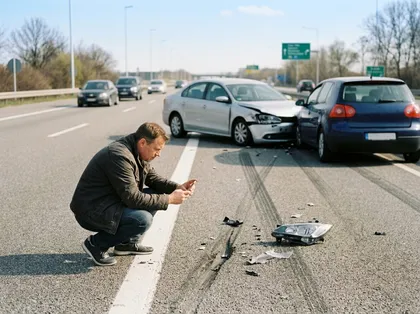
A driver who negligently crosses the center line or travels in the wrong direction may be primarily responsible for a head-on collision. However, fault depends on why the vehicle left its lane and whether another person or a condition contributed to the crash.
Both drivers may share responsibility. For example, one driver may cross the center line while the other speeds or fails to take reasonable steps to avoid the collision. California follows a pure comparative negligence rule. You may still recover compensation when you share fault, but your award may decrease by your percentage of responsibility.
Other parties may also be responsible, depending on the facts:
- An employer, if the driver was an employee acting within the scope of employment at the time of the crash.
- A vehicle owner who negligently allowed an unsafe driver to use the vehicle.
- A manufacturer that sold a defective vehicle or part.
- A repair shop whose poor work caused a mechanical failure.
- A government entity that is responsible for a dangerous road condition.
A public entity is not automatically liable because a road was unsafe. A claim must meet California’s legal requirements for dangerous public property.
How To Prove Fault In A California Head-On Collision
To hold another person legally responsible for a head-on collision, an injured person generally must prove negligence. This requires four elements:
- Duty of Care: The other driver had a duty to use reasonable care and follow traffic laws.
- Breach of Duty: The driver failed to meet that duty, such as by crossing the center line, speeding, driving while impaired, or passing unsafely.
- Causation: The driver’s actions caused the collision and the resulting injuries.
- Damages: The injured person suffered losses, including medical bills, lost income, property damage, and pain and suffering.
California follows a pure comparative negligence rule. You may still recover compensation if you share some responsibility for the collision. However, your percentage of fault may reduce your recovery.
For example, if you were 20% responsible for the crash, you could generally recover 80% of your proven damages.
A head-on collision attorney can help apply these rules to your case. The attorney can challenge unfair blame, explain how shared fault may affect your recovery, calculate your losses, and present your claim during negotiations or in court.
What Evidence Can Prove A Head-On Collision Claim?
A head-on collision claim often depends on evidence showing why a vehicle entered oncoming traffic. The table below explains what different types of evidence may reveal.
| Type of Evidence | What It May Show |
|---|---|
| Crash-Scene Photos And Videos | Vehicle positions, road conditions, sight lines, signs, lane markings, and the location of debris. |
| Dashcam And Surveillance Footage | The moments before impact, including which vehicle crossed the center line. |
| Witness Statements | Speeding, unsafe passing, drifting, wrong-way driving, or other actions that led to the crash. |
| Tire Marks And Debris | The point of impact, the direction of travel, and how the vehicles moved before or after the collision. |
| Vehicle Damage Patterns | The angle and force of impact, and which parts of the vehicles made contact. |
| Event Data Recorder Information | Depending on the vehicle and system, available data may include speed, braking, restraint use, and other information recorded shortly before or during the impact. |
| Phone Records | Whether a driver may have been calling, texting, or using an app before the crash. |
| Toxicology Results | Whether alcohol or drugs may have affected a driver. |
| Inspection And Repair Records | Possible problems with the brakes, tires, steering, or other vehicle parts. |
| Road Records | Whether road design, poor maintenance, missing signs, or faded lane markings contributed to the collision. |
| Medical Records | The connection between the crash, the victim’s injuries, treatment, and ongoing limitations. |
Some evidence can disappear quickly. Businesses may overwrite video, owners may repair vehicles, and road conditions may change. Preserving evidence early can make it easier to prove how the head-on collision happened.
Common Head-On Collision Injuries And Compensation In California
Head-on crashes often lead to serious personal injury claims in California. The force of the crash can affect many parts of the body and may change a person’s ability to work, live independently, or return to normal routines. California law allows eligible victims to seek compensation from the party responsible.
The table below describes serious injuries that may result from a head-on crash and how they can affect a victim’s life.
| Common Injury | How It May Affect You and Your Claim |
|---|---|
| Traumatic Brain Injuries | A blow to the head may cause a concussion, headaches, memory loss, or permanent brain damage. A claim may include the cost of testing, specialist care, therapy, and help with daily needs. |
| Head & Face Injuries | Broken glass and hard surfaces can cause cuts, scars, eye injuries, dental damage, or facial fractures. Visible scarring and the need for future procedures may affect the compensation available. |
| Neck & Back Injuries | The impact may cause whiplash, damaged discs, pinched nerves, and lasting pain. Medical visits, missed work, and limited mobility can be included in the claim. |
| Spinal Cord Injuries | Damage to the spinal cord may cause weakness, loss of feeling, or partial or complete paralysis. Compensation may need to cover long-term care, medical equipment, home changes, and lost earning ability. |
| Chest & Rib Injuries | The seat belt, airbag, or steering wheel may cause broken ribs, lung damage, or heart injuries. Hospital care and time away from work may increase the victim’s financial losses. |
| Internal Injuries | The crash may damage the liver, kidneys, spleen, or other organs. Internal bleeding may not be obvious right away. Emergency surgery, follow-up care, and future health problems may all matter when valuing the claim. |
| Broken Bones | Victims may suffer fractures in the arms, wrists, hips, legs, knees, ankles, or feet. The number of fractures, recovery time, and the need for surgery can affect the amount of compensation a victim may pursue. |
| Leg & Knee Injuries | The dashboard or crushed metal may strike or trap the lower body. Some victims need several surgeries and may have trouble walking or returning to work. |
| Cuts & Burns | Broken glass, hot metal, leaking fluids, or fire may cause deep cuts, scars, or serious burns. Treatment costs, lasting pain, and permanent changes in appearance may support additional damages. |
The impact of those injuries can become part of your California personal injury claim. Depending on the facts of your case, here are the types of compensation you may be able to pursue:
| Type of Compensation | Losses It May Cover |
|---|---|
| Economic Damages | Emergency care, hospital bills, surgery, medication, chiropractic treatment, therapy, future medical care, lost wages, reduced earning ability, vehicle damage, and other out-of-pocket costs. |
| Non-Economic Damages | Pain and suffering, emotional distress, disability, scarring, and loss of enjoyment of life. |
California requires drivers and vehicle owners to maintain proof of financial responsibility. For auto liability policies issued or renewed on or after January 1, 2025, the minimum limits are $30,000 for injury or death to one person, $60,000 for injury or death to multiple people in one accident, and $15,000 for property damage. Some owners satisfy the law through an authorized alternative, such as self-insurance or a qualifying deposit.
A serious head-on crash can result in losses exceeding these limits. However, the at-fault driver’s policy may not be the only source of compensation. Other insurance policies or responsible parties may also apply. Your claim should account for your current losses and the care, income, and support you may need in the future.
Wrongful Death Claims After A Fatal Head-On Collision
When a head-on collision causes a death, certain surviving family members may bring a California wrongful death claim. Eligible claimants may include the surviving spouse or domestic partner, children, and certain other relatives or dependents as defined by state law.
A wrongful death claim may seek compensation for losses such as:
- Funeral and burial expenses.
- Financial support the deceased person would have provided.
- The value of household services.
- Loss of companionship, care, guidance, and affection.
California law also allows damages that are just under the circumstances, subject to the rules that separate wrongful death damages from survival damages.
A survival action is different. It continues a legal claim the person could have brought if they had survived. Under California law, survival damages usually do not include the person’s pain, suffering, or disfigurement before death.
There is a limited exception if the case was granted trial preference under Code of Civil Procedure § 36 before January 1, 2022, or was filed between January 1, 2022, and January 1, 2026. The claim can still include financial losses before death and, when allowed by law, penalties or punitive damages. It may be filed by the estate’s personal representative or, if there is none, by a successor in interest.
Wrongful death and survival claims involve different losses and claimants. Eligible claimants may pursue both a wrongful death claim and a survival action if they meet the legal requirements for each.
How Long Do You Have To File A Head-On Collision Lawsuit?
In California, you generally have two years from the date of a head-on collision to file a personal injury lawsuit. A wrongful death lawsuit generally must be filed within two years of the person’s date of death. This date may differ from the collision date if the person survived for a period before dying from the injuries.
Different rules apply when a government entity may share responsibility. That may happen when unsafe road design, missing signs, broken signals, or poor lane markings contributed to the crash. You generally must file an administrative claim with the agency within six months.
The government entity usually has 45 days to act on your claim.
- If the agency sends a written rejection notice, you generally have six months from the date it mailed or personally delivered the notice to file a lawsuit.
- If the agency does not act within the required period, the claim is generally rejected by operation of law. When the agency does not provide a compliant written rejection notice, you generally have two years from the date the cause of action accrued (generally refers to the date of the accident) to file suit.
If you miss the applicable filing date, you’ll generally lose your right to seek compensation in court.
Limited exceptions may apply, so the exact deadline depends on the facts of the crash and the parties involved.
What To Do After A Head-On Collision
Your safety comes first after a head-on crash. If you can do so safely, take these steps:
- Call 911: Ask for police and emergency medical help. Avoid moving a seriously injured person unless there is immediate danger or a 911 dispatcher directs you to provide lifesaving assistance.
- Move to Safety: Leave the traffic lane if you can move without risking further injury.
- Get Medical Care: Accept emergency help and follow up with a doctor. Some symptoms may not appear right away.
- Exchange Information: Get the other driver’s name, contact details, license number, vehicle information, and insurance details.
- Document the Scene: Photograph the vehicles, road, lane markings, signs, debris, skid marks, and nearby damage.
- Speak With Witnesses: Ask for their names and contact information. Do not rely on someone else to record them.
- Notify Your Insurer: Report the collision promptly and provide accurate basic information.
- Make Any Required Reports: If someone is injured or killed, California law generally requires a written report to CHP or local police within 24 hours, which may be satisfied by an officer’s report. You must also file an SR-1 with the DMV within 10 days if there is injury, death, or over $1,000 in property damage.
- Preserve Damaged Items: Do not repair or dispose of the vehicle, child seat, phone, or other damaged property before an investigator can inspect it.
- Choose Your Words Carefully: Do not admit fault or guess about speed, distance, or the cause of the crash.
Consider speaking with a head-on collision lawyer, especially when you sustain serious injuries, the opposing party disputes fault, or the situation involves several potentially liable parties. An attorney can help preserve evidence and explain the next steps for your claim.
How A Lawyer Can Help After A Head-On Collision
A lawyer can investigate why the other vehicle entered your lane and determine who may be responsible. This work matters because a head-on crash may involve more than one driver, insurer, company, or government agency.
A head-on collision lawyer can:
- Preserve video, vehicle data, phone records, and other evidence.
- Interview witnesses and review the crash scene.
- Work with experts when the parties dispute the cause of the collision.
- Identify all insurance policies and responsible parties.
- Calculate current and future losses tied to the crash.
- Handle insurance communications and settlement negotiations.
- File a lawsuit and present the case at trial when needed.
Arash Law has secured significant results in head-on collision cases, including:
- $6,000,000: Our attorneys obtained the available policy limits after a drunk driver crossed the center line and caused a fatal head-on crash.
- $1,280,000: Our firm secured the full policy limits after a drowsy driver caused a catastrophic head-on collision.
These results do not guarantee the same outcome in another case. Every claim depends on its facts, injuries, insurance coverage, available evidence, and responsible parties.
However, these cases show how a thorough investigation and firm handling of disputed issues can help protect an injured person’s claim.
Frequently Asked Questions About Head-On Collisions
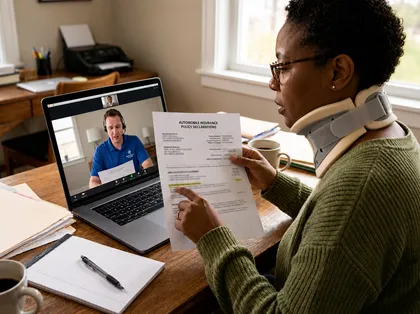
Understanding what a head-on collision is can help you make sense of what happened and what may come next. You may have questions about fault, insurance, medical bills, or your right to seek compensation. The answers below cover several concerns that often arise after these crashes.
Does The Police Report Decide Who Caused The Crash?
No. A police report may include the officer’s observations and conclusions, but it does not determine civil liability. California law generally bars parties from introducing the collision report itself into evidence at trial, although they may still use independently admissible observations or other evidence.
Do I Need To Report A Head-On Collision To The California DMV?
You must file an SR-1 within 10 days if the collision injured or killed anyone, or if property damage exceeded $1,000. This report is separate from any report you file with the police, CHP, or an insurance company.
What If The Other Driver Has No Insurance?
Uninsured or underinsured motorist coverage may apply if your policy provides it and the claim meets the policy’s and California law’s requirements. California insurers generally must offer this coverage. However, the named insured may reject it or, in writing, choose lower limits.
Can I Use Uninsured Motorist Coverage After A Hit-And-Run?
Possibly. For a bodily injury claim under California uninsured motorist coverage involving an unidentified driver, the law generally requires physical contact with the unknown vehicle.
You must also report the crash to the proper police, sheriff, or CHP office within 24 hours. Then, you must give your insurer a sworn statement within 30 days after that report.
Can A Passenger File A Claim After A Head-On Crash?
Yes. An injured passenger may pursue a claim against any driver whose negligence contributed to the collision. When both drivers share responsibility, the passenger may have claims against both drivers.
Can Anyone Other Than The Drivers Be Responsible?
Yes. Depending on what caused the crash, responsibility may also fall on an employer, vehicle owner, repair company, parts manufacturer, or another party. The evidence must connect that party’s conduct or defective product to the collision.
Understand Your Legal Options After A Head-On Collision
After a serious crash, you may not know whether the insurance offer is fair or whether another party shares responsibility. You may also be unsure how your injuries could affect your work, family, and future.
Arash Law, also known as AK Law, can review what happened and explain the options available under California law. Our team can help you understand the potential value of your claim, the applicable deadlines, and whether legal action is a good fit for your situation.
You remain in control of how your case moves forward. Our goal is to give you clear information so you can make an informed decision.
Call Arash Law at (888) 488-1391 to discuss your head-on collision case.