TL;DR: Without UM coverage after a hit-and-run, other payment sources may still exist for injured victims and damaged vehicles. MedPay, health insurance, or collision coverage may apply. If investigators identify the driver or another liable party, additional liability claims may become available.
If your policy lacks UM coverage after a California hit-and-run, you may still have other ways to recover losses. For instance, if investigators identify the fleeing driver, you may be able to pursue the driver’s liability insurance or file a personal injury claim. Depending on your policy and circumstances, MedPay, health insurance, collision coverage, or other sources may also help cover your losses.
Table of Contents

The Driver Fled After the Crash, and My Own Policy Doesn’t Have Uninsured Motorist Coverage. What Other Options Might Exist for My Injuries and Damages?
Even without UM coverage, you likely have several ways to recover. Depending on your coverage and eligibility, MedPay or health insurance may help with medical expenses, while collision coverage may help with vehicle damage.
Qualifying hit-and-run victims may also seek California Victim Compensation Board (CalVCB) benefits for certain expenses that other reimbursement sources do not cover. If the driver is identified, you can file a claim against their liability policy or sue them directly.
It’s also worth confirming that you really don’t have UM coverage. California insurers must include it unless you signed a written waiver, and a relative’s or employer’s policy may cover you, too.
Key Facts About Hit-and-Run Recovery Without UM Coverage in California
- Finding the fleeing driver can create your strongest recovery path. A license plate, witness account, surveillance video, or police investigation may help identify the driver and determine whether liability insurance is available.
- Other insurance may still help even without UM coverage. MedPay may cover eligible medical expenses, health insurance may pay for treatment, and collision coverage may help repair or replace your vehicle.
- Your policy deserves a second look. UM coverage may still apply through another policy or household member. Your insurer should also be able to confirm whether you signed a valid UM waiver.
- Some losses may remain uncovered if the driver is never found. Medical or vehicle coverage does not necessarily compensate you for pain and suffering, lost income, or every other crash-related loss.
- Evidence can disappear quickly. Plate details, witness information, surveillance footage, vehicle damage, and the police report can affect whether investigators identify the driver or another liable party.
- Deadlines still apply even while the driver remains unknown. Reporting requirements, insurance notice rules, and lawsuit deadlines can affect your options if the driver or another responsible party is later identified.
Why Identifying the Fleeing Driver Is Your First Priority
If you have no UM coverage, identifying the at-fault driver is the single most important thing that can happen to your case. Without the driver’s identity, you generally cannot pursue a known liability policy, serve the driver personally, or enforce a judgment against their assets.
Hit-and-run accident attorneys approach these cases as evidence-preservation problems first and legal strategy problems second, because evidence is what creates options. Surveillance footage overwrites quickly, so act immediately. A formal preservation demand sent on day one can stop that clock.
These are some examples of evidence that can help identify fleeing drivers:
- License Plate Details: Getting a license plate number after a hit-and-run gives you options that may help your case. Even a partial plate narrows the field. Law enforcement may use partial plate information, vehicle descriptions, and other investigative leads to narrow down possible matches, with capabilities that can vary by agency and the evidence available.
- Witness Statements: Any bystander who saw the crash can describe the vehicle, color, make, or direction of travel. Witnesses’ memories fade within days; contact information quickly goes stale.
- Surveillance Footage: Cameras at gas stations, ATMs, and nearby businesses often capture the block where a crash occurred.
Options for Covering Your Losses After a Hit-and-Run Without UM Coverage
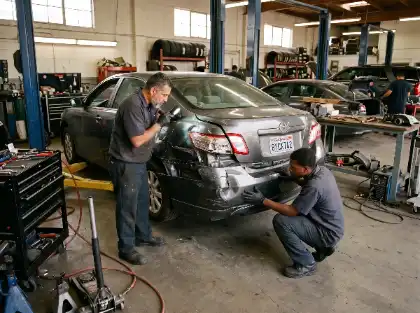
What other coverages or sources of compensation might exist after a hit-and-run? Depending on your coverage and eligibility, MedPay, collision coverage, health insurance, CalVCB, or workers’ compensation may help cover certain losses when UM coverage is unavailable. None necessarily replaces the full scope of a claim against an identified at-fault driver.
Medical Payments (MedPay) coverage is an optional add-on to your own auto policy. If your policy includes MedPay, it may cover eligible medical expenses regardless of fault, subject to the policy’s limits and terms. MedPay is no-fault coverage: your own policy pays your bills first.
Collision coverage may also be part of your auto policy. If it is, it may pay to repair or replace your vehicle after a hit-and-run, subject to your deductible, limits, and policy terms. You pay your deductible first. Then, your insurer covers the rest up to your policy limits.
Health insurance may cover ER visits, surgery, physical therapy, and other treatment costs. If you later recover money from the driver, through a lawsuit or their liability policy, your health insurer may seek reimbursement through a process called subrogation. An attorney can help negotiate that lien.
The California Victim Compensation Board (CalVCB) is the one option victims often overlook. Because a hit-and-run is a crime under Vehicle Code § 20001, victims who report the crime to law enforcement and cooperate with the investigation may be eligible for CalVCB benefits. The board may reimburse certain crime-related expenses, including medical treatment costs. CalVCB may also cover lost income, depending on eligibility and current program rules.
This type of compensation is a last resort. Applicants must generally pursue other available reimbursement sources first, such as insurance, disability benefits, workers’ compensation, or civil recoveries.
Workers’ Compensation: Workers’ compensation may provide medical care and disability benefits if the hit-and-run occurred while the victim was acting within the course of employment. This may apply to some work-related driving or travel, depending on the circumstances, even if authorities do not identify the fleeing driver.
What these sources do not cover: They do not compensate you for the non-economic or personal losses you sustained due to the hit-and-run, such as the pain and suffering caused by your injuries. None of these sources replaces the full damages available through a personal injury claim against an identified at-fault driver.
What Happens If the Hit-and-Run Driver Is Identified?
If authorities identify the fleeing driver, you may be able to file a claim against their liability insurance and seek additional damages, depending on the facts and available coverage. If the driver is uninsured or underinsured, you may be able to pursue the driver directly or another liable party, such as a vehicle owner or employer.
Identifying the driver can also help determine who owned the vehicle, whether the driver had permission to use it, whether they were working at the time, and which insurance policies may apply. Police reports, plate records, witness statements, surveillance footage, and vehicle evidence can help connect the identified driver to the crash.
Finding the driver does not automatically guarantee payment. Available compensation can still depend on fault, insurance limits, other responsible parties, the driver’s assets, and whether applicable filing deadlines have expired.
Was the hit-and-run driver identified? Arash Law can review the available insurance, potential liable parties, and your options for pursuing a claim. Call (888) 488-1391 for a free case evaluation.
Steps to Protect Your Legal and Financial Options Right Now
To protect your options after a hit-and-run without UM coverage, immediately preserve surveillance footage, file a police report, submit the DMV SR-1 form within 10 days, and notify your insurer. The steps below can be taken from a phone, a hospital bed, or a waiting room, and each one protects a different option.
- Canvass for cameras near the crash site. Nearby security, dashboard, and doorbell cameras may have captured the vehicle or the license plate. Many surveillance systems may overwrite footage promptly, depending on the system. Contact those locations and ask them to preserve the footage before the system records over it. If you cannot do this yourself, ask someone you trust to help. A prompt preservation demand can put the business or property owner on notice to retain any footage that may be relevant.
- File a police report immediately. The police report creates an official record of the crash, and CalVCB may use it to assess eligibility. The California Highway Patrol handles crashes on state highways; local law enforcement handles city streets. Cooperate fully with the investigation.
- File Form SR-1 with the California DMV (Vehicle Code § 16000). Drivers must file an SR-1 for any crash causing injury, death, or more than $1,000 in property damage, even if the other driver fled and the crash wasn’t your fault. It’s separate from your police report and insurance claim, and missing the deadline can lead to suspension of your license.
- Notify your insurer promptly. Auto policies generally require timely notice of a claim, so review your policy and notify your insurer promptly. Delay can affect your right to use that coverage.
- Contact CalVCB if you have filed a police report. If you filed a police report and are cooperating with the investigation, you may qualify for CalVCB benefits.
- If a road defect or public entity negligence may have contributed to the crash, act on the shorter deadline. A dangerous road condition, missing signage, or other public entity negligence may give you a separate claim against a government agency such as Caltrans. You have only months, not years, to act on this claim. Claims against Caltrans for $12,500 or less go directly to Caltrans; larger claims go to the state’s Government Claims Program, run by the Department of General Services. Claims against a city or county go to that entity. An attorney can confirm the correct entity and filing route for your facts.
Review Your Policy Limits and Coverage
Your declarations page, usually the first page of your auto policy, lists each coverage you carry and its limits. After a hit-and-run, check for:
- MedPay: The amount available for medical bills, regardless of fault.
- Collision: Whether you carry it, and your deductible.
- Rental Reimbursement: Whether your policy pays for a rental car while yours is repaired.
- UM Coverage: Whether it’s truly absent. If you don’t see it, ask your insurer for a copy of your signed UM waiver. Without one, you may still have coverage.
Review other policies that might apply, such as a household member’s auto policy, your health plan, and any disability coverage through work. Don’t count on an umbrella policy. It typically covers claims against you, not your own injuries. Uninsured motorist accident attorneys can help you review your coverage options.
Key Legal Deadlines After a California Hit-and-Run
Several legal deadlines may apply after a hit-and-run, depending on the type of claim and who may be responsible.
- Workers’ Compensation Notice (30 Days): If the crash happened in the course of employment, report the injury to your employer as soon as possible. Failing to give notice within 30 days can jeopardize workers’ compensation benefits. You may also have a year to file a workers’ compensation claim. The date on which that deadline begins depends on the facts of your case.
- Government Claim (6 Months): If a California public entity may share responsibility, you generally must present a government claim within six months.
- Personal Injury Lawsuit (2 Years): If the fleeing driver or another private defendant is identified, California generally allows two years to file a personal injury lawsuit.
- Property Damage Lawsuit (3 Years): If the fleeing driver or another private defendant is identified, California generally allows three years to file a lawsuit for damage to your vehicle or other personal property.
Different exceptions and shorter deadlines can apply, so the specific timeline should be reviewed based on the facts of the case.
Frequently Asked Questions About Hit-and-Run Claims in California
Will Filing a Collision Claim After a Hit-and-Run Raise My Insurance Rates?
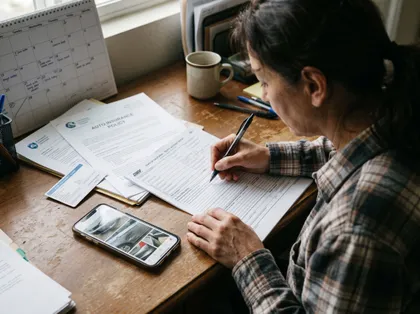
Not usually. If your insurer determines that the hit-and-run was not your fault, California law generally prevents the insurer from increasing your premium because of that accident. A surcharge may apply if you’re found at least 51% at fault for the crash. Keep photographs, the police report number, and records of your insurer communications to support the fault determination.
What If My Parked Car Was Hit and I Don’t Know Who Did It?
Start at the scene: check your windshield for a note, photograph every angle of the damage, and look for nearby cameras before you leave the area. Many surveillance systems quickly record over footage.
File a police report to create an official record of the incident. Then contact your insurer to open a collision claim. Collision coverage can pay for repairs even when the driver is never identified.
Do Police Actively Investigate Hit-and-Run Accidents in California?
Yes, particularly when injuries are involved. The California Highway Patrol (CHP) and local law enforcement use automatic license plate readers, surveillance camera footage, vehicle debris analysis, and witness accounts to trace fleeing drivers.
Cases with limited evidence may take months or go unsolved. Calling law enforcement immediately and preserving surveillance footage before the system records over it gives investigators the best chance of identifying the vehicle, driver, owner, employer, or another responsible party.
Can I File a Claim If I Have the Vehicle’s License Plate but Don’t Have UM?
Yes. A plate may help police identify the registered owner. If the vehicle was insured and the driver had permission to use it, the owner’s liability policy may provide coverage, subject to the policy terms and applicable exclusions. If the vehicle turns out to be uninsured or stolen, recovery gets harder. You may still be able to sue the driver directly or pursue the owner under California’s owner-liability law, though that law caps the owner’s liability. Report the plate to the police right away so they can investigate.
Is It Worth Suing a Hit-and-Run Driver Who Has No Insurance?
It depends. If the driver has no savings, no attachable assets, and no income, any judgment after you file a lawsuit may not produce actual payment. An attorney can evaluate the driver’s collectability before advising you whether to pursue litigation.
What Arash Law Has Recovered for Accident Victims
When the at-fault driver can’t pay, recovery often depends on finding someone else who shares responsibility. Our case results show how that strategy can work, such as these cases involving accidents caused by uninsured drivers:
$1.75 Million Pedestrian Accident: Public Entity Case Involving a Dangerous Intersection. A driver hit our client while they were crossing a dangerous intersection. Since the driver was uninsured, our team opted to build a case against the city for failing to address hazards despite the intersection’s history of accidents.
Past results do not guarantee future outcomes. Every case is different, and results depend on the specific facts and evidence involved.
Talk to Arash Law About Your California Hit-and-Run Claim
If the driver fled and your policy does not include UM coverage, Arash Law’s injury attorneys can review every path forward: from MedPay and collision coverage to CalVCB eligibility and the strength of a personal injury lawsuit if the driver is identified. If a public entity may share responsibility, additional notice requirements and shorter deadlines may apply. You pay no attorney’s fees unless we win your case.
Arash Law. Make them pay, call AK.
Call (888) 488-1391 for a free case evaluation, 24 hours a day.
Sources
- California Legislature. California Code of Civil Procedure § 335.1: Two-Year Statute of Limitations for Personal Injury. https://leginfo.legislature.ca.gov/faces/codes_displaySection.xhtml?lawCode=CCP§ionNum=335.1
- California Legislature. California Code of Civil Procedure § 338: Three-Year Statute of Limitations for Property Damage. https://leginfo.legislature.ca.gov/faces/codes_displaySection.xhtml?lawCode=CCP§ionNum=338
- California Legislature. California Vehicle Code § 20001: Hit-and-Run Duty When Injury or Death Occurs. https://leginfo.legislature.ca.gov/faces/codes_displaySection.xhtml?lawCode=VEH§ionNum=20001
- California Legislature. California Vehicle Code § 16000: SR-1 Reporting Requirement. https://leginfo.legislature.ca.gov/faces/codes_displaySection.xhtml?lawCode=VEH§ionNum=16000
- California Legislature. California Insurance Code § 11580.2: Uninsured Motorist Coverage. https://leginfo.legislature.ca.gov/faces/codes_displaySection.xhtml?lawCode=INS§ionNum=11580.2
- California Legislature. California Government Code § 911.2: Deadline for Claims Against Public Entities. https://leginfo.legislature.ca.gov/faces/codes_displaySection.xhtml?lawCode=GOV§ionNum=911.2
- California Legislature. California Labor Code § 5400: Notice of Workplace Injury to Employer. https://leginfo.legislature.ca.gov/faces/codes_displaySection.xhtml?lawCode=LAB§ionNum=5400
- California Legislature. California Labor Code § 5405: Deadline to File a Workers’ Compensation Claim. https://leginfo.legislature.ca.gov/faces/codes_displaySection.xhtml?lawCode=LAB§ionNum=5405
- California Department of General Services, Office of Risk and Insurance Management. File Government Claim for Eligible Compensation. https://www.dgs.ca.gov/en/ORIM/Services/Page-Content/Office-of-Risk-and-Insurance-Management-Services-List-Folder/File-Government-Claim-for-Eligible-Compensation
- California Department of Transportation (Caltrans). Submit Damage Claim. https://dot.ca.gov/online-services/submit-damage-claim
- California Victim Compensation Board (CalVCB). Frequently Asked Questions. https://victims.ca.gov/for-victims/frequently-asked-questions
- California Department of Insurance. Automobile Insurance: Does My Auto Insurance Company Charge Me More If I Have an Accident? https://www.insurance.ca.gov/flipbook/Automobile-Insurance/25
- California Legislature. California Vehicle Code § 17150: Owner Liability for Permissive Use of a Motor Vehicle. https://leginfo.legislature.ca.gov/faces/codes_displaySection.xhtml?lawCode=VEH§ionNum=17150
- California Legislature. California Civil Code § 2338: Principal Liability for an Agent’s Negligence in the Transaction of the Principal’s Business. https://leginfo.legislature.ca.gov/faces/codes_displaySection.xhtml?lawCode=CIV§ionNum=2338
Disclaimer
The information on this page is for general educational purposes and does not constitute legal advice. No attorney-client relationship is formed by reading or relying on this content. If you were injured, consult a licensed California personal injury attorney about your specific situation. Arash Law: (888) 488-1391.