TL;DR: California farm owners and hayride operators may be liable when their negligence causes visitor injuries. You can still have a claim if you signed a waiver or shared some fault. Most personal injury lawsuits against private businesses have a two-year deadline, although exceptions apply.
If you were injured on a hayride or at a pumpkin patch in California, the farm owner, ride operator, or another party may be at fault. Liability depends on who caused the accident and whether they failed to use reasonable care.
California law generally requires businesses to keep their premises reasonably safe for visitors. A farm may be responsible if unsafe equipment, poor supervision, or dangerous conditions caused your injury.
A signed waiver or a “ride at your own risk” sign does not automatically prevent you from seeking compensation. However, not every accident makes the business legally responsible.
Key Facts About Hayride and Pumpkin Patch Injury Claims in California
- Farm owners and operators must use reasonable care to prevent injuries. They may be liable for dangerous conditions they failed to address (California Civil Code § 1714).
- Signed waivers do not automatically prevent injury claims. Recreational waivers generally cannot excuse gross negligence (City of Santa Barbara v. Superior Court (2007) 41 Cal.4th 747).
- Warning signs do not automatically protect farm owners from liability. Their duty to address dangerous property conditions depends on the circumstances (CACI No. 1003).
- California allows injured visitors to seek compensation even if they share fault. Their percentage of responsibility generally reduces their damages (Li v. Yellow Cab Co. (1975) 13 Cal.3d 804).
- Filing deadlines depend on who caused the injury. Private injury lawsuits generally have a two-year deadline under California Code of Civil Procedure (CCP) § 335.1, while government injury claims generally require filing within six months (Gov. Code § 911.2).
Table of Contents

Who Can Be Held Liable for a Hayride or Pumpkin Patch Injury in California?
Several parties may be responsible for an injury at a hayride or pumpkin patch. Their liability depends on their actions, safety duties, and control over the property or attraction.
Potentially liable parties include:
- Farm or Pumpkin Patch Owner: Owners may be liable for unsafe paths, poor lighting, or hazards they failed to repair or warn visitors about.
- Hayride Driver: A driver may be responsible for speeding, sudden turns, unsafe stops, or allowing passengers to ride in dangerous positions.
- Hayride Operator: A separate company running the attraction may be liable for unsafe wagons, poor maintenance, or inadequate passenger supervision.
- Property Manager: A manager may share responsibility for hazards they should have addressed in areas under their control.
- Equipment Manufacturer: A manufacturer may be liable if a defective wagon, trailer hitch, seat, or other product caused the injury.
- Other Visitors: A guest who pushes, strikes, or recklessly injures another person may also face liability.
More than one party may share responsibility for the same accident. For example, a hayride driver might turn sharply while the farm provides a wagon with a damaged railing. Both parties could face claims if their negligence caused a passenger to fall.
Common Hazards at California Agritourism Farms
Pumpkin patches and seasonal farms often have hayrides, corn mazes, petting zoos, and inflatable attractions. Halloween events may also feature haunted trails, costumed performers, and nighttime activities. These activities can pose risks when operators fail to maintain equipment, supervise visitors, or address unsafe conditions.
Terrain and Walkways
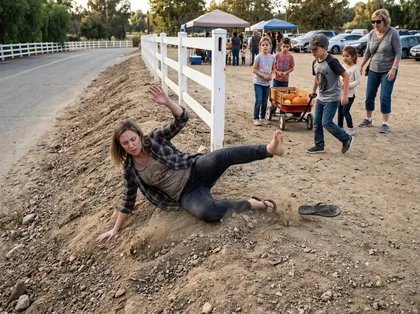
Muddy paths, hidden ditches, uneven ground, and poor lighting can cause visitors to slip or trip. Rain and heavy foot traffic can also make walkways unsafe. At Halloween attractions, decorations, electrical cords, and theatrical fog may obscure obstacles or create additional tripping hazards.
Farm owners may be liable if they fail to address hazards they knew or reasonably should have known about. For example, an operator might fail to warn visitors about a slippery walkway after heavy rain.
Hayrides and Farm Equipment
Tractor-pulled wagons can stop suddenly or turn sharply, causing passengers to lose their balance. Damaged railings, loose trailer connections, and unsafe seating can also lead to falls and serious injuries. On haunted hayrides, sudden scares may also prompt passengers to stand or move toward the wagon’s edge, making safety instructions and supervision especially important.
Farm operators must take reasonable steps to keep passengers safe. Some attractions may also fall under California’s safety regulations for amusement rides. The Cal/OSHA Amusement Ride and Tramway (ART) Unit oversees inspections and permits for qualifying rides.
Animals and Inflatables
Poorly supervised petting zoo animals may bite, kick, or knock visitors down. Halloween masks and costume accessories may limit children’s visibility or snag on animal enclosures and inflatable entrances. Inflatable bounce houses and barrel trains can also cause injuries if operators fail to secure or maintain them.
Depending on the circumstances of the accident, the farm owner, animal handler, or equipment provider may share responsibility.
How Do You Prove Who Caused a Hayride or Pumpkin Patch Injury?
To prove negligence, you must show that the responsible party failed to use reasonable care and caused your injury. Under California law, a negligence claim generally involves four elements:
- Duty of Care: The farm owner, hayride operator, or another party had a legal duty to use reasonable care to prevent foreseeable injuries.
- Breach of Duty: The responsible party failed to meet that duty. For example, a hayride operator might use a wagon with damaged railings.
- Causation: The party’s negligence was a substantial factor in causing your injury. You must connect their actions or failure to act to the accident.
- Damages: You suffered actual harm, such as physical injuries, medical expenses, lost income, or pain and suffering.
For injuries caused by unsafe property conditions, California’s premises liability rules generally require proof of the following:
- Property Control: The defendant owned, occupied, leased, or controlled the property where the accident happened.
- Unsafe Conditions: The property contained a hazard that created an unreasonable risk of injury.
- Failure to Act: The defendant knew or reasonably should have known about the danger but failed to take action.
- Injury and Causation: The defendant’s negligence was a substantial factor in causing your injury.
Other negligence claims, such as unsafe hayride driving, may require different evidence.
For example, a visitor injured by a collapsing wagon railing may need maintenance records, photographs, and witness statements. These can help show whether the operator knew about the problem or failed to inspect the equipment.
A California premises liability injury attorney can review the evidence and identify which parties may be responsible.
Factors That Can Affect Your Hayride or Pumpkin Patch Injury Claim
A signed waiver, posted warning, or known recreational risk may affect your claim. However, these do not automatically protect a negligent farm operator from every lawsuit.
Signed Liability Waivers
California courts may enforce properly drafted waivers that cover ordinary negligence during recreational activities. However, the California Supreme Court ruled in City of Santa Barbara v. Superior Court (2007) that recreational waivers generally cannot excuse gross negligence.
Gross negligence involves an extreme departure from ordinary care. For example, an operator might knowingly use seriously defective hayride equipment despite clear safety warnings.
Whether a waiver applies depends on its wording, the activity, and the conduct that caused the injury.
Posted Warning Signs
Warning signs can help businesses alert visitors to hazards. However, posting a sign does not automatically remove the duty to use reasonable care.
For example, a sign warning about uneven ground may help visitors avoid an ordinary terrain hazard. It may not adequately address a concealed ditch beside a crowded walkway.
The sign’s visibility, wording, placement, and connection to the hazard can affect liability.
Assumption of Risk
California recognizes that some recreational activities carry risks that operators cannot reasonably eliminate. Under Nalwa v. Cedar Fair, L.P. (2012), certain recreational operators may avoid liability for risks inherent in an activity. However, they generally cannot unreasonably increase those risks.
Whether this defense applies to a hayride or farm attraction depends on the activity and the circumstances.
Shared Fault
California follows a pure comparative negligence rule. You may still recover compensation if your own conduct contributed to the accident.
For example, suppose you ignored a safety instruction before a fall on a hayride. The operator also failed to secure a damaged railing.
If your damages total $100,000 and you are 30% responsible, your recovery would generally fall to $70,000.
Can I Sue if I Was Injured at a Free Pumpkin Patch?
Yes, you may still sue in some cases, but California law provides some protection to landowners who allow free recreational use of their property.
Under California Civil Code § 846, landowners may avoid liability for certain injuries that occur during recreational activities. However, this protection has exceptions. The law generally does not protect landowners when:
- Visitors pay for recreational access to the property.
- The landowner personally invites someone onto the property rather than simply allowing public access.
- The landowner willfully or maliciously fails to protect visitors from or warn them about dangerous conditions.
Whether you paid admission, received a personal invitation, or encountered a known hazard can affect your right to sue. A farm that offers free admission does not automatically avoid liability for every visitor injury.
What Evidence Can Help Prove Fault After a Farm Injury?
The most useful evidence shows what caused your hayride or pumpkin patch injury and who controlled the unsafe condition. For Halloween events, document the conditions of the wagon, boarding areas, and pumpkin patch paths before operators dismantle seasonal attractions. Preserve footage showing how nighttime lighting or scare effects contributed to the accident.
Important evidence may include:
- Incident Reports: Reports from farm management can document when and where the accident happened. They may also identify the employees or equipment involved.
- Photos and Videos: Images can show unsafe walkways, damaged railings, missing warnings, or other hazards. Surveillance footage may also capture the accident.
- Inspection and Maintenance Records: These records may reveal equipment problems, previous repairs, or safety concerns. Cal/OSHA may hold additional records for qualifying amusement rides.
- Witness Statements: Other visitors or employees may describe what happened and whether they noticed the hazard before the accident.
- Medical Records: Treatment records can help connect your injuries to the accident and establish their severity.
- Liability Waivers: Signed agreements may show which risks the business disclosed and what legal protections it intended to claim.
What Should You Do After a Hayride or Pumpkin Patch Injury?
After a farm attraction injury, seek medical care and report the accident. Taking prompt action can also help protect your legal rights.
Follow these recommended steps:
- Get Medical Attention: Seek treatment for your injuries, especially if you hit your head or have difficulty moving. Follow your doctor’s treatment instructions.
- Notify Farm Management: Tell the manager or attraction operator what happened. Request a copy of the incident report if one is available.
- Request Evidence Preservation: Ask the operator to retain surveillance footage, maintenance records, and other evidence related to the accident.
- Keep Important Documents: Save your admission tickets, receipts, waiver forms, medical bills, and communications with the farm or its insurer.
- Consult a Personal Injury Lawyer: An attorney can review the circumstances of the accident, identify potentially liable parties, and explain the available legal options.
Even when you have time to file a lawsuit, delays may affect the evidence available to support your claim.
If you or a family member were injured at a California pumpkin patch, hayride, or seasonal farm event, Arash Law can review your accident and explain your legal options.
Call (888) 488-1391 for a free case evaluation.
What Compensation Can You Recover After a Hayride or Pumpkin Patch Injury?
If another party’s negligence caused your injury, you may seek compensation for your related losses. The amount depends on your injuries, treatment needs, and available evidence.
A personal injury claim may include compensation for:
- Medical Expenses: Emergency treatment, hospital stays, surgery, medication, and follow-up appointments.
- Future Medical Care: Rehabilitation, physical therapy, medical equipment, and treatment for lasting injuries.
- Lost Income: Wages or earnings you lost because your injuries prevented you from working.
- Reduced Earning Ability: Future income losses caused by permanent injuries or work limitations.
- Pain and Suffering: Physical pain, emotional distress, and changes to your daily activities.
- Long-Term Disabilities: Supported losses related to permanent disabilities, ongoing assistance, or other lasting effects.
The compensation available may also depend on your share of fault and the applicable insurance coverage.
For example, the farm’s commercial liability insurance may cover certain visitor injuries. A separate hayride operator may also carry its own policy.
If a farm accident causes a fatal injury, eligible family members may pursue a wrongful death claim under CCP § 377.60. The law allows recovery of certain losses, depending on the circumstances.
Filing Deadlines for California Farm Injury Claims
You generally have two years from the injury date to sue a private farm or hayride operator under CCP § 335.1. However, different rules apply to government claims, injured children, and fatal accidents.
These deadlines may also apply:
- Fatal Accidents: Eligible family members generally have two years from the date of the wrongful death to sue a private party for wrongful death.
- Government Claims: You generally must submit a written claim to the responsible agency within six months under Government Code § 911.2.
- After a legally sufficient written rejection notice, you generally have six months to sue.
- Without that notice, the deadline is generally two years from the date of injury.
- Late Government Claims: Certain late-claim applications may be submitted within one year of the injury under Government Code § 911.4. Approval is not automatic.
- Injured Children: CCP § 352 generally pauses the deadline for a child’s personal injury lawsuit until age 18. This generally does not extend the six-month government claim deadline.
Preserve evidence promptly. After Halloween, farms may dismantle hayrides, repair pumpkin patch paths, or close for the season. An attorney can request preservation of surveillance footage and other records before they become unavailable.
Frequently Asked Questions About Hayride and Pumpkin Patch Injuries in California
My Friend Fell Off a Hayride at a Pumpkin Patch. Who Can File a Claim?
Your injured friend may file a personal injury claim against the responsible party. If your friend is a minor, a parent or guardian may pursue the claim on the child’s behalf.
A witness generally cannot bring an injury claim solely because they saw the accident. However, witness statements may help establish fault.
I Signed a Waiver for My Child. Does That Prevent Us From Making a Claim?
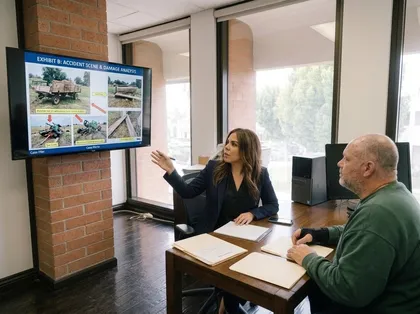
Not necessarily. Enforceability depends on the waiver’s wording, the activity, and the circumstances. A waiver generally cannot excuse gross negligence. Have an attorney review it before assuming your child cannot recover compensation.
What If A City, County, Or School Ran The Hayride Or Pumpkin Patch?
Different liability rules and immunities apply to public agencies. You generally must submit a written government claim within six months of the injury before suing.
For school field trips, Education Code § 35330 may also bar claims against the district. Claims against a private farm or hayride operator may remain available, generally subject to a two-year lawsuit deadline, with exceptions.
What if Another Visitor Pushed Me Off a Hayride?
You may have a claim against the visitor who pushed you. The hayride operator may also share responsibility if negligent supervision or unsafe conditions contributed to the fall.
For example, an operator who ignores repeated dangerous behavior may face liability if that conduct leads to a foreseeable injury.
What if I Was Working at the Pumpkin Patch When I Got Hurt?
Farm employees may qualify for workers’ compensation benefits after a work-related injury. Workers’ compensation generally covers qualifying job injuries regardless of fault. A separate personal injury claim may be available if a negligent third party caused the accident. The two claims follow different rules and filing deadlines.
Do I Have to Speak With the Farm’s Insurance Company Before Hiring a Lawyer?
No. You generally do not have to give the farm’s insurer a recorded statement before consulting an attorney. You can report the basic facts of the accident and ask about the claims process. Consider seeking legal advice before signing a settlement agreement or release.
How Much Does It Cost to Hire a Lawyer for a Hayride or Pumpkin Patch Injury?
Many California personal injury lawyers, including those at Arash Law, handle these claims on a contingency-fee basis. Under this arrangement, attorneys’ fees depend on obtaining compensation.
The written agreement must explain the fee percentage and how the attorney handles case costs, as required by Business and Professions Code § 6147.
Get a Free Case Review About A Hayride or Pumpkin Patch Injury
If you suffered an injury at a hayride, pumpkin patch, or another seasonal farm attraction in California, you may have grounds for a personal injury claim.
Arash Law can investigate the cause of the accident, review waivers and insurance issues, and identify parties who may be responsible.
Our attorneys can also help preserve evidence and pursue compensation for medical expenses, lost income, and other supported losses.
Call (888) 488-1391 for a free case evaluation.
Sources
- California Civil Code § 1714. General duty of care. https://leginfo.legislature.ca.gov/faces/codes_displaySection.xhtml?lawCode=CIV§ionNum=1714
- Judicial Council of California, CACI Nos. 402 and 1000–1003. Children’s standard of care and premises liability. https://courts.ca.gov/partners/california-jury-instructions/civil-jury-instructions-resource-center/civil-jury-instructions
- California DIR, Amusement Ride and Tramway Unit. Amusement ride safety regulations. https://www.dir.ca.gov/dosh/AROffices.htm
- California Civil Code § 1668. Restrictions on liability waivers. https://leginfo.legislature.ca.gov/faces/codes_displaySection.xhtml?lawCode=CIV§ionNum=1668
- City of Santa Barbara v. Superior Court (2007) 41 Cal.4th 747. Waivers and gross negligence. https://nsglc.olemiss.edu/SandBar/SandBar6/6.3waiver.htm
- Nalwa v. Cedar Fair, L.P. (2012) 55 Cal.4th 1148. Assumption of risk. https://www.courtlistener.com/opinion/821513/nalwa-v-cedar-fair-lp/
- Li v. Yellow Cab Co. (1975) 13 Cal.3d 804. Pure comparative negligence. https://scholarlycommons.pacific.edu/cgi/viewcontent.cgi?article=2458&context=mlr
- California Education Code § 35330. School field trip waiver of claims. https://leginfo.legislature.ca.gov/faces/codes_displaySection.xhtml?lawCode=EDC§ionNum=35330
- California Civil Code § 846. Recreational use immunity. https://leginfo.legislature.ca.gov/faces/codes_displaySection.xhtml?lawCode=CIV§ionNum=846
- California Code of Civil Procedure § 335.1. Personal injury filing deadline. https://leginfo.legislature.ca.gov/faces/codes_displaySection.xhtml?lawCode=CCP§ionNum=335.1
- California Code of Civil Procedure § 352. Filing deadlines for minors. https://leginfo.legislature.ca.gov/faces/codes_displaySection.xhtml?lawCode=CCP§ionNum=352
- California Code of Civil Procedure § 377.60. Wrongful death claims. https://leginfo.legislature.ca.gov/faces/codes_displaySection.xhtml?lawCode=CCP§ionNum=377.60
- California Government Code § 911.2. Government claim deadline. https://leginfo.legislature.ca.gov/faces/codes_displaySection.xhtml?lawCode=GOV§ionNum=911.2
- California Government Code § 911.4. Late government claims. https://leginfo.legislature.ca.gov/faces/codes_displaySection.xhtml?lawCode=GOV§ionNum=911.4
- California Government Code § 912.4. Government claims response period. https://leginfo.legislature.ca.gov/faces/codes_displaySection.xhtml?lawCode=GOV§ionNum=912.4
- California Government Code § 945.6. Lawsuit deadlines after government claims. https://leginfo.legislature.ca.gov/faces/codes_displaySection.xhtml?lawCode=GOV§ionNum=945.6
- California Business and Professions Code § 6147. Contingency fee agreements. https://leginfo.legislature.ca.gov/faces/codes_displaySection.xhtml?lawCode=BPC§ionNum=6147
Disclaimer
The information on this page is for general educational purposes and does not constitute legal advice. No attorney-client relationship is formed by reading or relying on this content. If you were injured, consult a licensed California personal injury attorney about your specific situation. Arash Law: (888) 488-1391.