California Dairy Queen Injury Attorneys
- PAY NOTHING UPFRONT
- OVER $1 BILLION RECOVERED
- ZERO-FEES UNTIL WE WIN

We’ll review what happened and tell you what options may be available.
MAKE THEM PAY, CALL AK!
24-hour accident hotline: (888) 488-1391
Customers, visitors, delivery drivers, and other individuals injured by negligence or an unsafe condition at a Dairy Queen may be eligible to pursue a claim in California. Arash Law represents these victims throughout the state, helping them seek compensation for the resulting medical expenses, lost income, pain and suffering, and other losses.
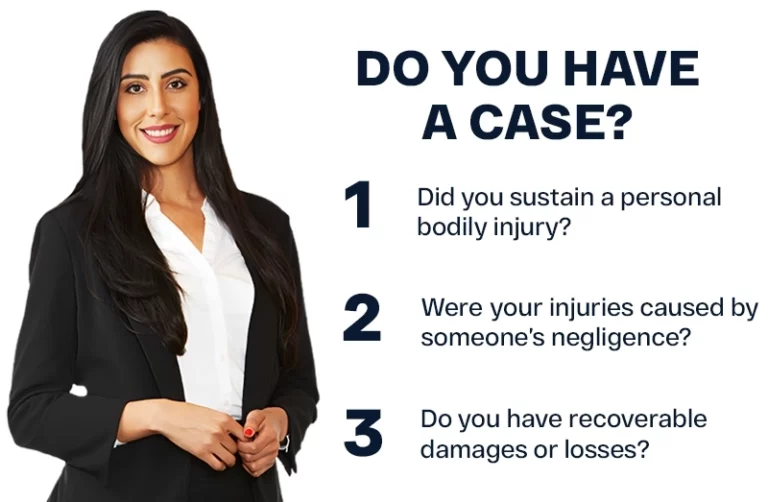
Call us at (888) 488-1391 or fill out our Do I Have a Case? form for a free case evaluation. Hablamos español.
Why California Injury Victims Choose Arash Law
- Over $1 billion recovered for injured clients.
- 1,200+ verified Google reviews with a 4.9-star rating from real clients.
- Statewide representation for injured people across California.
- No upfront attorney’s fees to get started.
Reviewed by: Arash Khorsandi, Esq. | California State Bar #249405 | Law & insurance limits current as of: September 2026
Key Facts About California Dairy Queen Injury Claims
- California businesses must use reasonable care. California Civil Code § 1714 can support liability when a Dairy Queen operator or another responsible party fails to use reasonable care, and that failure causes an injury.
- A Dairy Queen does not always need actual knowledge of a hazard. Under Ortega v. Kmart Corp. (2001) 26 Cal. 4th 1200, an operator may still be liable if it created the dangerous condition or should have discovered it through reasonable inspection and care.
- California follows pure comparative fault. Under Li v. Yellow Cab Co., 13 Cal. 3d 804, an injured person may still recover when they share responsibility, although their damages generally decrease according to their percentage of fault.
- Most personal injury lawsuits have a two-year deadline. California Code of Civil Procedure § 335.1 generally gives an injured person two years to file a personal injury lawsuit after a Dairy Queen accident.
If you’re wondering how these legal nuances affect your options after a Dairy Queen injury, call (888) 488-1391 and schedule a case review with one of our attorneys.
Results in Premises Liability Cases Involving Falls and Serious Injuries
These case results show how evidence, investigation, and trial preparation can matter in premises liability cases involving serious injuries.
- $3,500,000 — Premises Liability: Our client suffered a spinal injury after falling in an area with inadequate lighting. Our team developed the premises liability claim around the unsafe property condition and pursued compensation for the serious impact the injury had on our client’s life. The case resulted in a $3.5 million recovery.
- $3,000,000 — Slip-and-Fall: Our client suffered a spinal injury in a slip-and-fall accident in November 2021. Video evidence became a key part of the case because it helped document how the accident happened. Our team used that evidence to secure a $3 million recovery for our client.
- $1,250,000 — Premises Liability: Our client was painting outside a nail salon when the defendants knocked down his ladder. He fell to the ground and suffered shoulder and head injuries, including a mild traumatic brain injury that was diagnosed later on. Our team prepared the case for trial and continued pursuing the claim through the litigation process. The case resolved for $1.25 million three weeks before trial.
Disclaimer: These are results from prior cases and do not guarantee or predict a similar outcome. Every injury claim depends on its own facts, injuries, evidence, applicable law, and available sources of recovery.
If you sustain an injury at a Dairy Queen due to someone else’s negligence or because of an unsafe condition, our attorneys can help. We can investigate what happened, preserve available evidence, and identify the parties who may be responsible. Call (888) 488-1391 for a free case evaluation. No attorney’s fees unless we recover compensation for you.
(No guarantee of outcome. Results displayed were dependent on unique facts of that case, and different facts will bring different results.)
How Parking Lot and Drive-Thru Hazards Affect Dairy Queen Injury Claims
Parking lot and drive-thru hazards can affect who may be liable and what evidence you need to prove your Dairy Queen injury claim. If poor lighting, damaged pavement, slippery surfaces, unsafe traffic flow, or another dangerous condition contributed to your injury, the restaurant operator, property owner, driver, or another responsible party may be liable depending on the facts. Arash Law explains these issues further in its guide on what happens after a drive-thru accident.
How Comparative Fault Works in a California Dairy Queen Injury Claim
You may still recover compensation if you were partly responsible for your Dairy Queen accident. California follows pure comparative fault, so your damages are generally reduced by your percentage of responsibility rather than eliminated. That means you can still pursue compensation even if you were partly at fault for the accident, as long as another party’s negligence also contributed.
How Much Compensation Can I Recover for a Dairy Queen Injury Claim?
The amount you can pursue may depend on factors such as the severity of your injuries, medical expenses, lost income, future treatment, pain and suffering, available insurance, and whether you share any fault. These same factors help explain why the average slip-and-fall settlement can vary widely from one case to another.
How Contingency Fees Work in California Injury Cases
A contingency fee means you do not pay attorney’s fees up front. The lawyer receives an agreed percentage of the recovery if the case succeeds, and the written fee agreement explains how the attorney’s fees and case-related costs are handled. The percentage can vary, so it can help to understand what percentage most personal injury lawyers take before signing a fee agreement.


How a California Dairy Queen Injury Attorney Can Help
A California Dairy Queen injury attorney can help you understand your legal options, preserve important evidence, and pursue compensation from the parties that may be responsible. An attorney can:
- Investigate how the accident happened and identify potentially liable parties.
- Request and preserve surveillance footage, incident reports, inspection records, and other evidence.
- Review available insurance coverage and communicate with insurers on your behalf.
- Document your medical expenses, lost income, and other accident-related losses.
- Address comparative fault arguments or disputes about how the injury occurred.
- File a lawsuit and prepare the case for trial if a fair resolution cannot be reached.
Who Can File a Dairy Queen Injury Claim?
A person may have a Dairy Queen injury claim when another party’s negligence or wrongful conduct causes legally recognized harm. The type of claim depends on the injured person’s relationship to the property, how the accident happened, and who may be responsible. Different rules can apply to workers, minors, and fatal injuries:
- Customers and Visitors: A customer or lawful visitor may have a claim when a dangerous condition or negligent conduct causes an injury.
- Drive-Thru Customers: A person injured in a drive-thru or parking area may have a claim if the evidence supports a finding of negligence by the person or business responsible for the area.
- Delivery Drivers and Contractors: A delivery driver, vendor, or contractor may have a personal injury claim against a negligent third party. Workers’ compensation rules may also apply when the injury occurred during work.
- Employees: Workers injured while on the job generally look first to the workers’ compensation system. A separate claim may sometimes exist against a negligent third party other than the employer.
- Minors: A child can have an injury claim, but a minor generally appears in court through a guardian or guardian ad litem.
- Eligible Family Members After a Fatal Injury: California Code of Civil Procedure § 377.60 identifies people who may bring a wrongful death action when a death results from another party’s wrongful act or neglect.
Common Types of Dairy Queen Injury Claims
Restaurant injury claims can arise in many ways. Examples at a Dairy Queen include:
- Slips on melted ice cream, soft serve, milkshakes, soda, grease, or water.
- Trips caused by damaged flooring, loose mats, clutter, or unsafe walkways.
- Falls on poorly maintained steps, entrances, or restroom floors.
- Burns from hot food, beverages, cooking equipment, or heated surfaces.
- Injuries caused by falling signs, fixtures, supplies, or other objects.
- Injuries involving broken chairs, tables, counters, or other restaurant fixtures.
- Injuries caused by defective restaurant equipment or products.
- Parking lot or drive-thru accidents involving potholes, poor lighting, slippery surfaces, or unsafe traffic flow.
An injury alone does not prove negligence. The evidence must connect the injury to a legally responsible party’s conduct or failure to use reasonable care.
Common Injuries After a Dairy Queen Accident
Victims injured at a Dairy Queen can sustain:
- Head and brain injuries from falls or being struck by an object.
- Back and spinal injuries from hard falls, sudden impacts, or vehicle collisions.
- Broken bones and joint injuries involving the wrists, arms, hips, knees, or ankles.
- Sprains and soft-tissue injuries that affect muscles, ligaments, and tendons.
- Burn injuries from hot liquids, food, restaurant equipment, or heated surfaces.
- Cuts and lacerations from broken glass, sharp fixtures, or damaged equipment.
- Psychological effects such as anxiety or fear after a serious accident.
The type and severity of the injury can affect the medical care you need, how long recovery takes, and the amount of compensation you may be able to pursue.
What Evidence Can Help a Dairy Queen Injury Claim?
Evidence can help show what caused your injury, who may be responsible, and whether the facts support a claim. These pieces of evidence can also help determine whether you can sue a store for a slip-and-fall or another premises-related injury.
Useful evidence may include:
- Photos or videos of the dangerous condition.
- Photos of your injuries.
- Surveillance footage, if available.
- An incident report.
- Witness names and contact information.
- Receipts or other records showing you were at the location.
- Medical records and bills.
- Records of missed work or lost income.
- Cleaning, inspection, or maintenance records obtained during the claim or lawsuit.
Some evidence can change or become unavailable over time. A spill may be cleaned, a damaged fixture repaired, or surveillance video overwritten as part of a business’s normal retention practices. Preserving available evidence early can help protect your ability to show what happened.
How Insurance Applies to California Dairy Queen Injury Claims
The insurance that applies to a Dairy Queen injury claim depends on who caused the harm, where the accident happened, and whether the injured person was a customer, worker, driver, or another visitor.
More than one policy may apply in some cases:
- Commercial General Liability (CGL) Insurance: May apply when an unsafe condition, such as a spill, unsafe floor, poor lighting, or another hazard, injures a customer or visitor. CGL policies may also include products-liability coverage for certain injuries arising from products sold or distributed by the business, subject to the policy’s terms and exclusions.
- Commercial Auto Insurance: May apply when a vehicle is involved in an accident in a Dairy Queen parking lot or drive-thru. Depending on the facts, coverage may come from a personal auto policy, business auto policy, or another applicable policy.
- Workers’ Compensation Insurance: Generally covers Dairy Queen employees injured while working and can provide medical and wage-replacement benefits regardless of fault.
- Umbrella or Excess Liability Insurance: May provide additional coverage when damages exceed the limits of a primary liability policy.
Insurance can affect how much compensation may be available, which party handles the claim, and how long the case takes to resolve. Coverage disputes, multiple insurers, or disagreements over liability can also affect the timeline, which is one reason a slip-and-fall case can take different amounts of time to resolve.

What Damages Can You Recover After a Dairy Queen Accident?
The compensation available depends on the type of claim, the severity of the injury, and the losses caused by the accident.
- Economic damages can include measurable financial losses, such as past and future medical expenses, lost earnings, reduced earning capacity, and other reasonable expenses incurred as a result of the injury.
- Non-economic damages can compensate for the personal effects of the injury, including physical pain, mental suffering, emotional distress, inconvenience, and loss of enjoyment of life.
- Workers’ compensation benefits may be available to Dairy Queen employees who suffer a work-related injury or illness. California workers’ compensation can provide medical care, temporary disability benefits, permanent disability benefits, and, when applicable, supplemental job displacement benefits.
What Happens After a Dairy Queen Injury Claim Begins?
The exact process depends on the case, but it usually begins with medical care and documentation, evidence preservation, and the identification of responsible parties. Afterward, a Dairy Queen injury claim may involve these stages:
- Insurance claim and demand. A claim may be presented to an applicable insurer, and a demand for compensation may be made when appropriate.
- Settlement negotiations. The parties may try to resolve the claim before a lawsuit is filed.
- Lawsuit, if necessary. If the claim does not resolve, a lawsuit may be filed before the applicable deadline.
- Discovery and case preparation. After a lawsuit is filed, the parties may exchange documents, written questions, deposition testimony, and other evidence through discovery.
- Settlement or trial. The case may settle during litigation. If it does not, a judge or jury may decide the disputed issues at trial.
Who May Be Liable for a Dairy Queen Accident?
Responsibility depends on who controlled the property, caused the dangerous condition, knew or should have known about it, or otherwise contributed to the injury.
Potentially responsible parties may include:
| Potential Party | How Liability May Arise |
|---|---|
| Restaurant Operator | The business operating the location may be responsible for unsafe floors, poor maintenance, negligent employee conduct, or other hazards within its control. |
| Property Owner | A separate property owner may be liable for a dangerous condition that it controlled or had a duty to repair. |
| Maintenance or Cleaning Contractor | A contractor may share liability if its work created or failed to address a dangerous condition. |
| Equipment or Product Manufacturer | A manufacturer or supplier may be responsible when a defective product or piece of equipment causes an injury. |
| Other Businesses or Individuals | Other parties may share responsibility when their conduct contributed to the accident. |
A Dairy Queen name on the building does not by itself establish which company is legally responsible. Ownership, operation, control, contracts, and the circumstances of the accident can all matter.
Applicable Deadlines for Filing a California Dairy Queen Injury Claim
The deadline depends on the type of loss and who may be responsible:
- Workers’ Compensation — 30 Days to Report, One Year to File (Lab. Code §§ 5400, 5405): A Dairy Queen employee injured on the job generally must notify the employer of the injury within 30 days. A workers’ compensation claim generally must be filed within one year of the date of injury. However, the period can be measured differently in some situations, such as when benefits were previously provided. Reporting the injury promptly helps protect access to medical care and disability benefits.
- Personal Injury — Two Years (CCP § 335.1): Generally gives an injured person two years to file a lawsuit for injuries caused by another party’s wrongful act or negligence.
- Property Damage — Three Years (CCP § 338(c)(1)): Generally gives a person three years to bring an action for damage to personal property. This may matter if a Dairy Queen accident also damaged items such as a phone, vehicle, or other personal belongings.
- Government Claims — Six Months (Gov. Code § 911.2): Generally requires that a claim involving injury, death, or damage to personal property be presented to a California public entity within six months after the claim accrues, often measured from the date of the injury. Different lawsuit deadlines can apply after the public entity acts on the claim.
- Claims Involving Minors — Varies (CCP § 352): CCP § 352(a) can pause certain civil filing deadlines while an injured person is under 18 or lacks legal capacity to make decisions. Under § 352(b), however, this tolling rule does not apply to claims against public entities or public employees that are subject to the Government Claims Act.
Reviewing the facts early can help you identify the applicable filing period and avoid missing a deadline that could affect your right to seek compensation. However, deadlines are not the only reason to act quickly after a Dairy Queen injury.
Evidence can disappear long before a lawsuit deadline expires. Surveillance footage may be overwritten, spills cleaned, damaged property repaired, and witnesses may become harder to locate. Preserving photos, videos, incident reports, witness information, and other records early can make it easier to prove what happened.
Frequently Asked Questions About Dairy Queen Injury Claims
Is it Worth Getting a Lawyer After a Minor Dairy Queen Accident?
It may be worth speaking with a lawyer even after a minor Dairy Queen accident if you needed medical care, missed work, have ongoing symptoms, or are unsure who was responsible. Some injuries become more noticeable over time. A case review can help you understand whether the potential recovery justifies pursuing a claim.
Do I Still Have a Case If My Injuries are Not Serious?
Even if your injuries are not severe, you may still have a claim. What matters is whether another party’s negligence caused you harm and whether you have losses such as medical expenses, missed work, pain, or other accident-related effects. A case review can help you understand whether your injuries and evidence support a claim.
What If My Actions Contributed to My Dairy Queen Accident?
You can still pursue compensation even if your own actions contributed to the accident. California follows pure comparative fault, so your recovery may be reduced according to your percentage of responsibility rather than eliminated.
What If Dairy Queen Cleaned Up the Hazard Before I Could Take a Photo?
A missing photo of the hazard does not automatically defeat your claim. Surveillance footage, witness statements, cleaning records, incident reports, employee testimony, and other evidence may help establish what the condition was before it was cleaned or repaired.
What If I Am a Delivery Driver or Contractor Injured at Dairy Queen?
You may have a personal injury claim if a negligent third party caused your injury while you were making a delivery or performing contract work at Dairy Queen. Workers’ compensation may also apply if the injury happened in the course of your employment, depending on your work status and the other facts of the case.
What If I Already Received a Settlement Offer?
How Much Does It Cost to Hire a Dairy Queen Injury Attorney?
Arash Law handles injury cases on a contingency fee basis. You generally do not pay attorney’s fees upfront. Instead, the fee comes from the recovery if the case succeeds. The written fee agreement explains the percentage and how case-related costs are handled.
What If the Responsible Party Has Little or No Insurance?
You may still have options if the responsible party lacks enough insurance to cover your losses. Other liable parties or applicable insurance policies may provide additional sources of recovery, depending on how the accident happened. An attorney can investigate ownership, control, contracts, and available coverage before determining what compensation may be available.
How Long Do I Have to File a Dairy Queen Injury Claim?
Most California personal injury lawsuits must be filed within two years, but shorter or different deadlines can apply. Government claims generally require action within six months, and workers’ compensation has separate notice and filing periods. The correct deadline depends on the type of claim and the parties involved.
How Much Is My Dairy Queen Injury Claim Worth?
There is no fixed value for a Dairy Queen injury claim. The amount typically depends on the severity of your injury and the extent of your documented losses.
Cities We Serve for Dairy Queen Injury and Premises Liability Claims
Arash Law represents people injured at Dairy Queen locations throughout California. We handle premises liability and other injury cases in several locations, including:
Talk to Our California Dairy Queen Injury Attorneys
If you suffered an injury at a Dairy Queen because of someone else’s negligence or wrongful conduct, you may have the right to seek compensation. Our attorneys can review what happened, identify the parties who may be responsible, preserve available evidence, examine applicable insurance coverage, and document the losses caused by your injury.
We represent injured customers, visitors, delivery drivers, and others throughout California. Whether your case involves a slip-and-fall, burn, drive-thru accident, defective equipment, or another unsafe condition, our team can explain your legal options and handle the claim while you focus on your recovery.
Call (888) 488-1391 for a free case evaluation. We are available 24/7 to speak with injured people across California. Hablamos español.
Make ‘Em Pay, Call AK.
Disclaimer: This page is for general informational purposes only and does not provide legal advice. Contacting Arash Law does not create an attorney-client relationship. Every case depends on its specific facts, including the injuries involved, available evidence, applicable deadlines, liability, and insurance coverage.