TL;DR: Yes. A California slip-and-fall claim may cover additional harm when a property hazard makes an existing injury worse. You still need to show who was responsible for the fall and how your condition changed afterward.
In California, a slip-and-fall claim may include compensation when a dangerous property condition exacerbates a preexisting injury. The injured person must still prove the premises liability claim and show how the fall caused additional harm.
California Civil Jury Instruction (CACI) No. 3927 addresses the worsening of a preexisting condition. CACI No. 3928 also applies when a person is more vulnerable to injury than someone in better health.
These rules apply to slip-and-fall claims throughout California. For example, if someone in Lompoc slips on a dangerous condition at a store or apartment property, the same core issues apply: who controlled the property, whether negligence caused the fall, and how the accident worsened the preexisting condition.
Table of Contents

I Already Had an Injury Before the Fall, but the Dangerous Property Condition Made it Worse. Can I Still Recover for the Aggravation?
Yes. An old injury does not automatically prevent you from seeking compensation if a slip and fall made that condition worse.
CACI No. 3927 allows damages for the effect of a defendant’s wrongful conduct on a preexisting condition. The claim is not based on the fact that the old injury existed. It focuses on the additional symptoms, treatment, limitations, or other harm caused by the fall.
You must still prove the underlying premises liability claim. That includes showing who was responsible for the property, whether a dangerous condition existed, whether negligence contributed to the fall, and whether the fall caused the additional harm you are claiming.
Key Facts About California Slip-and-Fall Claims Involving Preexisting Injuries
- A prior injury does not automatically prevent a claim. You may seek compensation if the fall caused additional harm.
- The claim looks at what changed after the fall. Medical and other evidence can help separate the earlier condition from the worsening caused by the accident.
- Unusual vulnerability does not excuse the responsible party. CACI No. 3928 applies when someone suffers greater harm because they were more susceptible to injury.
- Premises liability still must be proved. The evidence must connect the dangerous property condition and the responsible party’s negligence to the fall.
- Before-and-after medical records can be important. Earlier records may establish a baseline, while later records may show increased symptoms, treatment, or limitations.
- Insurance and filing requirements depend on the circumstances. The parties involved, available coverage, and whether public property was involved can affect the claim.
How Aggravation of a Preexisting Injury Works in California
An aggravation slip-and-fall claim asks what changed because of the fall. The existence of an earlier injury is only the starting point.
That usually means proving two things.
- First, someone was legally responsible for the dangerous condition.
- Second, the fall caused additional harm beyond what you already experienced before the accident.
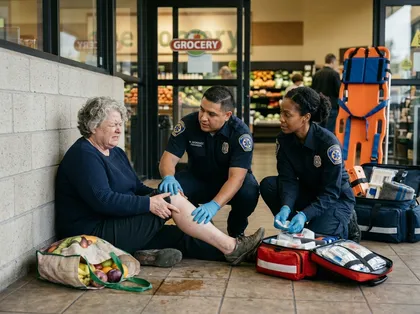
Consider a hypothetical example. A shopper has an older knee injury that causes occasional pain but does not require ongoing treatment. They later slip on a wet floor and experience substantially worse pain, new mobility restrictions, and additional medical treatment.
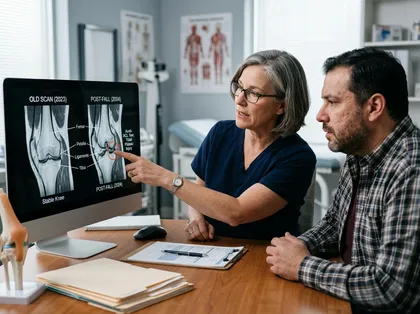
The earlier knee condition does not disappear from the analysis. Instead, the evidence may be used to compare the person’s condition before the fall with the condition afterward.
If the evidence supports that the fall caused the additional symptoms or limitations, CACI No. 3927 permits compensation for the effect of the wrongful conduct on the preexisting condition. The defendant is not automatically responsible for problems that existed independently before the fall.
Aggravation and the Eggshell Plaintiff Rule Are Related but Different
A preexisting injury does not automatically prevent a slip-and-fall claim, but California law looks at the situation in two different ways. Aggravation focuses on whether the fall made an existing condition worse, while the eggshell plaintiff rule applies when the injured person was already more vulnerable to harm than someone in better health.
| Aggravation of a Preexisting Injury | Eggshell Plaintiff Rule |
|---|---|
| The fall worsens an existing injury or medical condition. | The injured person is more vulnerable to harm than someone in better health. |
| The main question is whether the fall caused additional symptoms, required treatment, or led to limitations. | The main question is whether the defendant is still responsible even though the person was unusually susceptible to injury. |
| Compensation may cover the added harm caused by the worsening. | Compensation is not reduced just because a healthier person might have been hurt less. |
| Before-and-after medical records can help show what changed. | Medical evidence can help show the person’s vulnerability and the harm the fall caused. |
| The claimant still must prove that the dangerous condition and negligence caused the additional harm. | The claimant still must prove that the dangerous condition and negligence caused the injury. |
Legal basis: CACI No. 3927 and CACI No. 3928.
Who Can Be Liable When a Dangerous Property Condition Causes the Fall?
A claim for aggravation still depends on proving who was responsible for the dangerous property condition.
California Civil Code § 1714 sets out the general duty to use reasonable care in managing property. Depending on the circumstances, potentially responsible parties may include:
- Property owners who failed to address a dangerous condition.
- Businesses or tenants that controlled the area where the fall happened.
- Property managers responsible for maintenance or safety.
- Maintenance contractors whose work contributed to the hazard.
- Other parties whose actions or responsibilities played a role in the dangerous condition.
Claims involving public property follow different rules. Government Code § 835 addresses liability for qualifying dangerous conditions on public property, and government claim procedures may apply before a lawsuit can be filed.
Our California premises liability attorneys can review who controlled the property, whether the responsible party had notice of the hazard, what evidence is available, and how a prior injury may affect the claim.
Evidence That May Help Show an Old Injury Became Worse
An aggravation claim often depends on a clear before-and-after comparison. The evidence should help show both what caused the fall and how your condition changed afterward.
Useful evidence can include:
- Earlier Medical Records: Prior treatment notes can document your symptoms, diagnoses, medications, and physical limitations before the fall.
- Post-Fall Medical Records: Later records may document more severe symptoms, new restrictions, additional treatment, or other changes.
- Medical Imaging: X-rays, MRIs, and other tests can help doctors compare findings before and after the accident.
- Medical Opinions: A treating doctor or other qualified medical professional may explain how the fall affected your existing condition.
- Photos and Video: Images may show the dangerous property condition and the area where the fall happened.
- Incident Reports: A report can document when and where the fall occurred, as well as what was reported afterward.
- Witness Information: Witnesses may describe the hazard, the fall, or changes they noticed in your abilities afterward.
- Maintenance Records: Cleaning, inspection, and repair records can help show how the property was managed before the accident.
- Employment Records: Work records may document added absences, reduced hours, or new restrictions after the fall.
Earlier medical records are not automatically harmful simply because they involve the same body part. They may also provide a useful baseline for showing how your symptoms, treatment, or limitations changed after the accident.
If a fall worsened an earlier injury, Arash Law can review the property condition, your medical history, and the available evidence. Call (888) 488-1391 for a free case evaluation.
How Insurance Can Affect an Aggravated Injury Claim
Insurance disputes involving preexisting conditions often come down to causation. An insurer may compare medical records from before and after the fall to determine whether certain symptoms were already present or worsened as a result of the accident.
That is why an accurate medical history matters. Having similar symptoms before the fall does not mean every problem afterward came from the old injury. At the same time, a claim generally cannot include medical problems that are unrelated to the fall.
Available insurance depends on who is responsible for the property, the relationship between the parties, and the applicable policies. If more than one party may be responsible, multiple sources of coverage may need to be reviewed.
What Compensation Can Cover an Aggravated Injury?
Compensation generally focuses on the additional harm caused by the fall, not simply on the fact that a preexisting condition existed.
Depending on the evidence and circumstances, damages may include:
- Medical expenses for treatment related to the worsening of the condition.
- Lost income if the aggravated injury caused additional time away from work.
- Reduced earning capacity if lasting restrictions affect your ability to earn income in the future.
- Pain and suffering for additional physical pain, mental suffering, inconvenience, or loss of enjoyment caused by the fall.
- Future medical care when evidence supports a need for treatment related to the aggravated condition.
There is no fixed value for a claim involving a worsened preexisting injury. The amount depends on factors such as the extent of the aggravation, the medical evidence, treatment needs, work limitations, available insurance, and other facts specific to the case.
Practical Steps to Take After a Fall Worsens an Old Injury
Understanding what to do after a slip-and-fall accident can help you protect your health and relevant evidence. Your priority should be appropriate medical care. Tell your provider about both the fall and the condition you had before it.
Explain what feels different now. A clear medical history can help your provider understand whether your pain, movement, or treatment needs have changed.
You can also take these practical steps:
- Get appropriate medical care. Tell your provider about the fall and give an accurate history of the condition you had before it.
- Explain what changed. Describe any new symptoms, increased pain, reduced movement, or other differences since the fall.
- Report the incident. Notify the property owner, business, manager, or other appropriate party and ask whether an incident report was created.
- Document the property condition. If possible, photograph or record the floor, walkway, lighting, warning signs, and surrounding area.
- Keep your medical records. Records from before and after the fall may help show how your condition changed.
- Save witness and employment information. Keep witness contact information and records of missed work, modified duties, or new restrictions.
- Keep insurance correspondence and expense records. Save claim information, letters, emails, medical bills, receipts, and related documents.
Property evidence can disappear quickly. Surveillance video may be overwritten, a wet floor may be cleaned, and maintenance or inspection records may become harder to obtain over time.
Call (888) 488-1391 to speak with an attorney about your case. You can reach out to us 24/7.
Filing Deadlines in a Slip-and-Fall Claim in California
A preexisting injury does not extend the filing deadline for a slip-and-fall claim. The deadline usually depends on who is responsible and the type of claim involved.
- Personal Injury Claims: California Code of Civil Procedure § 335.1 generally gives you two years to file a lawsuit against a private party.
- Property Damage Claims: California Code of Civil Procedure § 338 generally provides a three-year filing deadline.
- Government Claims: If a government entity may be responsible, Government Code § 911.2 generally requires a personal injury claim to be presented to the government entity within six months after the cause of action arises, usually before a lawsuit may be filed. For example, a fall on property controlled by the City of Lompoc could trigger this process.
- Late Government Claims: If the six-month deadline is missed, Government Code § 911.4 allows certain late-claim applications. In general, the application must be submitted within one year.
- After A Government Claim Is Rejected: If the agency sends a proper written rejection notice, Government Code § 945.6 generally gives you six months to file a lawsuit.
- If No Proper Rejection Notice Is Provided: Government Code § 945.6 may allow up to two years to file, depending on the circumstances.
Presenting a government claim is only the first step. The agency then has an opportunity to accept, reject, or otherwise act on the claim.
Exceptions can affect these deadlines. Evidence may also disappear well before the legal filing deadline. Surveillance footage can be overwritten, maintenance records may become harder to obtain, and witnesses may become more difficult to locate.
Frequently Asked Questions About Preexisting Injuries and Slip-and-Fall Claims in California
What if My Old Injury Came From a Different Accident?
You may still pursue a claim if the slip and fall caused additional harm. The earlier accident becomes part of your medical history.
Records from both incidents can help show which symptoms existed before the fall and which problems appeared or became worse afterward.
Can I Bring a Claim if I Had Finished Treatment Before the Fall?
Possibly. Finishing earlier treatment does not prevent you from seeking compensation for a later worsening.
If your condition had improved or remained stable, those records may help show how the slip-and-fall incident affected your health.
What if I Do Not Have Copies of My Earlier Medical Records?
Not having copies in your possession does not automatically prevent a claim. Your medical providers may still have records from earlier treatment.
Other evidence may also help describe your condition before the fall, including work records, prior imaging, and testimony about your physical abilities.
What if My Doctor Cannot Tell Exactly How Much the Fall Worsened My Condition?
Some preexisting conditions make it difficult to precisely distinguish old symptoms from new ones.
Medical providers can still explain changes in symptoms, treatment needs, physical limits, and other findings. The available evidence will affect how clearly the worsening can be shown.
Can a Slip and Fall Speed Up the Need for Surgery I Already Expected?
Potentially. A person may already have a condition that could require surgery in the future, but a fall may lead to earlier treatment.
The medical evidence would need to address whether the accident changed the timing or need for the procedure.
Does It Hurt My Claim if I Had Several Preexisting Conditions?
Not necessarily. Having several prior conditions does not automatically prevent recovery.
The claim will usually require a careful review of which conditions were affected and what additional harm the fall caused.
Can Family Members Help Show How My Condition Changed?
They may provide useful information about changes they personally observed.
For example, someone who saw you regularly may describe differences in your walking, work activities, mobility, or daily routine after the fall.
Do Slip-and-Fall Attorneys Charge Upfront Fees?
Many California personal injury attorneys handle these cases on a contingency fee basis. The attorney’s fee is generally tied to obtaining a recovery.
The written fee agreement should explain the percentage, case costs, and other terms before representation begins.
Get Help With a Slip-and-Fall Claim Involving a Preexisting Injury
A prior injury can complicate a slip-and-fall claim, but it does not prevent recovery. The key is showing how your condition changed after the fall and what additional harm the accident caused.
Arash Law can review your medical history, the dangerous property condition, available insurance, and other evidence related to your claim. Our firm has recovered over $1 billion for injured Californians in personal injury cases.
Call (888) 488-1391 for a free case evaluation. You pay no attorneys’ fees unless Arash Law recovers compensation for you.
Sources
- Judicial Council of California — CACI Nos. 3927 and 3928.
https://courts.ca.gov/system/files/file/judicial_council_of_california_civil_jury_instructions_2026.pdf- California Civil Code § 1714 — Duty of ordinary care.
https://leginfo.legislature.ca.gov/faces/codes_displaySection.xhtml?lawCode=CIV§ionNum=1714- California Government Code § 835 — Dangerous public property.
https://leginfo.legislature.ca.gov/faces/codes_displaySection.xhtml?lawCode=GOV§ionNum=835- California Code of Civil Procedure § 335.1 — Two-year injury deadline.
https://leginfo.legislature.ca.gov/faces/codes_displaySection.xhtml?lawCode=CCP§ionNum=335.1- California Government Code § 911.2 — Six-month government claim deadline.
https://leginfo.legislature.ca.gov/faces/codes_displaySection.xhtml?lawCode=GOV§ionNum=911.2- California Government Code § 911.4 — Late government claims.
https://leginfo.legislature.ca.gov/faces/codes_displaySection.xhtml?lawCode=GOV§ionNum=911.4- California Government Code § 945.6 — Lawsuit deadline after claim rejection.
https://leginfo.legislature.ca.gov/faces/codes_displaySection.xhtml?lawCode=GOV§ionNum=945.6- Arash Law — Case Results.
https://arashlaw.com/case-results/- Arash Law — What to Do After a Slip and Fall Accident.
https://arashlaw.com/what-to-do-after-a-slip-and-fall-accident/Disclaimer
The information on this page is for general educational purposes and does not constitute legal advice. No attorney-client relationship is formed by reading or relying on this content. If you were injured, consult a licensed California personal injury attorney about your specific situation. Arash Law: (888) 488-1391.