TL;DR: An injury lawyer may help preserve evidence before you decide whether to pursue a claim, but the firm must agree to handle specific tasks. You can save original records and identify evidence at risk of loss. Confirm in writing who will handle urgent requests. Preserving evidence does not require filing a lawsuit, but it does not pause legal deadlines.
Yes. An injury lawyer may help preserve evidence while you decide whether to pursue a claim, provided the lawyer agrees to undertake that work. An initial consultation alone does not authorize an investigation, place records under a litigation hold, or pause a filing deadline.
Your hesitation to pursue a claim does not stop evidence from changing. A repair shop may replace damaged parts, a business may overwrite video, or your phone may delete messages. The immediate question is what needs attention, who will handle it, and whether that person has accepted responsibility.
You can ask about preservation without committing to a lawsuit. However, you need to confirm the firm’s available services, the agreed scope, and any fees or costs before relying on someone to act.
Key Facts About Preserving Evidence Before Pursuing a Claim
- Consultation does not automatically start representation. California Rule of Professional Conduct 1.18 recognizes that a prospective-client consultation may end without an attorney-client relationship.
- Limited representation requires an appropriate agreement. Rule 1.2 permits reasonable limits on legal services, subject to legal restrictions and the client’s informed consent.
- Preservation duties can precede a lawsuit. In Victor Valley Union High School District v. Superior Court (2023), the court explained that a party’s duty to retain relevant electronic evidence can arise when litigation becomes probable or likely.
- Lost evidence does not guarantee sanctions. The Victor Valley decision requires attention to when the preservation duty arose and the circumstances surrounding the loss.
- Filing deadlines require separate attention. California courts recognize a standard two-year deadline for personal injury lawsuits and shorter procedures for claims against government agencies.
Table of Contents

Can I Ask a Lawyer About Preserving Evidence Before Deciding Whether to Pursue My Injury Claim?
Yes. You can ask a lawyer which evidence may need protection before deciding whether to seek compensation. You can also discuss what information helps assess a potential injury claim, even if some records are still missing.
California’s professional conduct rules recognize consultations with prospective clients even when no attorney-client relationship follows. A conversation about possible representation does not automatically establish an agreement to perform preservation work (California Rules of Professional Conduct, Rule 1.18).
Tell the car accident lawyers reviewing your case what might change and when. For example: “My vehicle is at a repair shop, and repairs may start tomorrow. Will your firm undertake any preservation work before I decide whether to pursue an injury claim?”
Ask for a clear answer about whether the firm accepts the task. If the answer remains pending, do not assume anyone has contacted the shop, requested an inspection, or arranged storage.
How are Consulting a Lawyer, Preserving Evidence, and Filing a Claim or Lawsuit Different?
These steps serve different purposes, and completing one does not automatically complete the others.
| Step | What It Involves | What You Need to Clarify |
|---|---|---|
| Consulting a Lawyer | Discussing the incident, possible evidence, and available legal services. | Whether the lawyer has accepted any work beyond the discussion. |
| Preserving Evidence | Performing specific work, such as sending a request or arranging an inspection. | The task, responsible person, timing, costs, and limits. |
| Filing an Insurance Claim | Asking an insurer to evaluate coverage or pay covered losses. | Who handles communications, policy requirements, and supporting records. |
| Filing a Lawsuit | Filing a court action seeking legal relief. | Who handles filing, service, court deadlines, and litigation. |
Under California law, a lawyer may agree to handle specific tasks rather than the entire injury claim. That includes evidence preservation. However, you must understand and agree to what the lawyer will and will not handle (California Rules of Professional Conduct, Rule 1.2(b); California Rules of Court, Rule 3.35). Additionally, a law firm is not required to offer evidence preservation as a separate service.
Ask Whether the Firm Offers the Assistance You Need
You should confirm whether the firm will accept the specific preservation work you need. Some firms may offer help with specific tasks, while others may require you to hire them for broader representation.
Here are some questions you can ask:
- Do you offer consultation only, specific preservation tasks, or representation for the broader injury claim?
- Will you accept this task while I remain undecided about whether to seek compensation?
- When could the work begin?
- Does the assignment include follow-up if the evidence holder does not respond?
- Who will assess filing deadlines and insurance requirements?
- What fees, inspection charges, storage expenses, or other costs could apply?
An initial consultation does not establish that investigation, expert work, storage, or preservation services will also be free of charge.
What Evidence Can You Safely Preserve on Your Own?
You can usually begin by keeping relevant records and items already lawfully in your possession without altering them. Your immediate goal is to preserve what exists and identify anything that needs professional handling.
The following types of evidence are generally safe to preserve on your own:
- Photos and Videos: Keep the original crash photos, dashcam recordings, and other videos you already have. Save backup copies without editing or replacing the originals.
- Messages and Digital Records: Preserve relevant text messages, emails, voicemails, and other digital files. Keep the original files or conversations whenever possible.
- Medical Records: Save discharge papers, treatment instructions, prescriptions, medical bills, and other records you received from healthcare providers.
- Insurance and Accident Documents: Keep insurance letters, claim numbers, copies of police reports, repair estimates, and other documents related to the incident.
- Witness Information: Save names, contact details, written statements, and messages that witnesses have already shared with you.
- Personal Notes: Keep notes about what you remember, including the incident’s date, location, sequence, and any injuries or symptoms you experienced.
- Physical Evidence: Keep relevant clothing, damaged personal belongings, or other items already lawfully in your possession. Avoid cleaning, repairing, altering, or testing them.
Preserve relevant material even if you think it may hurt your position. Selective deletion can create additional problems and prevent a lawyer from assessing the full circumstances.
Vehicles and Physical Items May Need Special Handling
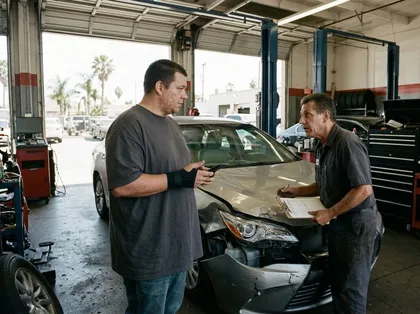
A damaged vehicle, failed product, or broken component may require an inspection before repairs or disposal change it. If an insurer has already taken possession of your car, preserving vehicle evidence in the insurer’s possession may become important. Tell the lawyer who controls the item, where it sits, and whether anyone has scheduled work.
Ask about inspection access, transportation, storage charges, and who will communicate with the owner, insurer, or repair facility. Do not assume a preservation request settles those practical arrangements.
Avoid dismantling equipment, extracting vehicle data yourself, or handling hazardous or contaminated items. Keep yourself safe and ask for appropriate handling instructions. Do not enter private property or access someone else’s account to collect evidence.
Screenshots May Not Preserve Everything
Screenshots can provide useful copies, but they may leave out surrounding messages or underlying file information. Retain the original conversation, account, device, or file when possible.
Tell counsel about automatic deletion settings before changing them or replacing a device. Ask how to retain relevant material without altering the original evidence.
What Can a Preservation Letter Accomplish?
A preservation letter identifies relevant material and asks its holder to retain it. It can document notice of a potential dispute, but it does not itself function as a subpoena or court order.
A focused request may identify:
- The incident’s date, location, and approximate time.
- The recording, document, device, vehicle, or component involved.
- The person or organization believed to control it.
- The particular alteration, deletion, repair, or disposal risk.
- A request for confirmation that the recipient will retain the material.
A request to save evidence differs from a request to release a copy. The recipient may retain material while disputing access, ownership, privacy, or the scope of a later production request.
Preservation Duties Depend on the Circumstances
A party’s preservation duty can arise before a lawsuit begins. In Victor Valley Union High School District v. Superior Court (2023) 91 Cal.App.5th 1121, the court addressed electronic evidence and reasonably foreseeable litigation. It explained that litigation must be probable or likely, rather than a remote possibility.
The decision does not mean every accident automatically requires every nearby business to retain every recording. Counsel must assess the evidence holder, relevant information, and surrounding facts.
A Consultation Does Not Create a Litigation Hold
A consultation does not automatically tell an evidence holder to suspend deletion, repair, or disposal. A litigation hold involves steps to retain relevant information and stop applicable routine destruction.
Even after someone sends a preservation request, confirm what happened next. Delivery confirmation shows that a request reached its destination; it does not establish that the recipient retained everything requested.
Ask who will follow up, whether the recipient acknowledged preservation, and what remains unresolved. If the evidence is at imminent risk of loss, counsel may need to consider additional procedures rather than rely on an unanswered letter.
Need to discuss an immediate evidence concern? Call Arash Law at (888) 488-1391 for an initial consultation. Explain what may change and ask whether the firm can accept the needed work, when it could begin, and what arrangements or costs would apply.
Who Should Handle Each Evidence Preservation Task?
You should identify which evidence needs attention, who is responsible for protecting it, and when action may be necessary. Use this table to organize the next steps while you decide whether to pursue an injury claim.
| What You Can Do Now | What to Ask the Lawyer | Who Preserves Evidence | When to Act |
|---|---|---|---|
| Identify nearby cameras or possible footage. | Who controls the recording? How can preservation be requested? |
The person or firm that agrees to send the preservation request. | Before footage is deleted or overwritten. |
| Identify damaged vehicles or items scheduled for repair. | Should the evidence be inspected before repairs or disposal? | The person responsible for any agreed inspection or storage arrangements. | Before repairs, salvage, or disposal. |
| Save original photos, videos, messages, and other digital records. | Do any files or devices require special handling? | You, unless someone else agrees to handle the task. | Before automatic deletion or device replacement. |
| Identify insurance letters, emails, and requests. | Are there policy notices or responses that require attention? | You or the lawyer, depending on the agreed scope. | Before applicable insurance deadlines. |
| Ask about deadlines for a potential claim. | Which filing deadlines apply? Who will handle them? |
You, unless a lawyer agrees to take responsibility. | Before the applicable claim or lawsuit deadline. |
| Decide whether you need further legal help. | Does the firm offer limited assistance or broader representation? | You decide whether to proceed. The lawyer decides whether to accept the work. |
Before urgent evidence is lost or deadlines expire. |
Do not assume a task is being handled until someone has agreed in writing to take responsibility. If the lawyer has not accepted the work, ask what remains unfinished and whether you need to take further action.
What Should You Confirm in Writing?
Ask for written confirmation of the accepted work, its limits, and who handles anything outside it. California courts advise people considering limited-scope representation to discuss responsibilities and understand the portions they will handle themselves.
Your written record should identify:
- Accepted Work: The evidence, recipients, and specific services covered.
- Responsible Person: The lawyer or team member managing each task.
- Timing: The start date, target completion, and urgent outstanding questions.
- Follow-Up: Who checks delivery, responses, and missing material.
- Fees and Costs: The applicable charges and responsibility for expenses.
- Excluded Work: Any insurance negotiations, government claims, or lawsuits outside the assignment.
- Completion: How the lawyer will confirm that the agreed task has ended.
Ask who will assess legal deadlines, calendar them, and make any required filings. Those are distinct responsibilities. An agreement to identify a deadline does not necessarily include filing the document that satisfies it.
Does Preserving Evidence Pause California Filing Deadlines?
No. Consulting a lawyer, retaining records, or sending a preservation letter does not, by itself, pause the deadline for a claim or lawsuit.
For an ordinary California negligence injury claim against a private party, the law generally allows two years from the injury to sue. Exceptions and different claim types can change the calculation (California Code of Civil Procedure § 335.1).
An injury claim against a California public entity generally requires presenting an administrative claim within six months after the claim arises, subject to applicable exceptions (California Government Code § 911.2). Separate lawsuit deadlines follow, so a preservation request to an agency does not replace the government claim.
Evidence timing also differs from filing timing. A recording may disappear while substantial time remains to sue. Missing evidence can weaken proof, while missing a controlling filing deadline can bar the affected claim.
Insurance notice and cooperation requirements also need separate review. Do not assume an open insurance file, ongoing negotiations, or a pending consultation protects your lawsuit deadline.
Frequently Asked Questions About Early Evidence Preservation in California
Can I Send a Preservation Request Myself?
Yes. You can ask an evidence holder to retain specific material, but your request does not carry the force of a court order. Keep a copy and any response. Ask counsel about the appropriate recipient, wording, and follow-up, particularly when repairs or deletion may occur soon.
Must I Have the Police Report Before Consulting a Lawyer?
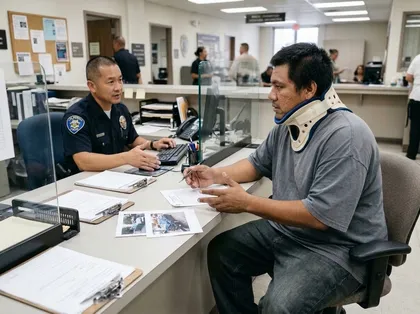
No. You can discuss preservation concerns before obtaining the report. Bring the incident number, the responding agency’s name, photos, correspondence, and other information you already have. Explain which documents remain unavailable.
Does Sending a Preservation Letter Commit Me to Filing a Lawsuit?
No. A preservation request does not itself file a lawsuit or require you to bring one. However, its wording should accurately describe the circumstances and potential dispute. Do not claim that you have made decisions you have not made.
What if the Injury Law Firm Declines the Preservation Task?
Seek another lawyer promptly if you still need legal assistance. Ask the firm to clarify whether it undertook any work and whether anything remains pending. Continue safely retaining the material in your possession, and flag any urgent evidence or filing concerns when contacting another lawyer.
Does Missing Evidence Mean I No Longer Have a Claim?
No. The loss of one recording, document, or item does not automatically determine the outcome. A lawyer can assess other available proof, such as witnesses, photographs, treatment records, or inspection findings. Missing evidence also does not automatically establish misconduct or entitle either side to win.
Ask Our Lawyers About Preserving Evidence Before Pursuing a Claim
You can consult an injury lawyer about preserving evidence even if you have not decided whether to seek compensation. Arash Law offers free initial consultations to injured people throughout California. Our lawyers can discuss evidence that may need immediate attention and whether the firm can assist with preservation.
Call (888) 488-1391 to discuss your situation. Bring any photos, records, insurance correspondence, and information about evidence that may be lost. You can ask which tasks the firm may accept, what costs may apply, and what responsibilities would remain yours.
Sources
- State Bar of California, Rules of Professional Conduct, Rule 1.18 — Duties to prospective clients, including protections that may apply even when no attorney-client relationship begins.
https://www.calbar.ca.gov/legal-professionals/rules/rules-professional-conduct/current-rules-professional-conduct/chapter-1-lawyer-client-relationship- State Bar of California, Rules of Professional Conduct, Rule 1.2(b) — Permits reasonable limits on legal representation with the client’s informed consent, subject to applicable restrictions.
https://www.calbar.ca.gov/legal-professionals/rules/rules-professional-conduct/current-rules-professional-conduct/chapter-1-lawyer-client-relationship- California Rules of Court, Rule 3.35 — Defines limited-scope representation and its application in civil cases. https://courts.ca.gov/cms/rules/index/three/rule3_35
- California Courts, “Work With a Lawyer for Part of Your Case” — Explains limited-scope representation and the division of responsibilities between lawyers and clients. https://selfhelp.courts.ca.gov/limited-scope-representation
- Victor Valley Union High School District v. Superior Court (2023) 91 Cal.App.5th 1121 — Addresses preservation duties for electronically stored information when litigation is reasonably foreseeable and the availability of sanctions for lost evidence. https://www4.courts.ca.gov/opinions/documents/E078673A.PDF
- California Code of Civil Procedure § 335.1 — Establishes the general two-year filing period for personal injury lawsuits. https://leginfo.legislature.ca.gov/faces/codes_displaySection.xhtml?sectionNum=335.1.&lawCode=CCP
- California Government Code § 911.2 — Establishes claim presentation deadlines, generally six months for personal injury or death claims against California public entities, subject to applicable exceptions. https://leginfo.legislature.ca.gov/faces/codes_displaySection.xhtml?sectionNum=911.2.&lawCode=GOV
- California Courts, “Personal Injury Cases” — Explains personal injury lawsuits, common evidence, and general filing deadlines. https://selfhelp.courts.ca.gov/civil-lawsuit/personal-injury
- California Courts, “Ask a Government Agency to Pay You by a Deadline” — Explains administrative claim procedures and deadlines for claims against government agencies. https://selfhelp.courts.ca.gov/civil-lawsuit/government-claim
Disclaimer
This article is for educational purposes only and does not constitute legal advice or create an attorney-client relationship. Consulting a lawyer about preserving evidence does not guarantee that the firm will investigate, retain records, or handle legal deadlines. Any representation or preservation work requires an agreed-upon scope of services. Consult a licensed California attorney about your situation and available options. For questions about preserving evidence before pursuing an injury claim, contact Arash Law at (888) 488-1391.