TL;DR: Poisoning and falls are the leading causes of preventable deaths occurring in and around homes nationwide. Other fatal home hazards include fires, drowning, electrocution, and suffocation. Property owners and product makers can be held liable if negligence or a defective product caused the death. Eligible family members generally have two years from the date of death to sue, though shorter deadlines may apply. Damages may include funeral costs, lost financial support, household services, and companionship.
Highlights:
- Call 911 and request paramedics plus a police or fire investigation.
- Photograph the scene, hazards, and labels before anything is moved.
- Preserve involved products, medicines, alarms, and packaging for later inspection.
- Get names and contacts for witnesses, caregivers, contractors, and neighbors.
- Request maintenance, inspection, and prior complaint records from the property controller.
- Notify applicable insurers quickly and save all emails, letters, and claim numbers.
- Calendar deadlines – 2 years for wrongful death, 6 months for government claims.
Tip: Write a simple timeline and stick to confirmed facts when speaking with insurers.
Table of Contents
Losing a loved one in a home accident is one of the hardest things a family can face. Poisoning and falls are the most common preventable causes of death in and around homes, while fires, drowning, choking, suffocation, and other hazards also take lives.
Some home deaths are unavoidable, and the fact that an accident occurred does not automatically make another person legally responsible. A wrongful death case may exist when evidence shows that a person or company created a danger, knew or should have known about it, sold a defective product, or otherwise failed to use reasonable care.
Responsibility may fall on a homeowner, landlord, tenant, property manager, repair company, contractor, caregiver, retailer, distributor, manufacturer, or another party. Insurance coverage and the ability to preserve evidence can also affect whether the family can recover compensation.
Knowing the most common fatal home hazards can help families determine what happened, whether the danger was preventable, and whether another party may be legally responsible.
Types Of Fatal Accidents That Can Occur At Home
The National Safety Council (NSC) estimates that 107,800 preventable injury-related deaths occurred in or around homes in the United States in 2024. These deaths resulted from poisoning, falls, fires, suffocation, drowning, firearm incidents, and other everyday hazards. These events can happen suddenly, but you can prevent many of them through supervision, secure storage, proper maintenance, safety equipment, and emergency planning.
Note: The statistics come from the National Safety Council’s Injury Facts report on preventable deaths occurring in or around homes in 2024. The NSC estimates are based on data from the National Center for Health Statistics and state vital statistics departments.
Accidental Poisoning
Poisoning is the leading cause of preventable death in home and community settings. The NSC reports that poisoning caused 58,300 deaths, or about 54% of all preventable home deaths, in 2024. The increase in home deaths over recent decades has been driven largely by poisonings and falls.
Fatal poisoning at home may involve:
- Taking too much prescription or over-the-counter medicine.
- Combining medications that interact dangerously.
- Accidentally ingesting opioids or other drugs.
- Children swallowing unsecured medicine.
- Mixing incompatible household chemicals.
- Inhaling toxic fumes.
- Using pesticides, solvents, or fuels in poorly ventilated areas.
A poisoning death may support a legal claim when another party’s negligence contributed to the exposure or overdose.
Falls
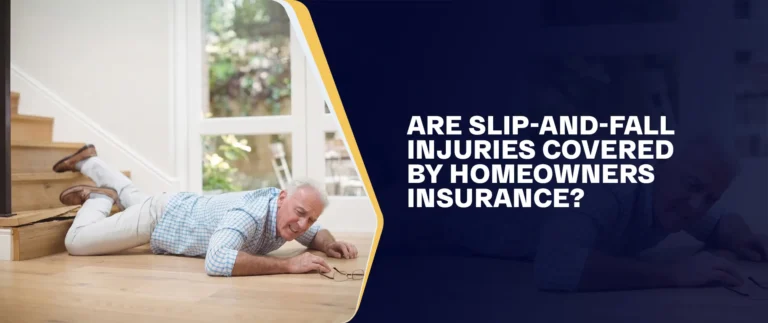
Falls were the second-leading cause of preventable death in the home in 2024. They caused about 32,500 deaths, or roughly 30% of all preventable home deaths. Falls are also a major cause of preventable death among adults aged 65 and older.
A fall from a staircase, ladder, roof, balcony, window, or slippery bathroom floor can cause a fatal head injury, spinal injury, hip fracture, or internal bleeding.
Common fall hazards include:
- Loose rugs and electrical cords.
- Wet bathroom or kitchen floors.
- Poor lighting.
- Missing or unstable stair railings.
- Cluttered walkways.
- Uneven flooring.
- Unstable ladders or furniture.
- Unprotected windows and balconies.
Older adults may face greater risks because of reduced balance, muscle weakness, vision problems, medication side effects, or underlying medical conditions.
A property owner is not automatically liable simply because a fall occurred. The claimant generally must show that the responsible party created the hazard, knew about it, or reasonably should have discovered it, and failed to take reasonable precautions.
Choking And Mechanical Suffocation
Choking and mechanical suffocation caused approximately 4,600 preventable home deaths in 2024. Incidents involving choking caused about 3,100 deaths, while mechanical suffocation caused about 1,500.
Choking generally involves an object, such as food, blocking the airway. Mechanical suffocation is a broader category that can include strangulation, entrapment, unsafe bedding, plastic bags, confined spaces, or other restrictions on breathing. Without prompt assistance, either can cause brain injury or death.
Common hazards include:
- Food blocking the airway.
- Small toys, coins, and button batteries.
- Plastic bags and other household objects.
- Unsafe infant sleep environments.
- Improperly prepared food.
- Defective toys, cribs, and other child products.
- Corded blinds, furniture tip-overs, entrapment spaces, or recalled products.
Young children face risks from small objects, unsafe sleep environments, and defective products. In NSC’s combined home-and-community data, mechanical suffocation was the leading cause of preventable death among children under 15 in 2024. Older adults and people with neurological conditions or swallowing disorders may be more likely to choke on food.
When unsafe products, poor supervision, improper food preparation, caregiver negligence, or another preventable hazard in the home contribute to a death, surviving family members may have grounds for a wrongful death claim.
Fires, Flames, And Smoke Inhalation
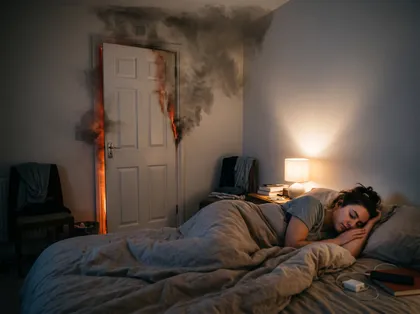
NSC counted about 2,900 deaths from fire, flames, or smoke in and around homes in 2024. These accidents can cause burns, smoke inhalation, toxic gas exposure, structural collapse, or delayed escape.
Common causes and contributing hazards include:
- Unattended cooking.
- Grease fires.
- Space heaters that are too close to bedding or furniture.
- Overloaded outlets.
- Damaged electrical wiring.
- Smoking in bed.
- Children playing with matches or lighters.
- Faulty appliances.
Smoke and toxic gases may incapacitate occupants before flames reach them. Every level of a home should have properly placed and functioning smoke alarms. Test alarms regularly and replace them according to the manufacturer’s instructions.
Sadly, some fire-related deaths result from negligence. Examples include landlords who fail to maintain smoke alarms or electrical systems, property owners who block emergency exits, and manufacturers that sell defective products that cause fires.
Drowning
Drowning can occur in swimming pools, hot tubs, bathtubs, ponds, buckets, and other water containers. It may happen quickly and quietly, without the shouting or splashing commonly shown in movies.
The NSC recorded about 1,500 preventable drowning deaths in or around homes in 2024. Some of these deaths occur when a person or property owner fails to follow reasonable water safety measures.
Fatal home drownings may occur when:
- A child enters an unfenced pool.
- An infant is left alone in a bathtub.
- A person has a seizure or medical emergency in water.
- Someone swims while impaired by alcohol or drugs.
- A pool drain or cover creates an entrapment hazard.
- A person who cannot swim enters deep water.
California’s Swimming Pool Safety Act requires specified drowning-prevention features when certain private pools or spas are newly constructed or remodeled under a permit. Local ordinances may impose additional requirements. Even when a specific statute does not apply, failing to use reasonable pool-safety measures may still support a negligence claim under the facts of the case.
Other Fatal Accidents
The NSC recorded thousands of additional preventable deaths in and around homes from causes that did not fall into the largest categories. These incidents may involve:
- Electrocution or defective wiring.
- Carbon monoxide or gas exposure.
- Extreme heat or cold.
- Firearms.
- Power tools, lawn equipment, and machinery.
- Falling furniture or appliances.
- Defective heaters, generators, batteries, or household products.
- Explosions, structural collapse, elevator or stair-lift failures, and negligent home repairs.
Carbon monoxide exposure deserves particular attention because the gas is colorless and odorless. A claim may involve a landlord, property owner, appliance manufacturer, utility contractor, repair company, or another responsible party. Liability depends on the source of the leak and who handled the inspection or maintenance.
When a death results from unsafe property, negligent maintenance, defective products, improper supervision, or another person’s failure to use reasonable care, the surviving family may have the right to pursue compensation.
Who May Be Legally Responsible For A Fatal Home Accident?
Liability means legal responsibility. Responsibility may fall on a person or company that controlled the property, created or failed to correct the danger, performed negligent work, provided inadequate supervision, or made or sold a defective product. It could be:
- The Homeowner or Occupant: A person who owns or controls the property may be responsible for failing to inspect, repair, remove, or warn about an unreasonable danger.
- The Landlord or Property Manager: A landlord or management company may be responsible for conditions within its control, hazards in common areas, negligent repairs, code violations, or dangers it agreed or was legally required to correct.
- The Tenant: A tenant may be responsible for creating a dangerous condition, failing to supervise a child or guest, keeping an unsafe animal, misusing equipment, or ignoring a hazard within the tenant’s control.
- The Contractor or Service Company: Electricians, plumbers, pool companies, appliance installers, repair technicians, security companies, and other contractors may be responsible for negligent work or maintenance.
- The Caregiver or Childcare Provider: A caregiver may be responsible when inadequate supervision, improper feeding, medication errors, unsafe sleep practices, or another failure contributes to a death.
- The Manufacturer, Distributor, or Retailer: A company in the chain of distribution may be strictly liable when a manufacturing defect, design defect, or inadequate warning in a product was a substantial factor in causing the death.
- A Public Entity: A housing authority, city, county, school district, or other government entity may be responsible in limited circumstances. Special immunity rules and claim-presentation deadlines apply.
Several parties may share responsibility for the same accident. For example, a landlord may have ignored defective wiring, a contractor may have performed an unsafe repair, and a manufacturer may have supplied a defective electrical component.
Because determining responsibility can involve multiple parties, many families seek free advice from an apartment accident lawyer to learn about their options. A lawyer can assess liability, preserve key evidence, and explain potential sources of compensation.
What Insurance May Cover A Fatal Home Accident?
Insurance coverage often determines how a wrongful death settlement or judgment may be paid. Depending on the accident and the people involved, available coverage may include:
- Homeowners’ liability insurance for injuries caused by dangerous property conditions or negligent conduct.
- Renters’ liability insurance when a tenant causes the hazard.
- Commercial general liability insurance covering contractors, maintenance companies, property managers, caregivers, or other businesses.
- Product liability insurance that covers manufacturers, distributors, or retailers.
- Umbrella or excess insurance that provides additional limits above an underlying policy.
- Workers’ compensation death and burial benefits may be available when a covered employee dies from an injury arising out of and occurring in the course of employment. Monetary death benefits generally depend on whether the employee left qualifying dependents.
Coverage is not automatic. Policies contain limits, exclusions, notice requirements, definitions of insured persons, and other conditions. Intentional conduct, business activities conducted from a home, unreported rental use, certain animals, excluded products, or other circumstances may create coverage disputes.
An attorney may review the relevant policies, identify additional insured parties, search for umbrella or commercial coverage, and address disputes over whether a particular policy applies.
Who Can File A Wrongful Death Claim In California?
A wrongful death claim allows eligible family members to seek compensation after a person dies because of another party’s wrongful act or negligence.
Under California Code of Civil Procedure § 377.60, eligible parties may include:
- A surviving spouse or registered domestic partner.
- The deceased person’s children.
- The issue of any deceased child, such as a grandchild or other descendant.
- Other intestate heirs if the deceased left no surviving issue.
- A dependent putative spouse.
- Dependent children of a putative spouse.
- Dependent stepchildren or parents.
- Dependent legal guardians of the deceased if the deceased’s parents are dead.
- A minor who lived in the deceased’s household for the previous 180 days and received at least half of their support from the deceased.
- The deceased person’s personal representative, acting on behalf of the eligible parties.
Generally, all eligible heirs must be included in a single wrongful death action.
Damages Eligible Families Can Pursue And Their Time Limits
Eligible family members may pursue wrongful death damages for the losses they suffered because of their loved one’s death. These may include:
- Funeral and burial expenses.
- Lost financial support.
- Lost gifts or benefits.
- The value of household services.
- Loss of love, companionship, comfort, care, assistance, protection, and moral support.
- For a surviving spouse or domestic partner, loss of the enjoyment of sexual relations.
Under CCP § 335.1, eligible family members generally have two years from the date of death to file a wrongful death lawsuit. When a California public entity may be responsible, the family generally must first present a government claim within six months after the wrongful death claim accrues, usually on the date of death.
- If the entity sends a compliant written rejection, you generally have six months from the date the notice was personally delivered or placed in the mail to file a lawsuit.
- A public entity normally has 45 days to act on a claim, although that period may be extended by written agreement. If no compliant written rejection is provided, the lawsuit generally must be filed within two years from when the legal claim arose.
A survival action may also allow the deceased person’s estate to recover losses the deceased could have pursued before death, including:
- Medical expenses incurred before death.
- Lost earnings before death.
- Property damage.
- Statutory penalties.
If the deceased person died before the original filing deadline, the estate generally has at least six months after the death to file. If the original deadline falls later, that later deadline applies.
Under the version of CCP § 377.34, survival actions first filed on or after January 1, 2026, generally cannot recover damages for the deceased person’s pain, suffering, or disfigurement. The temporary rule applied mainly to actions filed from January 1, 2022, through December 31, 2025.
How To Reduce The Risk Of Fatal Accidents At Home
No home is ever completely risk-free. However, simple prevention steps can reduce the risk of serious or fatal injuries:
- Lock medicines, chemicals, firearms, batteries, and small objects in secure cabinets.
- Install smoke alarms inside bedrooms, outside sleeping areas, and on every level.
- Test each alarm often and replace its batteries when needed.
- Remove loose rugs, clutter, cords, and other tripping hazards.
- Install handrails, grab bars, safety gates, and window guards where needed.
- Anchor televisions, shelves, dressers, appliances, and other heavy items.
- Place secure barriers around pools, stairs, balconies, ponds, and hot tubs.
- Never leave young children alone near water, even for a few seconds.
- Inspect electrical wiring, heaters, gas lines, fireplaces, and appliances regularly.
- Watch children around water, stairs, windows, vehicles, appliances, and choking hazards.
- Keep matches, lighters, candles, and hot liquids out of reach of children.
- Create and practice a fire escape plan with everyone in the home.
- Learn CPR, first aid, and proper choking-response techniques.
- Keep emergency numbers in a visible and easy-to-reach place.
- Hire a qualified professional for electrical, gas, structural, or other dangerous repairs.
Call emergency services when someone cannot breathe, is unconscious, or may have been poisoned. Seek help after serious falls or exposure to fire or carbon monoxide. Prompt care may be critical, even when an injury first appears minor.
Why Legal Representation Matters After A Fatal Home Accident
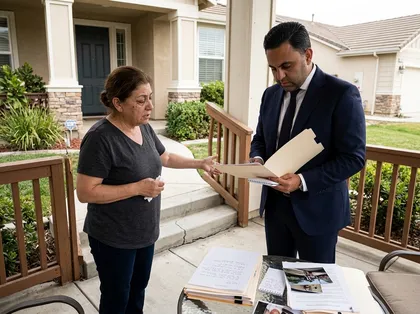
A fatal home accident often raises difficult questions about who is legally responsible and what compensation the surviving family may recover. A wrongful death lawyer can protect your rights, build a strong claim, and help your family pursue fair compensation.
An attorney can:
- Investigate the cause of the accident.
- Preserve evidence before it disappears.
- Identify all liable parties and insurance coverage.
- Calculate the family’s economic and non-economic losses.
- Handle negotiations with insurers.
- File a wrongful death lawsuit when necessary.
Our results reflect our commitment to helping families seek justice. In one wrongful death case, we recovered $1,500,000 after a distracted driver caused a fatal crash that claimed the life of a church volunteer. We secured the at-fault driver’s policy limits and negotiated a private donation to the victim’s church as part of the settlement. While no amount can replace a loved one, we work to help families obtain accountability and financial security.
Frequently Asked Questions
After a fatal accident at home, families are often left with hard questions that go beyond grief. Some of those questions are legal, and they deserve clear answers. The questions below address the most common concerns: partial fault, homeowner liability, and legal fees.
What If My Loved One Was Partially At Fault For The Accident?
California follows a pure comparative negligence rule. Under it, your family can still recover compensation even if your loved one shared some blame for the accident. Their percentage of fault simply reduces the amount. For example, if they were 20% at fault, your family could recover 80% of the total damages awarded.
Can I Sue A Homeowner If A Guest Dies On Their Property?
You can. In California, homeowners owe a legal duty of care to their guests. If a dangerous condition caused the death, the family may have a claim when the homeowner created the condition, knew about it, or reasonably should have discovered and corrected it.
Can More Than One Party Be Responsible?
Yes. Fatal home accidents frequently involve overlapping responsibilities.
For example:
- A landlord may have ignored reports of defective wiring.
- An electrician may have performed a negligent repair.
- A manufacturer may have supplied a defective component.
- A tenant may have turned off a smoke alarm.
- A property manager may have failed to complete an inspection.
California’s comparative-fault rules allow responsibility to be divided among the deceased person and multiple defendants. The family’s recovery may be reduced by the deceased person’s percentage of fault, while allocation among defendants may affect how different categories of damages are collected.
I Need A Lawyer. How Much Does It Cost To Hire One?
The cost depends on the lawyer and the details of your wrongful death case, but many personal injury lawyers work on a contingency fee basis. That means you generally pay nothing up front. You only pay legal fees if the lawyer wins or settles your case. During a free case review, the attorney can explain exactly how the contingency fee works.
Talk To A Lawyer Who Understands Wrongful Death Claims
Wrongful death cases after a fatal accident are among the hardest cases families deal with. Arash Law, also known as AK Law, has handled these cases across California, and they know how to build a strong claim on your family’s behalf.
Call our wrongful death lawyers at (888) 488-1391 to get a free, private consultation.