TL;DR: A dog bite in California can support a lawsuit for any injury, even minor bruising, because owners are strictly liable regardless of past behavior. Your claim may be based on medical bills, lost wages, or scarring, and you generally have 2 years to file, although the deadline may be paused when the victim is a minor.
Highlights:
- California law allows you to sue for any dog bite that causes injury, regardless of severity. No minimum threshold exists.
- Take photos of all injuries. Keep medical records and bills. This document can help to build a strong case.
- Report the bite to animal control right away. Keep evidence such as clothing, witness contact information, and the dog owner’s insurance details.
- Avoid giving recorded statements to the dog owner’s insurance company before consulting with an attorney.
- You have 2 years from the date of the bite to file a lawsuit in California. If a government entity owns the dog, first file an administrative claim within six months.
- Insurers may raise issues such as trespassing, provocation, and whether you were lawfully present. Knowing these can help protect your case.
Tip: Write down all treatment details, medical providers, and expenses. Good records will help build a strong claim.
Table of Contents
There is no minimum severity required. Under California law, dog owners are strictly liable for any bite that causes injury. Strict liability means legal responsibility regardless of fault or negligence. The law does not require you to prove the owner acted carelessly or that the dog had attacked before.
Under the law, a dog bite doesn’t have to break the skin or leave deep puncture wounds to count as a “bite.” If a dog grabs or clamps any part of your body with its teeth, even if it just leaves a bruise and doesn’t break the skin, it can still be considered a bite.
That said, the practical value of a lawsuit depends on your injuries and losses. A bite that needed emergency care or caused missed work supports a stronger claim. Ongoing emotional distress or permanent scarring may also be considered. Courts and insurers look at the documented record of your injuries and losses to determine the compensation you may pursue.
How The Severity Of Your Injury Can Affect Your Dog Bite Case
The severity of your bite injury shapes how much compensation you may be able to recover. California law gives you the right to file a claim, even for minor injuries. However, what you can recover depends on the severity and type of the bite.
Veterinarian and animal behaviorist Ian Dunbar developed a six-level scale to grade bite severity. Level 1 involves threatening behavior without tooth contact. Meanwhile, level 2 involves tooth contact without a puncture, although small nicks or slight bleeding may occur.
Level 3 through Level 6 bites cause puncture wounds, tearing, or crushing. These injuries may require medical treatment and cause losses such as medical bills, missed work, pain, or scarring. Bites at higher severity levels tend to cause injuries that result in greater losses. These can include:
- Puncture Wounds and Cuts: Dog teeth can make deep holes and tears in the skin. Stitches or surgery may be needed.
- Crushing Injuries: Strong bites can crush muscles and soft tissue, causing swelling, bruising, and pain.
- Broken Bones: Attacks can break bones in the hands, arms, face, or legs.
- Nerve Damage: May cause numbness, weakness, pain, or trouble moving.
- Infections: Germs can enter wounds and cause serious infection. Hospital care may be needed.
- Tendon or Ligament Damage: Bites near joints can reduce movement and strength.
- Psychological Injuries: May cause fear, anxiety, nightmares, or post-traumatic stress disorder (PTSD).
It’s important to understand that filing a lawsuit is often considered after other options, such as pursuing compensation through insurance, have been explored. While even a minor dog bite may support a valid claim if it causes losses, lawsuits can be time-consuming and costly. As a result, legal action often focuses on cases involving significant injuries, damages, or disputes over liability.
Legal Factors That Matter Beyond Injury Severity
The severity of the bite is only one factor in a California dog bite claim. Whether you have a valid claim and the compensation you may be able to recover can also depend on the circumstances of the incident and the losses you suffered, including medical expenses, lost wages, and other related damages.
Strict Liability For Dog Bites In California
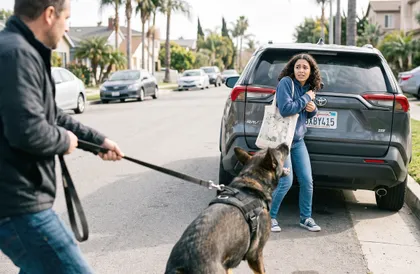
A dog bite does not have to be severe before California law may allow a claim. Under Civil Code § 3342, the focus is not only on how serious or visible the wound appears to be. The law also considers whether the basic requirements for strict liability in dog bite cases are met.
In California dog bite cases, you generally need to show that:
- The person you are making the claim against owned the dog.
- The dog bit you.
- You were in a public place or lawfully on private property when the bite occurred.
- The bite caused an injury or some other measurable loss, such as medical treatment, pain, or financial harm.
At the same time, you usually do not need to prove that:
- The owner acted carelessly or was negligent.
- The dog had bitten someone before or had a known history of aggression.
- The owner knew the dog could be dangerous.
- The wound required stitches, surgery, or other specific medical procedures.
California does not recognize a “first free bite” rule. This means an owner may still be held responsible even if the dog had never shown aggression or had no prior history of biting. Dog bite lawyers rely on this important statute when assessing liability in these cases.
However, strict liability does not prevent the owner or insurer from raising defenses. They may argue that you provoked the dog or were not lawfully on the property. California follows a pure comparative negligence rule, meaning you may still pursue compensation even if you share fault. However, your recovery may be reduced by your percentage of responsibility. For example, if you are found 25% at fault, you may be able to recover 75% of your losses.
Losses That May Support A Dog Bite Lawsuit
Severe dog-bite injuries often lead to greater medical, financial, and personal losses. However, a dog bite need not cause permanent damage to support a lawsuit. What matters is whether the bite caused documented harm.
Losses may include:
- Medical Expenses: Emergency care, hospital visits, medication, follow-up treatment, surgery, and rehabilitation.
- Lost Income: Wages lost while you recover or attend medical appointments.
- Future Treatment Costs: Ongoing care for nerve damage, infection, scars, or limited movement.
- Pain and Suffering: Physical pain, discomfort, and disruption to daily life.
- Scarring and Disfigurement: Lasting marks, especially on the face, hands, or other visible areas.
- Emotional Distress: Fear, nightmares, anxiety, or avoidance after the attack.
- Reduced Earning Ability: Lasting injuries that affect your ability to perform your job or work the same hours.
A child may experience unique and long-lasting effects after a dog bite. In addition to possible medical treatment, such as care for scars, infections, or follow-up procedures, a child may also need counseling or emotional support to cope with fear or anxiety after the attack. The injury can interfere with everyday life, including school attendance, sleep, play, and social activities. Children may also develop a lasting fear of animals or experience changes in confidence and behavior as they grow.
Dog bite lawyers use medical records, bills, photographs, employment records, and treatment notes to show how the bite affected you. Dog bites can be more dangerous than they appear, sometimes causing complications beyond the initial injury. More severe injuries may result in greater losses, which could support a stronger basis for pursuing a lawsuit.
Crucial Steps And Deadlines To Protect Your Legal Rights
After a dog bite, the actions you take in the first few days directly affect the strength of your claim. Evidence fades fast. California law has strict deadlines. If you miss them, you may lose your chance to get compensation. Take the following steps immediately:
- See a Doctor Promptly: Get medical care and ask your provider to document every injury in writing. Photograph your wounds before and after treatment to build a visual record.
- Report the Bite to Animal Control: If the bite required medical treatment, report it to your local animal control agency. Your treating healthcare provider must also report the bite under state law. Local rules may set their own deadlines, so check with your local agency for the exact requirement.
- Preserve All Evidence: Keep the clothing you wore. Collect the dog owner’s contact and insurance details, and gather the names and contact information of any witnesses.
- Avoid Recorded Statements: Don’t talk to the dog owner’s insurance company without initially consulting an attorney.
- Consult an Attorney: If you are thinking, “I need a personal injury lawyer,” act on that instinct. A dog bite attorney can help evaluate your options and determine whether pursuing a lawsuit may be appropriate.
California gives you two years from the date of the bite to file a lawsuit under California Code of Civil Procedure (CCP) §335.1. If a government agency or government-owned dog is involved, you may need to file an administrative claim within six months. Special rules may apply to police or military dogs.
Frequently Asked Questions About Dog Bite Claims
Dog bite claims raise questions beyond who is legally responsible. You may worry about filing a claim against someone you know, what happens to the dog, or how legal fees work. Understanding how these issues are handled can help you decide your next steps.
Can I Sue If The Dog Belongs To A Friend Or Family Member?
Yes. You can file a lawsuit against a friend or family member if their dog bites you and causes injury. However, in most cases, the first step is to file a claim with their homeowners or renters insurance policy.
If coverage applies, the insurance company will typically investigate the claim and may pay compensation for your injuries up to the policy limits. If the claim is denied or the insurance coverage is not enough to fully compensate you, you may then pursue a lawsuit against the dog owner directly.
What Happens If The Dog Owner Does Not Have Homeowners Insurance?

Without applicable insurance, the dog owner may have to pay compensation from personal assets. A landlord or property manager may also face a negligence claim in some cases. This may apply if they knew the dog was dangerous, could address the risk, and failed to take reasonable action.
In California, Can A Dog Be Put Down After Biting Someone?
Possibly, but a dog is not automatically put down after one bite in California. A local agency or court may hold a separate hearing to decide whether the dog is vicious or potentially dangerous.
This proceeding is separate from your injury claim. You may still seek compensation regardless of what officials decide should happen to the dog.
Can I Recover Compensation If I Was Partially At Fault For The Attack?
Possibly. California follows pure comparative negligence, which may reduce your compensation based on your share of responsibility. For example, if you were found 20% responsible, your compensation could generally be reduced by 20%. However, provocation and other defenses are fact-specific and may, in some cases, bar or significantly reduce recovery.
Are Dog Owners Liable If Their Pet Bites Someone Inside A Dog Park?
Generally, yes. A public dog park meets the public-place requirement under California’s dog bite law. The owner is generally responsible for the bite, regardless of prior aggression. Certain defenses, such as provocation, may reduce or eliminate liability.
Get Legal Support After A Dog Bite Incident In California
Under California’s strict liability law, dog bite victims have a clear path to pursue compensation for their injuries and related losses. If you were bitten, understanding your legal options can help you determine your next steps. Our dog bite lawyers at Arash Law can review your case and explain whether pursuing a lawsuit may be appropriate.
AK Law handles these cases on a contingency fee basis. You pay no attorney’s fees unless your case is resolved in your favor. Call (888) 488-1391 to get a free, confidential review of your case.