TL;DR: Headphone use can contribute to pedestrian accidents by masking warning sounds and reducing awareness, but no reliable national count shows how many crashes it causes. One review identified 116 reported U.S. cases involving possible headphone use, though it did not prove causation in each case. In California, wearing headphones does not bar compensation, but damages may be reduced if evidence shows it contributed to the crash.
Highlights:
- Get medical care promptly and keep copies of every record and bill.
- Photograph the scene, signals, crosswalk markings, and any nearby cameras.
- Collect witness names, numbers, and a short statement while memories are fresh.
- Save your phone call logs, audio settings, and the headphones used that day.
- If it was a hit-and-run, report it to the police within 24 hours.
- For UM hit-and-run claims, send your insurer a sworn statement within 30 days.
- Talk to a lawyer before giving a recorded statement about distraction or awareness.
Tip: Stick to observable facts about what you saw and heard, and avoid guessing about timing or volume.
Table of Contents
Headphone use can contribute to pedestrian accidents when it interferes with a person’s ability to notice traffic, warning signals, or other hazards. However, no reliable national count indicates how many pedestrian crashes are caused by people wearing headphones, as crash databases do not consistently record headphone use.
The level of risk depends on factors such as the volume, the surrounding environment, and whether the pedestrian was listening to music, taking a call, or otherwise distracted. Available research provides examples of serious incidents but does not establish how often headphone use causes pedestrian crashes nationwide.
How Can Headphones Contribute To Pedestrian Accidents?
Headphones may affect pedestrian safety through auditory masking and divided attention. Auditory masking occurs when audio makes outside sounds harder to hear. Divided attention occurs when music, podcasts, or calls compete with the pedestrian’s attention to surrounding traffic.
Horns, engines, bells, backup alerts, and train warnings can provide important information about approaching hazards. A pedestrian who does not notice these sounds may have less time to stop, change direction, or move away from danger.
What Did The Research Find?
One frequently cited review identified 116 reported U.S. pedestrian injuries and deaths involving possible headphone use between 2004 and 2011. Researchers located the incidents through injury databases, news archives, and Westlaw.
Among the identified cases:
- 70% resulted in the pedestrian’s death.
- Trains were involved in 55%.
- A warning sound was reported in 29% of cases.
These figures describe only the incidents the researchers found. The sample was not nationally representative and may have disproportionately captured serious or widely reported crashes. The study also did not prove that headphones caused every collision or establish what each pedestrian heard before impact. It concluded that headphone use may create a safety risk around moving vehicles and that further research is needed.
Where May Headphone Use Create Added Risk?
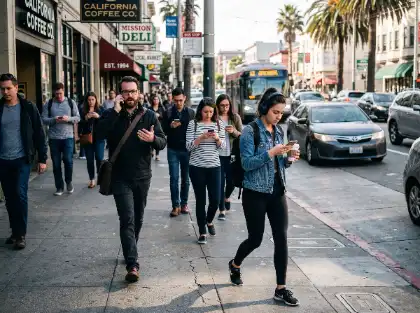 Certain environments pose a higher risk of pedestrian accidents, especially when headphones reduce a person’s ability to hear or respond to nearby traffic. In these settings, staying alert to both visual and auditory cues is especially important.
The following situations may increase the risk and become contributing causes of pedestrian accidents:
- Crosswalks and Busy Intersections: Pedestrians must watch for turning vehicles, changing signals, and drivers who fail to yield. Headphones may make horns or approaching engines harder to notice.
- Train Tracks: Trains cannot stop quickly, and horns, bells, and crossing signals provide critical warnings. Pedestrians should check carefully in both directions and never rely on sound alone.
- Parking Lots: Vehicles may reverse, turn, or pull out with little warning. Headphones may make engine noise, horns, and backup alerts harder to hear.
- Driveways and Alleys: Drivers entering or leaving these areas may have limited visibility. Pedestrians should watch for moving vehicles even when they have the right of way.
How Does Headphone Use Affect A Pedestrian Injury Claim In California?
Wearing headphones does not automatically bar compensation after a crash. California follows pure comparative negligence under Civil Code Section 1714 and court decisions. Your proven share of fault may reduce your damages. An insurer’s first estimate does not decide that percentage.
Drivers have a general duty to use reasonable care under Civil Code Section 1714. In crosswalks, Vehicle Code Section 21950 requires drivers to yield and protect pedestrians. Pedestrians must also use reasonable care. Saying “I did not see them” does not decide liability by itself.
An adjuster may argue that headphone use contributed to the crash. That argument must connect the headphones to the pedestrian’s actions and the collision. A lawyer who handles pedestrian accidents knows these tactics and can push back on your behalf.
If you find yourself saying, “I need a personal injury lawyer,” contact Arash Law to go over your case and know your options. A claim may seek reasonable medical costs, lost income, pain, and other supported damages.
Case Results: What If The Other Side Blames The Pedestrian?
An insurer, driver, or police officer may claim that a pedestrian’s distraction or conduct caused the crash. That allegation does not decide civil liability. The available evidence must show what each party did and whether those actions contributed to the collision.
The following cases did not necessarily involve headphone use, but they illustrate how disputed allegations of pedestrian fault may affect a claim:
- $5,000,000 Distraction Defense Defeated: Our client was struck by a large truck while walking in a crosswalk. The truck company tried to blame him, claiming he was looking at his phone. We proved otherwise and secured the full recovery for his brain injury.
- $1,700,000 Inattentive Pedestrian Recovery: Our 79-year-old client was crossing a crosswalk while distracted when a driver hit her. The defense blamed her inattention for weeks, until settling shortly before the trial.
- $2,000,000 Jaywalking Recovery: Police cited our client as at fault for jaywalking at night after he was struck. Despite that police report, we still recovered the full $2 million for him.
Case Results Disclaimer: Past results do not guarantee a similar outcome. Each result depends on the facts, evidence, injuries, insurance, law, and other circumstances. Verify all amounts and case descriptions against firm records before publication.
Frequently Asked Questions About Headphones And Pedestrian Accident Claims
Pedestrians are among the most vulnerable people on California roads. When a crash happens, questions about fault, insurance, and your rights can feel overwhelming. These answers address the most common concerns of injured pedestrians.
Is It Illegal For Pedestrians To Wear Headphones In California?
California’s statewide restriction on wearing headphones over both ears applies to people operating motor vehicles or bicycles. It does not prohibit pedestrians from wearing headphones. However, a pedestrian must still use reasonable care, and headphone use may become relevant if evidence shows it contributed to a crash.
Does Wearing Headphones Automatically Make A Pedestrian At Fault?
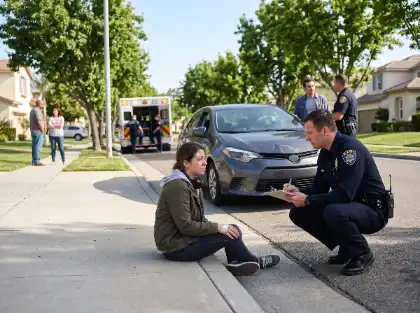 No. Wearing headphones does not establish negligence by itself. The driver or insurer must present evidence showing that the headphone use affected the pedestrian’s conduct and contributed to the collision. A pedestrian may still recover compensation under California’s comparative-fault rule even if partly responsible.
Can I Still Get Compensation If Police Said I Was Jaywalking?
Possibly. A police statement that you were jaywalking does not by itself determine civil liability. You may still recover if the evidence shows the driver was also negligent, though your share of fault may reduce your compensation. California’s Freedom to Walk Act limits when police can stop pedestrians for crossing outside a crosswalk. Still, it does not remove your duty to use reasonable care or prevent a comparative-fault argument.
What If The Driver Was Uninsured Or Fled The Scene?
Yes, you may still be able to recover compensation depending on your policy. Your own car insurance might include uninsured motorist (UM) or underinsured motorist (UIM) coverage. This can apply when a driver has no insurance or leaves the scene. For an unidentified hit-and-run driver, California law generally requires physical contact with the insured pedestrian or an occupied vehicle. The accident must usually be reported to the police within 24 hours. The insurer must generally receive a sworn statement within 30 days.
Can I Use My Own Auto Insurance If I Was Hit As A Pedestrian?
UM/UIM bodily injury coverage may protect a named insured, a resident spouse, or certain resident relatives injured as pedestrians, depending on who qualifies as an insured and whether the coverage was accepted or limited. If you carry Medical Payments coverage (MedPay), it may pay covered medical expenses up to your policy limit regardless of fault, depending on your policy’s terms.
How Long Do I Have To File A Pedestrian Accident Claim?
A California personal injury lawsuit must usually be filed within 2 years of the injury. A claim involving a California public entity may require an administrative claim within six months. Other deadlines and exceptions may apply, so injured pedestrians should promptly determine the applicable deadline.
Do Lawyers Only Get Paid If They Win?
Many injury attorneys use written contingency-fee agreements. The attorney’s fee depends on obtaining a recovery. The agreement must explain the fee and how costs affect the client.
Hit While Wearing Headphones? You Can Still Recover
The attorneys at Arash Law can challenge low insurance offers and, when appropriate, prepare your case for trial. Call (888) 488-1391 today for a free, no-obligation consultation to talk through your options.
You should not have to face insurance adjusters, medical bills, and legal deadlines on your own. Getting free advice from a pedestrian accident lawyer before you sign anything is one of the best steps you can take.
We handle personal injury cases under a written contingency fee agreement. You pay no attorney’s fee unless we obtain a recovery, and the agreement explains how case costs are handled. If an insurer is dragging out your claim or a driver refuses to pay, call today before the deadline closes your options.