TL;DR: If you’re injured in an accident during a police pursuit, you can sue the fleeing driver, the police department, or both, but the fleeing suspect is usually liable for reckless driving. You generally have 2 years to sue the driver, but only 6 months to file a government claim against the police department. If the suspect has no insurance, your uninsured motorist coverage can step in to pay medical bills, lost wages, and pain and suffering.
Highlights:
- Get medical care and save records that connect your injuries to the crash.
- Obtain crash reports, videos, witness statements, and the agency’s pursuit policy.
- Seek payment from the fleeing driver, other at-fault drivers, or your own insurance.
- File a government claim within six months if a police agency shares fault.
Tip: Speak with an attorney early so you can identify all possible claims and protect key evidence.
Table of Contents
If you were an innocent motorist, pedestrian, or other bystander who got hurt in a police pursuit crash, you may have the right to seek compensation for your losses. The fleeing driver is often at fault, but in some cases, a police agency or another driver may also share responsibility.
After the crash, police and emergency crews secure the scene and help injured people. Officers may collect witness statements, photos, video, and vehicle data. Insurance companies then review who caused the crash and what coverage may apply.
The next steps depend on who caused the crash, what insurance is available, and whether a government claim deadline applies. Police may have some immunity protections, but those rules do not always block a claim. Evidence can also disappear quickly, and some claims have much shorter deadlines than others. As such, protecting your rights begins with what you do immediately after the crash.
Steps To Take If You Were Hurt In A Police Pursuit Crash
If you were hurt in a police pursuit crash, prioritize medical treatment, preserve evidence, obtain available official records, and keep track of any claim deadlines. These crashes may involve the fleeing driver, other motorists, insurers, and potentially a government agency. Documenting the incident early can help clarify what happened and support any claim for your injuries and financial losses.
Take the following recommended steps:
- Get Medical Care: See a doctor as soon as you can. Tell the provider that the crash involved a police pursuit. This helps connect your injuries to the crash.
- Save Evidence: Keep photos, videos, repair estimates, medical bills, and proof of missed work. Write down what you remember while it is still fresh.
- Get the Official Records: Ask the police for the crash report. Other key records may include body camera video, dash camera video, dispatch calls, traffic camera footage, and the agency’s pursuit policy.
- Do Not Guess About Fault: Give basic facts, but do not guess about speed, distance, or who caused the crash.
- Be Careful With Recorded Statements: An insurer may ask for a recorded statement. You may want legal advice before giving one, since your words may affect the claim.
- Track Every Deadline: Different claims may have different time limits. Keep copies of every notice and write down each filing date.
Once you have taken these initial steps, the next question is where responsibility for the crash falls. That determination matters because it identifies which drivers, insurers, or public agencies may be required to pay for your losses.
Who Is Liable For A Police Chase Accident In California?
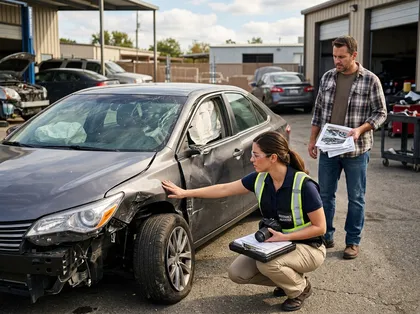
The fleeing driver is usually the primary party responsible for a police chase accident in California. However, another driver, the injured person, or, in limited circumstances, a police agency may also share fault depending on how the crash occurred.
A fleeing driver may be liable when reckless or negligent driving causes the collision. Speeding, running red lights, making unsafe maneuvers, or violating other traffic laws can support a negligence claim when those actions cause injuries to someone else.
However, liability does not always stop with the fleeing suspect. Depending on the circumstances, fault may also be assigned to another driver or potentially a police agency involved in the pursuit. Claims against public agencies, however, are subject to additional immunity and government-claim rules.
When Can You Hold The Police Department Responsible?
A police department may be held responsible for a pursuit-related crash in limited circumstances, but California’s government immunity laws can make these claims difficult. Whether a claim is available depends on factors such as the agency’s pursuit policy, officer training, how the pursuit was conducted, and the cause of the crash.
California Vehicle Code § 17004.7 may protect a public agency from claims tied to a police pursuit. Whether that protection applies can depend on the agency’s written pursuit policy, how the policy was distributed, and whether officers received the required training.
A violation of department rules or an unsafe decision may be relevant evidence. However, it does not automatically prove that the agency is liable. These cases often require a close review of the pursuit policy, officer training records, dispatch communications, video, and the events that led to the crash.
Different rules may apply if a police vehicle directly strikes another car, pedestrian, cyclist, or motorcyclist. In that situation, the officer’s driving, the cause of the crash, and any available government defenses must be reviewed separately.
To support a claim, you must connect the officer’s or agency’s conduct to the crash and your injuries. If government immunity applies, recovery may depend on the fleeing driver, another at-fault driver, or available insurance coverage.
Even when the fleeing driver is clearly responsible, another practical issue remains: whether that person has enough insurance or assets to compensate you for your losses.
What If The Fleeing Suspect Has No Insurance?
If the fleeing suspect has no insurance or does not have enough coverage to pay your losses, your own Uninsured Motorist (UM) or Underinsured Motorist (UIM) coverage may provide another source of compensation.
UM coverage generally applies when the at-fault driver has no insurance. UIM coverage may apply when the driver has insurance, but the available limits are not enough to cover your damages. Depending on your policy, UM/UIM coverage may help compensate you for medical expenses, lost income, pain and suffering, and other covered losses.
Coverage can become more complicated when the suspect was driving a stolen vehicle. If the owner did not give the driver permission to use the car, the owner’s insurance will generally not cover the driver’s actions. Your own applicable coverage may therefore become an important potential source of recovery.
If the vehicle was not stolen and the owner gave the suspect permission to drive it, the owner’s insurance may apply depending on the policy and the circumstances. This can occur when the driver is a family member or another person the owner knowingly allowed to use the vehicle.
Which Deadlines Apply When Seeking Compensation Over Police Chase Injuries?
For a claim against the fleeing driver or another private party, California gives you two years from the date of injury to file a case. This deadline comes from Code of Civil Procedure Section 335.1.
Claims involving a city, police department, or other public agency follow a different process from ordinary personal injury claims. Under Government Code Section 911.2, you generally must file an administrative claim within six months. This administrative claim is not the lawsuit.
After the claim is submitted, the agency generally has 45 days to respond. If the agency sends a written rejection of your claim, you generally have six months from the date the rejection notice was personally delivered or deposited in the mail to file a lawsuit. If the agency does not provide the required written notice within 45 days, the claim is generally deemed rejected, and the general two-year deadline usually applies.
California also has limited procedures for some late claims, but approval is not guaranteed. Because notice and filing rules can change the deadline, a car accident lawyer can help review the specific applicable dates.
How A Police Pursuit Claim Usually Moves Forward
A police pursuit claim can involve several parties, insurance policies, and legal deadlines. The process often begins by determining who may be responsible. From there, you may need to file separate claims against the fleeing driver, your own insurer, or a public agency.
Here is how the process usually works:
- Finding Who Is at Fault: The investigation looks at the fleeing driver, any other drivers involved, and sometimes the police department itself.
- Checking Insurance Policies: This involves looking into the fleeing driver’s insurance, other drivers’ policies, and your own UM/UIM coverage.
- Gathering Police Records: If the police department might be partly responsible, key evidence may include department rules, officer training logs, dispatch recordings, body-cam footage, and dash-cam footage.
- Filing the Right Claims: If you are claiming against a government agency, you usually have to submit a formal administrative claim before you can sue. Claims against regular drivers follow a different path.
- Settling or Going to Court: After looking at who is at fault, your injuries and damages, and the available insurance, the parties try to settle. If they can’t agree, filing a lawsuit is the next step.
Each police pursuit case is different. The order of these steps may change based on the facts, the parties involved, and the available insurance. Acting early can help preserve evidence, meet key deadlines, and keep all possible sources of compensation open.
Frequently Asked Questions After A Police Pursuit Accident
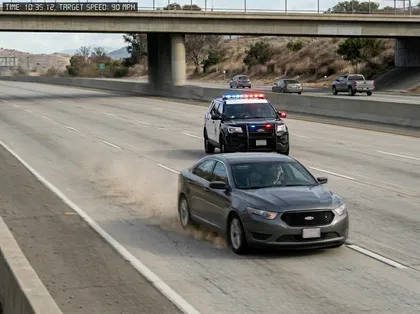
A police chase crash can leave you with serious injuries, rising medical bills, and no clear idea of who is at fault. The answers below clarify concerns about liability, insurance, and legal costs after a pursuit crash. You may face claims against several parties: the fleeing driver, a city or agency, and your own insurer. Each party has its own deadline, so acting quickly matters.
What If The Fleeing Driver Was Never Identified?
You may still have options if the fleeing driver escaped or the vehicle was never found. UM coverage may apply in some hit-and-run cases, but do not assume that simply notifying your insurer preserves a UM claim indefinitely.
For a California bodily-injury UM claim involving an unidentified driver, additional statutory requirements generally apply.
- The injury must arise from physical contact with the unknown vehicle;
- The accident must be reported to the appropriate law enforcement agency within 24 hours; and
- A sworn statement supporting the claim must be filed with the insurer within 30 days.
Can A Passenger File A Claim?
Yes. An injured passenger may have claims against the fleeing driver, the driver of the car they were riding in, another driver, or a police agency. The available claims depend on who was at fault and what insurance applies.
What If A Police Vehicle Hit Me Directly?
A different liability analysis may apply if a police car directly struck your vehicle, bicycle, or body. The investigation may focus on the officer’s driving, the use of lights and sirens, the cause of the impact, and any government defenses. Evidence from the police vehicle and nearby cameras may be important.
Can I Get Police Pursuit Records?
Some records may be available through a public records request, discovery, or a court order. Useful records in case of a crash include the pursuit policy, dispatch audio, body camera video, dash camera video, officer reports, and GPS data. Some records may be withheld or delayed, so early action matters.
Who Is At Fault For Property Damage During A Police Chase?
In most cases, the fleeing driver is responsible for property damage caused by the pursuit. If that driver has no insurance, collision coverage, or uninsured motorist property damage coverage, it may help. The available coverage depends on the policy and whether the driver was identified.
A police agency may share responsibility in limited cases. However, government immunity and causation rules can make these claims harder to prove. The crash evidence, pursuit records, and agency policy must be reviewed.
What Compensation Can Be Recovered After A Pursuit Crash?
If you were injured in a police pursuit crash, you may be able to recover compensation for both financial losses and personal harm.
- Medical Expenses: Emergency care, hospital treatment, surgery, therapy, medication, and future medical care.
- Lost Income: Wages lost during recovery and reduced ability to earn income in the future.
- Property Damage: The cost to repair or replace your vehicle and other damaged property.
- Pain and Suffering: Physical pain, emotional distress, and loss of enjoyment of life.
- Disability or Disfigurement: Lasting physical limits, scars, or changes in appearance.
- Wrongful Death Losses: Funeral expenses, lost financial support, and the loss of a family member’s care and companionship.
The amount available depends on the injuries, the evidence, the parties at fault, and the insurance or assets available.
What If I Was Partially At Fault For The Crash?
California follows a “pure comparative negligence” rule, so you can still recover compensation even if you were partly responsible for the crash. Your percentage of fault simply reduces your total compensation. For example, if you are found 20% at fault, you could still recover 80% of your total damages. Insurance companies may try to shift blame onto injured victims to reduce payouts, so it helps to have documentation and legal guidance before accepting an initial determination of fault.
Representative Results From Arash Law
A crash during a police pursuit can be a difficult situation to be in. You’re not sure who is liable for your injuries; the fleeing driver may not be identified; and other vehicles may be involved.
At Arash Law, we have helped injured victims handle such challenges to obtain fair compensation for their losses.
| What The Process Was Like | ||
|---|---|---|
| $2,100,000 | Car Accident | Before entering a junction after being stopped at a two-way stop sign, our client was hit by a police vehicle moving at 70 mph, severely injuring him. Although police department litigation is notoriously challenging, we secured a $2.1 million settlement for our client after years of legal struggle entangled in small-town politics. |
| $1,300,000 | Auto Vs. Auto | Over three years of unrelenting work to secure maximum compensation for our client began with a multi-vehicle pileup on the road that included a burning car. Until we received the maximum compensation possible, our legal team never gave up. |
| $1,700,000 | Hit-and-Run | Our 79-year-old client was injured in a hit-and-run accident that happened while she was passing through a crosswalk. The defense tried to blame our client, but then agreed on a resolution a few weeks before the trial. |
Our case results show our commitment to helping injured clients pursue fair compensation. Every case is different, and past results do not guarantee a similar outcome.
Contact A Skilled Attorney After A Car Accident
Police pursuit crashes can involve several drivers, insurance companies, and public agencies. A careful investigation can help identify who may be responsible and what sources of payment may be available.
Arash Law can review the crash, request pursuit records, examine insurance coverage, and help ensure important filing deadlines are met. Call (888) 488-1391 for a free consultation.
The firm handles personal injury cases on a contingency fee basis. Attorney fees are not owed unless there is a recovery. Other case costs may be handled separately under the fee agreement.