TL;DR: If you get hurt at the gym, you may have a claim if negligence caused unsafe conditions, defective equipment, or reckless conduct. Gym members, guests, and workers face injury risks, and claims often depend on timely medical records, incident reports, and preserved evidence.
Highlights:
- Report the injury to gym staff immediately.
- Request a copy of the incident report.
- Get medical care and follow your treatment plan.
- Photograph hazards, equipment, and visible injuries.
- Collect witness names and contact details.
- Save waivers, membership records, and communications.
- Ask the gym in writing to preserve surveillance footage.
Tip: Stick to facts when reporting the incident and avoid speculating about what happened.
Table of Contents
If you get hurt at the gym in California, you may have a valid personal injury claim. To have a case, you must prove that unsafe property conditions, defective equipment, negligent instruction, or another person’s reckless conduct caused the injury.
Getting hurt during a workout does not automatically mean you assumed the risk of being injured. Additionally, signing a waiver does not always protect the gym from liability.
After a gym injury, prioritize getting medical care, reporting the incident, and preserving evidence before it disappears. Photos, witness information, incident reports, maintenance records, and the membership agreement can all help show what happened and who may be responsible for your losses.
A gym injury claim is not limited to paying members. Claimants can include day-pass users, trial users, class participants, personal training clients, children of members, gym employees, guests, delivery workers, vendors, and other people lawfully on the property. If a gym injury leads to death, certain family members or the decedent’s personal representative may also bring a wrongful death claim under California law.
What Should I Do To Protect My Gym Injury Claim?
Start by protecting both your health and your evidence. Get medical care as soon as possible, follow your treatment plan, and do not ignore pain or delayed symptoms. Medical records help connect the gym incident to your injury and show how serious the harm is.
From here, take steps to protect your case:
- Report the injury to gym staff right away.
- Ask for a copy of the incident report or for instructions on how to obtain it.
- Take photos or video of the area, the equipment, any warning signs, and your injuries.
- Get the names and contact information of any witnesses.
- Save copies of your membership agreement, waiver, check-in record, and any emails or texts with the gym or your trainer.
- Avoid signing new documents or giving detailed statements about fault before you understand what happened.
Act quickly. Surveillance footage, maintenance records, and witness memories may not last long. Early documentation can make a big difference in proving what caused your injury.
What Evidence Matters Most After A Gym Injury?
A strong case relies on proof. In a gym injury claim, important evidence can disappear quickly if you do not act fast.
Evidence that matters includes:
- Photos of wet floors, broken parts, loose mats, or poor lighting.
- Video from gym surveillance cameras.
- Machine inspection, repair, and maintenance logs.
- Incident reports made by gym staff.
- Witness statements from other members or employees.
- Pertinent data from your phone, such as photos, timestamps, texts, and location data.
- Trainer instructions, workout plans, or class materials.
- Medical records, bills, and pay stubs that prove lost wages.
- Photos or videos of parking lots, entryways, stairs, locker rooms, showers, saunas, steam rooms, pools, spas, and any other area involved in the injury.
- Automatic External Defibrillators (AED) inspection logs, emergency-response policies, staff training records, and 911 call information, if delayed aid or poor emergency response made the harm worse.
If you were injured by defective exercise equipment, do not let the gym remove or repair it without documentation. Identify the machine by brand, model, and location in the facility. This information can be relevant to both negligence and product-related claims.
What Is A Gym Waiver, And Does It Prevent A Claim?
A gym waiver is a form you sign when you join a gym, register for a class, or check in through an app. It says you accept certain risks and give up some rights to sue if you get hurt.
A waiver does not automatically end your case. In California, it may bar some claims for ordinary negligence, but it generally does not protect a gym from gross negligence or extreme lack of care.
Courts look at issues such as:
- Clear Wording: Is the waiver easy to understand?
- Scope: Does it cover this kind of injury and claim?
- Visibility: Was it easy to notice and read?
- Activity Match: Did the injury happen during the activity the waiver was meant to cover?
- Gross Negligence: Do the facts show a very serious lack of care that a waiver usually cannot protect?
That said, do not assume a waiver ends your personal injury claim. Keep a copy of it, save your evidence, and compare the waiver to the facts of the case. If you are unsure whether it applies, getting free advice from gym injury lawyers can help. Even if the waiver does not control the outcome, the gym may still argue that the injury resulted from the activity’s inherent risks.
When Does “Assumed The Risk” Actually Apply In A Gym Injury Case?
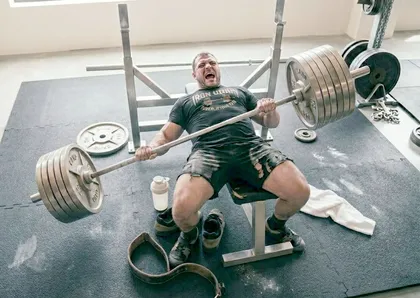
In California, the “assumption of risk” concept asks whether the injury resulted from a normal part of the activity or from a danger created by someone else:
- Primary Assumption of Risk: This means some risks are treated as part of the activity itself. If that rule applies, the injured person may not have a negligence claim because the defendant had no duty to remove that specific risk. At a gym, the defense may argue the injury came from a normal workout risk, not negligence. However, this rule does not automatically protect a gym from hidden hazards, broken equipment, unsafe conditions, or instruction that makes the activity more dangerous.
- What This Rule Does and Does Not Bar: This rule may bar a claim if the injury came from a risk that was truly part of the activity, and no one made that risk worse. It does not automatically block claims involving:
- Hidden hazards
- Broken or defective equipment
- Unsafe instruction or poor spotting
- Reckless conduct
- Gross negligence
- What This Rule Does and Does Not Bar: This rule may bar a claim if the injury came from a risk that was truly part of the activity, and no one made that risk worse. It does not automatically block claims involving:
- Secondary Assumption of Risk: This applies when the defendant still had a duty to act carefully, but the injured person also chose to continue despite an obvious risk. In that situation, the claim is usually not barred completely. Instead, comparative fault may reduce damages based on each side’s share of fault.
So if a gym says, “you assumed the risk,” that does not automatically end the case. The key question is whether the injury came from a normal workout risk or from a danger that the gym or another party should have prevented.
What Legal Claims Can Follow A Gym Injury?
The facts of a case will determine what kind of claim a victim can file for a gym injury. One incident can involve more than one legal theory.
Here are some legal claims that may apply:
- Premises Liability: This type of claim arises from dangerous conditions on the premises. A gym can face liability if it fails to keep the space reasonably safe. Examples include failing to fix or warn others about wet or damaged flooring, poor lighting, cluttered walkways, or unsafe locker room conditions. In these cases, premises liability attorneys can help determine who controlled the hazard, how long it existed, and what evidence may prove fault.
- Negligent Supervision or Training: A gym, coach, or personal trainer can be responsible if unsafe instruction, poor supervision, bad spotting, or pushing someone beyond reasonable limits caused the injury.
- Product Liability: If a treadmill, cable machine, bench, or other equipment failed due to a defect, the manufacturer or another company in the product chain may be responsible. Product liability injury lawyers can help determine whether the equipment failed due to a design defect, a manufacturing defect, or inadequate warnings or instructions.
- Negligent Security: If you were assaulted at the gym, the gym may be responsible if the harm was reasonably foreseeable and the facility failed to take reasonable safety steps, such as controlling access or addressing known security risks.
- Claim Against Another Gym Member: Another member may be legally responsible if reckless conduct caused the injury, such as dropping weights in a crowded area, using equipment dangerously, or creating an obvious hazard.
- Workers’ Compensation: If you were working at the gym when you got hurt, you may have a workers’ compensation claim. It applies to trainers, front-desk staff, maintenance workers, and others injured on the job.
An employee may also have a third-party claim if someone other than the employer contributed to the injury, such as an equipment manufacturer, maintenance vendor, property owner, or a negligent gym member.
If you’re unsure which legal theory may apply to your case, speaking with gym injury lawyers early can help identify the strongest claim path before video or maintenance records disappear.
Common Sources Of Liability For Gym Injuries
Liability for gym injuries often stems from failing to maintain a safe environment, provide proper instruction, or maintain equipment. These issues often lead to legal claims when someone sustains injuries due to another’s careless or reckless behavior.
Gym injury cases can arise from more than workout-floor accidents. Claims may also involve:
- Slip and Fall Hazards: Slips and falls from unwiped sweat on the gym floor, spilled water from drinking fountains, inadequate floor mats in locker rooms, and soap residue in showers.
- Sauna & Steam Room Burns or Hyperthermia: Burns, heat exhaustion, or heat stroke from malfunctioning sauna or steam room thermostats, stuck doors that trap users inside, scalding shower water from broken mixing valves, or hot tubs running above safe temperature limits.
- Pool & Hot Tub Physical Injuries: Drowning, near-drowning, or suction entrapment injuries in pools and hot tubs due to missing or defective drain covers, broken pool lifts, inadequate or required supervision, and unmarked depth changes.
- Falling Fixtures & Overhead Hazards: Head and crush injuries from falling ceiling-mounted televisions, loose light fixtures, unsecured speakers, and dumbbells or weight plates that slide off poorly maintained racks.
- Equipment That Tips, Collapses, or Comes Apart Mid-Use: Injuries from machines that were reassembled incorrectly after service, benches with missing bolts or pins, plate-loaded equipment that tips when loaded unevenly on one side, and squat racks or smith machines with worn safety catches.
- Cable, Pulley & Resistance-System Failures: Strikes to the face, head, or torso when frayed cables snap, pulleys fail, resistance bands break, or attachment clips give way under load.
- Cardio Equipment Falls & Entanglement: Falls, fractures, friction burns, or entanglement injuries when treadmills, ellipticals, or other cardio machines have broken safety keys, malfunctioning emergency stops, sudden speed changes, or exposed moving parts that catch clothing or hair.
- Free-Weight Drops & Unsafe Floor Layout: Crush injuries to feet, hands, and heads from dropped dumbbells, barbells, and kettlebells when free-weight areas are overcrowded, walkways are routed too close to lifting platforms, or weights are stored where they can roll, fall, or strike nearby members.
- Group Fitness & Class Equipment Failures: Spin bike pedal or seat-post failures, rowing machine handle breaks, suspension trainer anchor failures, and boxing bag mounts pulling free from the ceiling or wall during class use.
- Mishandled Medical Emergencies: A gym may face questions about emergency response when staff fail to call 911, ignore signs of serious injury, lack CPR/AED certification, or move an injured person in a way that worsens cardiac, head, or spinal harm.
- Inadequate Lighting & Security in Parking Lots & Entryways: Trip-and-fall injuries, vehicle strikes, and assault-related physical injuries in dim parking structures, unlit walkways, broken access gates, and unsecured entry points after hours.
- Injuries to Minors in Youth Programs: Inadequate staff-to-child ratios or a lack of active supervision during classes, particularly in high-risk areas like pools or trampoline zones.
- Childcare & Kids’ Club Physical Injuries: Falls, struck-by injuries, and fractures in drop-off childcare rooms with unsafe play equipment, poor supervision ratios, or untrained staff — distinct from organized youth athletic programs.
- Rain, Weather-Exposed Entrances & Outdoor Walkways: Slip-and-fall fractures and head injuries from wet entry mats, rainwater tracked indoors, slick outdoor stairs, and uncovered walkways. Ice and snow hazards primarily occur in mountain regions or in northern California.
- Electrical Hazards on Equipment & in Wet Areas: Shock, burn, and fall injuries from frayed power cords on cardio machines, exposed wiring, and ungrounded or damaged outlets near showers, pools, saunas, or other wet areas.
- Personal Trainer Overexertion & Unsafe Programming: Serious strain injuries, rhabdomyolysis, or cardiac events when trainers push clients beyond safe limits, fail to spot properly, ignore disclosed medical conditions, fail to modify exercises for known limitations, or program inappropriate intensity for a client’s fitness level.
- Blocked, Locked, or Unsafe Emergency Exits: Injuries worsened during evacuations, fires, or medical emergencies when emergency exits are blocked by stored equipment, chained or locked during operating hours, poorly marked, or otherwise inaccessible.
Who Can Bring A Gym Injury Claim?
Different types of people can bring a gym injury claim. Examples include gym members, day-pass users, minors in youth programs, personal trainers, employees, and other lawful guests.
Because gym injuries can occur in many ways, the type of claim that applies depends on who was hurt, how the incident occurred, what injuries resulted, and who controlled the dangerous condition, equipment, or activity.
Gym injuries range from soft-tissue strains to life-changing trauma. The National Safety Council reports that exercise and exercise equipment accounted for an estimated 564,845 injuries treated in emergency departments in 2024, which shows that these incidents are not isolated events.
The table below shows common claimant groups, the incidents that may cause harm, the injuries that may follow, and the claim types that may apply.
| Claimant | Common Scenario | Possible Injuries | Possible Type of Claim |
|---|---|---|---|
| Gym members and day-pass users | Wet floors, broken machines, loose mats, falling weights, collapsing benches, or unsafe walkways | Sprains, fractures, head injuries, back and neck injuries, shoulder and knee injuries, or crush injuries | Premises liability claim or product liability claim |
| Class participants | Overcrowded classes, unsafe spacing, poor instruction, or bad equipment setup | Falls, joint injuries, muscle tears, head injuries, or impact injuries | Personal injury claim or negligent supervision claim |
| Personal training clients | Unsafe instruction, poor spotting, or being pushed beyond safe limits | Back, neck, shoulder, knee, and muscle injuries | Personal injury claim against the trainer or the gym |
| Guests and lawful visitors | Unsafe entryways, parking lots, locker rooms, showers, stairs, and pool areas | Slip-and-fall injuries, fractures, head injuries, or cuts | Premises liability claim |
| Minors in youth programs | Poor supervision, unsafe equipment, hazardous play, or training areas | Falls, struck-by injuries, head injuries, or fractures | Personal injury claim through a parent or guardian |
| Gym employees | Unsafe work conditions, lifting incidents, machine-related accidents, or hazardous property conditions | Crush injuries, lifting injuries, falls, or head injuries | Workers’ compensation claim and possible third-party claim |
| Independent contractors, vendors, and delivery workers | Unsafe premises, defective equipment, poor maintenance, or blocked access areas | Fractures, falls, back injuries, or head injuries | Premises liability claim |
This table is a starting point, not a final answer for every case. One gym injury may involve more than one claimant, responsible party, and type of claim. A strong case depends on the facts, the available evidence, any waiver language, and whether the case involves a private gym, a public facility, an employee injury, or a wrongful death.
Who May Be Liable For A Gym Injury?
Liability falls on the party who had a duty to act reasonably, but failed to do so. In plain terms, they had a legal responsibility to avoid harm to others.
Potentially responsible parties include:
- The gym owner or operator.
- A personal trainer or class instructor.
- A manufacturer of defective equipment.
- A maintenance company.
- Another gym member.
- A property owner separate from the gym business.
- A property manager or landlord.
- A janitorial, security, or equipment service contractor.
- A company running a pool, spa, childcare area, or specialty program inside the facility.
- A public entity that owns or operates the gym or recreation center.
Some gyms operate inside leased spaces, mixed-use buildings, schools, public recreation centers, or facilities that use outside vendors. That means the responsible party is not always the business named on the membership contract.
Under California Civil Code section 1714, people and businesses generally must use ordinary care to avoid causing harm to others. In a gym case, the injured person has to prove four basic points:
- The defendant owed a duty of care.
- The defendant breached that duty.
- The breach caused the injury.
- The injury led to actual losses.
Proof can come from incident reports, photos, witness accounts, maintenance records, and medical evidence.
How Much Is A Gym Injury Case Worth?
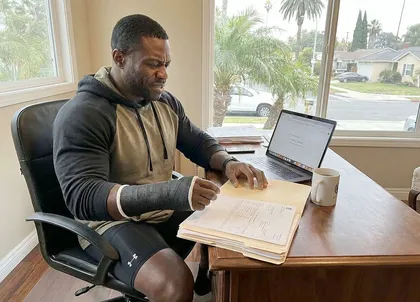
There is no fixed value for a gym injury case. The amount can depend on medical bills, lost income, future treatment, lasting injuries, and pain and suffering. The strength of the available evidence and whether the injured person shares fault are two other factors that can impact a case’s worth.
Comparative fault can reduce recovery. For example:
- Total damages are $100,000.
- The injured person is 20% at fault.
- They can recover only $80,000.
That is why case value depends not only on the injury, but also on the available proof and the claimant’s share of fault.
What Compensation May Be Available After A Gym Injury?
If negligence caused the injury, compensation can include both economic and non-economic damages. These are the financial and personal losses victims experience:
- Economic Damages: These are easily measurable, financial losses tied to the injury, such as:
- Emergency room and hospital bills
- Follow-up care and imaging
- Surgery, medication, and rehabilitation
- Lost income
- Reduced future earning ability
- Out-of-pocket costs related to recovery
Keep records for all treatment, including physical therapy and any chiropractic care related to the injury.
- Non-Economic Damages: These are the losses that do not come with a fixed bill, such as:
- Pain and suffering
- Emotional distress
- Physical limitations
- Loss of enjoyment of daily life
At Arash Law, we know that the value of a case depends on the facts. The severity of the injury, the length of treatment, the strength of the liability evidence, and any comparative fault can all affect the result.
How Long Do You Have To File A Gym Injury Case In California?
California Code of Civil Procedure section 335.1 generally gives claimants two years to file a personal injury lawsuit. The same two-year period generally applies to wrongful death claims.
If the injury happened at a public gym, public recreation center, or school facility, you may need to file a government claim much sooner. In many of these cases, you must typically present the claim within six months.
Key points include:
- Public Entity: City, county, school district, or other government-run facility.
- Where to Send the Claim: Usually to the clerk, secretary, auditor, or governing body of the local entity.
- What Happens After Rejection: If the agency mails a written rejection, you generally have six months from the rejection date to sue.
Some cases involve shorter time limits, the delayed discovery of injuries, and issues with insurance notice. That is why public gym cases should be evaluated quickly. Waiting can make it more challenging for you to preserve evidence and meet the applicable legal deadline.
How A Gym Injury Claim Works
A gym injury claim usually moves in stages. The process can change depending on whether the injury happened at a private gym or a public facility.
Here are the typical stages:
- Getting Medical Care & Preserving Evidence: Get treatment, report the incident, take photos, save the waiver and membership records, gather witness names, and ask the gym to preserve surveillance footage and incident records.
- Identifying the Claim Path: A private-gym claim may go through insurance or, if needed, a lawsuit. A public-gym case usually requires victims to submit a government claim before a lawsuit can be filed.
- Submitting the Claim: Once the facts and medical records are clearer, the injured person or lawyer sends a written demand letter. It presents the claim, explains liability, documents damages, and demands compensation.
- Negotiating or Filing a Lawsuit: Some claims settle through insurance negotiations. If they do not, the next step may be filing a lawsuit.
FAQs About Gym Injury Claims In California
Below are common questions people ask after a gym injury. The answers to your specific queries will vary based on the facts, but these points explain the general rules.
Can You Sue A Gym If You Get Hurt?
Yes. In California, you can sue a gym if negligence caused the injury, such as unsafe conditions, defective equipment, negligent training, or another person’s reckless conduct. A waiver does not automatically prevent a claim. Whether you can sue depends on the facts, the waiver language, and who caused the injury.
Can I Sue A Personal Trainer For Negligence?
Yes, if the trainer’s conduct caused the injury. That can include unsafe instruction, failure to teach proper form, poor spotting, or pushing a client beyond reasonable limits. You need proof showing what the trainer did, why it was unsafe, and how that conduct caused the injury.
What If The Gym Deletes Or Overwrites Surveillance Video?
It does not automatically end your case. Instead, you’ll have to rely on photos, incident reports, witness statements, medical records, and maintenance records to prove what happened. Despite that, surveillance videos can significantly support your case. Ask the gym in writing to preserve any footage as soon as possible.
What If Another Gym Member Caused The Accident?

You may have a claim against that person if their reckless or careless conduct caused your injury. Examples include dropping weights, swinging equipment into someone else’s space, or creating a clear hazard. In some cases, the gym may also be at fault. Its staff may have ignored dangerous behavior, failed to enforce rules, or allowed unsafe conditions to persist.
Do Lawyers Only Get Paid If They Win?
Yes, if they offer a contingency fee arrangement. Many personal injury lawyers follow this structure. That means their fee depends on the recovery rather than being billed by the hour or up front. Before signing, ask how the fee works and when you need to repay legal costs.
I Need A Personal Injury Lawyer. When Should I Talk To One?
Talk to one as soon as possible after the incident. Consultations are helpful if the injury is serious, the waiver is confusing, the gym is blaming you, or surveillance footage was erased. People work with gym injury lawyers to determine whether they still have a case, which deadline applies, and what evidence they need to preserve.
Early guidance can help you avoid preventable mistakes, such as losing video evidence, overlooking product defects, or assuming a waiver blocks every claim.
What If My Child Got Hurt In A Gym Youth Program?
Your child may still have a claim. A parent or guardian usually brings the case on the child’s behalf. Get medical care, report the injury, and save the waiver, program records, photos, and witness information. If a city, school district, or other public agency runs the program, you must generally file within six months.
Can Surviving Family Members Bring A Claim If The Gym Injury Caused A Death?
Yes. Following a fatal gym injury, California law allows certain surviving family members, or the decedent’s personal representative, to bring a wrongful death claim. Who can sue depends on the family relationship and, in some situations, financial dependence.
Get Legal Guidance About Waivers, Liability, Evidence, And Your Next Steps
A gym injury can affect far more than your workout routine. It can leave you dealing with medical treatment, missed income, physical limitations, and uncertainty about what to do next. If another party’s negligence caused the injury, you may have the right to pursue compensation for your losses.
If you are unsure whether a waiver applies, who may be liable, what evidence matters, or how to protect your claim, AK Law can assess the facts and explain your options. Call (888) 488-1391 to discuss your situation. Acting promptly can help you identify the strongest claim path and avoid losing important evidence.