TL;DR: After a hotel injury, the focus usually shifts to determining responsibility, documenting the resulting losses, and addressing the claim with the hotel or its insurer. The outcome can depend on who controlled the hazard, what the responsible party knew, and whether the guest shares any fault. Some claims resolve through settlement, while others proceed to litigation.
If you get injured at a California hotel, the incident can lead to a premises liability claim, an insurance investigation, settlement negotiations, or a lawsuit when another party’s negligence caused your harm. Whether you have a claim depends on what caused the injury, who controlled the dangerous condition, whether the responsible party knew or should have known about it, and what losses resulted.
Liability may extend beyond the hotel operator. A property owner, management company, maintenance contractor, security company, or another party may share responsibility depending on its control over the property and role in creating or addressing the dangerous condition.
California Civil Code § 1714 establishes a general duty to use ordinary care in managing property. A party that fails to correct or adequately warn about a dangerous condition may face liability when that failure causes an injury.
Arash Law has recovered over $1 billion for clients across California. In hotel injury cases, identifying potentially responsible parties and preserving evidence early can be important to determining what happened and documenting the resulting losses.
Key Facts About Hotel Injury Claims in California
- Duty of Care: California Civil Code § 1714 establishes a general duty of ordinary care in managing property. A hotel or another party controlling the premises may be liable for failing to address an unsafe condition it knew or reasonably should have known about.
- Notice of the Hazard: A hotel injury claim may depend on whether the hotel knew about the dangerous condition or whether the condition existed long enough that reasonable inspection should have revealed it.
- Control of the Property Matters: Liability may depend on who owned, operated, maintained, or controlled the area or condition that caused the injury.
- Personal Injury Deadline: A personal injury lawsuit generally must be filed within two years under California Code of Civil Procedure § 335.1, although tolling rules and other exceptions may affect the deadline.
- Shared Fault: California’s comparative fault rules allow an injured person who is partly responsible to recover damages, although their percentage of responsibility generally reduces the award.
- Multiple Parties May Be Responsible: Depending on the facts, responsibility may extend to more than one person or business that owned, occupied, maintained, or controlled the property or contributed to the dangerous condition.
Table of Contents

What Can Happen After a Hotel Injury in California?
A hotel injury can trigger several legal and insurance consequences. The circumstances of the incident determine whether the matter ends with medical treatment alone or develops into a claim, an insurance dispute, a settlement, or a lawsuit.
The Hotel May Create a Record of the Incident
After learning about an accident, hotel staff may create or review records such as:
- Incident reports.
- Employee statements.
- Surveillance footage.
- Maintenance logs.
- Inspection records.
- Repair records.
- Earlier complaints involving the same condition.
These records do not necessarily establish fault. They may, however, help show when the hotel learned about a hazard, how employees responded, and whether similar problems had occurred before.
The Hotel or Its Insurer May Investigate the Claim
A hotel may notify its insurer or claims administrator after an injury. The insurer may:
- Review how the accident happened.
- Examine medical documentation.
- Interview witnesses.
- Request records.
- Decide whether to accept or dispute liability.
An insurer’s involvement does not mean the hotel admits responsibility. The insurer may dispute how the accident happened, whether a dangerous condition existed, whether the hotel had notice, or whether the claimed losses resulted from the incident.
More Than One Party May Face Liability
The business whose name appears on the hotel may not be the only party involved. Responsibility may extend to:
- A property owner
- Management company
- Maintenance contractor
- Security company
- Another party that controlled the area or contributed to the dangerous condition
The facts determine which parties may be liable. Their contracts, maintenance responsibilities, control of the premises, and conduct surrounding the accident can all affect that analysis.
Fault May Become Disputed
A hotel or insurer may argue that:
- It acted reasonably.
- It was unaware of the dangerous condition.
- Its conduct did not cause the injury.
- The injured person contributed to the accident.
A guest’s partial fault does not automatically prevent recovery in California. Under the state’s pure comparative negligence rule, the injured person can generally still recover damages, but the court or jury reduces the award according to that person’s percentage of fault.
For example, if the guest bears 20% of the fault, the damages award may generally be reduced by 20%, subject to other applicable defenses or reductions.
The Injury May Lead to a Claim for Compensation
When another party’s negligence causes a hotel injury, the injured person may seek compensation for losses such as:
- Medical expenses.
- Lost income.
- Reduced earning capacity.
- Pain and suffering.
- Reasonably necessary future medical care.
Evidence used to evaluate those losses may include:
- Medical records.
- Wage documentation.
- Photographs.
- Witness testimony.
- Other records showing how the injury affected the person’s life.
The Claim May Settle or Lead to a Lawsuit
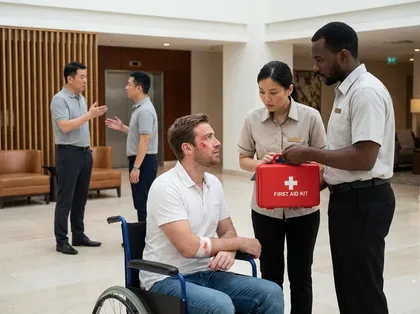
Some hotel injury claims resolve through negotiations with an insurer or responsible party. Others remain disputed because the parties disagree about liability, causation, or the amount of compensation.
If the parties cannot resolve the claim, the injured person may file a lawsuit before the applicable deadline. Filing suit does not necessarily mean the case will go to trial because the parties can continue settlement negotiations during litigation.
What to Do After a Hotel Injury in California
Although the legal consequences depend on the facts, certain steps can help preserve information that may later affect liability and damages.
- Report the incident. Notify hotel management and ask how to obtain a copy of any incident report.
- Document the area. Photograph the hazard, surrounding conditions, warning signs, room or location number, and visible injuries when possible.
- Seek appropriate medical care. Medical records can document the injury, treatment, symptoms, and connection to the incident.
- Preserve relevant information. Keep reservation records, receipts, witness information, damaged property, clothing, and other evidence related to the accident.
- Use caution with releases or settlements. Read documents carefully before signing anything that could release legal claims or affect further recovery.
- Consider evidence preservation. Surveillance footage, maintenance records, inspection logs, and other hotel records may not remain available indefinitely.
What Hotel Conditions Can Lead to an Injury Claim?
A dangerous condition does not automatically make a hotel liable. A claim generally requires evidence that the responsible party failed to use reasonable care and that the failure caused the injury.
Potential hotel hazards include:
- Wet or slippery floors.
- Broken stairs or loose handrails.
- Poorly lit hallways, parking areas, or walkways.
- Defective elevators or other equipment.
- Unsafe pool areas.
- Broken locks or security systems.
- Dangerous conditions in guest rooms.
- Maintenance defects in common areas.
For example, if you slip on a wet floor in a lobby or near a hotel pool, liability may depend on how the condition arose, how long it existed, whether hotel staff knew or should have known about it, and whether they had a reasonable opportunity to correct it or provide a warning.
How Does Liability Work After a Hotel Injury?
To establish premises liability in California, an injured person generally must prove that the defendant controlled or was responsible for the property, failed to use reasonable care, and caused the resulting harm.
The requirements for a premises liability case in California generally include four elements:
| Element | What It Means in a Hotel Injury Claim |
|---|---|
| Duty | The hotel or another responsible party had a duty to use reasonable care in managing or controlling the property. |
| Breach | The defendant failed to use reasonable care, such as by leaving a wet floor unaddressed, failing to repair a loose handrail, or failing to warn guests about a known hazard. |
| Causation | The unsafe hotel condition or failure to act was a substantial factor in causing your injury, such as a fall, burn, assault, or other accident on the property. |
| Damages | You suffered losses from the hotel incident, such as medical expenses, lost income, pain and suffering, or other documented harm. |
Showing That the Hotel Knew or Should Have Known About the Hazard
Liability often hinges on whether the hotel was aware of the dangerous condition. If the hotel or its employees created the hazard while doing their job, the hotel can be considered to have known about it. Otherwise, someone injured might need to prove that the hotel actually knew about the hazard or had enough time to discover it through careful inspection.
- Actual notice means the hotel staff knew about the dangerous condition.
- Constructive notice means the condition existed long enough that the hotel should have discovered it through reasonable inspections or maintenance.
Relevant evidence may include inspection logs, prior complaints, maintenance records, surveillance footage, repair records, and employee statements.
If you have questions about whether a hotel or another party may be responsible for your injury, hotel accident lawyers at Arash Law can review the circumstances. Call (888) 488-1391 for a free case evaluation.
What Compensation Can You Recover After a Hotel Injury?
An injured hotel guest in California can seek compensation for losses caused by a dangerous property condition, inadequate security, or another form of hotel negligence. The available damages depend on the nature of their injury, the treatment required, the effect on work and daily life, and any future care needs.
| Type of Damages | What It May Cover |
|---|---|
| Economic damages | Medical care, rehabilitation, medication, lost wages, reduced earning capacity, and reasonably necessary future medical expenses. |
| Noneconomic damages | Pain and suffering, emotional distress, loss of enjoyment of life, and permanent impairment or disability. |
The amount available depends on the evidence, the severity of the injury, the effect on work and daily life, insurance coverage, and the allocation of fault.
How Long Do You Have to File a Hotel Injury Claim in California?
The deadline after a hotel accident depends on the type of harm and the party responsible. A slip-and-fall, elevator accident, security incident, or other injury at a privately operated hotel will usually be subject to California’s general personal injury deadline, while separate rules apply to claims involving damaged property or a public entity.
- Hotel Injury Lawsuit: If negligence at a hotel causes a physical injury, you generally have two years from the date of the injury to file a lawsuit under CCP § 335.1. This deadline can apply to injuries caused by hazards such as slippery floors, unsafe stairs, defective equipment, or negligent security. Tolling rules and other exceptions may change the filing period.
- Damage to Personal Property: If the hotel accident also damages personal property, such as luggage, a phone, or other belongings, you generally have three years to file a lawsuit for that property damage under CCP § 338(c)(1).
- Claims Involving a Public Entity: Most hotel injury claims involve private businesses, but government claim rules may apply if a California public entity owned, controlled, maintained, or contributed to the area or condition that caused the injury. In that situation:
- Claim Presentation: You generally must present a claim for personal injury or property damage within six months under Government Code § 911.2.
- Public Entity Review: The public entity generally has 45 days to act on the claim under Government Code § 912.4 unless the parties extend that period in writing.
- Written Rejection: If the public entity properly rejects the claim in writing under Government Code § 913, you generally have six months from the date it personally delivers or mails the notice to file a lawsuit under Government Code § 945.6.
- No Required Written Rejection Notice: If the public entity does not provide the required written rejection notice, Government Code § 945.6 generally provides up to two years from the date the claim accrued to file suit.
These legal deadlines do not determine how long important hotel evidence will remain available. A hotel may repair a broken handrail, clean a spill, change a security system, overwrite surveillance footage, or routinely discard inspection and maintenance records long before the statute of limitations expires.
Preserving evidence early can help establish what caused the hotel accident, how long the dangerous condition existed, whether the responsible party knew or should have known about it, and who controlled the area where the injury occurred.
Frequently Asked Questions About Hotel Injuries in California
Can an Out-of-State Tourist File a Claim After an Injury at a California Hotel?
Yes. Living outside California does not prevent you from bringing a claim for an injury that occurred at a California hotel. The state law will often apply to an accident that occurs in the state, but jurisdiction, venue, and choice-of-law issues can depend on the parties and the specific facts of the case.
Can I Recover Compensation if I Was Partly at Fault for a Hotel Accident?
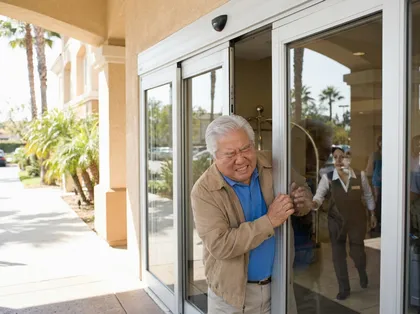
Yes. California’s comparative fault rules generally allow an injured person to recover damages even when they share some responsibility. Their percentage of fault generally reduces the damages they can recover.
Can a Hotel Be Liable for an Injury in Its Parking Lot or Garage?
Yes. A hotel’s duty to exercise reasonable care can extend to parking lots, garages, walkways, and other areas it owns or controls. Liability may arise from conditions such as broken pavement, inadequate lighting, unsafe stairs, or other hazards the hotel knew or should have known about.
Can a Hotel Be Liable for Injuries Caused by Bed Bugs?
Potentially. Liability may depend on whether the hotel knew or should have known about the infestation and failed to take reasonable measures to address it. Prior complaints, pest-control records, inspection records, photographs, and medical documentation may become relevant.
What if a Hotel Employee Caused My Injury?
The hotel may be responsible when an employee causes an injury while acting within the scope of their employment. Depending on the facts, the claim may involve the employee’s negligence, the hotel’s own negligence in hiring or supervision, or both.
Do I Still Have a Case if I Was Visiting Someone at the Hotel but Was Not a Registered Guest?
Yes. You do not necessarily have to be a registered hotel guest to bring a premises liability claim. A lawful visitor, vendor, delivery worker, or other person on the property may have a claim if a dangerous condition caused an injury and the responsible party failed to use reasonable care.
A Hotel-Related Case Result
Arash Law has handled serious injury matters arising from incidents at hotels. In one published case result, the firm obtained a $1,750,000 settlement for a client who suffered multiple facial fractures after a hotel security guard punched him while he was leaving the property. The case was set for trial and ultimately resolved during mediation.
This hotel-related excessive-force result does not establish the value or outcome of a premises liability claim. Past results do not guarantee future outcomes.
Talk to Arash Law About Your California Hotel Injury Claim
If another party’s negligence caused your injury at a California hotel, Arash Law can review what happened, identify potentially responsible parties, assess available evidence, and explain the legal options that may follow.
Call (888) 488-1391 for a free case evaluation. Our attorneys are available 24 hours a day, 7 days a week. Arash Law handles hotel injury cases on a contingency fee basis, so you pay no attorney’s fees unless we recover compensation for you.
Arash Law is ready to fight for you. Make them pay. Call AK.
Sources
- California Legislative Information. California Civil Code § 1714: General Duty of Ordinary Care.
https://leginfo.legislature.ca.gov/faces/codes_displaySection.xhtml?lawCode=CIV§ionNum=1714.- California Legislative Information. California Code of Civil Procedure § 335.1: Two-Year Statute of Limitations for Personal Injury Claims.
https://leginfo.legislature.ca.gov/faces/codes_displaySection.xhtml?sectionNum=335.1&lawCode=CCP- California Legislative Information. California Code of Civil Procedure § 338(c)(1): Three-Year Limitations Period for Injury to Personal Property.
https://leginfo.legislature.ca.gov/faces/codes_displaySection.xhtml?lawCode=CCP§ionNum=338- California Legislative Information. California Government Code § 911.2: Time for Presenting Certain Claims Against Public Entities.
https://leginfo.legislature.ca.gov/faces/codes_displaySection.xhtml?sectionNum=911.2.&lawCode=GOV- California Legislative Information. California Government Code § 912.4: Public Entity’s Time to Act on a Claim.
https://leginfo.legislature.ca.gov/faces/codes_displaySection.xhtml?lawCode=GOV§ionNum=912.4.- California Legislative Information. California Government Code § 913: Written Notice of Action on or Rejection of a Government Claim.
https://leginfo.legislature.ca.gov/faces/codes_displaySection.xhtml?lawCode=GOV§ionNum=913.- California Legislative Information. California Government Code § 945.6: Deadline to File Suit After a Government Claim.
https://leginfo.legislature.ca.gov/faces/codes_displaySection.xhtml?lawCode=GOV§ionNum=945.6.Disclaimer
Past results do not guarantee future outcomes. This page is for general educational purposes only and does not provide legal advice. Reading this page does not create an attorney-client relationship. Consult a licensed California attorney about your specific situation. Arash Law: (888) 488-1391.