TL;DR: An older adult’s pedestrian claim uses the same basic negligence rules as other cases. However, surgery can make the medical and damage issues more complex. The claim may need to address prior conditions, rehabilitation, future care, reduced independence, Medicare, and Medi-Cal. Compensation depends on fault, medical proof, documented losses, and available insurance.
An older adult can pursue a pedestrian injury claim when another party causes injuries that require surgery. The claim may cover surgery, rehabilitation, future care, and other crash-related losses.
The basic fault rules are the same as in other pedestrian cases. However, an older adult’s medical history can complicate causation and damages.
Doctors may need to separate prior arthritis, osteoporosis, or other conditions from new injuries caused by the crash. The claim may also involve Medicare or Medi-Cal.
Table of Contents

An Older Family Member was Hit by a Car and Needed Major Surgery. What Makes that Pedestrian Injury Claim Different?
The biggest difference usually lies in how the injuries and losses must be proved. An older adult may have years of medical records involving the same body part injured in the crash. The insurer may question whether the collision caused a new injury or worsened an earlier condition.
Surgery can also lead to longer rehabilitation, the need for medical equipment, home assistance, or future treatment. A retired person may have little wage loss, so medical costs, care needs, and changes in independence may become more important instead.
| Issue | Older Adult Who Requires Surgery | Other Pedestrian Claims |
|---|---|---|
| Fault | The same negligence rules apply. | The same rules apply. |
| Medical history | Earlier conditions may require closer review. | Prior conditions may play a smaller role. |
| Causation | Doctors may need to separate old problems from new harm. | Causation may require less comparison with earlier records. |
| Treatment | Surgery may require rehabilitation and ongoing care. | Treatment may be shorter or may not involve surgery. |
| Daily life | Changes in mobility and independence may be significant. | Functional losses depend on the injury. |
| Income | Retirement may reduce or eliminate wage loss. | Lost wages may form a larger part of the claim. |
| Insurance | Medicare or Medi-Cal repayment issues may apply. | Some government programs may not be involved. |
Age does not automatically increase or decrease compensation. The claim should measure what the collision actually changed in the person’s health and life.
Key Facts About Older Adult Pedestrian Injury Claims in California
- A prior condition does not erase a valid claim. California allows damages when wrongful conduct makes an existing physical or emotional condition worse under CACI No. 3927.
- Greater physical vulnerability does not, by itself, reduce responsibility. CACI No. 3928 allows recovery when a person suffers greater harm because they were unusually susceptible to injury.
- Shared fault does not automatically end the claim. California uses pure comparative fault, which means compensation can be reduced by the pedestrian’s percentage of responsibility under Li v. Yellow Cab Co.
- Future medical care must be supported by evidence. CACI No. 3903A allows future medical expenses when the care is reasonably necessary and reasonably certain to be needed.
- Private and public claims have different deadlines. CCP § 335.1 generally gives two years for private-party injury lawsuits. Meanwhile, Gov. Code § 911.2 generally requires a government-entity claim to be filed within six months.
- Medicare or Medi-Cal can affect the final recovery. Both programs can seek repayment for certain injury-related medical costs they paid, subject to their applicable recovery rules.
How Does an Older Adult’s Claim Work When Surgery is Required?
An older adult’s claim still requires proof of negligence, but surgery can make causation and damages more involved. Prior medical conditions and future care needs often require closer review.
The claim generally must establish:
- Duty: The driver owed the pedestrian a duty to use reasonable care while driving.
- Breach: The driver failed to meet that duty, such as by failing to yield, speeding, or making an unsafe turn.
- Causation: The crash was a substantial factor in causing the injury requiring surgery. Medical evidence may need to distinguish new injuries from preexisting conditions.
- Damages: The claim can include surgery, hospitalization, rehabilitation, future treatment, and qualifying assistance with daily activities.
Surgery can document the seriousness of the injury, but it does not prove fault on its own. The claim still needs evidence showing how the collision happened and why the treatment was necessary.
Insurance can also be more involved for an older adult. Liability and UM/UIM coverage may apply, while Medicare or Medi-Cal may seek repayment for certain crash-related medical costs.
What Liability and Claim Issues Can Affect the Case?
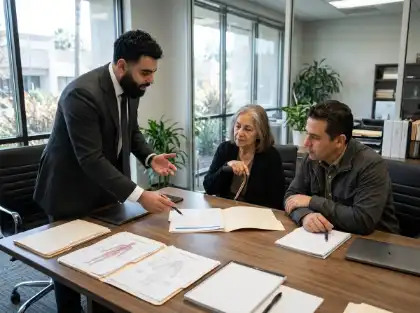 Liability can depend on more than whether the driver hit the pedestrian. The pedestrian’s conduct, prior health, road conditions, and other responsible parties can also affect the claim.
Fault and Comparative Negligence
California Vehicle Code § 21950 requires drivers to yield to pedestrians in marked and unmarked crosswalks at intersections. Drivers must also use due care around pedestrians.
Pedestrians have responsibilities too. They cannot suddenly enter a vehicle’s path when the vehicle is too close to avoid an immediate hazard.
California follows pure comparative fault. A pedestrian can still recover damages when partly responsible, but that percentage reduces the recovery. An older person’s age or slower walking speed does not establish fault by itself. The evidence should show what each person did before the collision.
Preexisting Conditions and Greater Vulnerability
Older adults often have medical conditions that existed before the crash. Those conditions do not automatically reduce or defeat the claim.
CACI No. 3927 allows damages when a defendant’s conduct makes an existing physical or emotional condition worse. The claim covers the added harm caused by that worsening.
CACI No. 3928 applies when someone is unusually vulnerable to injury. A defendant can still be responsible when the same impact causes greater harm to that person.
For example, osteoporosis may increase the likelihood of a fracture. The question is whether the collision caused the fracture or other claimed injury.
Other Parties Who May Share Responsibility
The driver may not be the only liable party when a car hits a pedestrian in California. An employer may share liability when the driver was acting within the scope of employment. A vehicle owner or business may also be involved, depending on the facts. Each party’s conduct and legal responsibility must be evaluated separately.
When several defendants share fault, Civil Code § 1431.2 limits each defendant’s non-economic damages to that defendant’s percentage of fault.
Claims Involving a Government Entity
A city, county, or Caltrans may be involved when a dangerous condition of public property contributed to the crash.
Examples may include a defective signal, blocked sight lines, or another dangerous roadway condition. Government Code § 835 sets specific requirements for these claims.
A dangerous condition alone does not automatically make a public entity liable. The claim must also satisfy the statute’s requirements for government-entity responsibility.
Evidence That Can Support an Older Adult’s Pedestrian Claim
The most useful evidence shows how the crash happened, why surgery became necessary, and how the injury changed the person’s daily life.
Evidence that can support your claim may include:
- Crash Evidence: Police reports, scene photographs, vehicle damage, witness information, available video, traffic signal records, and relevant vehicle data.
- Medical Records: Emergency records, imaging, specialist notes, surgical recommendations, operative reports, hospital records, rehabilitation records, and follow-up visits.
- Prior Medical Records: Earlier records can show the person’s condition, mobility, treatment, and level of independence before the crash.
- Daily-Life Evidence: Records can show a new need for help with walking, bathing, dressing, driving, shopping, cooking, household work, or medical appointments.
- Expense Records: Receipts and invoices can document transportation, medical equipment, paid assistance, and other crash-related costs.
Video and electronic records should be requested promptly because retention periods vary. Comparing a person’s abilities before and after the crash can help show the extent of the harm.
Pedestrian accident lawyers can review the crash, medical records, insurance, and applicable deadlines.
What Insurance Issues Can Affect the Claim?
Insurance affects how much coverage is available and what repayment obligations may reduce the final recovery. A serious pedestrian claim can involve liability insurance, UM/UIM, MedPay, health coverage, Medicare, or Medi-Cal.
The Driver’s Liability Policy
The at-fault driver’s liability insurance is usually the first coverage reviewed.
California currently requires minimum liability limits of:
- $30,000 for bodily injury or death to one person.
- $60,000 for bodily injury or death to more than one person.
- $15,000 for property damage.
Bodily injury coverage may pay for medical expenses, lost income, pain, and other injury-related damages. Property damage coverage may apply to personal property damaged in the crash.
For a pedestrian, damaged property can include a phone, glasses, clothing, hearing aids, mobility equipment, or other personal items.
A serious surgical injury can exceed the driver’s bodily injury limit. Other responsible parties and policies should then be reviewed.
Uninsured and Underinsured Motorist (UM/UIM) Coverage
UM/UIM coverage may provide another source of compensation when the injured pedestrian qualifies as an insured under an applicable auto policy.
California Insurance Code § 11580.2 can cover qualifying insureds even when they were pedestrians. Coverage depends on the policy and the injured person’s relationship to the insured household.
UIM coverage generally becomes available after the responsible driver’s applicable liability limits are exhausted.
Unknown-driver hit-and-run UM claims have additional requirements. California generally requires physical contact, a police report within 24 hours, and a sworn insurer statement within 30 days.
The statute also includes a two-year deadline for taking certain steps to preserve a UM claim.
MedPay and Health Insurance
MedPay can pay covered medical expenses regardless of fault, subject to the policy limits and terms.
Health insurance may also pay treatment costs while the liability claim remains unresolved. The insurer may later have reimbursement rights against the injury recovery.
Medicare
Medicare is generally secondary when liability insurance should pay for accident-related treatment.
Medicare may make conditional payments when the primary payer does not pay promptly. It can later seek repayment for related payments after a settlement, judgment, or other recovery.
CMS identifies injury-related payments before issuing a final repayment demand. Unrelated charges can be disputed.
Medi-Cal
Medi-Cal may also seek repayment when it paid for treatment related to the pedestrian injury.
The California Department of Health Care Services reviews related payments and may assert a lien against qualifying settlement or judgment proceeds.
The final lien can affect the injured person’s net recovery. Medicare and Medi-Cal obligations should therefore be reviewed before settlement funds are distributed.
What Damages and Compensation May Be Available?
An older pedestrian may recover damages for losses caused by the collision. Age does not create a separate damages category or automatically reduce compensation.
Economic Damages
Economic damages cover financial losses caused by the crash. They can include past expenses and reasonably supported future losses.
Medical damages may include:
- Ambulance and emergency care.
- Hospitalization and surgery.
- Specialist treatment.
- Physical or occupational therapy.
- Prescription medication.
- Medical equipment.
- Home health care.
- Reasonably necessary future treatment.
Future medical expenses require evidence that the care is both reasonably necessary and reasonably certain to be needed.
A working older adult may also claim lost income or reduced earning capacity. A retired person may have little wage loss but can still recover other economic damages.
The claim may also include qualifying household or personal care services. These losses can arise when the injury creates a new need for assistance.
Non-Economic Damages
Non-economic damages compensate for the personal effects of the injury rather than a bill or lost paycheck. They may include:
- Physical pain
- Emotional distress
- Impairment
- Inconvenience
- Loss of enjoyment of life.
California does not use a fixed formula for these damages. For an older adult, evidence may show a loss of mobility or independence after the crash. The claim should focus on the individual’s actual changes.
Surgery does not automatically create a multiplier. The amount depends on the evidence, recovery, lasting limitations, and individual circumstances.
Punitive Damages
Punitive damages are meant to punish and deter wrongful conduct. They are available only in limited cases. Civil Code § 3294 requires clear and convincing evidence of oppression, fraud, or malice.
Ordinary careless driving usually does not meet that standard. A claim needs evidence of conduct that satisfies the higher requirements of § 3294. Still, a jury is not required to award them even when the legal standard is met.
Wrongful Death Damages
If the pedestrian dies because of crash-related injuries, eligible survivors may have a separate wrongful death claim.
Code of Civil Procedure § 377.60 identifies who may bring that claim. Eligible claimants can include a surviving spouse, domestic partner, children, and certain other qualifying relatives.
Wrongful death damages focus on the losses suffered by the surviving family members. They can include:
- Lost financial support.
- Lost household services.
- Funeral and burial expenses.
- Loss of training and guidance when applicable.
- Loss of gifts or benefits the family reasonably expected.
- Loss of companionship, comfort, care, assistance, protection, affection, and moral support.
California measures wrongful death damages by the survivors’ financial and personal losses from the death. The decedent’s age and life expectancy can affect future-loss calculations.
Wrongful death damages do not compensate family members for their grief or sorrow alone. The claim focuses on the losses California law recognizes.
The damages available in any pedestrian case depend on the facts and supporting evidence. Surgery, age, or a serious diagnosis does not create a preset claim value.
Practical Next Steps to Protect the Claim
A family can help protect the claim while the injured person continues medical treatment. The goal is to preserve evidence, document the recovery, and avoid missing important deadlines.
Useful steps include:
- Keep hospital, surgical, rehabilitation, and follow-up records.
- Obtain the police report and save witness information.
- Preserve photographs and promptly request any available video.
- Gather relevant medical records from before the crash.
- Document new mobility, transportation, and personal-care needs.
- Save medical bills, insurance notices, and payment records.
- Identify liability, UM/UIM, Medicare, and Medi-Cal coverage.
- Review future treatment before signing a final settlement release.
- Identify every private party or public entity that may share responsibility.
- Check the deadline that applies to each possible claim.
A family member should also confirm who has the authority to make legal decisions for the injured adult. An adult child does not automatically gain the right to settle a parent’s claim.
Filing Deadlines for Pedestrian Injury Claims
A personal injury lawsuit against a private defendant generally must be filed within two years in California. A much shorter deadline may apply when a government entity is responsible.
Government Code § 911.2 generally requires that a personal injury claim against a government entity be filed within six months. Different lawsuit deadlines can apply after the government entity responds.
Because more than one party may be responsible, each deadline should be reviewed separately.
A personal injury lawyer handling pedestrian accident claims in California can help meet key filing deadlines, identify every potentially liable party, and avoid steps that put the claim’s full value at risk.
Call Arash Law at (888) 488-1391 for a free case evaluation. Our team is available 24 hours a day.
Frequently Asked Questions About Pedestrian Accidents Involving Surgery in California
How Long Does a Pedestrian Claim Take When Surgery Is Involved?
There is no fixed timeline. A surgical claim may take longer because doctors need time to assess recovery, future treatment needs, and any lasting limitations.
A claim can settle before full recovery if future losses can be supported. Disputed fault, limited insurance, or a lawsuit can extend the process.
A person over 70 may request trial preference after a lawsuit is filed. The court must make the findings required by CCP § 36(a). If granted, the trial generally must begin within 120 days.
Can an Older Adult Still Have a Claim if Surgery Was Needed Because of a Preexisting Condition?
Yes. A preexisting condition does not prevent recovery when the crash causes a new injury or worsens an existing condition.
For example, arthritis or osteoporosis may affect the severity of someone’s injury. Medical records can show the person’s condition before the crash and what changed afterward.
The claim can seek compensation for the additional harm caused by the collision, but not for an unchanged prior condition.
What Happens if the Older Adult Passes Away Before the Case Ends?
A pending personal injury case generally does not end with the injured person’s death. The court can allow the personal representative or successor in interest to continue it.
If the crash injuries caused the death, eligible family members may also have a separate wrongful death claim.
Survival damages depend partly on when the action was filed. For actions filed in 2026 or later, CCP § 377.34 generally excludes the decedent’s pain, suffering, and disfigurement.
The prior exception still applies to qualifying actions filed from January 1, 2022, through December 31, 2025.
Can Future Surgical Complications Be Part of the Claim?
Yes, when medical evidence shows they are reasonably expected to result from the crash injury.
Future damages may include additional surgery, rehabilitation, medication, equipment, or home care. A doctor should explain why that treatment is likely to be needed.
A possible complication without medical support is generally insufficient to establish future damages.
Does the Claim Have to Wait Until the Older Adult Fully Recovers?
No. California does not require an injured pedestrian to recover fully before settling a claim.
However, the medical outlook should be clear enough to estimate future treatment and lasting limitations. A final release usually prevents another claim for later-discovered losses.
For that reason, the claim should account for reasonably supported future care before settlement.
Can an Adult Child Hire a Lawyer for an Injured Parent?
An adult child can contact a lawyer and help arrange a consultation, but the parent usually controls the claim while able to do so.
If the parent cannot make legal decisions, another person needs proper authority to act on their behalf. That authority may come from a valid legal document or court appointment.
The person with legal authority generally handles decisions such as retaining counsel or approving a settlement.
How Much Does It Cost to Hire an Attorney?
Many personal injury lawyers use contingency fee agreements, so the legal fee is tied to the recovery rather than hourly billing.
California Business and Professions Code § 6147 requires a contingency agreement to be in writing. It must state the fee rate and explain how case costs affect the client’s recovery.
The exact percentage and responsibility for expenses depend on the written agreement. Clients should review those terms before signing.
What Arash Law Has Recovered for Clients
Arash Law has obtained pedestrian injury results involving older adults, disputed liability, and preexisting conditions. These outcomes show how those issues can affect serious pedestrian claims.
$12 Million — Pedestrian Accident
We represented a 74-year-old pedestrian injured while crossing the street. The claim involved severe injuries and substantial medical treatment and resolved shortly before trial began.
$1.7 Million — Hit-and-Run
In another case, Arash Law represented a 79-year-old pedestrian struck in a crosswalk. Liability remained disputed until the case was close to trial.
$1 Million — Pedestrian Accident
We also handled a pedestrian claim involving the worsening of a preexisting eye condition after a parking lot collision. The case included disputed fault and additional insurance issues.
Past results do not guarantee future outcomes. Every case is different, and results depend on the specific facts and evidence involved.
Talk to Arash Law About an Older Adult Pedestrian Injury Claim
A pedestrian claim involving an older adult and major surgery can involve medical, insurance, and evidence issues that are not present in every case. Arash Law handles pedestrian injury claims throughout California.
Our attorneys can review the crash evidence, medical history, insurance coverage, and applicable deadlines. Arash Law handles personal injury cases on a contingency fee basis. The written agreement explains the fee percentage and how case costs are handled.
Call (888) 488-1391 for a free case evaluation. You can reach out to us 24 hours a day.
Sources
- California Judicial Council. CACI Nos. 3903A, 3927, 3928, and 3932. https://courts.ca.gov/system/files/file/judicial_council_of_california_civil_jury_instructions_2026.pdf
- California Legislative Information. Vehicle Code § 21950. Crosswalk Duties. https://leginfo.legislature.ca.gov/faces/codes_displaySection.xhtml?lawCode=VEH§ionNum=21950.
- California Legislative Information. CCP § 335.1. Personal Injury Deadline. https://leginfo.legislature.ca.gov/faces/codes_displaySection.xhtml?lawCode=CCP§ionNum=335.1.
- California Legislative Information. CCP § 377.60. Wrongful Death Claimants. https://leginfo.legislature.ca.gov/faces/codes_displaySection.xhtml?lawCode=CCP§ionNum=377.60.
- California Legislative Information. Government Code § 835. Dangerous Public Property. https://leginfo.legislature.ca.gov/faces/codes_displaySection.xhtml?lawCode=GOV§ionNum=835.
- California Legislative Information. Government Code § 911.2. Government Claim Deadline. https://leginfo.legislature.ca.gov/faces/codes_displaySection.xhtml?lawCode=GOV§ionNum=911.2.
- California Legislative Information. Government Code § 945.6. Lawsuit Deadline After Claim. https://leginfo.legislature.ca.gov/faces/codes_displaySection.xhtml?lawCode=GOV§ionNum=945.6.
- California Legislative Information. Insurance Code § 11580.2. UM/UIM Coverage. https://leginfo.legislature.ca.gov/faces/codes_displaySection.xhtml?lawCode=INS§ionNum=11580.2.
- California Legislative Information. Civil Code § 1431.2. Non-Economic Damages. https://leginfo.legislature.ca.gov/faces/codes_displaySection.xhtml?lawCode=CIV§ionNum=1431.2.
- California Legislative Information. Civil Code § 3294. Punitive Damages. https://leginfo.legislature.ca.gov/faces/codes_displaySection.xhtml?lawCode=CIV§ionNum=3294.
- California DMV. Auto Insurance Requirements. https://qr.dmv.ca.gov/portal/vehicle-registration/insurance-requirements/
- Centers for Medicare & Medicaid Services. Medicare Recovery Process. https://www.cms.gov/medicare/coordination-benefits-recovery/beneficiary-services/recovery-process
- California Department of Health Care Services. Personal Injury Program. https://www.dhcs.ca.gov/services/personal-injury-program/
- California Department of Health Care Services. Personal Injury Lien Process. https://www.dhcs.ca.gov/services/the-personal-injury-lien-process/
- Arash Law. Case Results. https://arashlaw.com/case-results/
Disclaimer
The information on this page is for general educational purposes and does not constitute legal advice. No attorney-client relationship is formed by reading or relying on this content. If you were injured, consult a licensed California personal injury attorney about your specific situation. Arash Law — (888) 488-1391.