TL;DR: Choose a lawyer who can back up their experience with verifiable work on comparable commercial vehicle cases. Ask who will handle your claim, how they’ll obtain records from the businesses involved, and how they’ll assess long-term medical and income losses. A clear explanation of litigation responsibilities, fees, and investigation costs can help you decide whether the firm is right for your case.
Look for a commercial vehicle accident lawyer who has experience handling serious injury claims and can explain how they would investigate your crash. They should know how to preserve key evidence, identify who may be responsible, and document both your current losses and those you may face in the future. You should also feel confident that the lawyer will keep you informed and can take your case to court if needed.
Crashes involving business vehicles can be more complicated than they first appear. A truck collision, for example, may involve a driver, an employer, a vehicle owner, and other businesses with different responsibilities. If you’re still receiving medical treatment, you may not yet know how your injuries will affect your health, work, or daily life.
When comparing lawyers in California, look beyond their advertisements and ask how they would approach your case. Find out what they would investigate first, who would handle the work, and how they plan to address questions that remain unanswered.
Table of Contents

I Was Seriously Hurt in a Crash Involving a Business Vehicle. What Should I Ask a Lawyer About Preserving Evidence, Identifying Responsible Parties, and Documenting Future Losses?
Ask how the lawyer would preserve records that could disappear, determine which businesses may be responsible, and document your future medical expenses and lost income. Their answers should give you a clear picture of how they would investigate your claim, including what still needs to be confirmed.
For example, you might have been involved in a truck collision, transported by air for emergency medical care, and suffered serious injuries. Those circumstances raise important questions, but they don’t automatically establish that a company was negligent or that a motor carrier had the required operating authority. They also don’t confirm a specific diagnosis, permanent disability, or how much insurance coverage may be available.
A lawyer should be able to tell you what the evidence shows so far and what still needs investigation. That way, you can compare how different firms would approach your claim instead of relying on broad promises about what they can achieve.
Key Facts About Choosing a Commercial Vehicle Injury Lawyer
- Experience is a key factor to consider when looking for a lawyer. You can verify an attorney’s California license through the State Bar, but you’ll need to ask about their personal experience handling similar cases.
- More than one business may be responsible for a commercial vehicle crash. The driver, employer, vehicle owner, and other companies may have different legal responsibilities depending on their involvement.
- Truck accident cases involve time-sensitive evidence. Under the Code of Federal Regulations 49 CFR §395.8, covered motor carriers must retain drivers’ duty-status records and supporting documents for at least six months.
- Future losses need evidence. Medical records, employment history, and assessments from qualified professionals may help establish the cost of future care and the effect of your injuries on your ability to work.
- Your lawyer’s fee agreement should be in writing. California Business and Professions Code §6147 generally requires written contingency fee agreements that explain the fee arrangement and include specific disclosures.
How Can an Investigation Plan Scorecard Help You Compare Lawyers?
An investigation plan scorecard helps you evaluate whether a lawyer has a specific approach to your claim. Instead of comparing promises, you can examine what the firm proposes, why the work matters, and which facts remain unverified.
Use the following questions when speaking with different firms. The “What to Look for” column identifies the type of answer to request, not work that any particular firm has already agreed to perform.
Investigation Plan Scorecard for Serious Commercial Vehicle Injury Claims
Use this scorecard to compare lawyers’ investigation plans. Look for specific actions, clear responsibilities, and practical ways to resolve unanswered questions.
| Question to Ask | Why It Matters | What to Look for in the Lawyer’s Answer | What to Ask if Facts Remain Unverified |
|---|---|---|---|
| How will you preserve evidence? | Important records may be lost or overwritten. | Identify record holders, prioritize evidence, and consider preservation notices. | How will you locate missing records or address unavailable evidence? |
| How will you identify responsible businesses? | Several businesses may have different legal responsibilities. | Review ownership, employment, and operational relationships. | How will you verify each company’s role and potential liability? |
| How will you establish fault? | A serious collision alone does not prove negligence. | Examine crash evidence, witness accounts, and business practices. | What additional evidence is needed to determine fault? |
| How will you assess future medical costs? | Ongoing treatment makes future needs uncertain. | Review medical records and consider appropriate medical opinions. | How will you verify future treatment needs? |
| How will you calculate future income losses? | Injuries may limit long-term earning capacity. | Review earnings, work restrictions, and possible vocational assessments. | How will you establish the duration and extent of lost earnings? |
| What relevant experience do you have? | Advertising does not prove an attorney’s direct experience. | Provide verifiable examples and explain personal involvement. | How can I verify your role in comparable cases? |
| Who will handle litigation? | A lawsuit may require specialized preparation. | Identify litigation attorneys and their responsibilities. | Who will manage each stage if the case goes to court? |
| How will you manage investigation costs? | Specialized services may be useful but costly. | Explain how services are evaluated and expenses handled. | How will you justify and approve additional costs? |
How to Use the Scorecard
Compare how clearly each lawyer explains their proposed work and addresses unanswered questions. A credible plan should outline practical next steps without guaranteeing particular expenses, findings, or results.
A lawyer does not have to promise every investigative resource to offer a meaningful plan. Look for answers that explain priorities, acknowledge uncertainties, and connect proposed work to the issues in your case.
What Experience Should a Commercial Vehicle Accident Lawyer Have?
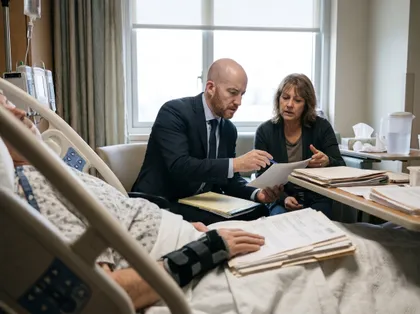
Look for a lawyer who has handled serious commercial-vehicle injury claims and knows how to investigate crashes involving multiple businesses. They should have experience sorting out disputed liability, identifying who may be responsible, and gathering evidence to support injury claims. Ask about cases they’ve personally worked on and what their role involved.
For example, truck accident lawyers may need to determine whether federal trucking regulations apply, examine relationships between businesses, and investigate the cause of the collision.
Experience with ordinary car accident cases can be helpful, but commercial vehicle claims may involve additional legal and investigative challenges. Ask whether the attorney has dealt with issues similar to those in your case, particularly when several businesses may be involved, or the injuries are serious.
How Can You Verify a Lawyer’s Experience?
Start by looking up the attorney through the State Bar of California. You can confirm whether they’re licensed to practice law and review any publicly reported disciplinary or administrative history.
Next, ask about their experience with cases like yours:
- What was your role in investigating similar commercial-vehicle crashes?
- Have you handled cases involving several businesses or disputes over who employed the driver?
- How have you handled claims where the injured person was still receiving medical treatment?
- Have you managed evidence gathering during a lawsuit or prepared similar cases for trial?
- Can you share examples of relevant experience that I can independently verify?
These questions can help you understand what the attorney has actually done, rather than relying on claims about the firm’s resources or past recoveries.
A firm may advertise a settlement or verdict without explaining which attorneys handled the investigation or litigation. Ask about the lawyer’s personal involvement before treating those results as evidence of their experience.
How Should the Lawyer Preserve Evidence That May Disappear?
A lawyer should know what evidence to preserve, who may have it, and how to keep it from being lost. The investigation should focus on records that could help explain what happened in your crash, rather than requesting every document a business might have.
Acting quickly can matter, especially when trucking companies or other businesses store information electronically. Some records may be overwritten or deleted as part of routine retention practices, making them harder to obtain later.
What Should You Ask About the Preservation Strategy?
Ask how the lawyer would protect important evidence and follow up on requests:
- Prioritize important records. Which records could be lost, and how might they help your case?
- Find out who holds the evidence. Which businesses or individuals may have the information?
- Send preservation notices when appropriate. Who would the firm contact, and what records would it ask them to preserve?
- Follow up on requests. Who would track responses and make sure outstanding requests are addressed?
- Plan for missing evidence. How would the firm investigate if important records are no longer available?
Under 49 CFR §395.8, covered motor carriers must retain drivers’ duty-status records and supporting documents for at least six months. However, that rule does not apply to every type of trucking record.
Ask the lawyer how they would determine which retention rules apply to the vehicle and business involved in your crash.
California Evidence Code §413 allows a judge or jury to consider whether a party deliberately withheld or destroyed evidence. However, a missing record does not automatically mean someone destroyed it intentionally or was responsible for the crash.
Look for a lawyer who understands these differences and can explain how they would preserve available evidence while investigating anything that may be missing.
How Can a Lawyer Identify the Businesses That May Be Liable?
A lawyer should look into the role each business played in the crash and whether its actions may have contributed to what happened. Just because a company owns the vehicle or is connected to the driver doesn’t automatically mean it’s responsible.
In California, liability may depend on who caused the crash, who employed the driver, who owned the vehicle, and whether another business contributed to the collision.
Which Parties May Require Investigation?
Depending on the circumstances, the lawyer may investigate:
- The Driver: Did speeding, distraction, or another form of negligent driving contribute to the crash?
- The Employer: Was the driver working at the time, or did the company’s own negligence play a role?
- The Vehicle Owner: Could the owner be responsible for allowing someone else to drive the vehicle?
- Maintenance Providers: Did poor inspections, faulty repairs, or neglected maintenance contribute to the collision?
- Cargo-Related Businesses: Did improper loading or transportation decisions contribute to the crash?
- Manufacturers: Did a defective vehicle part contribute to what happened?
- Public Entities: Did a dangerous road condition play a role in the collision?
Under California Vehicle Code §17150, a vehicle owner may be held responsible for injuries caused by someone driving the vehicle with the owner’s permission, subject to applicable legal limits.
An employer may also be liable if an employee caused the crash while performing job duties. The lawyer would need to examine the driver’s work responsibilities and the circumstances of the collision, rather than relying on a company logo or job title.
How Can You Verify the Motor Carrier’s Role?
Ask whether the lawyer would check the motor carrier’s United States Department of Transportation (USDOT) number and registration records to help identify the businesses involved.
The Federal Motor Carrier Safety Administration (FMCSA) provides public company identification and safety information through its Safety and Fitness Electronic Records system.
The FMCSA also maintains information on operating authority. Not every transportation business needs the same type of authority, though, and registration records alone cannot prove who caused a crash.
A lawyer should be able to explain what these records reveal, what they don’t establish, and what additional information is needed to determine a company’s potential responsibility.
What Should You Look for in a Commercial Vehicle Accident Lawyer’s Approach to Future Losses?
Look for a lawyer who understands how serious commercial vehicle crashes can affect your medical needs, income, and ability to work. They should know how to document your current expenses and investigate potential future losses, especially when your injuries require ongoing treatment.
Ask how the lawyer would use medical records, employment history, and opinions from qualified professionals to assess your long-term needs. They should also explain how they would support claims for future medical care and lost earning capacity without assuming your injuries are permanent or promising a specific compensation amount.
Does Air Transport Prove That an Injury Is Permanent?
No. Being transported by air after a serious crash doesn’t automatically mean your injuries are permanent or establish how much compensation you may recover.
Air transport records can help document the emergency response and when you received medical care. However, your diagnosis, recovery outlook, and future treatment needs must be supported by medical evidence.
Ask the lawyer how they would review your emergency records along with your ongoing treatment. They should be able to explain what your medical records confirm and what still needs to be determined.
What Future Losses Should a Commercial Vehicle Accident Lawyer Evaluate?
A serious commercial vehicle crash may affect your health, ability to work, and daily life long after the collision. Look for a lawyer who knows how to investigate these effects and gather evidence to support potential future losses.
Depending on your injuries and circumstances, you may be able to seek compensation for:
- Future Medical Expenses: Treatment, rehabilitation, or ongoing care you may need because of your injuries, supported by medical evidence.
- Future Lost Earnings: Income you may lose if your injuries keep you from working during recovery.
- Reduced Earning Capacity: A loss of earning potential if your injuries limit the type or amount of work you can do.
- Pain and Suffering: Physical pain and emotional distress caused by the collision and your injuries.
- Loss of Enjoyment of Life: Difficulty returning to hobbies, activities, or routines you enjoyed before the crash.
Some serious commercial vehicle injury claims may require input from medical, vocational, or financial professionals. Their assessments can help determine whether the evidence supports future treatment, work limitations, or income losses.
Ask the lawyer how they would decide which professionals are needed, what questions they would address, and whether your case justifies the cost of their services.
What If the Long-Term Effects of Your Injuries Are Still Unknown?
Commercial vehicle crashes can cause injuries that require extensive treatment and a lengthy recovery. In some cases, the full impact may not become clear for months. Examples include:
- Traumatic Brain Injuries: May cause lasting problems with memory, concentration, balance, or other cognitive functions.
- Spinal Cord Injuries: May affect mobility, sensation, or the ability to perform everyday tasks.
- Multiple Fractures: May require surgery, rehabilitation, and extended time away from work.
- Internal Organ Injuries: May involve complications or additional treatment during recovery.
These outcomes aren’t inevitable. Look for a lawyer who understands how these injuries may develop and can explain how they would document your recovery as new medical information becomes available.
This matters if you’re still receiving treatment, unable to work, or unsure whether you’ll regain your previous mobility and independence. Your lawyer should assess potential future losses based on medical evidence rather than assume your injuries will be permanent.
Ask how the attorney would separate documented expenses from future losses that still need medical or financial support. They should also explain what additional evidence may be needed to evaluate your long-term care needs, earning capacity, and potential compensation.
What Should You Look for in a Commercial Vehicle Accident Lawyer’s Litigation Plan?
Look for a lawyer who knows how to handle lawsuits involving commercial drivers, trucking companies, and other businesses that may share responsibility for a crash. They should be able to explain how they would investigate disputed claims, obtain records from the companies involved, and prepare evidence of your injuries and financial losses.
If settlement negotiations don’t lead to a fair agreement, your lawyer should be prepared to pursue litigation when appropriate. Rather than relying on claims about being trial-ready, ask about the attorney’s actual courtroom experience and how they would handle the issues in your case.
Who Will Actually Handle the Case?
Ask whether the attorney you meet will oversee your commercial vehicle accident claim and remain involved if a lawsuit becomes necessary.
Other questions worth asking include:
- Who would prepare and file a lawsuit against the potentially responsible parties?
- Which attorney would obtain company records and question drivers or business representatives during depositions?
- Who would decide whether accident reconstruction, trucking safety, or medical professionals are needed?
- How would the firm evaluate settlement offers from the businesses and insurers involved?
- Who would prepare the evidence and witnesses if the case goes to trial?
- How often would I receive updates about the investigation and litigation?
Several attorneys and staff members may work on different parts of your case. What’s important is knowing who will handle each responsibility, how decisions will be made, and whom you can contact with questions.
What Does Trial Preparation Tell You About a Firm?
Commercial vehicle accident lawsuits may involve disputes over driver negligence, company responsibility, federal trucking regulations, and the extent of your injuries and financial losses. Look for a lawyer with litigation experience relevant to these issues.
Ask whether the attorney has personally handled:
- Driver and Company Depositions: Questioning commercial drivers, employers, and company representatives under oath.
- Business Records and Discovery: Obtaining company documents and other evidence through the legal process.
- Federal Trucking Regulations: Evaluating whether applicable safety rules were violated and how those violations may relate to the crash.
- Professional Testimony: Working with qualified professionals to address disputed crash details, medical needs, or financial losses.
- Trial Preparation: Preparing witnesses, organizing evidence, and presenting disputed issues in court.
Ask which of these responsibilities the attorney personally handled in previous cases. Their answers can help you assess their experience beyond general claims about being aggressive or trial-ready.
A lawyer’s past litigation experience can help you decide whether they’re a good fit for your commercial vehicle injury claim, but it doesn’t guarantee a particular settlement or trial outcome.
What Should You Ask About Fees and Investigation Costs?
Ask how the lawyer charges for handling commercial vehicle accident claims and what expenses you may have to pay. Cases involving trucking companies or other businesses may require additional investigation, so it’s worth understanding how those costs are handled before hiring a firm.
Many personal injury lawyers work on a contingency fee basis, meaning their fees depend on recovering compensation for you. However, each firm’s terms may differ, particularly regarding case expenses. Learn more about how truck accident lawyers get paid through contingency fees.
Under California Business and Professions Code §6147, contingency fee agreements generally must be in writing. The agreement must include the fee percentage and explain how costs affect the attorney’s fee and your recovery.
Before signing, ask the firm about:
- The Attorney’s Fees: How is the contingency fee calculated, and does it change if a lawsuit is filed?
- Investigation Costs: Who pays for gathering business records, investigating the crash, or obtaining other evidence?
- Professional Services: How does the firm decide whether accident reconstruction, medical, or financial professionals are needed?
- Litigation Expenses: Who covers filing fees, depositions, and other court-related costs?
- Cost Approval: Will the firm discuss significant expenses with you before incurring them?
- No Recovery: Would you owe any case expenses if your claim is unsuccessful?
The lawyer should explain these terms clearly and answer your questions before you sign an agreement. A firm can discuss how it evaluates investigative expenses without committing to a specific amount or guaranteeing compensation.
Request a Free Case Evaluation With Arash Law
If you were seriously injured in a crash involving a business vehicle, Arash Law can review the information you have and discuss what may be needed to investigate your claim.
Call (888) 488-1391 to schedule a free initial consultation with our commercial vehicle accident attorneys. You can ask about preserving evidence, identifying potentially responsible businesses, documenting future losses, and what might happen if your case goes to court.
A consultation can help you understand your options, but it does not guarantee any particular investigation expense or case outcome.
What Filing Deadlines Should a California Commercial Vehicle Injury Lawyer Address?
A lawyer should identify the deadlines that apply to your potential claims and explain how they differ from evidence-preservation concerns.
California generally provides two years for a personal injury lawsuit and three years for a property damage lawsuit, subject to applicable exceptions. Claims against public entities can involve substantially shorter administrative deadlines.
| Claim Type | General Deadline | Possible Consequence |
|---|---|---|
| Personal injury | Two years from the injury, subject to applicable exceptions. | Missing the filing deadline may bar the injury claim. |
| Property damage | Three years, subject to applicable exceptions. | Missing the filing deadline may bar the property damage claim. |
| Personal injury government claim | Generally, six months from accrual to present the required claim. | Missing the claim-presentation deadline may prevent recovery against the public entity. |
Legal basis: California Code of Civil Procedure §335.1, California Code of Civil Procedure §338, and California Government Code §911.2.
These deadlines carry different consequences from accident-reporting duties. Missing applicable reporting requirements may create administrative problems or weaken evidence without necessarily barring the injury lawsuit.
Evidence preservation is another reason to act on your claim early. Records, footage, and other information may become unavailable before the legal filing deadline, affecting the strength of the evidence.
Ask the lawyer to explain which deadlines apply to the responsible parties and what evidence must be gathered as soon as possible.
Frequently Asked Questions About Choosing a Commercial Vehicle Accident Lawyer in California
What Are the Warning Signs When Hiring a Commercial Vehicle Accident Lawyer?
Warning signs include guaranteed outcomes, unclear fee terms, pressure to sign immediately, and an inability to explain who will investigate the claim. A lawyer should also be willing to distinguish confirmed facts from questions requiring further evidence.
Do I Need a Lawyer Who Has Handled Commercial Truck Claims Before?
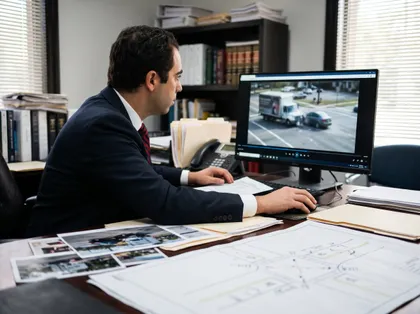
Ideally, yes. Relevant truck accident experience can be valuable when your case involves motor carrier operations, disputed business relationships, or federal safety regulations. Ask what comparable work the attorney personally performed and whether that experience can be verified.
Can I Change Lawyers If I Am Unhappy With the Investigation?
Yes. California clients generally have the right to discharge their attorney and seek different representation. Before changing counsel, discuss any outstanding deadlines, fee or cost issues, and the steps needed to transfer an ongoing case.
Can Several Businesses Share Responsibility for a Commercial Vehicle Crash?
Yes. Several parties may share responsibility when the evidence establishes legally relevant negligent conduct or another basis for liability. However, a business’s association with the vehicle does not automatically make it responsible.
Does an Air Ambulance Transport Increase the Value of an Injury Claim?
Air ambulance transport does not automatically increase a claim’s value. Compensation depends on supported injuries, recoverable expenses, liability, and other relevant facts. Transport records may contribute to the medical history but do not establish permanent impairment.
How Do Lawyers Calculate Future Medical Expenses When Treatment Is Ongoing?
Lawyers can review current medical records and assess whether additional medical opinions or other evidence are necessary to establish reasonably anticipated care. Future expenses must be supported by evidence rather than based solely on possibilities.
Does Every Commercial Vehicle Injury Case Require Accident Reconstruction?
No. Accident reconstruction may be useful when technical questions about the collision remain disputed. The lawyer should explain which questions require specialized analysis and why existing evidence may be insufficient.
What Percentage Does a Commercial Vehicle Accident Lawyer Charge?
The contingency fee percentage depends on the written fee agreement. California law requires specified disclosures about the fee and how case costs affect the client’s recovery. Review those terms before agreeing to representation.
Can a Lawyer Guarantee That a Serious Commercial Vehicle Case Will Go to Trial?
No. Whether a case proceeds to trial depends on its facts, disputed issues, litigation developments, and settlement decisions. Ask who would handle litigation and how the firm would prepare if trial became necessary.
Talk to Arash Law About Your Commercial Vehicle Injury Claim
The lawyer you choose should help you understand what your claim requires, not simply promise an outcome. A useful consultation examines the available evidence, identifies unanswered questions, and discusses the work that may be necessary to investigate liability and damages.
For someone facing serious injuries and ongoing treatment, those discussions can include business relationships, potentially time-sensitive records, medical uncertainty, and future earning losses.
Arash Law offers free case evaluations for injured people throughout California. Contact the firm at (888) 488-1391 to discuss your circumstances and the records you have available.
The firm can review the information and discuss potential next steps without guaranteeing professional expenditures, settlement amounts, or litigation results.
Sources
- Federal Motor Carrier Safety Administration. About the Safety and Fitness Electronic Records System. Explains public access to motor carrier identification and safety information through the Company Snapshot service. https://safer.fmcsa.dot.gov/About.aspx
- Federal Motor Carrier Safety Administration. Operating Authority Status in SAFER. Explains how operating authority information is displayed and why certain statuses require interpretation. https://www.fmcsa.dot.gov/faq/why-my-operating-authority-status-shown-not-authorized-safety-and-fitness-electronic-records
- Electronic Code of Federal Regulations. 49 CFR §395.8 — Driver’s Record of Duty Status. Includes recordkeeping and six-month retention requirements applicable to covered motor carriers. https://www.ecfr.gov/current/title-49/section-395.8
- The State Bar of California. Attorney Licensee Search. Provides public information on attorney licensing and disciplinary matters. https://apps.calbar.ca.gov/attorney/LicenseeSearch/QuickSearch
- California Legislative Information. Vehicle Code §17150. Addresses motor vehicle owners’ liability for negligence arising from the permitted use of their vehicles. https://leginfo.legislature.ca.gov/faces/codes_displaySection.xhtml?lawCode=VEH§ionNum=17150.
- California Legislative Information. Evidence Code §413. Addresses consideration of a party’s willful suppression of evidence. https://leginfo.legislature.ca.gov/faces/codes_displaySection.xhtml?lawCode=EVID§ionNum=413.
- California Legislative Information. Business and Professions Code §6147. Governs specified requirements for contingency fee agreements. https://leginfo.legislature.ca.gov/faces/codes_displaySection.xhtml?lawCode=BPC§ionNum=6147.
- California Legislative Information. Code of Civil Procedure §335.1. Establishes the general two-year statute of limitations for personal injury actions. https://leginfo.legislature.ca.gov/faces/codes_displaySection.xhtml?lawCode=CCP§ionNum=335.1.
- California Legislative Information. Code of Civil Procedure §338. Establishes the general three-year deadline for actions involving injury to personal property. https://leginfo.legislature.ca.gov/faces/codes_displaySection.xhtml?lawCode=CCP§ionNum=338.
- California Legislative Information. Government Code §911.2. Establishes claim-presentation deadlines for claims against California public entities. https://leginfo.legislature.ca.gov/faces/codes_displaySection.xhtml?lawCode=GOV§ionNum=911.2.
Disclaimer
This article is for educational purposes only and is not legal advice. The outcome of any commercial-vehicle injury claim depends on its facts, supporting evidence, and applicable law. Past results do not guarantee future outcomes.
Reading this article or contacting the firm does not create an attorney-client relationship. Consult a licensed California attorney about your circumstances, legal deadlines, potential damages, and available options.
Arash Law — (888) 488-1391.