TL;DR: Injured workers should not go to work the day after an accident unless a doctor clears you. Returning too soon can worsen injuries and let insurers argue you were not seriously hurt, which may cut payment for medical bills or lost wages.
Highlights:
- Schedule a medical checkup and ask for written work restrictions.
- Track pain, mobility limits, and daily impacts in a dated journal.
- Save every medical bill, prescription, and therapy appointment record.
- Tell HR what you need and ask about leave, disability, and light duty.
- Request remote work or reduced tasks and confirm the plan in writing.
- Document all employer communications about missed time and accommodations.
- Talk with a lawyer about workers’ comp and third-party claim options.
Tip: Keep copies of doctor notes and work-status letters, and when updating your employer or insurers, stick to facts and avoid guessing about fault or recovery time.
Table of Contents
If you sustained injuries in an accident, you might be asking yourself, “Should I go to work the day after an accident?” The answer depends on your condition and your doctor’s advice. Going back too soon can slow your recovery and worsen your injuries. Even if the pain seems manageable, it is essential to listen to your body and follow your doctor’s advice. Your health should come first.
If you’re unsure how your injuries might affect your return to work or your legal options, it may help to speak with someone familiar with cases like yours. You can reach accident lawyers at Arash Law at (888) 488-1391 for answers tailored to your situation.
What To Know Before Going Back To Work
You may feel pressure to come back to work, especially if you’re worried about lost income or job security. However, going back too soon can delay your recovery or even worsen your injuries.
Before you decide if it’s time for you to get back to work, ask yourself:
- Are you still in pain or having trouble moving?
- Has your doctor given you the go-ahead to return, or are you attempting to persevere on your own?
- Does your job involve lifting, standing, driving, or repetitive tasks?
- Were you hurt in a car crash, work accident, or another incident caused by someone else?
- Have you kept track of your treatment, time off, and how the injury affects your daily life?
If you answered yes to any of these questions, you have to rethink your situation. Talk to your doctor before making any decisions. They can evaluate your condition and let you know if you can work light duty or modified tasks, or if you require more rest.
Also, consider how your decision could affect any injury claim you might pursue. Keep in mind that ignoring medical advice or pushing through pain may give insurance companies a reason to downplay your injuries. Returning to work too early can give the impression that your injuries are not serious, which could reduce your chances of receiving fair compensation for medical expenses, lost income, or pain and suffering.
To protect yourself, take these next steps:
- Follow your doctor’s advice and attend all follow-up visits.
- Keep detailed records of your recovery, time off, and communications with your employer.
- Talk to a personal injury lawyer if someone else caused your injury. Legal guidance can help you avoid missteps that could affect your case. They can help you make informed choices about your recovery, work, and legal options.
Considerations Before Going Back To Work After An Accident

Some people return to work quickly, while others need more time to heal. Whether your injury was from a car crash, a slip-and-fall, or a workplace accident, several factors could shape your decision, including your health, job duties, employer policies, and legal situation, including:
Your Physical Condition
You may want to return to your routine, but it’s also essential to listen to your body. Your medical provider should guide you in the timing of your return, not external pressure or personal deadlines. Returning to work may be unsafe if you still have pain, stiffness, or limited movement.
Before going back, make sure to:
- Pay attention to your symptoms. If you’re still feeling sore, stiff, or having trouble moving around, your body is telling you it’s not ready. Going back too soon can make things worse or cause new problems.
- Talk to your doctor. Your doctor knows how your body is healing and can tell you if it’s safe to return. They might suggest taking it slow, doing light duties, or waiting a bit longer.
- Think long-term. Some injuries don’t show up immediately. If you rush back, you could end up with pain that sticks around or makes everyday life harder. Taking the time to care for yourself can help you stay healthier in the long run.
The Nature Of Your Job
The type of work you do can affect how soon you can return to your job. Physically demanding jobs may require you to wait until you recover from your injuries, especially if your duties could worsen the injury.
Examples include:
- Commercial Drivers — They may need time off after a crash. Back strain or whiplash can make long hours behind the wheel unsafe or painful.
- Construction Workers — These individuals often lift, climb, and use heavy tools. Injuries from construction accidents, such as fractures or pulled muscles, can make those tasks difficult or unsafe until you fully recover.
- Restaurant Workers — They are typically on their feet for hours and carry hot food or heavy trays. An injury from a restaurant slip-and-fall, like a sprain or strain, can make moving around a fast-paced kitchen unsafe.
If your job involves less physical movement, such as desk work, your doctor may approve an earlier return to work. Some employers may offer light-duty tasks or adjusted schedules to help ease you back in. Consult your doctor and employer to create a plan that supports your recovery and keeps you safe at work.
The Policies At Your Workplace

Time-off policies vary by employer. Some offer paid sick leave, while others may require vacation days or unpaid time off. Knowing your options helps you plan your recovery without added stress.
Here are some things you can do:
- Talk to HR or Your Supervisor — Ask about leave, disability benefits, and modified duties.
- Check Your Employee Handbook — It may outline what’s required, including medical clearance.
- Ask About Light-Duty Work — You may be able to return sooner if your injury allows for desk-based or reduced tasks.
If your injury was caused by someone else, your time off could also affect your legal claim. A lawyer can explain how your physical recovery, work status, and employer communication fit into your case.
Understanding your rights at work supports both your health and your ability to make a claim. If you need help, speak with a work injury lawyer about injury-related employment issues.
Exploring Remote Work Options After An Accident
If you have an office job, remote work may be a good option if you’re not ready for in-person work but feel well enough to handle light tasks. Working from home allows you to stay productive, earn income, and continue healing without added strain. Many employers offer flexible setups that can support your recovery.
Before requesting remote work accommodations:
- Consult with your doctor about which activities are safe during recovery.
- Review your company’s remote work policies.
- Discuss task adjustments that allow you to work without risking further injury.
- Confirm any changes or agreements with your employer in writing.
Risks Of Returning To Work Too Soon
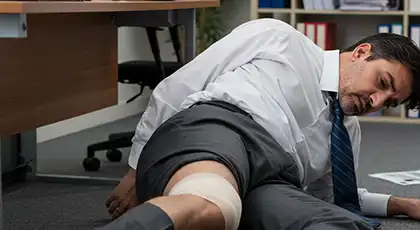
Returning to work before your body is ready can have long-term consequences. Healing takes time, and rushing the process can harm your health. It can also impact your ability to pursue fair compensation.
- Health Setbacks That Can Delay Full Recovery — Even if you feel pressure to return, doing so too early can:
- Worsen your injuries.
- Slow down your healing.
- Lead to long-term pain or complications.
You may feel capable at first, but minor pain or stiffness can become serious if left unaddressed. Returning too soon can also increase the risk of reinjury, especially if your job involves physical tasks or high stress.
Emotional recovery matters too. Accidents can cause anxiety, sleep problems, or difficulty focusing. Trying to push through while still struggling can adversely impact your performance and make recovery more difficult.
- How It Can Affect Your Injury Claim — Going back to work too soon may send the wrong message to insurance companies. They may argue that your injuries are not serious or that you didn’t need as much time to recover, which may reduce your compensation.
To protect your claim:- Follow all medical advice.
- Keep records of your symptoms, time off, and any restrictions.
- Let your doctor guide your return timeline.
- Speak with a lawyer before making decisions that could affect your case.
Waiting until your doctor fully clears you for work helps strengthen your claim. It shows that your recovery was medically necessary and that your time away from work was justified. It also helps your lawyer present a clearer picture of how the injury truly impacted your life.
Understanding Your Rights As An Employee
Whether your injury was from a work-related accident or elsewhere, you have legal protections that can support your recovery while pursuing your financial losses. These rights are in place so you do not have to choose between healing and keeping your job or income.
Here’s a summary of your legal rights after an injury:
| PROTECTION | WHAT IT COVERS | WHO IT APPLIES TO |
| Workers’ Compensation |
|
Employees who get injured while doing job-related tasks. |
| Disability Benefits |
|
Those unable to work due to injury or long-term impact |
| Medical Leave (Family and Medical Leave Act) |
|
Employees with serious health conditions (not limited to work injuries) |
| Third-Party Personal Injury Claims |
|
Injuries caused by someone other than your employer |
Tip: Workers’ compensation may not cover all your losses. Still, you can choose to pursue a workers’ comp claim and a third-party personal injury claim.
Frequently Asked Questions About Returning To Work After An Accident
Many have questions about when and how to return to work after an injury. Below are a few common concerns about going back to work following an accident. If you need advice based on your specific situation, our accident lawyers at Arash Law are here to help. Contact us for a free case review with an accident lawyer during the initial consultation.
Should I Go To Work The Day After A Car Accident?
It depends on how you’re feeling and what your doctor says. After a crash, you may want to get back to your routine quickly, especially if you’re concerned about missing work. However, returning too soon can slow down your healing or exacerbate injuries. It can also weaken your claim if it appears you didn’t need time to recover.
Even if your job isn’t physical, working while you’re still in pain can add stress and delay your progress. Talk to your doctor first and follow their advice. If you’re unsure how this decision might affect your case, our car accident lawyers can help you understand your rights and what steps to take next.
How Long Should I Stay Out Of Work After A Car Accident?
There’s no one-size-fits-all answer. The time you need off depends on the severity of your injuries, your doctor’s guidance, and your employer’s leave policies. Generally, if you suffered serious injuries like fractures or head trauma, recovery may take longer.
Discuss your condition with your doctor before going back to work. They can help you decide what timeline is appropriate for your health, so your return is unlikely to hurt your legal claim.
According to 2023 data from the California Department of Public Health, many people hospitalized after non-fatal accidents stayed in the hospital for anywhere from one day to over a week.
| California Non-Fatal Motor Vehicle Accidents, 2023 | |
| Hospital Length of Stay | Count |
| Same Day/Overnight | 641 |
| 2 Days | 520 |
| 3-4 Days | 656 |
| 5-7 Days | 414 |
| More Than 1 Week | 496 |
Source: California Department of Public Health | EpiCenter
The most frequent hospital stay lengths were 3 to 4 days (656 cases), followed by same-day or overnight stays (641 cases). Injuries from a traffic collision may be more severe than those from non-crash-related incidents, affecting your recovery time. Some people bounce back quickly, while others with broken bones, head injuries, or other serious injuries may need much more time to heal.
Before going back to work, talk with your doctor about how you’re feeling and what your job involves. They can let you know when it’s safe to return. If you’re unsure how this might affect your case, our car accident lawyers can walk you through how time off, medical care, and lost income could factor into your claim.
Can I Be Fired For Missing Work Due To A Car Accident?
You have legal protections if you’re injured and need time to recover. Under the Family and Medical Leave Act (FMLA), eligible employees can take up to 12 weeks of unpaid, job-protected leave to care for a serious medical condition. This includes injuries like amputations, burns, fractures, or other accident-related trauma.
If your employer fires you while you’re legally entitled to time off, it could be considered wrongful termination. In that case, you may have a separate legal claim in addition to your injury case. Our employment lawyers will guide you through the process and advocate for your rights.
What Are Some Examples Of Car Accident Excuses For Work?

Be honest and straightforward. Emergencies happen, and many employers will understand if you need time to deal with an injury or help a loved one in need. Examples of what you can say include:
- “I was in a car accident this morning and need to rest and see a doctor.”
- “I’m experiencing pain after a crash and need time to recover before returning to work.”
- “I’ve been advised by my doctor to take a few days off to heal from my injuries.”
- “I’m still dealing with symptoms from the accident and won’t be able to perform my duties today safely.”
Keeping your employer informed shows responsibility and helps prevent miscommunication. If you’re unsure what to say or how much to share, a car accident lawyer can help you handle those conversations the right way.
Notify your employer early and provide updates if your recovery timeline changes. Clear communication helps prevent misunderstandings and protects your position, allowing you to focus on healing.
Is Whiplash A Reason To Miss Work?
Yes, depending on the severity. Whiplash may seem minor at first, but symptoms such as neck pain, headaches, dizziness, and stiffness can make it difficult to work, especially in jobs that require lifting, driving, or prolonged periods at a desk.
Even mild whiplash can take days or weeks to heal. More serious cases may take longer, particularly if pain becomes chronic. Your doctor may recommend rest, physical therapy, or activity limits during recovery.
What Is The Average Time Off Work With Whiplash?
Most people with mild whiplash recover within a few days to a few weeks, according to the Cleveland Clinic. For more serious cases, recovery can stretch into several weeks or months. Some people develop long-term pain that makes it hard to return to full duties.
The amount of time you need off will depend on the severity of the injury, your body’s response to treatment, and the demands of your job. Your doctor’s guidance should always be your first point of reference.
Our personal injury lawyers can help you understand how time off work may affect your claim. We can provide resources to help you locate a qualified doctor and guide you through the legal process, allowing you to focus on healing while we handle the rest.
Need Legal Guidance After An Injury? We Can Help
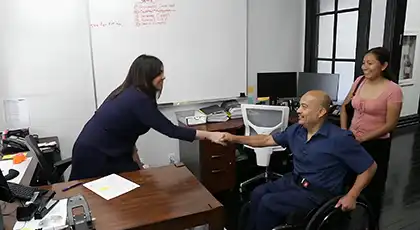
Returning to work after an accident is a significant decision. Your recovery, job demands, and legal rights all play a part. Taking the time you need to heal can make a real difference in both your health and your personal injury claim.
If you’re unsure whether now is the right time to return, our workplace accident lawyers can help. We’ll explain how your medical condition, time off, and job duties can affect your case and what steps to take next.
We work on a contingency fee basis, meaning you don’t pay attorney’s fees unless we win compensation. We’ll review everything clearly before you proceed.
To get answers tailored to your situation, call us at (888) 488-1391. You can also fill out our “Do I Have A Case?” form here to speak with an attorney experienced in workplace and accident-related claims.