TL;DR: In California, driving without a license can result in fines, while driving without insurance can also limit injury compensation. Under Proposition 213 (Civil Code § 3333.4), uninsured drivers generally cannot recover pain and suffering damages, even if they were not at fault. Medical expenses and lost wages may still be recoverable. Licensing, insurance, and liability records should be reviewed separately after a crash.
In California, driving without a license can result in fines and other penalties, while driving without insurance can also limit your right to compensation after a crash. Neither violation automatically determines who caused the accident. However, Proposition 213 (Civil Code § 3333.4) generally prevents uninsured drivers from recovering damages for pain and suffering, even when another driver was at fault. Driving without a valid license does not trigger this restriction. Injured drivers may still recover medical expenses and lost wages, subject to fault and other applicable rules.
An unlicensed driver may be covered by the vehicle owner’s insurance, even without a policy in their own name. If that driver caused the crash, the vehicle owner may also share legal responsibility under certain circumstances. These issues depend on insurance coverage, permission to drive, and the facts of the collision.
After a crash, these issues require different types of evidence. DMV records help verify licensing status, insurance documents establish coverage, and collision reports and other evidence help determine fault. Reviewing them separately can prevent a licensing violation from being mistaken for a lack of insurance or proof of negligence.
Table of Contents

Which Documents Related To Licensing, Insurance, and Liability Should Be Reviewed Separately After a Car Accident?
After a California car accident, licensing, insurance, and liability documents should be reviewed separately. Each serves a different purpose: verifying whether a driver had a valid license, confirming insurance coverage, and determining who may be responsible for the crash.
- Licensing Records: Review the driver’s license and available DMV driving records to verify whether the license was valid at the time of the accident. A license card alone may not reveal whether driving privileges were suspended or revoked.
- Insurance Documents: Check insurance cards, policy declarations pages, coverage dates, and cancellation notices. These records help establish whether insurance was active at the time of the crash and which coverage limits may apply.
- Liability Evidence: Examine the police collision report, witness statements, photographs, and available surveillance footage. These records can help establish how the accident happened and who may be at fault. A traffic citation alone does not prove negligence.
- Medical Records: Review emergency room reports, treatment notes, and diagnostic findings to document your injuries. If you experienced neck, back, or other soft tissue symptoms, follow-up medical evaluations may help clarify injuries that have not yet been confirmed.
A driver may have an invalid license but valid insurance, or a valid license without insurance. Reviewing these records separately helps prevent confusion about licensing violations, insurance coverage, and liability.
Key Facts: No License vs. No Insurance in California
- Driving Without a License (Vehicle Code § 12500(a)): Operating a vehicle without a valid license is illegal, but the violation does not automatically establish fault or limit compensation for injuries caused by another driver.
- Proof of Insurance (Vehicle Code § 16028(a)): Drivers must provide evidence of financial responsibility when legally required. Under § 16029, a first conviction for failing to provide proof carries a base fine of $100 to $200, plus penalty assessments. However, drivers who had valid insurance at the time of the citation may qualify for dismissal by submitting proof to the court and paying the applicable processing fee. Failing to show proof does not necessarily mean the driver was uninsured.
- Proposition 213 (Civil Code § 3333.4): Uninsured drivers and certain owners of uninsured vehicles generally cannot recover pain and suffering damages, regardless of fault, subject to statutory exceptions. Medical expenses, lost wages, and other economic losses remain potentially recoverable.
- Vehicle Owner Liability: An owner who permitted another person to drive may share liability for injuries caused by that driver’s negligence. Separate rules may apply if the owner negligently entrusted the vehicle to an unfit driver (California Vehicle Code §§ 17150–17151; CACI No. 724).
- Minimum Insurance Requirements (SB 1107): California increased its minimum auto liability insurance requirements on January 1, 2025. These limits differ from the UM/UIM coverage amounts that may apply under your policy.
- DMV Reporting and Suspension: Drivers generally must file an SR-1 accident report with the DMV within 10 days if the crash caused injury, death, or more than $1,000 in property damage. An uninsured, reportable crash can also result in a suspension of driving privileges (California Vehicle Code §§ 16000, 16070).
- Personal Injury Filing Deadline (CCP § 335.1): Most California personal injury lawsuits must be filed within two years. Claims involving public entities and certain other circumstances may have different deadlines, while some exceptions can extend the filing period.
The Critical Distinction: How California Treats License vs. Insurance Offenses
California law treats driving without a valid license and driving without insurance as separate violations. Both can result in penalties, but they affect personal injury claims differently. Neither violation automatically establishes who caused the crash.
| Key Difference | Driving Without a License | Driving Without Insurance or Proof |
|---|---|---|
| California Law | Vehicle Code § 12500(a) generally prohibits driving on a highway without a valid license. | Vehicle Code § 16020 establishes financial responsibility requirements, while § 16028(a) requires drivers to provide proof when legally requested. |
| What the Violation Means | The driver lacked valid driving privileges or otherwise violated the licensing requirement. | The driver may lack required financial responsibility or may simply have failed to provide proof of existing coverage. |
| Possible Penalties | A first or second violation is generally an infraction with a statutory $100 fine. Certain prior suspensions or revocations, and repeat violations, may result in different penalties (California Vehicle Code § 40000.10). | A first conviction for failing to show proof of insurance carries a base fine of $100 to $200, plus penalty assessments. Another conviction within three years of a prior conviction increases the base fine to $200 to $500, plus penalty assessments (California Vehicle Code §§ 16028(a), 16029). |
| Effect on Accident Fault | Being unlicensed does not automatically establish negligence or responsibility for the crash. The violation alone does not satisfy the requirements for negligence per se, which include a causal connection to the injury (California Evidence Code § 669; Wysock v. Borchers Bros. (1951) 104 Cal. App.2d 571). | Driving without insurance does not automatically mean a driver caused the accident. Fault depends on the circumstances of the crash and each driver’s actions. |
| Effect on Injury Compensation | An unlicensed driver may still pursue compensation if another party caused the accident. License status alone does not trigger Proposition 213. | Proposition 213 generally prevents operators who cannot establish the required financial responsibility and certain owners of uninsured vehicles from recovering pain and suffering damages, subject to statutory exceptions. Economic damages may remain recoverable (California Civil Code § 3333.4). |
| Insurance Coverage | An unlicensed driver may still be covered under an applicable vehicle owner’s policy, depending on the policy’s permissions, exclusions, and California law (California Insurance Code § 11580.1). | A driver who cannot show proof may still have valid insurance. Policy records are needed to determine whether qualifying coverage existed. |
| Vehicle Owner Liability | The vehicle owner may share liability if the unlicensed driver caused the crash while using the vehicle with permission. Separate negligent entrustment rules may also apply (California Vehicle Code § 17150; CACI No. 724). | Lack of insurance does not automatically establish vehicle owner negligence. However, the owner’s potential liability must be assessed separately from available insurance coverage. |
| Important Documents | Driver’s license, DMV driving records, vehicle ownership records, and collision report. | Insurance card, policy declarations, coverage dates, cancellation notices, and insurer records. |
The key distinction is that license status, insurance coverage, and accident fault must be evaluated separately. A driver may be unlicensed but insured, or licensed but uninsured. A licensing or insurance citation alone does not prove negligence or determine what compensation an injured person can recover.
What if Licensing, Insurance, and Liability Records Conflict?
Conflicting records should be reviewed according to the issue each record addresses. A collision report may identify a driver as unlicensed while also listing an insurance policy. These details do not necessarily contradict one another because an unlicensed driver may still be insured.
Similarly, an insurance citation does not automatically establish that no valid policy existed, and a licensing citation does not establish who caused the collision.
Keep the documents organized by category and note any missing or inconsistent information. Car accident lawyers can help identify which records require verification and how the findings may affect a personal injury claim.
Proposition 213: How Driving Without Insurance Affects Compensation
Proposition 213 generally prevents certain uninsured drivers and owners of uninsured vehicles from recovering non-economic damages after a motor vehicle accident. These damages include pain, suffering, inconvenience, physical impairment, and disfigurement.
For an injured person, this restriction can significantly affect the value of a personal injury claim. It may apply even when another driver was entirely responsible for causing the crash.
However, Proposition 213 generally does not prevent recovery of economic damages. Depending on the circumstances, these may include:
- Medical expenses.
- Lost wages and reduced earning capacity.
- Future medical costs.
- Other documented financial losses caused by the injuries.
Keeping medical bills, treatment records, proof of lost income, and receipts can help establish these losses. Proposition 213 does not apply simply because a driver lacked a valid license. Its financial responsibility requirements must be evaluated separately from licensing status.
Exceptions to Proposition 213
Proposition 213 does not restrict non-economic damages in every accident involving an uninsured vehicle. Important situations requiring separate review include the following.
-
Passengers Who Do Not Own the Uninsured Vehicle: Passengers are generally not barred from recovering for pain and suffering merely because the vehicle they were riding in lacked insurance.
However, if the injured passenger owned the uninsured vehicle involved in the accident, the ownership provision of Proposition 213 may apply (California Civil Code § 3333.4(a)(2)).
-
Uninsured Vehicle Owners Injured by a Driver Convicted of DUI: An owner of an uninsured vehicle may qualify for an exception if the motorist who caused their injuries was driving under the influence and was convicted of the qualifying offense.
This statutory exception applies to persons described in the uninsured-owner provision. It does not automatically extend to every uninsured vehicle operator (California Civil Code § 3333.4(c)).
-
Employees Driving Employer-Owned Vehicles: An employee driving an employer’s uninsured vehicle may not be subject to Proposition 213 under certain circumstances.
In Montes v. Gibbens (1999) 71 Cal.App.4th 982, the California Court of Appeal held that the restriction did not apply to an employee injured while operating an employer-owned uninsured vehicle. The decision considered the financial responsibility obligations assigned to employers under California law.
Whether similar reasoning applies to another case depends on the employment relationship, vehicle ownership, and applicable legal requirements.
- Crashes on Private Property: A collision on private property is not automatically exempt from Proposition 213. The law addresses damages arising from the operation or use of a motor vehicle and does not expressly limit its reach to public highways.
A parking lot or other private-property accident may therefore require the same insurance and financial responsibility review as a roadway collision (California Civil Code § 3333.4).
What Proposition 213 Does Not Change
Proposition 213 limits recovery for certain uninsured drivers and vehicle owners; it does not determine fault. The at-fault driver may remain liable for the crash under California law. If that driver carried liability insurance, their insurer may still owe damages within the policy’s limits. Proposition 213 restricts the compensation available to the injured uninsured claimant, not the legal responsibility of the person who caused the crash.
If you were in a crash and have questions about how Prop 213 affects your recovery, or whether an exception applies, Arash Law offers a free case evaluation. Call (888) 488-1391 to speak with our team.
How to Handle a Crash When the At-Fault Driver Had No Insurance
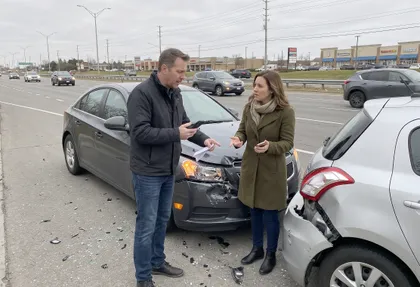
If the driver who caused the accident was uninsured, you may be able to recover compensation through your own uninsured motorist (UM) coverage. UM coverage can help compensate for covered medical expenses, lost wages, and pain and suffering, depending on the policy and circumstances of the accident.
California auto policies generally include UM coverage unless the policyholder rejects it in writing. You can review your policy declarations page and related coverage documents to determine whether this protection is available (California Insurance Code § 11580.2). If UM coverage is unavailable, you may still pursue compensation from the responsible driver or another legally liable party.
When the uninsured driver was using someone else’s vehicle, the owner’s liability and any potentially applicable insurance should also be investigated. Uninsured motorist accident attorneys can review available coverage, identify potentially responsible parties, and explain your options for pursuing compensation.
California’s Minimum Auto Insurance Requirements
Beginning January 1, 2025, California increased the minimum liability coverage requirements for standard auto insurance policies issued or renewed under the new rules. These limits are:
- $30,000 for bodily injury or death to one person.
- $60,000 for bodily injury or death to multiple people in one accident.
- $15,000 for property damage.
These liability limits apply to qualifying standard policies and differ from the UM/UIM coverage amounts that may apply under an individual policy (California Insurance Code § 11580.1(b)(1); California Vehicle Code § 16056).
When the At-Fault Driver Fled the Scene
If the driver who caused the accident fled without being identified, uninsured motorist coverage may apply. For qualifying bodily injury claims involving an unidentified vehicle, California law generally requires physical contact between the unidentified vehicle and the insured person or the vehicle they occupied. The insured or someone acting on their behalf must also report the accident to the appropriate law enforcement agency within 24 hours and submit a sworn statement to the insurer within 30 days after that report (California Insurance Code § 11580.2(b)).
Photographs, witness information, collision reports, and other available evidence can help support the claim.
Deadlines for Uninsured Motorist Claims
California generally requires specific legal action within two years of an accident to preserve a bodily injury UM claim. To preserve the claim, the insured generally must complete one of the following actions within that period:
- File a qualifying bodily injury lawsuit against the uninsured driver in a court with jurisdiction.
- Reach an agreement with the insurer about the amount owed under the policy.
- Formally begin arbitration by sending written notice to the insurer through certified mail, return receipt requested, as required by law.
Reporting the claim to the insurer alone may not satisfy these requirements. Proposition 213 may also restrict non-economic damages available through UM coverage if the injured person’s financial responsibility status falls within the statute. The coverage and damages questions should therefore be reviewed together.
Real Case Results Involving Unlicensed and Uninsured Drivers
A driver’s lack of a valid license or insurance does not automatically prevent an injured person from pursuing compensation. Arash Law has handled cases involving unlicensed or uninsured drivers, where investigating the accident helped identify evidence and potential sources of liability.
The following case results show how investigating fault and other responsible parties can help support these claims.
$1,003,000 (Traffic Accident): An overgrown bush blocked a driver’s view, contributing to an accident. Because the at-fault driver was uninsured, our attorneys investigated other sources of liability and secured compensation.
$1,000,000 (Car Accident): Our unlicensed client was turning left when an oncoming vehicle struck her car, seriously injuring her two children. Our team located key eyewitnesses whose accounts supported her statements, helping secure a $1 million settlement for the family.
These cases show that driving without a license or insurance does not automatically determine fault or eliminate the right to seek compensation. Evidence, applicable insurance coverage, and the actions of everyone involved can affect the outcome of a claim.
Past results do not guarantee future outcomes. Every case is different, and results depend on the specific facts, available evidence, and applicable law.
Frequently Asked Questions About Licensing and Insurance After a Crash in California
Licensing and insurance rules are among the most misunderstood aspects of a car accident case in California. Whether an uninsured driver injured you, you had a coverage gap yourself, or you are dealing with an adjuster who is conflating the two, the answers below address what California law actually says.
What Is Worse for My Injury Claim: Driving Without a License or Without Insurance?
Driving without insurance can have greater consequences for your injury claim. Under Proposition 213 (Civil Code § 3333.4), uninsured drivers generally cannot recover pain and suffering damages, even when someone else caused the accident. Driving without a license does not automatically impose this restriction. Medical expenses and lost wages may still be recoverable, depending on fault and other circumstances.
What Happens if a Driver Has Neither a License Nor Insurance After a Crash?
A driver who has neither a valid license nor qualifying financial responsibility may face separate legal consequences for both violations. Neither violation automatically establishes who caused the accident.
If the driver caused the crash, an injured person may pursue compensation from that driver and potentially another responsible party, such as a vehicle owner. If the driver was injured, Proposition 213 may limit their recovery of pain-and-suffering damages, subject to applicable exceptions.
Does an At-Fault Driver Being Unlicensed Affect Their Insurance Coverage?
Not necessarily. An unlicensed driver’s status does not automatically void insurance coverage. Whether the policy covers the accident depends on its terms, the driver’s permission to use the vehicle, and applicable California law. If an insurer denies coverage, understanding how a suspended license may affect insurance after a crash can help you identify questions to raise when reviewing the denial.
Can a Police Report Confirm Whether a Driver Was Licensed, Insured, or at Fault?
Not by itself. A police report may identify licensing violations, insurance information, and the officer’s findings about the crash. However, DMV records can help verify licensing status, insurance company records can confirm coverage, and additional evidence may be needed to establish fault. Each issue should be reviewed separately.
Can I Sue the Owner if an Unlicensed Driver Caused My Accident?
Yes, you may have a claim against the vehicle owner if the owner permitted the driver to use the vehicle and the driver’s negligence caused your injuries. California law provides for owner liability in qualifying permissive-use cases.
A separate negligent entrustment claim may also be available if the owner knew or should have known that the driver was unfit and that the driver’s unfitness contributed to the collision. The applicable requirements and liability limits depend on the legal basis of the claim.
How Long Will an Accident Without Insurance Stay on My DMV Record?
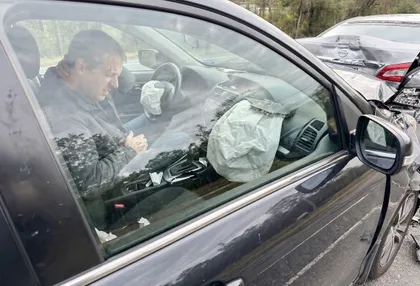
Most reportable accidents remain on a California DMV driving record for three years. However, drivers who cannot establish the required financial responsibility at the time of a reportable crash generally face a minimum one-year suspension of their driving privileges, regardless of fault.
After the minimum suspension period, drivers generally must maintain proof of financial responsibility, such as an SR-22 certificate, with the DMV for three years (California Vehicle Code §§ 16070, 16072).
Should I Use My UM Coverage or Sue the Uninsured Driver Directly?
If you have UM coverage, filing a claim with your insurer is often a practical first step. UM coverage may compensate you for covered injuries up to your policy limits. You may also pursue the responsible driver directly, although collecting compensation can be difficult if they lack sufficient assets. An attorney can help determine which option is appropriate for your case.
Can I Pursue a Case If I Was Unlicensed and Partially at Fault?
Yes. California’s pure comparative negligence rule allows you to seek compensation even if you were partly responsible for the crash. Your percentage of fault reduces your recovery. Driving without a license does not automatically prevent you from pursuing a claim against another negligent driver.
What If My Injuries Have Not Been Fully Diagnosed After the Crash?
You can still report your injuries and seek medical care while the diagnosis is being evaluated. Soft tissue injuries, such as neck and back strains, may require follow-up examinations to determine their severity. Medical records, treatment notes, and diagnostic findings can help document your symptoms and their possible connection to the accident. An unconfirmed diagnosis does not automatically establish or invalidate an injury claim.
Talk to Arash Law About Your California Crash Claim
If you were injured in a crash involving an uninsured or unlicensed driver, Arash Law can help you understand your rights and compensation options. Our attorneys can investigate the accident, review available insurance coverage, determine whether Proposition 213 applies, and pursue compensation for your injuries and financial losses.
Arash Law has recovered over $1 billion for injured clients throughout California. We handle personal injury cases on a contingency fee basis, meaning you pay no attorney’s fees unless we recover compensation for you.
Call (888) 488-1391 for a free case evaluation. Our team is available 24/7.
Sources
- California Vehicle Code § 12500(a): Driver’s License Requirements. California Legislative Information. https://leginfo.legislature.ca.gov/faces/codes_displaySection.xhtml?lawCode=VEH§ionNum=12500.
- California Vehicle Code § 40000.10: Penalties for Unlicensed Driving. California Legislative Information. https://leginfo.legislature.ca.gov/faces/codes_displaySection.xhtml?lawCode=VEH§ionNum=40000.10.
- California Vehicle Code § 16000: Motor Vehicle Accident Reporting Requirements. California Legislative Information. https://leginfo.legislature.ca.gov/faces/codes_displaySection.xhtml?lawCode=VEH§ionNum=16000.
- California Vehicle Code § 16002: Employer-Owned Vehicle Accident Reporting. California Legislative Information. https://leginfo.legislature.ca.gov/faces/codes_displaySection.xhtml?lawCode=VEH§ionNum=16002.
- California Vehicle Code § 16028: Evidence of Financial Responsibility and Citation Dismissal. California Legislative Information. https://leginfo.legislature.ca.gov/faces/codes_displaySection.xhtml?lawCode=VEH§ionNum=16028.
- California Vehicle Code § 16029: Penalties for Failure to Provide Evidence of Financial Responsibility. California Legislative Information. https://leginfo.legislature.ca.gov/faces/codes_displaySection.xhtml?lawCode=VEH§ionNum=16029.
- California Vehicle Code § 16070: Suspension for Failure to Establish Financial Responsibility. California Legislative Information. https://leginfo.legislature.ca.gov/faces/codes_displaySection.xhtml?lawCode=VEH§ionNum=16070.
- California Vehicle Code § 16072: Suspension Period, Restricted Driving Privileges, and Proof of Financial Responsibility. California Legislative Information. https://leginfo.legislature.ca.gov/faces/codes_displaySection.xhtml?lawCode=VEH§ionNum=16072.
- California Vehicle Code § 16430: Proof of Financial Responsibility. California Legislative Information. https://leginfo.legislature.ca.gov/faces/codes_displaySection.xhtml?lawCode=VEH§ionNum=16430.
- California Vehicle Code §§ 17150–17151: Vehicle Owner Liability and Statutory Limits. California Legislative Information. https://leginfo.legislature.ca.gov/faces/codes_displaySection.xhtml?lawCode=VEH§ionNum=17150. and https://leginfo.legislature.ca.gov/faces/codes_displaySection.xhtml?lawCode=VEH§ionNum=17151.
- California Civil Code § 3333.4: Proposition 213 and Restrictions on Non-Economic Damages. California Legislative Information. https://leginfo.legislature.ca.gov/faces/codes_displaySection.xhtml?lawCode=CIV§ionNum=3333.4.
- California Evidence Code § 669: Presumption of Negligence. California Legislative Information. https://leginfo.legislature.ca.gov/faces/codes_displaySection.xhtml?lawCode=EVID§ionNum=669.
- California Insurance Code § 11580.1: Motor Vehicle Liability Insurance Requirements. California Legislative Information. https://leginfo.legislature.ca.gov/faces/codes_displaySection.xhtml?lawCode=INS§ionNum=11580.1.
- California Insurance Code § 11580.2: Uninsured and Underinsured Motorist Coverage, Hit-and-Run Requirements, and Claims Deadlines. California Legislative Information. https://leginfo.legislature.ca.gov/faces/codes_displaySection.xhtml?lawCode=INS§ionNum=11580.2.
- California Code of Civil Procedure § 335.1: Personal Injury Statute of Limitations. California Legislative Information. https://leginfo.legislature.ca.gov/faces/codes_displaySection.xhtml?lawCode=CCP§ionNum=335.1.
- California Department of Motor Vehicles: Financial Responsibility (Insurance). https://www.dmv.ca.gov/portal/driver-education-and-safety/dmv-safety-guidelines-actions/financial-responsibility-insurance/
- California Department of Motor Vehicles: Report of Traffic Accident Occurring in California (SR-1). https://www.dmv.ca.gov/portal/dmv-virtual-office/accident-reporting/
- California Department of Motor Vehicles: Request Your Driver’s Record. https://www.dmv.ca.gov/portal/customer-service/records-request/online-driver-record-request/
- California Department of Insurance: New Year Means New Changes for Insurance, Make Sure You Are Protected. https://www.insurance.ca.gov/0400-news/0102-alerts/2025/New-Year-Means-New-Changes-for-Insurance.cfm
- California Courts Self-Help Guide: Deadlines to Sue. https://selfhelp.courts.ca.gov/civil-lawsuit/statute-limitations
- Wysock v. Borchers Bros. (1951) 104 Cal.App.2d 571: Driver Licensing and Negligence. https://www.leagle.com/decision/1951675104calapp2d5711572
- Montes v. Gibbens (1999) 71 Cal.App.4th 982: Proposition 213 and Employer-Owned Uninsured Vehicles. https://www.leagle.com/decision/199940884calrptr2d3241360
- Arash Law: Case Results. https://arashlaw.com/case-results/
Disclaimer
Past results do not guarantee future outcomes. Every case is different. The information on this page is for general educational purposes and does not constitute legal advice. Reading or relying on this content does not create an attorney-client relationship. If you were injured, consult a licensed California personal injury attorney about your specific situation.