TL;DR: Depending on the facts of your injury, you may need workers’ comp, UM benefits, or both. Workers’ comp may cover medical care and lost wages, while UM depends on policy coverage, physical contact, and strict reporting deadlines. A hit-and-run accident attorney can help review your situation and identify which claims may apply.
In many cases, you may need both. Workers’ comp can pay for medical care and replace part of your wages if you qualify. UM may cover injury losses if an auto policy covers you and the crash meets California’s requirements.
However, it’s important to act early to protect your options. Starting on the day of the hit-and-run, state law generally only gives you 24 hours to report the incident to law enforcement and 30 days to inform your employer of your injury in writing.
Table of Contents

I Was Working When a Hit-and-Run Driver Injured Me. Should I Ask a Lawyer About Workers’ Comp, UM, or Both?
Ask a hit-and-run accident attorney about your eligibility to seek benefits from both. These claims have different requirements, deadlines, and payment rules, so reviewing them together can help you protect your available legal options.
A lawyer can check whether your job duties connect the crash to your employment and what benefits you may qualify for. They can also examine whether UM is part of your own (or a qualifying household member’s) auto policy and whether you meet the reporting requirements for filing a hit-and-run UM claim.
If police find the driver, you can also ask whether the attorney can help you pursue a claim against them. You may also be able to seek underinsured motorist (UIM) benefits if the identified driver doesn’t have enough insurance to cover your losses.
Key Facts About California Work-Related Hit-and-Run Claims
- California workers’ compensation can cover injuries from a work-related crash. Labor Code § 3600 generally ties eligibility to your employment and the connection between the injury and your work.
- UM claims against an unknown driver have special requirements. Insurance Code § 11580.2(b) requires physical contact, a police report within 24 hours, and a sworn statement to the insurer within 30 days after the report.
- Identifying the driver can open a separate personal injury claim. Labor Code § 3852 lets an eligible worker seek damages from a responsible third party while pursuing workers’ comp.
- A third-party recovery can affect workers’ compensation payments. Labor Code §§ 3858–3862 govern reimbursement, liens, and credits after a third-party recovery. Special allocation and credit rules apply to qualifying peace officers and firefighters.
- A UM policy may reduce its payments by the amount of your workers’ compensation benefits. Insurance Code § 11580.2(h)(1) permits this reduction when the policy provides for it.
- UM claims have a separate two-year preservation deadline. Insurance Code § 11580.2(i) requires the insured to file suit, reach an agreement with the insurer, or formally institute arbitration within two years after the accident.
Which Claims Can You Explore After a Work-Related Hit-and-Run?
A hit-and-run injury during work may involve workers’ compensation, a claim against the driver, and uninsured motorist (UM) coverage. Each follows different rules and may provide different benefits. A lawyer can review which options apply and how they affect one another.
You can use this quick comparison chart to identify which claims may fit your situation and which records to gather before consulting a lawyer.
| Claim | When Does It Apply? | Who Handles the Claim? | What Can It Cover? |
|---|---|---|---|
| Workers’ compensation | You were an employee injured while performing job duties. | Employer, workers’ comp insurer, or claims administrator. | Medical care and disability benefits for a qualifying work injury. |
| Third-party personal injury | The driver is identified and may be legally responsible for the crash. | The driver’s liability insurer, if available, or the responsible party through a legal claim. | Proven losses such as medical costs, lost income, and pain and suffering. |
| UM/UIM claim | An applicable policy covers the crash, and its hit-and-run requirements are met. | The insurer providing applicable UM coverage. | Covered injury damages, subject to policy limits and applicable reductions. |
Before your consultation, bring any records you have that show how the hit-and-run happened, what you were doing for work, and which insurers are involved. These documents can help a lawyer identify the claims you may be able to file.
Useful records include:
- Employment Information: Your employer’s name, job duties, and workers’ comp claim information.
- Crash Evidence: The police report, crash details, and any information identifying the driver.
- Insurance Records: Personal or employer vehicle insurance information, including any UM coverage.
- Medical and Wage Records: Medical bills, wage records, and notices showing benefits or payments already received.
- Claim Correspondence: Letters from insurers or third-party claims administrators.
You do not need every document before speaking with a lawyer. Bring what you have so they can identify missing records, review potential deadlines, and explain which claims they can handle.
Can You Pursue More Than One Claim?
Possibly. Workers’ compensation may provide benefits while an investigation determines whether a third-party claim or UM/UIM coverage is available. However, payments, reimbursement rights, and offsets can affect the final recovery.
A lawyer handling work injuries can review how the claims connect. Because workers’ compensation and personal injury claims involve different procedures, the worker should also confirm which claims the lawyer handles and whether separate representation is needed.
When Does Workers’ Comp Cover a Hit-and-Run?
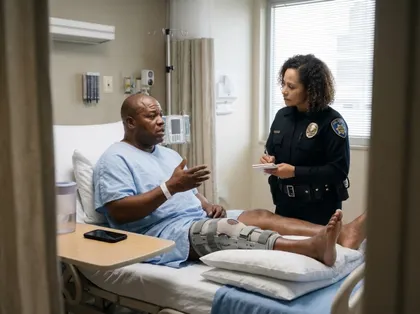
Workers’ comp may cover your injuries if you qualify as an employee and the crash occurred while you were performing job duties. You can report the injury even while police are still trying to find the driver. Workers’ comp generally does not require you to prove who caused the crash.
Making deliveries or traveling between job sites may qualify. An ordinary commute usually falls outside coverage, but a special errand for your employer may qualify.
If the company classified you as an independent contractor, don’t assume the law automatically bars you from seeking workers’ compensation benefits. You may still qualify under California’s employee-classification rules. A workers’ compensation lawyer can review your actual working relationship and the employment status that applies to you.
When Might You Have a UM/UIM Claim?
UM coverage may apply when an at-fault driver is uninsured or remains unidentified, provided an auto policy covers you. If the driver has insurance, UIM coverage may apply when the total applicable bodily injury liability limits are lower than your UIM limits.
If the driver remains unknown, state law requires you to:
- Prove there was physical contact between the fleeing vehicle and you or the vehicle you were in. If the driver only forced you off the road, tell your lawyer exactly what happened and share any video or witness accounts.
- File a report to the appropriate law enforcement agency (such as a city police department or the California Highway Patrol) within 24 hours. You or someone acting on your behalf can make the report.
- Submit a sworn statement to the insurer within 30 days of the report being made. It should describe the facts supporting the claim against the unidentified driver.
Notify your insurer promptly and review your policy’s notice requirements. The insurer may have additional procedures for reporting and handling your claim.
Which Auto Policy Should You Check?
Check your own auto policy and any policy held by a spouse or relative who lives with you. Depending on the policy and California’s insured-person requirements, UM coverage may apply even if you were walking when the driver struck you.
If you were in a work vehicle, entering it, or getting out, ask whether your employer’s commercial auto policy provides UM/UIM coverage. Under Insurance Code § 11580.2(b), coverage for someone insured under a business policy generally depends on their connection to an insured vehicle. Don’t assume the policy covers an employee who was walking or working away from the vehicle. Have a lawyer review the policy and endorsements.
A mention of UM coverage in an insurance letter or a claims administrator’s note doesn’t prove the coverage exists. California permits a named insured to reject UM coverage in writing. Your lawyer should confirm whether the policy includes UM/UIM coverage, whether you qualify as an insured, and whether any applicable exclusions or limitations affect the claim.
What Changes if Investigators Identify the Driver?
You may have a civil claim if you can show that the driver’s negligence caused your injuries. This third-party personal injury claim can include damages for pain and suffering, which workers’ comp doesn’t pay.
Identifying the driver does not guarantee that you can collect compensation. The driver may lack liability insurance or have insufficient coverage. Your lawyer can investigate available insurance, potential responsible parties, and whether your UM/UIM coverage may provide another source of recovery.
If UIM coverage applies, the insurers on all applicable liability policies generally must first pay out their full bodily injury limits through judgments or settlements. Submit proof of payment to the UIM insurer. Before accepting a settlement or releasing a potentially responsible party, have your lawyer review the consent requirements under Insurance Code § 11580.2 and any effect on your workers’ compensation claim.
Need help deciding which claims to discuss? Call Arash Law at (888) 488-1391 for a free case evaluation. Have your crash report number, claim letters, and any auto insurance information handy.
How Do Payments and Settlements Affect the Other Claims?
If you’re eligible to pursue workers’ compensation and UM claims arising from the same crash, don’t expect each claim to pay the full value of the same losses on its own. California law allows certain workers’ compensation benefits to reduce UM payments, and third-party recoveries may trigger separate reimbursement or credit rules.
Coordinating workers’ compensation and third-party injury claims may involve comparing medical records, treatment history, work restrictions, and wage losses. Here’s what to keep in mind:
- A workers’ compensation insurer may seek reimbursement for benefits it paid from an eligible third-party recovery. Labor Code §§ 3858–3862 govern reimbursement, settlement allocations, liens, and credits. Have your lawyers review the proposed settlement and any claimed lien or credit before you sign a release.
- Your UM insurer may reduce what it pays by the workers’ compensation benefits you’ve received and the present value of benefits still owed to you, if the policy allows it. Insurance Code § 11580.2(h)(1) permits this reduction. Ask your lawyers how the offset affects your UM claim before you agree to a settlement or arbitration award.
- California generally delays UM arbitration until your condition is stationary and ratable (stable enough to rate any permanent disability). If you claim permanent disability, your workers’ compensation claim generally must reach an award or settlement first, unless good cause supports earlier arbitration. Under Insurance Code § 11580.2(i)(2), arbitration generally must conclude within five years after it starts, or within three years after the related workers’ compensation claim concludes, whichever is later. The parties may agree in writing to extend the deadline.
What Can Your Lawyers Review Across All Three Claims?
Your lawyers can use one timeline to check how the crash happened, what you were doing for work, and when you reported it. Bring your schedule, dispatch messages, crash report, and any claim notices. The records can show your trip’s purpose, the agency you contacted, and the date of each report.
Medical records and pay stubs can help document your treatment, missed work, and work restrictions across all three claims. Give your lawyers the bills and benefit statements so they can see what each insurer paid. Flag any unpaid bills and ask which insurer, if any, will consider them.
Do You Need Separate Lawyers for Your Claims?
Possibly. Ask your work injury lawyer which claims a written agreement for legal representation covers. If you hire separate lawyers, confirm who will contact each insurer, track each deadline, and share records with the other lawyer.
Before you sign a settlement, ask which claims the release closes. Your lawyers can review who may seek repayment, whether the settlement affects future workers’ comp benefits, and whether you need the auto insurer’s consent.
Should I Wait for the Hit-and-Run Driver to Be Found Before Consulting a Lawyer?
No. You can consult a lawyer even if the police have not identified the driver. Waiting could affect your ability to meet workers’ compensation deadlines, preserve evidence, or qualify for uninsured motorist (UM) coverage.
In California, employees generally must notify their employer in writing of a work-related injury within 30 days. Hit-and-run UM claims also have strict deadlines for notifying law enforcement and insurers of the incident.
Giving your employer notice is not the same as filing a workers’ compensation claim. Your employer should give you a claim form (DWC-1) within one working day after learning of your injury. Complete and return it promptly.
Proceedings for workers’ compensation benefits generally must begin within one year of the injury. However, that period can be extended if your employer has already provided benefits, such as medical treatment or disability payments.
You also have a limited amount of time to act on a UM claim. Within two years of the crash, you must take one of the following actions to preserve it:
- File a bodily injury lawsuit against the uninsured driver.
- Reach an agreement with your insurer on the amount due.
- Formally institute arbitration by sending written notice to the insurer or its designated agent by certified mail, return receipt requested.
Some of those steps have their own deadlines, too. For instance, state law generally only gives you a two-year deadline to sue someone for personal injury and just six months to present a personal injury claim to a responsible public entity.
A lawyer can review the deadlines for each possible claim while the driver remains unidentified. Workers’ compensation, UM claims, and third-party injury lawsuits follow different rules, so the progress of one claim does not automatically extend the deadline for another.
Frequently Asked Questions About California Work-Related Hit-and-Run Claims
Can I Open a UM Claim While Workers’ Comp Is Pending?
Yes. You can pursue a UM claim while your workers’ compensation claim is pending. However, simply notifying your insurer does not satisfy California’s separate two-year UM preservation requirement under Insurance Code § 11580.2(i).
Can Someone Else Report the Crash if I’m in the Hospital?
Yes. California allows someone to make the required law enforcement report and file the sworn statement on your behalf. Keep proof of when you or your representative submitted the report and statement.
Does a Claims Administrator’s Letter Confirm Whether I Have UM Coverage?
No. A claims administrator’s letter does not establish that you have UM coverage. A third-party administrator may handle claims for an insurance company or self-insured employer. Ask which company it represents and get copies of the policy and coverage documents.
Does a Police Report Prove the Other Driver Was at Fault?
Not necessarily. A police report can help document the crash, but fault depends on the evidence. An insurer or court may also consider video, witness accounts, vehicle damage, and other records.
Ask Arash Law About Your Options After a Work Hit-and-Run
Call Arash Law at (888) 488-1391 for a free initial consultation about your work injury and possible insurance claims. Tell us what you were doing for work, whether police identified the driver, and which insurers you’ve contacted.
If you have claim letters, a crash report number, or a settlement offer, have them handy. We can discuss which claims need review and whether you may need more than one lawyer.
Sources
- California Labor Code § 3600. Conditions for workers’ compensation eligibility. https://leginfo.legislature.ca.gov/faces/codes_displaySection.xhtml?lawCode=LAB§ionNum=3600
- California Labor Code § 5400. Written notice of a work injury to the employer, generally required within 30 days. https://leginfo.legislature.ca.gov/faces/codes_displaySection.xhtml?lawCode=LAB§ionNum=5400
- California Labor Code § 5401. Workers’ compensation claim forms and claim filing requirements. https://leginfo.legislature.ca.gov/faces/codes_displaySection.xhtml?lawCode=LAB§ionNum=5401
- California Labor Code § 5405. Time limits for initiating workers’ compensation proceedings. https://leginfo.legislature.ca.gov/faces/codes_displaySection.xhtml?lawCode=LAB§ionNum=5405
- California Insurance Code § 11580.2. Uninsured and underinsured motorist coverage, eligibility, reporting requirements, offsets, arbitration, and settlement conditions. https://leginfo.legislature.ca.gov/faces/codes_displaySection.xhtml?lawCode=INS§ionNum=11580.2
- California Labor Code § 3351. Definition of an employee for workers’ compensation purposes. https://leginfo.legislature.ca.gov/faces/codes_displaySection.xhtml?lawCode=LAB§ionNum=3351
- California Labor Code § 3357. Presumption of employee status. https://leginfo.legislature.ca.gov/faces/codes_displaySection.xhtml?lawCode=LAB§ionNum=3357
- California Labor Code § 2775. Employee classification and the ABC test. https://leginfo.legislature.ca.gov/faces/codes_displaySection.xhtml?lawCode=LAB§ionNum=2775
- California Code of Civil Procedure § 335.1. Two-year limitation period for personal injury actions. https://leginfo.legislature.ca.gov/faces/codes_displaySection.xhtml?lawCode=CCP§ionNum=335.1
- California Senate Bill 487 (2025), Chapter 763, Statutes of 2025. Amendments to workers’ compensation third-party recovery provisions, effective January 1, 2026. https://leginfo.legislature.ca.gov/faces/billNavClient.xhtml?bill_id=202520260SB487
- California Courts. Time limits for filing a civil lawsuit. https://selfhelp.courts.ca.gov/civil-lawsuit/statute-limitations
- California Division of Workers’ Compensation. Injured workers’ benefits and rights. https://www.dir.ca.gov/dwc/InjuredWorker.htm
- California Division of Workers’ Compensation. Filing a workers’ compensation claim. https://www.dir.ca.gov/dwc/fileaclaim.htm
- California Labor Code § 3852. Right to pursue a claim against a responsible third party. https://leginfo.legislature.ca.gov/faces/codes_displaySection.xhtml?lawCode=LAB§ionNum=3852
- California Labor Code § 3858. Effect of a third-party judgment on workers’ compensation liability. https://leginfo.legislature.ca.gov/faces/codes_displaySection.xhtml?lawCode=LAB§ionNum=3858
- California Labor Code § 3859. Settlement of third-party claims and workers’ compensation rights. https://leginfo.legislature.ca.gov/faces/codes_displaySection.xhtml?lawCode=LAB§ionNum=3859
- California Labor Code § 3860. Distribution of third-party recoveries and reimbursement. https://leginfo.legislature.ca.gov/faces/codes_displaySection.xhtml?lawCode=LAB§ionNum=3860
- California Labor Code § 3861. Effect of third-party recovery on future workers’ compensation liability. https://leginfo.legislature.ca.gov/faces/codes_displaySection.xhtml?lawCode=LAB§ionNum=3861
- California Labor Code § 3862. Employer rights involving third-party recoveries. https://leginfo.legislature.ca.gov/faces/codes_displaySection.xhtml?lawCode=LAB§ionNum=3862
- California Civil Code § 1714. General duty of care and liability for negligent acts. https://leginfo.legislature.ca.gov/faces/codes_displaySection.xhtml?lawCode=CIV§ionNum=1714
Disclaimer
This article provides general information and does not create an attorney-client relationship. Consult a licensed California attorney about your facts and deadlines. Past results do not guarantee a similar outcome. Arash Law — (888) 488-1391.