TL;DR: Payment of some medical bills does not automatically settle your California injury claim. To confirm its status, ask the insurer what the payment covered and whether it considers the claim settled. Review any settlement offer, acceptance, signed release, and claim-closure letter. An agreement may be binding even without a signed release. Check your filing deadline as you gather these records.
To confirm whether your injury claim settled, ask the insurer for its payment records and any agreement it says resolved the claim. Payment of medical bills alone does not prove that you settled. Compare the records with any settlement offer, acceptance, signed release, and court filings.
Health insurance, medical payments coverage (MedPay), and liability insurance may pay medical bills for different reasons. A hospital may show a zero balance even when your bodily injury claim remains open.
An insurer may also mark a claim closed without showing that you accepted a settlement. Keep your payment notices, letters, and messages while checking the claim’s status. A California injury lawyer can review these documents and explain whether an agreement affects your right to seek compensation.
Key Facts About Medical Bill Payments and Injury Claim Settlements
- Medical Benefits. Health insurance, MedPay, and workers’ compensation can cover treatment while a separate injury claim remains unresolved.
- Advance Payments. Under California Insurance Code section 11583, qualifying liability advances generally count toward a later settlement or judgment.
- Settlement Agreements. An accepted offer may create a binding settlement even without a signed release.
- Filing Deadlines. Most California personal injury lawsuits have a two-year deadline. Government claims and certain insurance claims have different requirements.
- Closed Insurance Claims. An insurer may close its administrative file without a bodily injury settlement. A closure notice alone does not prove that you accepted an agreement.
Table of Contents

Insurance Paid Some Medical Bills. How Do I Confirm Whether My Bodily Injury Claim Actually Settled?
Request the insurer’s payment ledger, coverage explanation, settlement correspondence, and any document showing acceptance.
The most useful documents include:
- Payment Records: Identify who paid, who received the money, the amount, and the coverage used.
- Settlement Offer and Acceptance: Show the proposed terms and whether someone agreed to them.
- Signed Release: Identifies which claims and parties the agreement covers.
- Claim-Closure Letter: May explain why the insurer closed its file.
- Court Records: May show whether a filed lawsuit was reported as settled or formally dismissed.
Not every claim will have all these documents. For example, an insurer may pay medical benefits without reaching a bodily injury settlement.
When the adjuster says your claim settled, ask for the document or message showing that you accepted the offer. If a lawyer handled the negotiations, ask which terms they accepted and what you authorized.
You can consult a lawyer even if some records are missing. Bring the documents you have and identify what you still need.
Different Insurance Payments Have Different Purposes
Medical bills can be paid through several types of coverage. Identifying the payment source helps you determine whether the insurer paid a medical benefit, issued an advance, or made a final settlement payment.
- Health Insurance: Your health plan pays eligible treatment expenses. An explanation of benefits (EOB) shows how it processed the bill and what you may owe.
- MedPay: Auto MedPay covers eligible medical expenses regardless of fault, subject to policy terms and limits. It does not automatically settle a separate bodily injury claim.
- Workers’ Compensation: If the crash happened while you were working, workers’ compensation may pay for authorized treatment. California workers’ compensation attorneys can review those benefits and any repayment obligations. You may also have a separate personal injury claim against a responsible third party.
- Liability Insurance: Another driver’s insurer may pay a specific medical bill, issue an advance, or make a final settlement payment.
- UM/UIM Coverage: Your own insurer may pay under uninsured motorist (UM) or underinsured motorist (UIM) coverage. These claims have separate requirements.
When the Other Driver’s Insurer Pays a Medical Provider Directly
The other driver’s insurer may pay a hospital, ambulance company, or doctor directly. That payment may cover only certain charges. It does not, by itself, mean you settled your bodily injury claim or received compensation for pain and suffering, lost wages, or future treatment.
A direct provider payment can be:
- A payment toward specific medical charges while your claim stays open.
- An advance payment that will be credited against a later settlement or judgment.
- Part of a settlement you or someone acting for you already agreed to.
To find out which, ask the insurer for a written explanation of the payment, the coverage it used, and any agreement connected to it. Then ask the medical provider for an itemized payment ledger. The ledger shows which company paid each charge and when. Your health plan’s explanation of benefits (EOB) usually won’t show payments from the other driver’s insurer.
Don’t assume you can return the money or reverse the payment to change its effect. Have a lawyer review the records before you take any action.
An Advance Payment Is Not Automatically a Settlement

An advance payment is money a liability insurer pays before an injury claim is fully settled. For example, another driver’s insurer may pay $3,000 toward your medical bills while your claim remains open.
Under California Insurance Code section 11583, a person or liability insurer making a qualifying advance or partial payment must provide written notice of the applicable filing deadline when payments begin. If the recipient is not represented by an attorney and the required notice is missing, the filing deadline is tolled. Under Associated Truck Parts, Inc. v. Superior Court (1991) 228 Cal.App.3d 864, 870, tolling ends when the recipient receives written notice or obtains legal representation, whichever happens first.
Not every medical payment qualifies for this rule. Ask the insurer how it classified the payment, and have a lawyer check whether it affects your settlement or filing deadline.
Documents That Can Show What You Agreed To
Review the settlement offer, acceptance, and any release together. Check the amount, claims and parties covered, and conditions for finalizing the agreement. Keep complete emails, text messages, signatures, and attachments.
- Settlement Letter: May propose settlement terms or confirm an agreement. If the insurer says you accepted, request the communication showing your acceptance. If a lawyer accepted on your behalf, ask what you authorized them to do. California requires lawyers to follow their clients’ decisions about whether to settle.
- Signed Release: Shows which claims and parties the agreement covers. Check whether it waives California’s protections for certain unknown claims under Civil Code section 1542.
- Unsigned Release: An unsigned release does not automatically mean a claim remains open. In CSAA Insurance Exchange v. Hodroj (2021) and Farmers Insurance Exchange v. Superior Court (2026), the courts recognized that accepted settlement offers can create binding agreements even when parties later dispute or refuse formal settlement documents. Whether an agreement binds the parties depends on its terms, conditions, and acceptance.
A check marked as full settlement may resolve a disputed claim when you deposit it. California Commercial Code section 3311 establishes specific requirements and exceptions. Have a lawyer review the check and accompanying communication before assuming the claim remains open.
Agreement, Paperwork, and Payment Are Separate Steps
A settlement usually moves through three stages:
- Agreement Reached: The parties agree on the material terms.
- Paperwork Completed: The parties sign the release and any other documents required by the agreement.
- Payment and Follow-Up: The insurer issues payment, accounts for applicable deductions, and completes any required court dismissal. Medical liens and reimbursement obligations may still require follow-up.
These steps don’t always happen together. You may have a binding settlement before any check arrives. You may also receive a check for medical expenses without any settlement agreement. A missing check doesn’t mean your claim is still open, and a payment doesn’t mean it’s closed.
A Closed Insurance File Does Not Always Mean the Claim Settled
An insurer may close a claim after settlement, denial, or another administrative decision. The closed status alone does not establish that you accepted a settlement. Ask the adjuster why the insurer closed your bodily injury claim. If the insurer says you settled, request the agreement and proof of acceptance.
If you filed a lawsuit, check the court’s docket. Look for these documents:
- Notice of Settlement: When an entire case settles, the plaintiff or another party seeking affirmative relief must immediately notify the court under California Rules of Court, rule 3.1385.
- Dismissal With Prejudice: This generally ends those claims permanently.
- Dismissal Without Prejudice: This ends the current case but may allow the claims to be refiled if the deadline hasn’t passed. It doesn’t necessarily mean the case settled.
- Partial Dismissal: This may cover only certain defendants or claims.
A dismissal doesn’t prove that every claim from the accident settled. Many insurance claims settle without any lawsuit, so no court record will exist. Review the dismissal form itself alongside any settlement agreement.
Keep your written requests and responses if the records conflict or the insurer refuses to explain its position. California car accident lawyers can review the settlement documents and assess whether the claim was resolved.
Unpaid Losses and Reimbursement Claims Need Review
Paying medical bills does not necessarily settle other injury-related losses, such as lost wages, future treatment, or pain and suffering. Check whether the settlement agreement covers these losses. Ongoing treatment or unpaid bills do not, by themselves, prove that a claim remains open.
Some payments from Medicare, Medi-Cal, health plans, MedPay, or workers’ compensation may need to be repaid from a settlement. A lawyer can review whether you must pay medical bills from a personal injury settlement and how those obligations affect the amount you receive.
Injury Claim Settlement Verification Checklist
Use this checklist to find out what insurance paid and whether your injury claim settled. Complete it for each payment or claim number. Ask your lawyer or the insurance adjuster for help obtaining missing records.
| What to Check | What to Look For or Ask | Your Answer |
|---|---|---|
| Reason for Payment | What did the payment cover? Did the insurer call it a medical benefit, an advance, or a final settlement? | Medical Benefit | Advance | Settlement | Other | Not Sure |
| Who Paid | Which insurance company or benefit program paid? What type of coverage did it use? | Company or Program: __________________
Coverage: __________________ |
| Who Received the Money | Did the money go to you, a hospital, another medical provider, or your lawyer? | Me | Medical Provider | Lawyer | Other | Not Sure |
| Settlement Acceptance | Did you or an authorized representative accept the offer? When and how? | Yes | No | Not Sure |
| Signed Release | Did you sign a release? Which claims and parties does it cover? | Yes | No | Not Sure |
| Settlement Letter | Did the insurer send an offer or confirm that you accepted one? Request the offer and your response. | Offer | Confirmation | Neither | Not Sure |
| Claim Status | Does the insurer say your claim is open, denied, or closed? Ask why. | Open | Denied | Closed | Not Sure |
| Unpaid Bills and Other Losses | Do you still need treatment, have unpaid bills, or have lost wages? | Yes | No | Not Sure |
| Questions for Your Lawyer | Did I agree to settle? What claims does the agreement cover? Do I still have time to take legal action? | Questions or Notes: ________________ |
Download a printable version of the checklist here.
A payment may fit more than one description. Record what the insurer calls it, and mark “Not Sure” when you cannot confirm.
Your answers help organize the records but do not prove whether your claim settled. A settlement may be binding without a signed release. A closed insurance file also does not, by itself, prove settlement.
You can also review how medical bills are paid after a car accident to understand the different payment sources.
Unsure whether the insurer’s payment settled your injury claim? Call (888) 488-1391 for a free case evaluation. Arash Law can review your payment records and settlement documents.
Filing Deadlines Still Apply While You Check Settlement Status
Do not assume that an insurance payment extends your filing deadline. California has different deadlines depending on the claim.
- Personal Injury: California Code of Civil Procedure section 335.1 generally gives you two years from the injury date to sue a private party.
- Government Claims: You generally must present a personal injury claim to the responsible public entity within six months. After a written rejection, you generally have six months from the notice to file a lawsuit. If the entity does not provide written rejection notice, a different deadline generally applies, often two years from when the claim arose.
- UM/UIM Claims: Under Insurance Code section 11580.2, uninsured motorist claims generally require specific action within two years of the accident. Depending on the circumstances, this may include filing suit against the uninsured driver, agreeing on the amount due, or formally starting arbitration. Underinsured motorist claims have additional coverage and timing requirements. Review your policy and applicable deadlines with a lawyer.
Frequently Asked Questions About Injury Claim Settlements
What If I Already Cashed the Insurance Check?
Cashing a check offered in good faith as full payment of a disputed claim can sometimes settle that claim without a separate signed release. Under California Commercial Code section 3311, specific requirements must be met, including a genuine dispute and a conspicuous full-payment statement on the check or accompanying communication. Exceptions may apply. Give your lawyer both sides of the check, the accompanying letter, and related messages to review before assuming the claim remains open.
Can a Payment for Car Repairs Also Settle My Injury Claim?
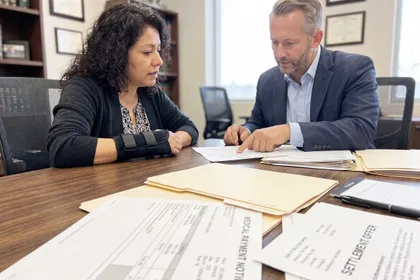
Usually, a payment for vehicle repairs resolves only the property damage claim. However, a settlement agreement or release may cover both property damage and bodily injury. Review the payment letter and release to identify the claims and parties covered before assuming your injury claim remains open.
What If the Insurer Has Not Paid My Agreed Settlement?
If the parties formed a binding settlement, the insurer may still be required to pay even though the check has not arrived. Check the agreement for the payment deadline and any remaining conditions. If the insurer misses that deadline, a lawyer can review your options for enforcing the agreement.
Why Is My Settlement Check Smaller Than the Amount in the Letter?
Attorney fees, case costs, and medical repayment obligations may reduce the amount you receive. Ask your lawyer for an itemized settlement statement showing each deduction, any funds still being held, and the amount paid to you.
Talk With Arash Law About Your Injury Claim Status
Insurance paid some medical bills, but you are unsure whether your injury claim settled. Arash Law can review payment records, settlement agreements, and releases to assess what the insurer resolved and what options remain.
Call (888) 488-1391 for a free initial consultation. Bring any payment notices, settlement letters, or signed documents you have.
Sources
- California Department of Insurance — Automobile Insurance Guide. Explains MedPay, liability, and uninsured motorist coverage.
https://www.insurance.ca.gov/01-consumers/105-type/95-guides/01-auto/auto101.cfm- California Insurance Code § 11583. Addresses advance payments, settlement credits, and deadline notices.
https://leginfo.legislature.ca.gov/faces/codes_displaySection.xhtml?lawCode=INS§ionNum=11583- California Court of Appeal — CSAA Insurance Exchange v. Hodroj (2021), No. H046475. Addresses binding settlement agreements formed through accepted offers, even when the parties expect to prepare a formal release later.
https://appellatecases.courtinfo.ca.gov/search/case/mainCaseScreen.cfm?dist=6&doc_no=H046475- California Court of Appeal — Farmers Insurance Exchange v. Superior Court (Wood) (2026), No. E087128. Addresses binding settlement agreements following acceptance of a policy-limits offer, even when the injured person refuses to sign settlement documents.
https://courts.ca.gov/opinion/published/2026-08-04/e087128- California Civil Code § 1542. Addresses releases involving unknown claims.
https://leginfo.legislature.ca.gov/faces/codes_displaySection.xhtml?lawCode=CIV§ionNum=1542- California Commercial Code § 3311. Explains when depositing a full-settlement check can resolve a disputed claim.
https://leginfo.legislature.ca.gov/faces/codes_displaySection.xhtml?lawCode=COM§ionNum=3311- California Rules of Court, Rule 3.1385. Addresses notices of settlement and dismissal requirements for entire lawsuits.
https://courts.ca.gov/cms/rules/index/three/rule3_1385- California Code of Civil Procedure § 335.1. Establishes the general two-year limitation period for personal injury and wrongful death actions.
https://leginfo.legislature.ca.gov/faces/codes_displaySection.xhtml?lawCode=CCP§ionNum=335.1- California Code of Civil Procedure § 581d. Addresses the entry and effect of written court-ordered dismissals as judgments. https://leginfo.legislature.ca.gov/faces/codes_displaySection.xhtml?lawCode=CCP§ionNum=581d
- California Courts — Deadlines to Sue Someone. Explains personal injury lawsuit deadlines and other civil filing time limits.
https://selfhelp.courts.ca.gov/civil-lawsuit/statute-limitations- California Government Code § 911.2. Establishes the general six-month claim-presentation deadline for personal injury claims against public entities.
https://leginfo.legislature.ca.gov/faces/codes_displaySection.xhtml?lawCode=GOV§ionNum=911.2- California Government Code § 945.6. Establishes deadlines for filing lawsuits against public entities after claim rejection or when no written rejection is given.
https://leginfo.legislature.ca.gov/faces/codes_displaySection.xhtml?lawCode=GOV§ionNum=945.6- California Courts — Government Claims. Explains government claims presentation procedures and deadlines.
https://selfhelp.courts.ca.gov/civil-lawsuit/government-claim- California Insurance Code § 11580.2. Establishes uninsured and underinsured motorist coverage and claim requirements.
https://leginfo.legislature.ca.gov/faces/codes_displaySection.xhtml?lawCode=INS§ionNum=11580.2- California Labor Code § 3852. Preserves an injured employee’s right to pursue damages against a responsible third party despite receiving workers’ compensation benefits.
https://leginfo.legislature.ca.gov/faces/codes_displaySection.xhtml?lawCode=LAB§ionNum=3852- California Labor Code § 3856. Addresses reimbursement of workers’ compensation benefits from third-party recoveries.
https://leginfo.legislature.ca.gov/faces/codes_displaySection.xhtml?lawCode=LAB§ionNum=3856- Centers for Medicare & Medicaid Services — Medicare’s Recovery Process. Explains Medicare reimbursement rights involving injury settlements.
https://www.cms.gov/medicare/coordination-benefits-recovery/beneficiary-services/recovery-process- California Department of Health Care Services — Personal Injury FAQs. Explains Medi-Cal reimbursement rules involving personal injury claims.
https://www.dhcs.ca.gov/services/personal-injury-frequently-asked-questions/- California Division of Workers’ Compensation — Injured Workers. Explains workers’ compensation reporting requirements and benefits.
https://www.dir.ca.gov/dwc/InjuredWorker.htm- State Bar of California — Rules of Professional Conduct. Addresses client settlement authority and attorneys’ duties in the lawyer-client relationship.
https://www.calbar.ca.gov/legal-professionals/rules/rules-professional-conduct/current-rules-professional-conduct/chapter-1-lawyer-client-relationship- California Court of Appeal — Associated Truck Parts, Inc. v. Superior Court (1991), 228 Cal.App.3d 864, 870. Explains when tolling under Insurance Code § 11583 ends after an injured person obtains legal representation.
Disclaimer
This article provides general California legal information for educational purposes. Reading it or requesting a consultation does not create an attorney-client relationship or extend a filing deadline. Consult a licensed California attorney about your claim. Outcomes depend on the facts of each case. Arash Law | (888) 488-1391.