TL;DR: The trucking shortage increases truck accident risk by pushing drivers to speed, skip breaks, and violate federal hours limits. Fatigued or impaired truckers can cause severe crashes that injure motorists, and companies may face liability when pay models or deadlines encourage unsafe driving.
Highlights:
- Leave extra following distance behind semis, especially in traffic or rain.
- Avoid lingering beside trucks – pass only when clear and finish promptly.
- Signal early for every lane change and turn near commercial trucks.
- Expect trucks to vary speed – plan for hills, merges, and congestion.
- Give big rigs room to brake and turn wide – never cut in front.
- Watch for erratic driving that may signal fatigue, distraction, or impairment.
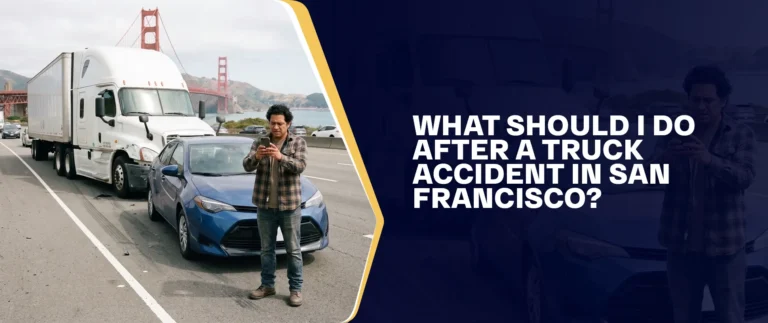
- After a crash, call 911, get care, and photograph vehicles and the scene.
Tip: Preserve evidence early – save dashcam footage, keep photos, and stick to observed facts with insurers.
Table of Contents
Industries across the nation are struggling with a shortage of drivers willing to operate semi-trucks, big rigs, or 18-wheelers. The trucking shortage affects the entire nation, as companies struggle to find talent to fill open positions. This particularly affects interstate and long-haul trucking, as workers often don’t want to leave their families for extended periods. The trucking shortage has implications nationwide, but is particularly pronounced in California. The trucking shortage means more than slower access to goods; other motorists on the road may be at risk. Read on to find out why.
The Trucking Shortage Creates Unrealistic Expectations
Trucking companies often set strict deadlines for deliveries, and failure to make them may result in docking a worker’s pay. This potentially creates a stressful situation for workers in an occupation that likely already has its fair share of stress. To make deadlines, truckers may be more likely to work longer hours, sleep less, and skip out on breaks to make deliveries on time.
However, the Federal Motor Carrier Safety Administration sets strict rules that all trucking companies and their employees must follow. These include daily hours limits on the road, mandated breaks, and even mandated periods for sleeping. With a trucking shortage so severe, it may be more difficult for drivers to reconcile the demands of their companies with federal laws.
A Stressful Work Environment Can Contribute To Negligence
Secondly, a worker’s job-related stress may lead them to take drastic measures that he or she might not otherwise consider. According to the National Highway Traffic Safety Administration, driver error is the number one cause of accidents involving commercial trucks. This can relate to several factors, including speeding, distracted driving, or driving under the influence. Any of these factors may be more likely during a trucking shortage.
For example, a truck driver may take prescription or illicit drugs for a “boost” to take him or her through a long shift, or a driver may cope with the stresses of the job by drinking. These behaviors pose a danger to everyone else on California’s roadways and could contribute to more life-threatening accidents.
Certain Models Of Pay Could Create Dangerous Situations
One of the primary issues driving the trucking shortage is the method by which truck drivers receive compensation. Truck drivers often receive pay by the miles logged, not by the hour. It’s not difficult to see how this could pose a danger to serious drivers. Critics of this pay model argue that it encourages truck drivers to speed or work longer hours to make more money. Additionally, this model of pay does not account for breakdowns, traffic, and other unforeseen circumstances that could cause a truck driver to delay delivery.
Few companies pay by the hour, but research on the subject is telling. According to Dupre Logistics, one of the only pay-by-hour trucking companies in the nation, their crash numbers plummeted after switching models. They pay by the hour, not the mile, which allows their drivers to complete shorter stints on the road. This allows them to be compliant with federal regulations and provide a desirable work environment for their employees. In fact, they’re not suffering the effects of the trucking shortage at all. Instead, they have a waiting list for employees.
What’s The Solution?
The federal government estimates that the nation is short around 35,000 truckers. Perhaps switching to a different mode of payment is the best way to change this. By allowing truckers to work by the hour, they could drive shorter shifts while making the same amount of money. This would discourage duty-hour violations, prevent speeding, and create an emphasis on a trucker’s well-being. As a result, truckers may drive more carefully, experience less fatigue, and contribute to fewer accidents. Considering that commercial vehicle and truck accidents often involve serious or fatal injury, it seems like a choice worth considering.
Tips For Safer Driving Around Big-Rigs, Semis, And Other Commercial Trucks
You’ve been driving a while, and you know the rules of the road. When it comes to sharing the road with semi-trucks and big-rigs, however, it’s worth reviewing the following safety basics:
- Drive Defensively – You learned that driving defensively is important in your first driver’s education class, and it remains just as true today. Driving defensively is all about paying attention to what’s going on around you, remaining alert and focused, factoring in the road conditions and the effects of weather, and allowing as much space between you and other vehicles, especially semi-trucks, as possible.
- Pass Quickly – It’s never a good idea to linger as you pass another vehicle, and this is especially true when it comes to 18-wheelers. Due to their size and weight, commercial trucks are often unable to maintain consistent speeds. As such, it’s not uncommon to need to pass a lot of trucks. Don’t attempt to overtake a truck until it’s clear to do so, and then get the job done. Your goal should be to spend as little time next to a semi-truck as possible, so pass swiftly and with care.
- Use Your Signal Every Single Time – Driving is a complicated task that demands a great deal of attention. When you use your turn signals to let others (including truckers) know your intentions, it helps keep everyone on the roadway safer. Make using your turn signals a habit that you never break.
Were You Injured In A Truck Accident? Talk To An Attorney In California
Truck accidents can be extremely dangerous and are often devastating. The dedicated legal team of truck accident attorneys at Arash Law in California is here to advocate for your right to pursue compensation through a personal injury claim. Our experienced truck accident lawyers are here to help. Call us at (888) 488-1391 to schedule a free initial consultation. We offer our services in major cities, including Los Angeles, Sacramento, Riverside, San Diego, and San Francisco, as well as throughout the rest of the beautiful state of California.