TL;DR: Your first injury claim can continue after a second accident. You may also have another claim if the later accident caused additional harm. However, insurers may question which accident caused your injuries and medical expenses. California’s eggshell-plaintiff rule protects people who are more vulnerable to injury. Keep accurate records, review settlement releases, and track separate filing deadlines.
If you have another accident while an earlier injury claim is open, your first claim does not automatically close. You can continue seeking compensation for the original injuries. You may also have another claim if the second accident caused new or additional harm.
However, the latter accident can complicate settlement negotiations. Insurers may question which incident caused your symptoms, especially when medical treatment overlaps.
Your attorney can review both accidents, compare medical records, and identify which losses the evidence supports. This review can help protect your first claim while you pursue any valid second claim.
Table of Contents

I Have an Open Injury Claim, and Another Accident Has Occurred. How Should I Keep the Incidents, Treatment Records, and Communications Separate?
Keep separate files for each accident, but make sure your doctors and attorney know about both incidents. This approach helps organize the evidence without assuming which accident caused your injuries.
Label the earlier accident as Incident A and the later one as Incident B. Record their dates, locations, involved parties, and insurance claim numbers.
Next, create two treatment timelines.
- Timeline A (The First Accident): Document your initial injuries, medical treatment, symptoms, and recovery progress before the second accident. Include ongoing treatment after the latter incident.
- Timeline B (The Second Accident): Record new symptoms, changes in existing conditions, additional medical visits, and changes in work restrictions.
Use this reference table to organize documents and flag records that may need additional review.
| What to track | What to record | When further review is needed |
|---|---|---|
| Accident details | Date, location, parties, report number, and insurance claim number. | Reports contain conflicting information. |
| Medical history | Symptoms, diagnoses, treatment dates, and recovery progress. | Both accidents involve similar symptoms or body parts. |
| Diagnostic tests | Imaging dates, examination findings, and medical opinions. | Records do not clearly explain changes in your condition. |
| Medical expenses | Provider, service date, amount charged, and payments received. | Treatment may relate to both accidents. |
| Lost income | Missed workdays, wage records, and medical restrictions. | The same period of missed work appears in both claims. |
| Insurance communications | Adjuster, claim number, correspondence, and settlement offers. | Requests or agreements involve injuries from both incidents. |
| Settlement releases | Accident date, released parties, covered claims, and signing status. | The agreement may affect rights involving the other accident. |
File records under Incident A, Incident B, or Needs Review. Keep copies in both files when a document relates to both matters.
A medical appointment after Incident B may still involve treatment for an injury from Incident A. Do not assign expenses based solely on their dates.
Tell your doctors which symptoms existed before the second accident and what changed afterward. Your attorney should receive both claim numbers, relevant records, insurance communications, and proposed settlements.
Keep original documents unchanged. If different attorneys handle your claims, make sure both are aware of the other incident.
Key Facts About Two Simultaneous Injury Claims in California
- Your first claim may continue after a second accident occurs. California’s negligence rules still govern the original claim (CACI Nos. 400 and 430).
- A later accident may support another separate personal injury claim. You must establish negligence, causation, and damages (CACI No. 400).
- Earlier injuries do not automatically prevent compensation for later harm. California recognizes aggravation and unusual vulnerability (CACI Nos. 3927 and 3928).
- California law generally prevents a party from recovering twice for the same loss. The rule against double recovery applies to overlapping damages.
- A settlement release might affect claims arising from another accident. Civil Code § 1542 addresses certain unknown claims in general releases.
- Each accident generally has its own personal injury lawsuit deadline. California Code of Civil Procedure (CCP) § 335.1 generally allows two years from the date of injury or death to file a lawsuit.
What Happens to Your First Injury Claim After the Second Accident?
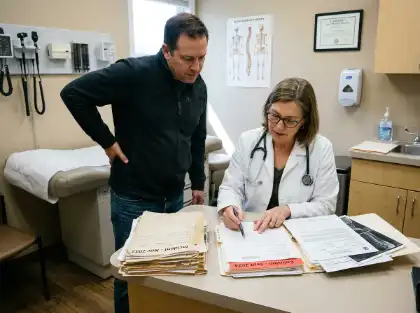 Your first claim can continue through settlement negotiations or litigation. The latter accident does not automatically remove the first party’s responsibility for the injuries they caused.
However, the insurer may review medical expenses and treatment received after the second accident. It may be argued that some losses resulted from the later incident.
For example, suppose a pedestrian accident causes a leg injury in January. You receive treatment and file a personal injury claim. In March, another driver hits your vehicle. You continue attending medical appointments after the second collision.
The first insurer may question whether those visits relate to the January injury, the March accident, or both. Your injury attorney can use medical records to address the dispute. If the evidence supports the January accident as the cause of certain losses, the later accident does not erase them.
If you already filed a lawsuit, that case can also continue. However, your attorney may need to provide updated medical information or respond to requests about the second accident. The two matters do not automatically become one lawsuit.
Can You File a Second Injury Claim While the First Remains Open?
Yes. You can pursue a second injury claim while your first claim is still open. California law does not require you to settle the earlier claim before pursuing another. However, the second accident must have its own legal basis for compensation.
You can also open a second insurance claim while the first remains pending. Each insurer may investigate the accident, review your injuries, and determine which losses are covered. The two claims may involve different insurers or separate lawsuits.
Under California negligence law, as reflected in CACI No. 400, a claim generally requires showing that:
- Another party owes you a duty of reasonable care.
- That party breached the duty.
- Their negligence was a substantial factor in causing your injury.
- You suffered compensable losses.
Compensation may include medical expenses, lost income, and pain and suffering. However, two accidents do not automatically mean you have two valid injury claims. For example, if the second accident caused only vehicle damage, you may have a property damage claim without another personal injury claim.
Your share of fault can also affect the second claim. Under California’s pure comparative negligence rule, your compensation may decrease based on your percentage of fault.
Even if you were partly or fully responsible for the second accident, your first injury claim does not automatically end.
What Should You Do Immediately After the Second Accident?
Seek medical care, preserve evidence, and notify your attorney about the later accident. These steps help document what happened and whether your condition changed.
Your treating providers need accurate information about your earlier injuries and ongoing treatment.
After the second accident:
- Get medical attention. Describe your earlier injuries, current treatment, and any new or changing symptoms.
- Preserve evidence. Keep photographs, witness contact information, accident reports, and vehicle damage records.
- Notify your attorney. Explain what happened and provide details about any medical care received afterward.
- Contact the appropriate insurer. Follow your policy’s notice requirements and coordinate communications with your attorney.
- Record additional losses. Save medical bills, receipts, and missed-work records under the correct claim number.
California also requires reports for certain vehicle collisions.
Under Vehicle Code § 20008, drivers of vehicles other than common carrier vehicles generally must make or cause a written report to be made within 24 hours after a collision involving injury or death. The report goes to the California Highway Patrol or, for an accident within a city, to the CHP or the city’s police department. Different reporting rules apply to common carrier vehicles.
Vehicle Code § 16000 generally requires drivers involved in qualifying motor vehicle accidents to submit a DMV SR-1 report within 10 days. The SR-1 requirement applies when someone suffers an injury or death, or when damage to any one person’s property exceeds $1,000. It covers accidents on streets or highways and certain off-highway accidents. Drivers generally must file regardless of fault, subject to statutory exceptions.
These reporting duties apply separately to each qualifying accident. Missing a reporting requirement may cause administrative problems, but it does not automatically end an injury claim.
What Happens If the Second Accident Worsens an Injury From the First?
You may recover compensation for additional harm if someone else’s negligence worsened your existing injury. California recognizes that people can suffer further harm to body parts injured in an earlier accident.
Two legal principles may apply: aggravation of a preexisting condition and the eggshell-plaintiff rule.
Compensation for Aggravation of a Preexisting Injury
Under CACI No. 3927, a negligent party may owe compensation for making an existing physical or emotional condition worse. The party generally does not owe damages for the condition that existed before their conduct. However, they may owe compensation for the additional harm they caused.
Suppose the first accident injured your back. You were still receiving treatment when another driver caused a collision. If the second accident worsened your back injury, you may seek compensation for that additional harm.
Your doctor may compare earlier medical records, imaging results, symptoms, and treatment history to determine whether the accident caused new injuries or worsened an existing condition. Understanding how a pre-existing condition can affect a car accident claim can also help clarify why documenting these changes matters when seeking compensation.
Protection Under the Eggshell-Plaintiff Rule
The eggshell-plaintiff rule means a negligent party must take an injured person as they find them.
Under CACI No. 3928, a person may recover the full harm caused by another party’s negligence. This applies even when an existing condition makes the person more vulnerable to injury.
For example, an earlier injury may leave someone more likely to suffer serious harm in another collision.
The second driver cannot avoid responsibility simply because a normally healthy person might have suffered less harm.
However, the rule does not automatically make the second driver responsible for the earlier injury. The evidence must still establish that the second driver’s negligence caused harm.
CACI No. 3927 addresses worsening an existing condition. CACI No. 3928 addresses harm caused to someone unusually vulnerable to injury.
Both principles may apply when the facts support them.
Liability When Both Accidents Contribute to the Same Injury
You may still have a claim even when doctors cannot easily distinguish the effects of both accidents. California recognizes that multiple causes can contribute to an injury. Under CACI No. 431, negligence can remain a substantial factor even when other causes exist.
When accidents cause separate injuries, each responsible party may owe compensation for the harm they caused. If multiple negligent parties are found to have caused the same indivisible injury, California’s rules on joint and several liability may apply. A defendant may be responsible for the full amount of recoverable economic damages attributable to that injury, even when another negligent party also contributed to it. Overlapping symptoms or medical treatment alone do not establish joint liability.
However, non-economic damages, such as pain and suffering, are generally allocated according to each defendant’s percentage of fault (California Civil Code § 1431.2). These rules do not automatically make parties responsible for separate accidents jointly liable. Whether they apply depends on the evidence, causation, and whether the resulting injuries can reasonably be separated. Your attorney may consult medical professionals before assessing each party’s responsibility.
Insurers cannot establish responsibility simply by assigning unsupported percentages to the other accident.
Can the Second Accident Reduce Your First Injury Settlement?
Yes. The second accident may affect your first settlement if it changes which injuries and losses the first party must cover. However, the latter accident does not automatically reduce your compensation.
The first insurer may argue that ongoing treatment resulted from the second incident. The second insurer may claim that your symptoms existed before the insured caused the accident.
These competing arguments can delay negotiations or lead to disputed settlement offers. Your attorney can compare medical findings, treatment changes, diagnostic tests, and accident reports. The evidence may identify separate injuries, additional harm, or overlapping causes.
If the first accident caused particular losses, the second accident does not erase them. However, responsibility for later expenses may require further medical review. An insurer’s disagreement does not automatically prevent either valid claim from continuing.
Can You Recover Compensation for Injuries From Both Accidents?
Yes. You may recover compensation for losses caused by each accident, subject to fault, supporting evidence, and available insurance coverage.
Depending on the circumstances, compensation may include:
- Medical expenses and rehabilitation costs.
- Lost wages and reduced earning ability.
- Future medical care.
- Pain and suffering.
- Property damage.
However, California generally prohibits recovering twice for the same proven loss. A medical appointment after the second accident may involve treatment for an earlier injury, new symptoms, or both. The appointment date alone does not establish responsibility.
Your attorney may review treatment notes and billing records before including an expense in either claim. Keep records of charges, payments, and outstanding balances. The same approach applies to lost income and future medical expenses.
Settlements may also involve reimbursement claims from health insurers or medical providers. For example, a health insurer may seek repayment for treatment it covered. Your attorney can review whether the reimbursement request relates to one accident or both.
This review can help prevent duplicate recovery and address outstanding medical obligations before settlement.
What Insurance Coverage Applies When You Have Two Accident Claims?
Each accident may involve different insurance coverage. However, having two claims does not automatically mean you can receive the full policy limits for both accidents.
Depending on the circumstances, the following insurance options may apply:
- Liability Insurance: If different drivers caused the accidents, each driver’s liability policy may cover the injuries and losses they caused. Policy limits and coverage terms may differ.
- Uninsured Motorist (UM) Coverage: Your own UM coverage may apply if an at-fault driver has no applicable liability insurance.
- Underinsured Motorist (UIM) Coverage: Your own UIM coverage may apply if the at-fault driver’s bodily injury liability limits are lower than your UIM limits. California generally requires you to exhaust the applicable liability policy limits through settlements or judgments and provide proof of payment before receiving UIM benefits (California Insurance Code § 11580.2(p)(2)–(3)).
The same insurance company may cover both accidents, but that does not automatically combine the claims or their policy limits.
For an uninsured motorist (UM) claim, California Insurance Code § 11580.2(i)(1) generally requires you to take one of three actions within two years of the accident:
- File a bodily injury lawsuit against the uninsured driver.
- Reach an agreement on the amount owed under your UM coverage.
- Formally start arbitration by sending a written notice to your insurer through certified mail, return receipt requested.
Simply opening an insurance claim does not satisfy these requirements. Track this deadline separately for each accident involving UM coverage.
Can Insurers Request Medical Records From Both Accidents?
Yes. An insurer may request your medical records from both accidents when they relate to the injuries you are claiming. Access depends on your signed authorizations and applicable legal procedures.
If litigation begins, the parties may seek relevant medical records through formal procedures. Your attorney can review these requests and address unrelated information.
Provide accurate information about both accidents. Concealing an earlier injury or accident may create disputes about your medical history, treatment, and claimed losses.
Can Settling the First Claim Affect Your Second Claim?
Yes. A settlement may affect another claim if the release includes additional parties, injuries, or legal rights. A settlement release identifies the claims you agree to give up in exchange for payment.
California Civil Code § 1542 addresses certain unknown claims in general releases. An enforceable agreement may include an express waiver of that protection.
Before signing, your attorney should review the accident dates, released parties, and claims covered. Broad wording may create disputes about the other incident. However, settling one claim does not automatically release an unrelated party from another accident.
You also do not necessarily need to wait until both claims resolve. If the first claim has enough evidence for a fair evaluation, settlement may be possible while the second remains open.
However, ongoing treatment may leave questions about future medical costs or lasting limitations. Your attorney can assess those issues before recommending settlement terms.
Once you sign a binding release, you may lose the right to seek additional compensation for claims it covers.
Arash Law can review your medical records, insurance disputes, and proposed settlement agreements. Our attorneys can assess how the second accident may affect your existing claim. Call (888) 488-1391 for a free case evaluation.
Does the Second Accident Restart Your First Claim’s Filing Deadline?
No. A second accident does not automatically restart, pause, or extend the deadline for the first injury lawsuit. Each accident generally has its own deadline.
Under California Code of Civil Procedure (CCP) § 335.1, most personal injury lawsuits against private parties must be filed within 2 years of injury or death.
For example, an accident on January 10, 2026, generally has a personal injury filing deadline of January 10, 2028. A separate accident on June 12, 2026, generally has a filing deadline of June 12, 2028.
Different rules may apply:
- Property damage. CCP § 338 generally provides three years to file a lawsuit.
- Government injury claims. Government Code § 911.2 generally requires that a written claim be presented within six months.
- Government claim rejection. Government Code § 945.6 generally allows six months to sue after a qualifying written rejection. Without the required rejection notice, the period is generally two years from the date of injury.
- Injuries to minors. CCP § 352 generally pauses certain lawsuit deadlines during childhood. Deadlines for government claims follow different rules.
A government claim may be treated as rejected if the agency does not act within the applicable period, generally 45 days. However, the lawsuit deadline depends on the notice provided.
An insurance claim or ongoing settlement negotiation does not automatically stop the lawsuit filing deadline.
Track both matters separately. Missing a required deadline may prevent you from pursuing that claim in court. Preserve evidence before these deadlines approach. Surveillance footage, vehicle data, and witness information may become harder to obtain over time.
Frequently Asked Questions About Two Simultaneous Injury Claims in California

What If I Was at Fault for the Second Accident?
Your first injury claim can continue even if you were responsible for the second accident. The party responsible for the first accident may still owe compensation for the injuries they caused. However, they are not automatically responsible for additional harm caused by the later incident.
Your fault in the second accident may affect whether you can recover compensation for that incident. Under California’s pure comparative negligence rule, your compensation may be reduced based on your percentage of fault.
If you were entirely responsible for the second accident, you generally cannot recover injury damages from another driver who was not at fault. However, the second accident may still raise questions about which incident caused your ongoing symptoms or medical expenses.
Can I Use the Same Personal Injury Lawyer for Both Claims?
Yes. One attorney may handle both claims if no conflict of interest prevents the representation. This arrangement can help coordinate medical records, insurer communications, and filing deadlines. If different attorneys represent you, make sure each knows about the other accident.
What If the Second Accident Injured the Same Body Part?
You may still have a claim if the later accident caused additional harm. California’s eggshell-plaintiff rule recognizes that an existing injury may make someone more vulnerable to further harm. However, the same body part being injured twice does not automatically prove additional damage. Medical evidence can help establish whether your condition changed after the second accident.
What If the Second Accident Did Not Cause New Injuries?
Your first injury claim can continue. A second accident does not automatically create another personal injury claim. However, your attorney should know about the later incident. The insurer may still ask whether it affected your treatment or ongoing symptoms.
Can I Continue Treatment for My First Injury?
Yes. A later accident does not automatically require you to stop treatment for an earlier injury. Tell your treating provider about both events and any changes in your condition. Follow your doctor’s medical advice rather than changing treatment to keep the claims separate.
Can I Receive Two Settlements From Two Different Accidents?
Yes. You may receive separate settlements when both accidents support valid claims. Each settlement depends on the evidence, fault, damages, and available insurance. You cannot recover twice for the same proven loss.
What If My Second Accident Happens Before the First Settlement Check Arrives?
Your first settlement may still proceed if the parties have already reached an enforceable agreement. However, the release terms determine which claims you have settled. Tell your attorney about the second accident before signing any remaining documents. They can review whether the agreement affects the later claim.
Discuss Both Injury Claims With Arash Law
A second accident does not automatically end your first personal injury claim. However, it can raise questions about medical treatment, insurance coverage, and settlement amounts. Our personal injury lawyers can review both accidents and the evidence supporting each claim.
Arash Law can also examine overlapping medical records, identify possible insurance coverage, and review settlement releases before you sign. If the accidents affected the same injuries, our attorneys can assess how California’s preexisting-condition and eggshell-plaintiff rules may apply.
Our firm handles personal injury matters on a contingency fee basis. You generally do not owe attorney’s fees unless compensation is recovered.
Call Arash Law at (888) 488-1391 for a free case evaluation. You can discuss both accidents and your open claim during the same consultation.
Sources
- California Code of Civil Procedure § 335.1. Two-year deadline for personal injury lawsuits.
https://leginfo.legislature.ca.gov/faces/codes_displaySection.xhtml?sectionNum=335.1.&lawCode=CCP- California Code of Civil Procedure § 338. Three-year deadline for property damage lawsuits.
https://leginfo.legislature.ca.gov/faces/codes_displaySection.xhtml?sectionNum=338.&lawCode=CCP- California Code of Civil Procedure § 352. Tolling of certain lawsuit deadlines for minors.
https://leginfo.legislature.ca.gov/faces/codes_displaySection.xhtml?sectionNum=352.&lawCode=CCP- California Civil Code § 56.10 — Confidentiality and Disclosure of Medical Information https://leginfo.legislature.ca.gov/faces/codes_displaySection.xhtml?sectionNum=56.10.&lawCode=CIV
- California Vehicle Code § 16000.1 — Reportable Off-Highway Accidents https://leginfo.legislature.ca.gov/faces/codes_displaySection.xhtml?sectionNum=16000.1.&lawCode=VEH
- California Government Code § 911.2. Six-month deadline for presenting most government injury claims.
https://leginfo.legislature.ca.gov/faces/codes_displaySection.xhtml?sectionNum=911.2.&lawCode=GOV- California Government Code § 912.4. Time limits for government agencies to act on claims.
https://leginfo.legislature.ca.gov/faces/codes_displaySection.xhtml?sectionNum=912.4.&lawCode=GOV- California Government Code § 913. Written notice requirements for rejected government claims.
https://leginfo.legislature.ca.gov/faces/codes_displaySection.xhtml?sectionNum=913.&lawCode=GOV- California Government Code § 945.6. Lawsuit deadlines following government claim rejection.
https://leginfo.legislature.ca.gov/faces/codes_displaySection.xhtml?sectionNum=945.6.&lawCode=GOV- California Civil Code § 1542. Protection involving unknown claims in general releases.
https://leginfo.legislature.ca.gov/faces/codes_displaySection.xhtml?sectionNum=1542.&lawCode=CIV- California Civil Code § 1431.2. Allocation of noneconomic damages among responsible defendants.
https://leginfo.legislature.ca.gov/faces/codes_displaySection.xhtml?sectionNum=1431.2.&lawCode=CIV- Judicial Council of California, Civil Jury Instructions (CACI Nos. 400, 405, 430, 431, 3927, and 3928). Negligence, comparative fault, causation, multiple causes, aggravation of existing conditions, and unusual vulnerability.
https://courts.ca.gov/partners/california-jury-instructions/civil-jury-instructions-resource-center/civil-jury-instructions- Li v. Yellow Cab Co. (1975) 13 Cal.3d 804. Established California’s pure comparative negligence rule.
https://scholarlycommons.pacific.edu/cgi/viewcontent.cgi?article=2458&context=mlr- Tavaglione v. Billings (1993) 4 Cal.4th 1150. Prohibits duplicate recovery for the same compensable loss.
https://caselaw.findlaw.com/court/ca-supreme-court/1773976.html- California Insurance Code § 11580.2. Uninsured and underinsured motorist coverage, claim requirements, and deadlines.
https://leginfo.legislature.ca.gov/faces/codes_displaySection.xhtml?sectionNum=11580.2.&lawCode=INS- California Vehicle Code § 20008. Reporting requirements following injury or fatal traffic collisions.
https://leginfo.legislature.ca.gov/faces/codes_displaySection.xhtml?sectionNum=20008.&lawCode=VEH- California Vehicle Code § 16000. DMV reporting requirements for qualifying vehicle accidents.
https://leginfo.legislature.ca.gov/faces/codes_displaySection.xhtml?sectionNum=16000.&lawCode=VEH- California DMV, Accident Reporting. SR-1 filing requirements and instructions.
https://www.dmv.ca.gov/portal/dmv-virtual-office/accident-reporting/Disclaimer
The information on this page is for general educational purposes and does not constitute legal advice. No attorney-client relationship is formed by reading or relying on this content. If you were injured, consult a licensed California personal injury attorney about your specific situation.