TL;DR: Vehicles rear-end big rigs mainly due to driver error, poor visibility, and trucks’ long stopping distances. Fatigue, distraction, tailgating, sudden slowdowns, and mechanical or road hazards leave drivers unable to react in time, causing severe injuries and complex liability issues that often involve both the trailing driver and the trucking company.
Highlights:
- Get a full medical evaluation and follow every recommended test and treatment.
- Save copies of medical records, bills, prescriptions, and follow-up instructions.
- Write down what happened, including traffic, road conditions, and visibility.
- Preserve photos and videos of vehicles, damage, and the crash scene.
- Keep at least 6-8 seconds of following distance behind commercial trucks.
- Stay out of truck blind spots – if you can’t see mirrors, reposition.
- Be cautious with insurer calls – avoid recorded statements and quick settlements.
Tip: Back up your photos and notes immediately, and if insurers ask questions, stick to facts and avoid guessing.
Table of Contents
Rear-end collisions with big rigs are among the most dangerous accidents on American roads. The Federal Motor Carrier Safety Administration (FMCSA) reports that in 2021, large trucks were in about 494,000 accidents, with rear-end collisions making up 19.1% of fatal crashes and 24.6% of all injury crashes.
Rear-ending big-rig trucks often happens due to sudden braking, poor visibility, distracted driving, or the unique challenge of underride crashes. The massive size and weight of commercial trucks significantly amplify the severity of these collisions, resulting in devastating injuries and substantial financial losses.
Understanding the cause behind these accidents is key to preventing future collisions and working toward safer roads. If a truck accident has impacted you or a loved one, don’t wait. Call Arash Law at (888) 488-1391 for a free initial consultation, and let us help you seek fair compensation for your injuries and losses.
Why Do Vehicles Always Rear-End Big Rigs?
Rear-end collisions involving big rigs are frequently attributed to driver error, equipment malfunctions, and hazardous road conditions. In 2021, studies found that these incidents constituted 29% of all reported crashes, underscoring the ongoing challenges in ensuring highway safety.
A specific and more dangerous type of rear-end collision is the underride accident. This occurs when a smaller vehicle, such as a passenger car, crashes into the rear or side of a large truck, like a big rig or 18-wheeler, and slides underneath the truck’s trailer. Underride accidents often happen when the smaller vehicle follows too closely, loses control, or cannot stop quickly.
The consequences of these truck collisions go beyond immediate injuries and property damage, leading to heightened risks for other drivers and road users. However, identifying these causes is crucial for developing effective prevention strategies and determining liability in accident claims. When victims understand what led to the accident, they can pursue compensation for their injuries and losses more effectively.
Common Causes Of Rear-End Crashes With Big Rigs
Rear-end crashes involving big rigs can have devastating consequences for victims, often resulting in serious injuries and significant financial burdens. Understanding the causes of these incidents is crucial for victims seeking justice and fair compensation. By holding trucking companies and drivers accountable, victims can pursue claims to cover medical expenses, lost wages, and other damages, thereby protecting their rights while also highlighting the importance of safer roadways.
Human Errors That Cause Rear-End Crashes
Many of the most devastating rear-end crashes involving big rigs can be traced back to human behavior behind the wheel. From distracted driving to fatigue-induced mistakes, driver actions often play a pivotal role in how and why these accidents unfold.
Driver Fatigue
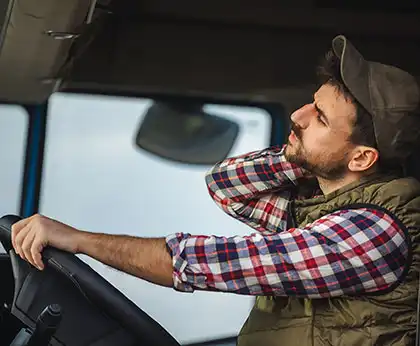
Long-haul trucking often makes drivers tired, even with rules on driving hours. Fatigued truck drivers might brake late or miss hazards, raising risks for everyone on the road. Other drivers can also cause accidents, like rear-ending trucks, if they are similarly tired, distracted, or don’t keep a safe distance.
According to the CDC, staying awake for 17 hours can affect your driving like having a 0.05% blood alcohol level. After 24 hours without sleep, it’s like having a 0.10% BAC, which is over the legal limit.
Distracted Driving
Just a second of distraction behind the wheel can cause a serious crash with a big rig. Distracted driving can have life-altering consequences, whether it’s failing to notice the truck slowing down to stop or not maintaining a safe following distance. Distraction affects truck drivers and other drivers alike:
- Dispatch devices, GPS, or radios may distract commercial vehicle drivers.
- Passenger vehicle drivers may be texting, using phones, or rubbernecking near trucks.
These accidents often cause more than just physical harm; they can impact the victims and their families emotionally, financially, and psychologically for years to come.
Following Too Closely
Drivers often don’t realize how much stopping distance is needed when following a truck too closely, also known as tailgating. Because trucks are so large and heavy, they need much more time and space to stop than smaller cars. Many drivers misjudge this and leave too little room to react. If a truck stops suddenly, the car behind it may not have enough time to avoid crashing. This can lead to rear-end accidents that put everyone on the road at risk. Always keep a safe distance when driving behind trucks to prevent these devastating crashes.
Sudden Or Improper Lane Changes
Imagine driving on the highway with a large truck ahead of you. Suddenly, a vehicle cuts in front of it without warning, forcing the driver to brake abruptly. This creates a ripple effect, where the driver behind the truck may not have enough time or space to react, leading to a rear-end collision. In some cases, the following driver may panic and overcorrect by swerving too sharply, which can lead to a crash with the truck or other nearby vehicles. Around 3% of U.S. fatal crashes in 2022 were attributed to overcorrecting.
Overcorrecting is a relatively minor factor in rear-end crashes, accounting for only a small percentage under typical road conditions. However, it is still important to consider, especially when following or operating big rigs, as sudden swerving or panic steering can quickly lead to serious collisions.
These accidents are avoidable by signaling properly and maintaining a safe distance from large vehicles.
Sudden Or Improper Turning
Rear-end collisions can also occur when a driver misjudges a turn or attempts to change lanes too suddenly, especially near large trucks. The size and slower movements of a big rig can make it difficult for other drivers to anticipate their position, increasing the likelihood of a crash.
For example, a car can crash into a big rig while attempting to turn onto another highway. This type of collision often happens when the driver follows too closely or misjudges the truck’s position during the turn. In many cases, the combination of limited space, reduced visibility, and unsafe following distance contributes to the crash.
Brake Checks By Other Vehicles
Sometimes, drivers engage in “brake checking,” a reckless move in which someone suddenly slams on the brakes in front of a truck, often out of frustration or as a form of intimidation.
This irresponsible act can lead to serious consequences. Trucks are larger and heavier, so they need more time and distance to stop than cars. If a truck has to brake hard, it might stop suddenly. This increases the risk of a rear-end collision with vehicles behind it. Such incidents endanger the truck driver and many other road users, risking injuries or fatalities.
Inadequate Driver Training
Lack of training can lead to serious dangers on the road. Truck drivers may brake suddenly, miss warning signs, or have trouble staying in their lane, especially in traffic.
Other drivers may not know how to safely share the road with big rigs. Common mistakes include:
- Following too closely.
- Driving in blind spots.
- Not allowing enough space for wide turns.
Many of these accidents could have been avoided with better training for truck drivers and passenger vehicle drivers. Educating all drivers is key to making roads safer.
Parking On The Side Of Highways
Big rigs often pull over on highways or shoulder areas for breaks, mechanical issues, or to comply with federal regulations that limit driving hours. While this is a necessary safety measure for truck drivers, it can be hazardous for other vehicles. Drivers behind the truck may not notice it in time, particularly if it’s dark, raining, or foggy, or if the truck is parked in an area with poor visibility. If the truck isn’t properly marked with reflective tape or warning lights, it becomes a hidden danger for approaching vehicles.
Many drivers, particularly those who follow too closely, might not detect the truck’s stop until it’s too late. They have little time to react in these situations, making rear-end collisions more likely to occur. This risk increases if the parked truck is on a curve or near an exit ramp where vehicles often change lanes or slow down.
Additionally, some drivers may misjudge the distance between their vehicle and a stationary truck, thinking they have more time to react than they actually do. This can lead to sudden, preventable crashes that cause serious injuries or even fatalities.
Proper visibility, clear markings, and ensuring trucks are parked in safe, designated areas can significantly reduce the likelihood of rear-end accidents involving stopped big rigs.
Sudden Medical Emergencies
Rear-end collisions with big rigs aren’t always caused by distraction or reckless driving; sometimes they result from sudden, unexpected medical emergencies. If a driver suffers a heart attack, seizure, or even a diabetic episode behind the wheel, they may lose the ability to control their vehicle entirely. In those critical moments, the driver may be unable to brake or swerve to avoid a stopped or slowing truck, resulting in a direct rear-end collision.
These incidents are less common than other causes but are real and often overlooked. Unlike texting or tailgating, which involve poor judgment, medical events are unintentional and unpredictable. They’re especially dangerous because they leave little or no time for the driver to respond, and trailing drivers may appear at fault unless an investigation reveals the underlying medical cause.
Overreliance On Automation
Drivers using advanced driver-assistance systems (like adaptive cruise control or semi-autonomous “autopilot” features) may fail to monitor the road, assuming the car will stop itself. The vehicle can plow into the rig’s rear without braking if the system doesn’t recognize a slow or stopped truck. In such cases, the trailing driver’s trust in technology, rather than direct distraction, is the culprit.
Highway Hypnosis (Zoning Out)
Highway hypnosis, also known as “white line fever,” is a trance-like state that can affect drivers during long, uneventful stretches of road. Even though the driver is technically awake and has eyes on the road, their mind drifts, and their awareness fades. They may lose track of time and fail to process what’s happening around them consciously. This mental fog causes reaction times to slow and makes it easy to miss visual cues, such as a big rig semi-truck decelerating or coming to a stop ahead.
Unlike fatigue, which is characterized by physical tiredness or distraction from a phone or conversation, highway hypnosis is more subtle and passive in nature. It can affect even experienced drivers and tends to occur on straight highways with slight traffic variation. A driver under this condition may not realize they need to slow down until it’s too late, often resulting in a rear-end crash with a large truck that appeared out of nowhere. It’s a lesser-known but real danger, especially on long-distance or overnight drives.
Vehicle-Related Factors In Rear-End Crashes
Not all rear-end truck collisions are caused by human error. Sometimes, the machinery fails us. Faulty parts, inadequate lighting, and blind spots can all compromise safety. These technical issues often go unnoticed until it’s too late.
Blind Spots
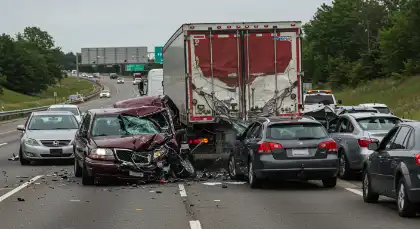
Trucks have large blind spots, also known as “no-zones,” that significantly impact the safety of nearby vehicles, especially those following too closely. These blind spots are due to the truck’s height, length, and design, which limit the driver’s ability to see around the vehicle.
Key areas of concern include:
- Rear Blind Spot — The area directly behind a truck is hazardous. Truck drivers often cannot see vehicles following too closely.
- Limited Visibility — If you drive in a truck’s blind spot, the driver may not know you’re there.
- Sudden Stops — If a truck needs to slow down or stop quickly, a driver lingering in the truck’s rear blind spot may not see the brake lights in time to react. This increases the risk of a rear-end collision, especially if the driver follows too closely.
- Longer Stopping Distances — Due to their size and weight, trucks require more time and space to come to a complete stop. If a smaller vehicle is in a front or side blind spot and suddenly slows down or cuts in, the truck driver may not see it in time to brake safely, leading to a serious crash.
Inadequate Lighting
Lighting conditions are crucial for spotting big rigs on the road, especially at night, in fog, or during heavy rain. Poor lighting can make it difficult for drivers to spot trucks, especially if they’re slowing down or stopped. This increases the chance of rear-end collisions.
When visibility is low, drivers may not notice a truck in time to react. Dim or malfunctioning headlights on passenger vehicles make it even harder to see trucks ahead, adding to the danger. All drivers need to slow down and stay alert in these conditions to avoid accidents.
Mechanical Issues
Regular vehicle maintenance is crucial, especially for large trucks, as it can prevent accidents like rear-end collisions. However, mechanical issues in the following vehicles can also contribute to these incidents, such as:
- Worn brakes reduce the ability to stop in time.
- Underinflated or damaged tires impact stability and control.
- Faulty headlights make it harder to gauge distance at night or in low-visibility conditions.
Addressing maintenance for all vehicles on the road is essential to improve safety and reduce the risk of collisions.
Improper Cargo Loading
Improperly loaded cargo can significantly impact a truck’s ability to stop or maneuver safely, leading to rear-end accidents. Here’s how:
- Increased Stopping Distance — Overloaded trucks require more time and space to stop. This can prevent the driver from braking in time, leaving trailing vehicles unable to react.
- Reduced Maneuverability — Uneven cargo affects a truck’s balance, making it harder to turn or change lanes. A driver may not anticipate these movements, causing a rear-end crash.
- Risk of Jackknifing — Overloading can cause the trailer to swing uncontrollably, especially during sudden braking, putting trailing vehicles at risk of rear-ending the truck.
- Trailer Sway (Fishtailing) — Shifting cargo can cause the trailer to sway, making the truck unpredictable. The following drivers may misjudge the movement and fail to stop in time.
- Tire Wear & Mechanical Strain — Overloading puts extra strain on tires and brakes, reducing stopping power. A rear-end collision is more likely if the truck can’t stop quickly.
- Dislodging Cargo — Improperly secured cargo can shift or fall off the truck during sudden stops. Trailing vehicles may not have enough time to avoid the debris.
- Impeded Visibility — Overloaded trucks may have obstructed mirrors, reducing the driver’s ability to see other vehicles, leading to unexpected stops and rear-end crashes.
In short, improper cargo loading impacts stopping distance, truck stability, and visibility, all heightening the risk of rear-end collisions. If this factor contributed to the accident, delivery truck accident lawyers can help gather critical evidence, such as loading logs and safety records, to establish liability and strengthen the case.
Inadequate Warning Signals
Trucks need proper lighting and reflective markings to stay visible to other drivers. When brake lights, taillights, or reflective tape are broken or not working, it’s harder for drivers to see the truck, especially at night, in rain, or fog. Without clear signals, drivers may not notice when a truck slows down or stops suddenly, increasing the chance of a rear-end crash.
For example, a truck with dim or broken brake lights might look like it’s moving at the same speed, causing a driver behind it to misjudge how much time they have to stop. Similarly, if a truck doesn’t have enough reflective tape, drivers might not see it, especially if the truck is parked on the side of the road. Keeping lights and markings in good condition is important to help prevent accidents.
Mandatory Stops Or Slowdowns
Large trucks sometimes must stop or slow down in places where other drivers aren’t prepared. For instance, certain trucks have to stop at railroad crossings or weigh stations, or a tractor-trailer might slow down well before a turn or an intersection due to its size and cargo. A trailing motorist unfamiliar with this can be caught off guard by a near-standstill truck on an open road, leading to a rear-end collision simply because the truck’s stop was unexpected.
Slow Merging Or Exiting By Trucks
Because of their size and weight, big rigs move slowly when merging onto highways or exiting from them. If a truck enters traffic at a low speed, a fast-approaching driver may misjudge how quickly they’re closing in on the truck and not have enough time to stop. This is especially common on busy California freeways like the I-5 or I-405, where traffic moves quickly and on-ramps are often short, giving trucks limited space to pick up speed before joining fast-moving lanes.
This also happens when a truck slowly pulls out from a driveway, shoulder, or side road. This is common in agricultural or industrial areas like those along Highway 99 in the Central Valley or warehouse-heavy regions near the Port of Los Angeles. In these situations, the truck may seem to appear out of nowhere to a trailing driver, creating a sudden and unexpected obstacle. These low-speed maneuvers often go unnoticed as risk factors but are a real cause of rear-end collisions across California.
Sun Glare And Visibility Illusions
Sun glare is a serious and underestimated hazard that can directly lead to rear-end collisions with big rigs. When the sun is low on the horizon, typically during sunrise or sunset, it can shine directly into a driver’s line of sight and make it difficult to see brake lights, turn signals, or even the full outline of a truck ahead. According to EHS Today, sun glare contributes to thousands of crashes each year by creating a temporary blindness that reduces a driver’s ability to react to changing traffic conditions. Even a few seconds of reduced visibility can cause a trailing driver to miss the fact that a big rig has slowed or stopped, increasing the chance of a rear-end crash.
In California, sun glare is a common issue on east-west highways such as I-10 and Highway 60 during morning and evening commutes. Drivers heading west in the afternoon or east in the early morning may struggle to see the road clearly, especially if their windshield is dirty or damaged. Reflections off road signs, mirrors, or other vehicles can also make it harder to spot a truck ahead. Although this is not caused by mechanical failure or driver error, it is just as dangerous as driving in fog or heavy rain. When visibility is limited, drivers may misjudge distances or fail to notice a large truck slowing down in time to stop safely. Taking simple steps like using sun visors, keeping windshields clean, and wearing polarized sunglasses can help reduce the risk.
Poor Road Design Or Infrastructure Hazards
Road design flaws and infrastructure issues get overlooked as contributors to rear-end collisions involving big rigs. In California, where traffic density and terrain vary widely, certain features, like sharp curves, steep grades, or short merge lanes, can limit visibility and reduce reaction time.
For example, a driver approaching a steep hill on I-15 through Cajon Pass may not see a slow-moving semi climbing the grade until it’s too late to stop. Similarly, in rural areas or city intersections like those along Highway 152 or I-80, trucks may stop at a partially obscured red light or slow turn on a narrow curve, giving trailing drivers little warning or space to react.
Sudden braking also occurs when trucks encounter road hazards such as potholes, debris, or uneven pavement. According to the Federal Motor Carrier Safety Administration (FMCSA), road and environmental conditions contributed to 22% of crashes involving large trucks in 2021. A pothole or loose cargo on a poorly maintained stretch of road may force a truck driver to brake or swerve suddenly. These actions can easily catch the following driver off guard, leading to a rear-end collision.
These infrastructure-related causes are often noted in official crash reports but receive far less public attention than speeding, distraction, or fatigue. Yet they play a measurable role in many truck-related accidents. Improving signage, increasing visibility around curves and inclines, and keeping roads in good condition are all essential for preventing these types of collisions.
Environment-Related Factors Leading To Rear-End Accidents
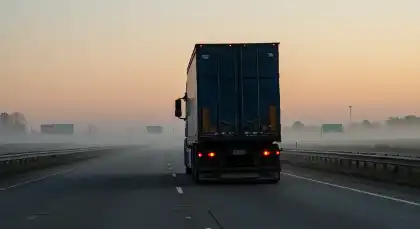
The road itself can become an unpredictable hazard. Environmental conditions, such as poor weather, potholes, traffic congestion, and darkness during nighttime, set the stage for rear-end crashes with commercial trucks. Recognizing how external elements contribute to these collisions is key to staying one step ahead of danger.
Slippery Roads Due To Rain Or Snow
Slippery roads caused by rain or snow can create dangerous conditions, particularly around big rigs. In California, frequent rainstorms can make roads slick, reducing traction for trucks and other vehicles. This makes it harder for drivers to stop quickly, increasing the risk of rear-end collisions with big rigs.
Snow and icy conditions, especially in mountainous areas like the Sierra Nevada, worsen these dangers by reducing tire grip and increasing stopping distances. When snow or ice covers roads, maintaining control of a vehicle becomes even more challenging. Additionally, low visibility during storms, fog, or dusk or dawn makes it harder for drivers to judge the distance needed to stop behind a truck safely.
In these conditions, drivers must exercise extra caution, slow down, and leave more space between their vehicles and large trucks to avoid rear-end accidents.
Fogging Or Frosting Of Mirrors
When a truck’s mirrors are fogged up or iced over, the driver may not be able to see vehicles behind them, creating a serious safety risk. This lack of visibility makes it hard to gauge traffic, especially when changing lanes or braking suddenly.
In these conditions, the truck driver might not notice a vehicle tailgating or blocking another vehicle’s path, increasing the chance of a rear-end collision. Drivers should keep their mirrors clean, especially in cold or humid weather, to stay aware of their surroundings and avoid accidents.
Road Debris
Road debris, such as tire fragments, trash, or fallen cargo, poses a serious driver hazard. It can lead to sudden braking or swerving as drivers attempt to avoid hitting the debris, increasing the likelihood of accidents. For example, if a driver isn’t ready for a truck to brake or swerve suddenly, they might crash into it or lose control of their car. This scenario is hazardous at high speeds or in heavy traffic, where reaction times are limited.
Debris can originate from cargo falling from vehicles, blown-out truck tires, and road litter. To tackle this issue, we need proper road maintenance to quickly clear debris. We also need better practices for securing cargo to stop items from falling off. Additionally, raising awareness among drivers can help. When drivers maintain safe distances and stay alert, we can reduce risks from road debris.
Traffic Congestion
Stop-and-go traffic or sudden slowdowns on highways often lead to rear-end crashes, especially when drivers of smaller vehicles fail to react in time or adjust their speed. These situations can be hazardous around big rigs, as their longer stopping distances make it harder for them to avoid collisions when vehicles following behind don’t maintain a safe distance. Recognizing these risks can help drivers stay alert and avoid rear-ending other vehicles, such as massive rigs, during traffic slowdowns.
Inadequate Road Signs Or Warnings
When trucks park in locations without adequate road signs or warning lights, following drivers may not be prepared for a sudden stop or a truck in their path, increasing the chance of a rear-end collision.
Injuries And Trauma Caused By Rear-End Truck Accidents
The injuries sustained in rear-end big rig truck accidents are severe due to the sheer size and weight of big rigs. Their massive size generates a significant force during a collision, which can result in severe trauma to those in smaller vehicles. Big rigs accelerate slowly and take longer to stop, which can catch other drivers off guard. When drivers don’t leave enough space, they may not have time to react, increasing the risk of severe, life-altering injuries in a crash.
Common injuries among accident victims include:
- Traumatic Brain Injuries (TBIs) — Often occur in truck accidents due to violent forces, crushing impacts, or sudden deceleration, which can lead to severe neurological damage.
- Spinal Cord Injuries — These can lead to paralysis or permanent mobility impairment.
- Broken Bones — Fractures to ribs, legs, arms, or the skull are frequent.
- Internal Injuries — Damage to internal organs due to the force of the impact.
- Burns & Lacerations — Contact with burning, sharp, or jagged materials in the accident.
Big-rig accidents can also cause psychological trauma, such as:
- Post-Traumatic Stress Disorder (PTSD) — Anxiety and flashbacks related to the accident.
- Fear of Driving — Many victims develop a lasting aversion to driving post-accident.
In addition, recovering from a rear-end collision with a big rig can be as financially detrimental as it is emotionally and physically painful. Expenses may include:
- Ongoing medical bills and rehabilitation costs.
- Lost wages and diminished earning capacity.
- Property damage and vehicle repair expenses.
You might be wondering, “Do I need a personal injury lawyer to help me with my claim?” An experienced big rig accident lawyer can advocate for you and help you pursue the compensation you need and get back on your feet.
Liability & Legal Considerations In Big Rig Rear-End Accident
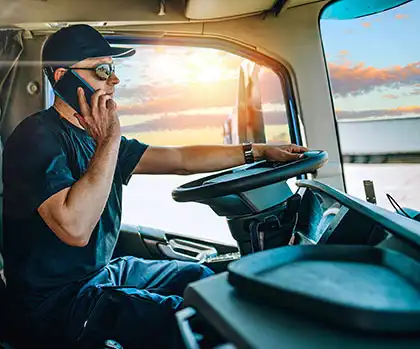
Big rigs are often rear-ended by smaller vehicles, which makes determining fault complex because the circumstances leading to these accidents can vary. Factors like the truck’s size, visibility, and longer stopping distance, along with the behavior of the following driver, all influence liability. For example, the driver may be at fault if a smaller vehicle tailgates or fails to maintain a safe distance. However, issues like improper truck maintenance, sudden lane changes, or inadequate warning signals from the truck can complicate the determination of fault. Several parties may be responsible for the accident:
- Truck Driver — If the driver was distracted, speeding, or violating traffic laws.
- The Driver of the Other Vehicle — If they were speeding, distracted, or failed to maintain a safe following distance, they could be found liable for the crash.
- The Trucking Company — If the accident was due to a truck maintenance issue or the driver did not receive proper training, the trucking company may share responsibility.
- The Vehicle Manufacturer — If a defect in the big rig’s equipment, like faulty brakes or lights, contributed to the crash, the manufacturer could be at fault.
- Other Road Users — In some cases, factors like road conditions, poor signage, or improper vehicle lane changes by other drivers may contribute to the accident.
If you were involved in a rear-end collision between a big rig and another vehicle, understanding the nuances of liability can be complex.
Hiring a knowledgeable truck accident attorney is instrumental in collisions involving big rigs, delivery trucks, 18-wheelers, tractor-trailers, or semi-trucks. They can:
- Investigate the accident thoroughly.
- Pursue claims against all liable parties.
- Negotiate with insurance companies.
- Represent you in court if necessary.
Contact Arash Law to discuss your case and work to protect your rights.
Frequently Asked Questions About Rear-End Crashes Involving Big Rigs
Looking for answers? Here are some of the common questions injured victims have about rear-end accidents with trucks. If you have other questions concerning your case, please call our hotline at (888) 488-1391.
Can A Rear-End Accident Claim Involve Multiple Parties?
A real-world example of shared liability might involve a truck with non-functioning brake lights rear-ended by a momentarily distracted following driver. In such a case, a court might assign 70% liability to the following driver for inattention and 30% to the trucking company for the maintenance failure, with damages adjusted accordingly under comparative negligence principles.
How Can I Stay Safe From Rear-End Accidents?
Always maintain a safe following distance and avoid lingering in a truck’s blind spots. Make sure the truck driver can see you in their side mirrors. If you can’t see the driver, they likely can’t see you. Other prevention strategies truck and car accident lawyers recommend for all road users include:
- Maintaining adequate following distance (minimum 6-8 seconds) behind commercial vehicles.
- Being alert for wide turns and longer stopping distances.
- Avoid distractions, especially when driving near large commercial vehicles.
- Adjusting driving behavior during adverse weather conditions.
- Understanding and respecting the physical limitations of large vehicles.
What Should I Do After A Rear-End Accident With A Truck?
A rear-end collision with a big rig can leave lasting injuries, financial stress, and a lot of unanswered questions. If you’re no longer at the scene and are now dealing with the aftermath, here’s what you can do to protect your health and legal rights:
- Get a Full Medical Evaluation — Even if you walked away from the crash, injuries like whiplash, soft tissue damage, or internal trauma may not show symptoms right away. If you haven’t already, visit a doctor as soon as possible, and follow through on all recommended tests or treatments. Be sure to keep copies of medical records, bills, and prescriptions.
- Document Everything — Write down everything you remember about the crash, including what you were doing, the road conditions, and how the truck hit you. If you took photos of the vehicles, damage, or scene, save them in a safe place. These details will be necessary for your claim.
- Be Cautious With Insurance Companies — If the at-fault party’s insurer contacts you, don’t feel pressured to talk without legal guidance. Avoid giving recorded statements or accepting quick settlement offers. These payouts may be far less than you’ll need to cover your treatment, missed work, and long-term effects.
- Call Truck Accident Lawyers — Truck crashes are complex and involve different rules, evidence, and parties than a typical car accident. A big-rig accident lawyer can investigate your case, deal with the insurance companies, and help you seek compensation for your injuries and losses. That way, you can focus on your recovery while they handle the legal process.
Rear-End Accident? Talk To Our Big-Rig Accident Lawyers Today

Rear-end collisions with commercial trucks represent some of transportation’s most devastating accidents, causing life-altering injuries, psychological trauma, and overwhelming financial burdens for victims. Understanding the unique factors that contribute to these crashes, from blind spots and stopping distances to weather challenges and distracted driving, is essential for both prevention and establishing liability when accidents occur.
When accidents happen despite prevention efforts, victims face many challenges in recovery. These cases are complex because they involve federal rules, multiple responsible parties, and serious injuries. This is why experienced legal help is so important. If you or a loved one suffered injuries in a collision with a commercial truck, our experienced big-rig accident lawyers can help navigate this challenging process.
Arash Law has experience representing accident victims across California. We have experience handling commercial truck accident cases. We understand the unique challenges of these cases and have the resources to thoroughly investigate all aspects of your accident.
Call Arash Law today at (888) 488-1391 for a free case evaluation. We offer a no-obligation initial consultation to discuss your rights and options. Our compassionate team is ready to help you seek the appropriate compensation for your case, allowing you to focus on what matters most: your well-being.