TL;DR: Yes. Playing loud or fast music makes people drive faster because it raises their heart rate, sharpens adrenaline, and distorts speed awareness. Studies show songs over 120 BPM increase speeding and delay reaction time, but keeping the volume below 60% helps drivers stay calm, alert, and safe.
Highlights:
- Set your playlist before driving to avoid phone or stereo fiddling.
- Pick calmer, lower-energy tracks during traffic, merges, and complex routes.
- Keep volume low enough to hear horns, sirens, and braking.
- Check your speed more often when listening to upbeat, familiar songs.
- Take quiet breaks on long drives to reset attention and reduce fatigue.
- Coach teen drivers to limit volume and stop skipping songs while moving.
- In California, avoid music audible from 50 feet and no two-ear headsets.
Tip: If a crash or citation involves loud music, document the volume setting, track played, and any dashcam/witness details, and stick to observable facts when speaking with insurers or police.
Table of Contents
Loud music not only affects your mood, but it also impacts your driving. Studies show that songs with tempos above 120 beats per minute (BPM) can increase speed and slow reaction times. Loud noise levels also make it harder to hear sirens, horns, or braking sounds, raising your risk of a collision.
Here’s how music can influence your driving:
- Fast-tempo music increases heart rate and encourages speeding.
- Music louder than 85 decibels slows reaction time and blocks important warning sounds, such as horns and sirens.
- Music distractions can cause lane drifting, delayed braking, or missed road cues.
- Emotional songs can heighten stress, anger, or risky driving behavior.
- Teen drivers face a higher risk of speeding or losing focus when playing loud music.
Energetic or high-volume songs can make driving more thrilling, but they can also raise the risk of crashes by slowing reactions and dulling awareness. Maintaining a moderate volume helps prevent distraction and keeps you in control. For legal help after an accident, contact Arash Law at (888) 488-1391.
How Loud Music Affects Your Driving Behavior
Music shapes your driving habits more than you might realize. Fast or high-volume songs can change your focus, reaction time, and speed, often making driving feel thrilling but more dangerous. Research shows this influence in two key ways:
Loud Music Can Make You Drive Faster
Simulator studies show that drivers who listen to fast, loud music tend to speed up and make more mistakes. Study participants ran red lights, drifted between lanes, and reacted more slowly to hazards. By contrast, slower, calmer music helps drivers stay steady and cautious.
Tempo also matters over time. Fast music reduces fatigue at first, but it eventually lowers your focus. Moderate-tempo songs help you stay attentive longer.
What the research means:
- You might speed up without realizing when music influences your rhythm.
- Fast beats can distort your perception of speed and control.
- Attention and reaction time often decline during long drives with stimulating music.
- High-volume songs can cause involuntary movements, such as tapping your hands or feet, which can distract from steering or braking.
- If you enjoy upbeat music, keep the volume moderate and check your speed regularly to stay safe.
Loud Music Impacts Driving Focus
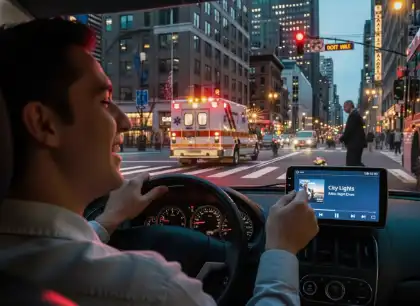
Research published in the Journal of Science and Medicine shows that higher sound levels can delay the brain’s response to sudden events. In one study, when audio reached 74 decibels, participants reacted 36.63 milliseconds slower than those exposed to quieter levels.
High music volume can lead to:
- Reduced awareness of surrounding vehicles and pedestrians.
- Slower braking and delayed response to sudden stops.
- Long-term hearing damage from constant exposure above 85 decibels.
Loud audio can also drown out essential cues such as horns or sirens. The World Health Organization recommends limiting noise exposure above 80 decibels. Concertgoers at major festivals may face injuries at large events like Coachella due to prolonged exposure to loud noise and unsafe crowd conditions.
The National Highway Traffic Safety Administration (NHTSA) warns that extended exposure to loud audio reduces awareness of nearby vehicles, raising the likelihood of collisions.
| Did You Know?
The World Health Organization recommends keeping music below 60% of your stereo’s maximum volume to protect your hearing. They also advise taking frequent breaks from loud sounds to help the sensory cells inside your ears recover. |
Does Music Affect Your Driving?
Yes. Music affects how your brain processes information on the road, even when it isn’t loud or fast. Beyond influencing speed or reaction time, research indicates that music can alter how you perceive road cues, estimate distance, and manage attention.
Here are science-backed ways music influences driving:
- Music Changes How You Process Road Information
A 2024 meta-analysis found that music, especially at medium or high volume, alters how drivers monitor their surroundings by increasing cognitive load and reducing the brain’s ability to filter out distractions. This shift can make ordinary cues, such as subtle brake-light changes or merging vehicles, less noticeable. - Tempo Can Disrupt Timing and Distance Judgment
According to a study summarized by the Children’s Hospital of Philadelphia, both fast and slow tempo songs reduced driving accuracy compared to silence. This happens because your internal pacing begins to follow the song rather than the road environment. - Music Familiarity Influences Attention
Drivers pay more attention when listening to new or highly stimulating music because the brain actively processes lyrics, rhythm, and transitions. With a familiar tune, the opposite can happen: drivers may become overly relaxed, increasing the likelihood of missing turns, drifting, or relying too heavily on GPS. - Volume Intensifies Mental Workload
A peer-reviewed study found that higher sound levels increased reaction time during attention tasks, even outside of driving contexts. When applied to driving, this suggests that louder music increases cognitive workload, making it harder to process multiple road-related decisions simultaneously. - High-Energy Music Can Influence Route Awareness
A 2022 study found that low-energy music helped drivers maintain steadier speeds, while high-energy tracks made them more likely to lose awareness of their surroundings, particularly on longer routes or during busy traffic conditions. - Music Affects Mental Focus During Complex Driving Tasks
Recent research published through Springer (2025) showed that fast-tempo music significantly changed driving behavior during complex tasks, such as lane changes or merging, even when the volume was moderate.Music does more than change your speed. It alters how your brain prioritizes information, interprets distance, and manages mental workload. Being mindful of what you play and how loudly you play it can help you stay more alert and in control while driving.
Emotional And Psychological Effects Of Loud Music On Drivers
An upbeat song can lift your mood and make you feel more energized, but it can also influence how you behave behind the wheel. These emotional reactions increase the risk of unsafe driving behavior.
Common effects of loud music:
- Heightened adrenaline, leading to impulsive decisions.
- Increased heart rate and tension.
- A false sense of confidence while driving fast.
When emotions take over, even experienced drivers can make unsafe choices, possibly causing:
- Truck collisions
- Pedestrian incidents
- Bicycle crashes
- Motorcycle accidents
- Rideshare collisions
- Big rig crashes
- Self-driving car incidents
- Tesla accidents
Loud music can amplify emotion and excitement, pushing you to drive faster without realizing it. This link between emotion and speed highlights how music-related distraction can lead to serious accidents. Car accident lawyers can help you understand your legal options and guide you through the legal process.
How Teen Drivers Are Especially Affected
Teen drivers are particularly vulnerable to music-related distractions. Research indicates that music is one of the leading causes of inattention among young drivers.
Teens often:
- Turn the music louder than necessary.
- Spend time skipping songs or adjusting devices.
- Underestimate how much their favorite tunes affect focus.
Parents can help by encouraging teens to keep the volume low and focus on the road. Building safe habits early can prevent risky driving behaviors later.
Popular Songs To Play While Driving
Some songs make driving feel more thrilling, but they can also make you drive faster. Research indicates that these tracks feature fast tempos and stimulating rhythms, which increase heart rate and excitement.
Here are some of the songs that may unconsciously make you drive faster:
| Song Title | Artist | Beats Per Minute (BPM) |
| American Idiot | Green Day | 186 BPM |
| Party in the U.S.A. | Miley Cyrus | 96 BPM |
| Mr. Brightside | The Killers | 148 BPM |
| Don’t Let Me Down | The Chainsmokers | 160 BPM |
| Circles | Post Malone | 120 BPM |
| Blinding Lights | The Weeknd | 171 BPM |
| Born to Run | Bruce Springsteen | 146 BPM |
| I Gotta Feeling | The Black Eyed Peas | 128 BPM |
| One Dance | Drake | 104 BPM |
| Watermelon Sugar | Harry Styles | 95 BPM |
A study by the RAC Foundation found that as noise increased from 53 to 95 decibels, reaction times slowed by 20% for decision-making tasks. Fast, high-energy songs can create a rush, but they can also reduce awareness. Keep your music moderate to stay focused.
How Loud Music Can Lead To Accidents
When the sound inside your car overpowers the noise outside, you lose awareness of other vehicles, pedestrians, and traffic cues. This lack of understanding can easily lead to serious crashes.
Here’s how loud or high-tempo music increases the risk of different types of car accidents:
- Overstimulation and loss of speed awareness may lead to speeding-related crashes.
- Poor spatial judgment or drifting between lanes can result in sideswipe accidents.
- Slower braking and delayed reactions can lead to rear-end collisions.
- Ignoring traffic signals or right-of-way rules can lead to failure-to-yield accidents.
Music-related distractions can be considered a form of negligence in car accident cases. If a driver plays loud music and causes an accident, they can be held responsible for the resulting injuries and damages.
In California, even if the court determines that you were partly at fault, you may still seek compensation for your losses under the state’s pure comparative negligence rule. However, the court would reduce your award based on your share of fault.
Innovative Ways To Enjoy Music Safely On The Road

Choosing your music and setting the volume level can help you stay calm, alert, and focused while driving. Responsible listening is not about giving up your favorite songs. It’s about creating a safer, more controlled driving environment.
Safety tips to keep in mind:
- Keep the Volume Moderate — You should still be able to hear horns, sirens, and other traffic sounds. If you need to raise your voice to speak, your music is too loud.
- Choose Calmer Songs — Soft, slow, or instrumental music can help regulate your heart rate. This type of music can also help reduce stress, especially during periods of heavy traffic or long drives.
- Set Your Playlist Before Driving — Plan your music ahead of time to avoid fiddling with your phone or stereo while driving, one of the most common causes of distracted-driving accidents. For more tips and national statistics, check out our blog, April Is National Distracted Driving Awareness Month.
- Teach Young Drivers — Teen drivers are more prone to distractions. Encourage them to keep the music low and focus on safe habits before they start moving to the beat. Our Ultimate Teen Driving Safety Guide has more helpful tips.
- Take Breaks on Long Trips — If you are driving for hours, pause your playlist occasionally to rest your ears and clear your mind.
Keeping your music at a calm and safe volume helps prevent overstimulation, which can cause you to drive faster. Let your music match your drive, not control it.
What California Law Says About Playing Loud Music
California law takes noise control and driver awareness seriously. Loud music is not just a nuisance. It also creates safety risks and legal consequences. Two main laws address this issue:
- California Vehicle Code 27007 — Loud Music Restrictions
- Operating a vehicle with a sound system that can be heard from 50 feet or more away while driving on a public road is unlawful. The only exceptions are:
- Emergencies requiring help or warnings
- Authorized emergency or utility vehicles
- Parades, campaigns, or public events, unless restricted by local ordinances
- Violating this rule can result in fines and penalties. These fines may be increased for repeat offenses or where stricter local noise regulations apply.
- California Vehicle Code 27400 — Headsets And Earplugs Ban
- California also restricts the use of audio devices that cover both ears while driving. This rule ensures you can still hear essential sounds, such as:
- Sirens from emergency vehicles.
- Honking from other drivers.
- Tire screeches or other signs of potential danger.
These laws highlight how excessive noise can impair a driver’s awareness. Violations carry fines ranging from $50 to $250 for a first offense and up to $1,000 for repeat violations. High-tempo or amplified music can also influence your speed and attention, increasing the likelihood of a crash.
| Key Takeaway:
Studies show that loud or high-tempo music can influence speed and slow reaction time. Keeping the volume moderate and selecting calm music supports safer, more focused driving. |
Frequently Asked Questions About Loud Music And Driving Behavior
How does something as simple as turning up your favorite song affect your driving? Below are answers to common questions about how music influences your safety and focus.
Can Loud Music Count As Distracted Driving?
Loud music can be a form of distracted driving in California and many other states. When the volume is too high, it divides your attention between the music and the road. It can also drown out important sounds, such as horns, sirens, or screeching brakes, making it harder to react to danger.
Even though there is no specific “loud music” citation under distracted driving laws, it can still be considered negligent behavior if it contributes to a crash. Drivers are legally required to stay alert and maintain complete control of their vehicles. If loud music interferes with that duty, it can lead to citations, liability, or reduced compensation.
How Does Loud Music Compare To Other Driving Distractions?

Playing music at high volumes may not seem as risky as texting or eating while driving, but it can be just as distracting. It divides your attention, affects your focus, and delays your reaction time, which are key factors in many preventable crashes.
Common distractions while driving include:
- Using a phone or texting.
- Talking to passengers.
- Eating or drinking.
- Adjusting a GPS or radio.
- Playing loud or fast music
The National Highway Traffic Safety Administration reported 3,275 deaths in 2023 linked to distracted driving. Loud music can also overwhelm your senses and reduce your awareness of what’s happening around you. Keeping your volume low helps you stay alert and in control.
Can I File A Claim If A Distracted Driver Injured Me?
If a crash caused by a distracted driver injured you, you may be able to file a car accident claim. California law allows victims to seek compensation when another driver’s negligence causes harm. You may be eligible to pursue compensatory damages.
Moreover, even if the court found you partially at fault, you can still pursue compensation under California’s comparative negligence rule. However, your recovery may be reduced based on your share of responsibility. Consulting an experienced car accident lawyer can help you understand your legal rights and next steps.
Does Playing Loud Music Make People Drive Faster?
Yes. Loud or high-tempo music can cause drivers to speed up without realizing it. Music stimulates the brain and elevates the heart rate, affecting concentration and reaction time. Studies have found that songs exceeding 120 beats per minute (BPM) often make drivers subconsciously accelerate and miss critical road cues. High volume levels can also drown out warning sounds, such as sirens or horns, raising the risk of collisions, particularly among younger drivers.
Research further suggests that fast rhythms and loud music contribute to lane drifting, slower braking, and running red lights. Keeping your music at a moderate level helps you stay focused, maintain control, and reduce the chances of speeding.
How Can A Car Accident Lawyer Help Me With My Case?
If you’re wondering, “Do I really need a personal injury lawyer?”, the answer often depends on how complex your case is. A car accident lawyer can:
- Investigate the crash and gather evidence, such as police reports, witness statements, and video footage.
- Review medical records and expenses to calculate your approximate total losses.
- Communicate with insurers and negotiate for a fair settlement.
- Represent you in court if your case goes to trial.
Legal guidance can help you navigate the claims process and make informed decisions about your case.
What Are The Damages That I Can Claim After A Loud-Music-Related Accident?

The damages that you may be able to pursue after a loud-music-related accident depend on how the crash affected your health, income, and daily life. California law allows you to seek compensation for both your financial losses and the emotional harm of the incident.
- Economic Damages (Special Losses)
- Medical Expenses — Hospital bills, rehabilitation, surgery, and medication for injuries sustained in the crash. This can also include treatment for hearing-related issues, such as tinnitus after an accident, when loud noise exposure or impact trauma affects the ears.
- Lost Wages — Pay you missed due to time off work.
- Property Damage — Repair or replacement of your vehicle or belongings.
- Non-Economic Damages (General Losses)
- Pain & Suffering — Ongoing discomfort or trauma.
- Emotional Distress — Anxiety, depression, or PTSD after the crash.
- Loss of Enjoyment of Life — Inability to return to your usual hobbies or routines.
A personal injury attorney can explain your legal options and guide you through the claims process. Acting quickly can help preserve evidence and build your claim.
Is It Against The Law To Drive With Loud Music?
Yes. In California, it can be unlawful to drive with music that is loud enough to be heard from 50 feet or more away. California law prohibits operating a vehicle with a sound system that projects excessive noise on public roads. Drivers may receive a citation and fines for violating this rule, and repeat offenses can lead to higher penalties.
Loud music can also contribute to negligent driving if it interferes with your ability to hear important sounds, such as sirens or horns. Even if you are not specifically cited for playing loud music, it may still be considered unsafe behavior if it contributes to an accident.
What Music Makes You Drive Faster?
Studies show that fast-tempo or high-energy music is most likely to make drivers speed up without realizing it. Songs over 120 beats per minute (BPM) tend to increase arousal, elevate heart rate, and distort speed perception. Research also found that stimulating genres — such as pop, rock, EDM, and upbeat alternative — can encourage higher speeds and more abrupt lane changes.
Examples of songs with fast tempos that may influence speed include:
- “American Idiot” – 186 BPM
- “Blinding Lights” – 171 BPM
- “Don’t Let Me Down” – 160 BPM
- “Mr. Brightside” – 148 BPM
Drivers often match their internal rhythm to the music playing, which makes upbeat songs more likely to trigger unconscious acceleration. Choosing moderate-tempo or calmer music helps promote steadier, safer driving.
Accident Caused By Loud Music? Talk To Our Lawyers!
Loud music might seem harmless, but it can lead to distraction and serious crashes. If you were injured in a crash caused by a distracted driver, you have the right to pursue legal action.
Contact Arash Law at (888) 488-1391 or complete our “Do I Have A Case?” form for an initial consultation. Our car accident lawyers can evaluate your claim, discuss potential outcomes, and assist you in taking the next steps.