TL;DR: Most Halloween injury lawsuits against private parties have a two-year deadline under CCP § 335.1. Claims against public entities usually require written notice within six months under Government Code § 911.2. If the entity rejects or fails to respond to the claim, other lawsuit-filing deadlines apply. Filing an insurance claim does not usually extend these periods.
In California, you generally have two years under California Code of Civil Procedure (CCP) § 335.1 to file a personal injury lawsuit after a Halloween accident involving a private party. If a public agency may be responsible, you generally must present a written government claim within six months under Government Code § 911.2. The applicable deadline depends on who caused the injury and the type of claim you need to file.
On Halloween, trick-or-treaters may cross neighborhood streets after dark while others attend parties or seasonal attractions. Collisions, falls, and injuries at Halloween events may involve drivers, property owners, businesses, or public agencies. Acting early gives injured people and their families more time to preserve evidence and build their cases within the applicable deadlines.
Key Facts About Filing Deadlines for Halloween Accident Claims in California
- Insurance claims have no universal filing deadline. California law generally sets no separate statutory deadline for submitting an injury claim to the responsible party’s insurer.
- Private-party lawsuits generally have a two-year deadline. You usually have two years from the date of the accident to sue a driver, property owner, or business for an injury or wrongful death (CCP § 335.1).
- Government injury claims generally have a six-month deadline. You must usually present a written claim within six months if a city, county, or Caltrans may be liable (Government Code § 911.2).
- Children may have more time to file a lawsuit. Code of Civil Procedure § 352 generally pauses the deadline for private-party injury claims until age 18. Government claims follow different rules.
- Filing an insurance claim does not stop the lawsuit deadline. An unresolved insurance claim does not automatically extend the time to sue.
- Evidence can disappear before the filing deadline. Even with extra time, waiting can make an injury claim harder to prove, so it helps to preserve evidence early.
Table of Contents

Filing an Insurance Claim Is Not the Same as Filing a Lawsuit
In California, filing a personal injury claim with the responsible party’s insurer differs from filing a lawsuit in court. State law generally sets no universal statutory deadline for submitting a third-party insurance claim. However, people injured in a Halloween accident should initiate claims promptly to allow time for investigation and settlement negotiations.
For example, suppose you slip and fall on a loose electrical cord at a haunted house, resulting in a broken wrist. You may submit a claim to the haunted house operator’s liability insurer. The insurer may investigate the accident, review medical records, and offer a settlement. If settlement negotiations remain unresolved, you may need to file a lawsuit to preserve your rights.
However, filing an insurance claim does not automatically pause or extend the deadline for filing a lawsuit. Missing the applicable filing window may prevent recovery, even if the insurer continues discussing the claim.
California’s Two-Year Deadline for Most Halloween Injury Lawsuits
CCP § 335.1 generally gives injured people two years to sue a private party. This deadline covers many kinds of Halloween accidents, such as traffic crashes that injure trick-or-treaters, injuries at Halloween Horror Nights or other seasonal theme park events, and harm caused by defective products, such as costumes and haunted house props.
The two-year period generally starts when the injury occurs, not when medical treatment ends or an insurer closes its file. A different starting date may apply when you could not reasonably have discovered the injury earlier.
If you were injured on October 31, the ordinary two-year period would usually end on October 31 two years later. When the deadline falls on a weekend or legal holiday, CCP § 12a generally extends it to the next nonholiday day. Other exceptions may change the filing date.
The Six-Month Government Claim Deadline
If a California public entity may have caused an injury, the injured person generally must submit a written claim before filing a lawsuit. Government Code § 911.2 usually requires you to do so within six months of the injury.
Here are some examples of possible government involvement on Halloween:
- A dangerous condition on a city-controlled sidewalk contributes to a fall.
- A defective traffic signal maintained by a public agency causes a crash.
- Unsafe conditions at a city-run Halloween event lead to an injury.
- A public transit vehicle causes a crash involving a pedestrian, bicycle, or car.
Public entity liability depends on the facts and the applicable law. A city is not automatically responsible just because the injury occurred on a public street or sidewalk.
Where To File a Government Injury Claim
The claim generally goes to the public entity responsible for the alleged harm. This may be a city, county, transit agency, or the State of California. Claims against a city are usually mailed to the Office of the City Clerk, while claims against a county typically go to that county’s Board of Supervisors (Government Code § 915). Electronic submission is permitted when the entity expressly authorizes it.
Claims for death, personal injury, or certain property damage against Caltrans use different filing destinations based on the amount requested. Caltrans generally accepts claims of $12,500 or less at the appropriate district claims office. Claims for more than $12,500 go through the California Department of General Services’ Government Claims Program.
Other Deadlines That Can Affect a Government Claim
A public agency generally has 45 days to act on a government claim, unless both sides agree to extend that period. If the agency sends a proper written rejection notice, you generally have six months from the date of delivery or mailing to sue.
If the agency does not respond within 45 days, California generally treats the claim as rejected. However, the six-month deadline to sue starts only after the agency sends a proper written rejection notice. Without that notice, you generally have two years from the injury date to file a lawsuit (Government Code §§ 912.4 and 945.6).
Missing the Six-Month Government Claim Deadline
Missing the six-month deadline does not always end your right to pursue compensation. Some people can request permission to file a late government claim. Under Government Code § 911.4, claimants generally must apply within a reasonable time, no later than one year after the injury. The application must explain the delay and include the proposed claim.
The agency considers the application under Government Code § 911.6. If the agency denies the application or fails to act on it in time, you may petition a court for relief. Government Code § 946.6 generally gives you six months after denial or deemed denial to petition the court. Relief depends on statutory requirements and is not automatic in every case.
Filing Deadlines for Injured Children and Delayed Diagnoses
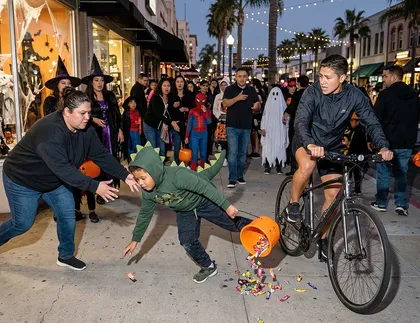
A child hurt while trick-or-treating or attending a Halloween event may have additional time to file a lawsuit against a private defendant. In many cases, CCP § 352 pauses the deadline until the child turns 18. This generally gives them until their 20th birthday to sue.
Government claims follow different rules. Parents or guardians generally must file a child’s injury claim against a public entity within six months. If you missed that deadline, Government Code § 911.6 provides special protection for qualifying minor claimants who submit a timely late-claim application. Parents should not assume that the same tolling rules under CCP § 352 apply to their child’s personal injury case against a public entity.
A delayed diagnosis can also raise questions about when the injury was reasonably discoverable. A child or parent should not assume a new diagnosis automatically restarts the deadline.
Filing Deadlines After Fatal Halloween Accidents
When a Halloween accident causes a death, eligible surviving family members, such as certain spouses, domestic partners, children, and other qualifying relatives (CCP § 377.60), may bring a wrongful death claim. If a lawsuit becomes necessary, the filing deadline is generally two years from the date of death (CCP § 335.1).
If a public entity may be responsible for the death, the family generally must present a government claim within six months.
A separate survival action may also be available for losses the deceased person suffered before death. Under CCP § 366.1, special timing rules apply when someone dies before their lawsuit deadline expires.
The deceased person’s personal representative or successor in interest may file a qualifying survival action by the later of two deadlines: six months after death or the original filing deadline, whichever comes later. Government claims and other exceptions may follow different rules.
Filing Deadlines for Claims Involving Uninsured Drivers
Unlike ordinary third-party insurance claims, uninsured motorist (UM) claims have specific statutory deadlines in California. If an uninsured driver injures a trick-or-treater or another pedestrian on Halloween, UM coverage under an applicable auto insurance policy may apply. Under Insurance Code § 11580.2(i), you must take one of the following qualifying actions within two years of the accident to preserve a UM claim:
- File a lawsuit against the uninsured driver.
- Reach an agreement on the amount owed under your UM coverage.
- Start arbitration by sending the insurer a written notice through certified mail, return receipt requested.
For an unidentified hit-and-run driver, you must meet the following requirements (including a couple of deadlines) to have a valid UM claim:
- Prove that the fleeing vehicle made physical contact with you (the insured person) or the vehicle you were occupying.
- Report the accident to the proper law enforcement agency within 24 hours.
- Submit a sworn statement to your insurer within 30 days of reporting the accident to law enforcement.
Why You Should Not Wait to File a Claim
Insurance negotiations, demand letters, and open claims generally do not extend California’s deadline to file a personal injury lawsuit. A valid agreement or specific legal rule may extend a deadline. However, injured people should not assume that ongoing discussions provide extra time.
California Insurance Code § 11583 may pause a filing deadline after certain advance or partial payments if the insurer did not provide the required written notice. This notice requirement does not apply when the recipient has an attorney.
Evidence may also become harder to obtain while the parties negotiate:
- Surveillance Footage: Security and doorbell cameras may overwrite footage within days, depending on the system. Requesting footage early may help prevent the loss of evidence.
- Witness Information and Memory: People who witnessed a Halloween collision or fall may leave before anyone can collect their names or contact details. They may also forget specific details within days.
- Physical Conditions: A property owner may repair a cracked sidewalk, and event organizers may take down temporary barriers, lighting, decorations, and setups.
Seek appropriate medical care, save photographs, request relevant records, and identify witnesses as soon as possible. Write down your own recollection before details blur. A California injury attorney can send preservation requests for available surveillance footage and other evidence.
Talk to Arash Law About Your California Halloween Accident Claim
Not sure which deadline applies to your injury? Arash Law’s accident lawyers can assess whether your claim involves a private party, public agency, or uninsured driver.
Call (888) 488-1391 for a free case evaluation. Our hotline is available 24 hours a day, 7 days a week.
Frequently Asked Questions About Halloween Accident Claims in California
Can I Still Make an Injury Claim If I Didn’t Go to the Hospital Right Away?
Yes. Delaying medical treatment does not automatically prevent you from filing a personal injury claim. However, insurers may question whether your injuries resulted from the Halloween accident. Medical records can help establish that connection. The usual filing deadline still applies, regardless of when you first received treatment.
Is There a Deadline to Report a Halloween Car Accident in California?
Yes. California Vehicle Code § 20008 generally requires drivers involved in injury or fatal crashes to report them in writing within 24 hours. The report goes to the California Highway Patrol or the appropriate city police department.
Drivers generally must also file an SR-1 with the state’s Department of Motor Vehicles within 10 days if the crash causes injury, death, or property damage exceeding $1,000. These accident reporting deadlines are separate from the deadline to sue.
Can I File a Personal Injury Claim if I Was Hurt While Working on Halloween?
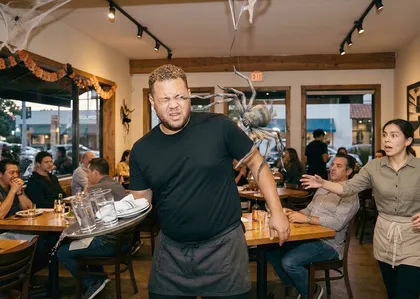
Yes. If someone other than your employer caused your injury, you may pursue a third-party personal injury claim. California generally sets no universal statutory deadline for submitting such claims to an insurer. However, you generally have two years to file a personal injury lawsuit (CCP § 335.1), if necessary.
Independent contractors, self-employed workers, and certain gig workers may also pursue third-party claims, even without workers’ compensation coverage. Employees who qualify for workers’ compensation must follow separate filing deadlines.
Can I File a Lawsuit While I’m Still Receiving Medical Treatment?
Yes. You generally do not need to finish medical treatment before filing a personal injury lawsuit. Waiting for treatment to end could cause you to miss the deadline. Medical records, treatment plans, and expert opinions may help establish the cost of future care.
Can I Reopen My Claim If I Settled Before Discovering More Injuries?
You usually cannot reopen a claim if you have signed a valid release covering it. A settlement release may include unknown injuries, particularly when it expressly waives protections under California Civil Code § 1542. Read the proposed release carefully and consider legal advice before signing.
Get a Free Case Evaluation Before Your Filing Deadline Approaches
Arash Law offers free case evaluations for people injured in Halloween accidents throughout California. We handle qualifying personal injury claims on a contingency fee basis, which means you pay no attorney’s fees unless we win or settle your case.
Case-related costs may still apply. Your written fee agreement explains legal fees and case costs.
Call (888) 488-1391 to discuss your claim.
Sources
- California Courts — Personal Injury Cases. Explains the general two-year deadline for filing personal injury lawsuits. https://selfhelp.courts.ca.gov/civil-lawsuit/personal-injury
- California Courts — Government Claims. Explains filing requirements and deadlines for claims against public agencies. https://selfhelp.courts.ca.gov/civil-lawsuit/government-claim
- California Department of Transportation (Caltrans) — Submit a Damage Claim. Explains how and where to submit injury and damage claims against Caltrans. https://dot.ca.gov/online-services/submit-damage-claim
- California Department of Motor Vehicles (DMV) — Accident Reporting. Explains the 10-day deadline for submitting an SR-1 accident report. https://www.dmv.ca.gov/portal/dmv-virtual-office/accident-reporting/
- California Legislative Information — Vehicle Code § 16000. Establishes accident reporting requirements for qualifying traffic collisions. https://leginfo.legislature.ca.gov/faces/codes_displaySection.xhtml?lawCode=VEH§ionNum=16000.
- California Legislative Information — Code of Civil Procedure § 335.1. Establishes the general two-year deadline for personal injury and wrongful death lawsuits. https://leginfo.legislature.ca.gov/faces/codes_displaySection.xhtml?lawCode=CCP§ionNum=335.1.
- California Legislative Information — Code of Civil Procedure § 352. Explains how age and certain disabilities affect lawsuit-filing deadlines. https://leginfo.legislature.ca.gov/faces/codes_displaySection.xhtml?lawCode=CCP§ionNum=352.
- California Legislative Information — Code of Civil Procedure § 12a. Explains how weekends and legal holidays affect filing deadlines. https://leginfo.legislature.ca.gov/faces/codes_displaySection.xhtml?lawCode=CCP§ionNum=12a.
- California Legislative Information — Government Code § 911.2. Establishes the general six-month deadline for presenting personal injury claims against public agencies. https://leginfo.legislature.ca.gov/faces/codes_displaySection.xhtml?lawCode=GOV§ionNum=911.2.
- California Legislative Information — Government Code § 911.4. Establishes the requirements and deadlines for late government claim applications. https://leginfo.legislature.ca.gov/faces/codes_displaySection.xhtml?lawCode=GOV§ionNum=911.4.
- California Legislative Information — Government Code § 911.6. Explains when public agencies must grant late-claim applications, including protections for minors. https://leginfo.legislature.ca.gov/faces/codes_displaySection.xhtml?lawCode=GOV§ionNum=911.6.
- California Legislative Information — Government Code § 912.4. Establishes the time public agencies generally have to act on government claims. https://leginfo.legislature.ca.gov/faces/codes_displaySection.xhtml?lawCode=GOV§ionNum=912.4.
- California Legislative Information — Government Code § 913. Establishes notice requirements when public agencies reject government claims. https://leginfo.legislature.ca.gov/faces/codes_displaySection.xhtml?lawCode=GOV§ionNum=913.
- California Legislative Information — Government Code § 915. Establishes authorized methods for presenting claims to public entities. https://leginfo.legislature.ca.gov/faces/codes_displaySection.xhtml?lawCode=GOV§ionNum=915
- California Legislative Information — Government Code § 945.6. Establishes lawsuit deadlines after government claims are rejected. https://leginfo.legislature.ca.gov/faces/codes_displaySection.xhtml?lawCode=GOV§ionNum=945.6.
- California Legislative Information — Government Code § 946.6. Explains how claimants may seek court relief after a late-claim application is denied. https://leginfo.legislature.ca.gov/faces/codes_displaySection.xhtml?lawCode=GOV§ionNum=946.6.
- California Legislative Information — Code of Civil Procedure § 377.30. Identifies who may bring a survival action on behalf of a deceased person. https://leginfo.legislature.ca.gov/faces/codes_displaySection.xhtml?lawCode=CCP§ionNum=377.30.
- California Legislative Information — Code of Civil Procedure § 377.60. Identifies who may bring a wrongful death lawsuit. https://leginfo.legislature.ca.gov/faces/codes_displaySection.xhtml?lawCode=CCP§ionNum=377.60.
- California Legislative Information — Insurance Code § 11583. Explains how certain advance insurance payments may affect lawsuit filing deadlines. https://leginfo.legislature.ca.gov/faces/codes_displaySection.xhtml?lawCode=INS§ionNum=11583.
- California Legislative Information — Civil Code § 1542. Explains protections involving the release of unknown claims in settlement agreements. https://leginfo.legislature.ca.gov/faces/codes_displaySection.xhtml?lawCode=CIV§ionNum=1542.
- California Legislative Information — Insurance Code § 11580.2. Establishes uninsured motorist claim requirements, including arbitration and hit-and-run reporting deadlines. https://leginfo.legislature.ca.gov/faces/codes_displaySection.xhtml?lawCode=INS§ionNum=11580.2.
- California Legislative Information — Labor Code § 3852. Allows certain personal injury claims against third parties responsible for workplace injuries. https://leginfo.legislature.ca.gov/faces/codes_displaySection.xhtml?lawCode=LAB§ionNum=3852.
- California Legislative Information — Code of Civil Procedure § 366.1. Establishes special filing periods when someone dies before their lawsuit deadline expires. https://leginfo.legislature.ca.gov/faces/codes_displaySection.xhtml?lawCode=CCP§ionNum=366.1.
- California Legislative Information — Vehicle Code § 20008. Establishes the 24-hour written reporting requirement for covered injury and fatal traffic collisions. https://leginfo.legislature.ca.gov/faces/codes_displaySection.xhtml?lawCode=VEH§ionNum=20008.
Disclaimer
This article provides general information and is not legal advice. Reading it does not create an attorney-client relationship. Every case depends on its facts. Consult a licensed California attorney about your situation. Arash Law: (888) 488-1391.