TL;DR: Workplace slip, trip, and fall accidents are usually caused by unsafe conditions like wet or uneven floors, poor lighting, cluttered walkways, missing fall protection, or lack of training. Workers in construction, food service, retail, and healthcare face higher risk, and employers may be liable when ignored hazards lead to injury and lost wages.
Highlights:
- Get medical care promptly, even if symptoms seem minor.
- Report the injury to your supervisor immediately (California requirement).
- Ask to complete an incident report and request a copy.
- Photograph the hazard area – spills, cords, lighting, flooring – right away.
- Write down time, location, task, and witness names and numbers.
- Preserve your shoes and clothing in the condition after the fall.
- Ask a workers’ comp lawyer about benefits and possible third-party liability.
Tip: When documenting or reporting, stick to observable facts and keep originals of photos, notes, and medical paperwork.
Table of Contents
Every year, thousands of workers in California get hurt in slip, trip, and fall accidents at work. These incidents can happen when employers fail to fix known hazards or neglect workplace safety. If you’ve sustained injuries in a workplace accident, learning about the common causes can help you understand what went wrong. It can also show if someone’s negligence caused your injury.
Slips, trips, and falls lead to nearly 700 workplace deaths annually. In 2023, falls resulted in 885 deaths and numerous missed workdays, according to data from the Bureau of Labor Statistics (BLS). About 47.4% of all fatal falls, slips, and trips in 2022 occurred in the construction industry.
The Occupational Safety and Health Administration (OSHA) provides detailed guidelines for walking and working surfaces to keep employees safe. These rules require every workplace to follow proper steps to identify hazards, use the right safety equipment, and reduce risks.
In California, for example, the Division of Occupational Safety and Health (DOSH or Cal/OSHA) enforces strict safety standards. The agency requires employers to have injury and illness prevention programs, conduct regular inspections, and train workers to spot hazards.
Call us at (888) 488-1391 if you have suffered work injuries. You may be able to pursue compensation for your losses. At AK Law, our slip-and-fall accident lawyers advocate for workers who seek damages after such accidents.
How Slips, Trips, And Falls Happen At Work
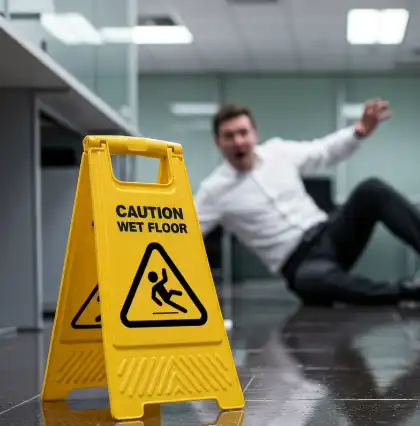
When employers fail to implement safety measures, slip, trip, and fall accidents are more likely to occur. These incidents can lead to serious injuries and financial stress for workers. Knowing how these accidents happen helps you identify if your employer kept the workplace safe:
- Slips — Slips occur when your foot loses traction with the walking surface, causing you to lose balance. Common causes include wet floors, spills, ice, or surfaces that lack adequate grip. Rushing, wearing the wrong shoes, or not paying attention to where you step can increase the likelihood of slipping.
- Trips — These incidents occur when your foot hits something, like a raised edge or object, and you lose your balance. Moving too fast and not paying attention can cause trips.
- Falls — These incidents occur when an individual loses balance and falls to the ground, typically following a slip or trip. Falls from heights, such as ladders, scaffolds, or rooftops, may cause serious injuries.
If a preventable hazard at work injures you, you may have a case. Federal and California laws allow you to seek compensation. Workplace injury lawyers can help in these situations. They can guide workers through the legal process, allowing you to focus on recovery.
What Are The Common Causes Of Workplace Slip, Trip, And Fall Accidents?
Understanding what causes slip, trip, and fall accidents at work can help prevent future incidents from happening. Here are the key dangers that result in these avoidable injuries:
- Wet, Slippery, and Uneven Floors — These hazards make the workplace unsafe and increase the chance of injuries. Common contributing factors include:
- Spills, rainwater tracked inside, and poor cleaning.
- Polished floors without mats that provide traction or grip.
- Dirt, dust, or debris that makes surfaces slippery.
- Broken tiles, warped carpets, and potholes on the ground create trip hazards.
- Obstructed Walkways — Obstacles on the floor, such as loose mats, cords, and boxes, can cause workers to trip and result in injuries.
- Poor Lighting — Inadequate lighting at night or in windowless areas, such as walkways and rooms, can be hazardous. Hazards are hard to see when it’s dark.
- Inappropriate Footwear — Shoes without good grip or arch support can increase the risk of slip-and-fall accidents in workplaces where the floor is frequently wet, such as hospitals and car washes.
- Faulty or Makeshift Scaffolding — Workers may fall when makeshift or unstable scaffolding collapses.
- Unsecured Openings — Open holes in floors or roofs are dangerous, especially in certain fields. Such openings must have signage and covers when not in use. Some common types of openings include:
- Roof drains and skylights.
- Unfinished stairwells or stair openings.
- Elevator shafts that are under maintenance.
- Openings around machinery pits or maintenance pits.
- Access holes or manholes without covers.
OSHA sets and enforces safety standards for all industries. They have general regulations that apply to every workplace. OSHA implements rules designed to address the unique safety risks associated with each sector. When violations of these safety standards result in injuries, lawyers representing slip-and-fall accident cases can help workers understand their rights and explore legal options for recovery.
High-Risk Occupations For Workplace Falls
Some jobs carry a higher risk of slip, trip, and fall accidents due to the nature of the work and the environment. Here are a few occupations where these incidents are especially common:
- Construction Workers — They often work on uneven ground or at dangerous elevations. Loose fixtures, wires, or building materials can increase the likelihood of a trip or fall.
- Food Service Workers — Cooks, servers, and kitchen staff walk on greasy or wet floors daily. Food or drink spills could cause them to slip and fall.
- Custodial Staff — Custodians clean floors using water, soap, or strong cleaning chemicals. They often work on wet and slippery surfaces, which can increase the likelihood of slipping and falling.
- Retail Employees — In stores or malls, spills from drinks, dropped things, and messy aisles can make it easy to slip or trip. Retail workers often move quickly to assist customers or restock shelves, which increases their risk of injury or accident.
- Healthcare Workers — Spills and wet floors are common in hospitals and nursing homes, posing a constant slip hazard. Healthcare workers often need to move quickly, which increases their risk of slipping or falling.
Employers and employees must stay alert to potential hazards in the workplace. They should identify risks and take proper safety measures to help prevent slip-and-fall accidents.
When negligence or unsafe conditions lead to injuries, work injury lawyers can help employees understand their legal rights and pursue proper claims for their losses.
Violations That Lead To Workplace Slips, Trips, And Fall Accidents
Workplace slip, trip, and fall accidents are nearly always preventable. They typically result from employers failing to follow established safety protocols or address known hazards. Some of the key issues that contribute to these types of accidents are:
Unaddressed Floor Surface Hazards
Certain workplace areas are more prone to slips, trips, and falls and require extra attention. These high-risk zones include:
- Entryways and exits.
- Staircases and ramps.
- Outdoor or wet zones.
- Kitchens and toilets.
Using slip-resistant mats or rubberized flooring could prevent slips and falls. Loose rugs with curled edges can trip employees and should be removed or fixed. Shiny or overwaxed floors can be slippery, raising the chances of workers falling and injuring their backs or heads. Floor maintenance should aim to improve grip, especially in busy areas.
Inadequate Warning Signs And Lighting
Without adequate signage, hazards often go unnoticed. Signs like “Wet Floor” are meant to alert employees to potential dangers, but when they’re missing, you’re left at risk. Poor lighting can also make it hard to see obstacles, spills, or uneven surfaces.
Proper lighting can:
- Eliminate shadows that can hide hazards.
- Illuminate uneven surfaces or obstacles.
- Be regularly inspected and maintained.
- Fully cover all work areas, especially those with heavy foot traffic.
If poor lighting or missing signage contributed to your injury, it may support your claim for compensation.
Neglecting Workplace Housekeeping
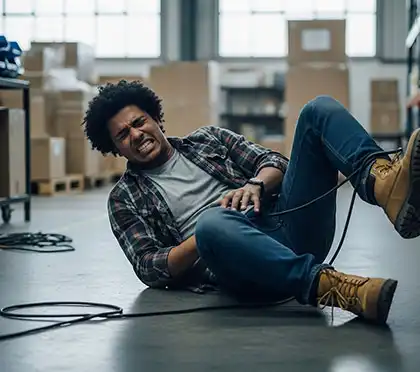
Spills and clutter can create slip and trip hazards in the workplace. If not cleaned up right away, they become serious risks. A clean and organized environment helps prevent injuries. Here are some good practices to minimize risks:
- Clean up spills immediately with the right tools and cleaning products.
- Train staff to respond immediately to spills and clutter.
- Secure cords and cables away from walkways.
- Store materials in designated areas to avoid blocking pathways.
When workers trip or slip, they may instinctively try to brace themselves against the fall. This reaction can lead to injuries such as ankle sprains, cuts, or fractures to the wrists and elbows. Treatment may involve orthopedic surgery, physical therapy, or even chiropractic care.
Failure To Enforce Proper Footwear Standards
Wearing the wrong shoes or using worn-out footwear can significantly raise the risk of slips, trips, and falls. Employers should enforce footwear policies that match the specific hazards associated with each job. Proper footwear offers critical protection, especially in high-risk environments. Key features to look for include:
- Slip-resistant soles.
- Toe protection.
- Ankle support.
- Electrical hazard protection.
Not wearing the right shoes can lead to falls, which can cause foot and ankle fractures, back injuries, and soft tissue damage.
Disregarding Standard Safety Inspections
Regular checks help identify many dangers that might otherwise be missed. Scheduled reviews allow businesses to:
- Identify unsafe conditions.
- Take corrective action quickly.
- Stay compliant with regulatory standards.
- Customize checklists for site-specific needs.
Insufficient Fall Protection
Fall protection is crucial in any workplace where employees are exposed to hazards related to heights. Employers must provide appropriate safety measures, such as:
- Harnesses
- Guardrails
- Safety nets
When using scaffolding, only qualified professionals should handle installation to ensure compliance with safety standards. Regular checks and upkeep keep scaffolding stable and safe. Falling from a height can cause severe injuries. Common outcomes include spinal cord injuries, broken bones, and head trauma. In severe cases, permanent disability or death.
Poorly Marked Pathways
When paths lack proper markings, people may accidentally enter hazardous areas or place items in the wrong location. Use:
- Floor marking tape to designate walking zones.
- Visual cues to separate workspaces from walkways.
Poorly marked pathways can lead to serious accidents. If unclear or missing signs contributed to your injury, you may have grounds for a claim.
Lack Of Safety Awareness And Training
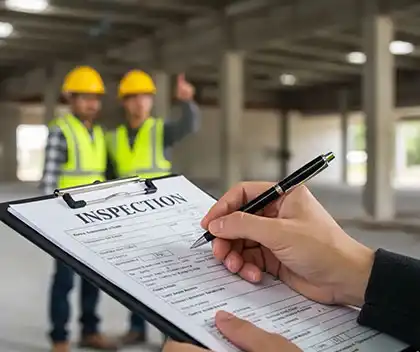
Many accidents occur because workers are unaware of hazards or don’t know how to handle them. A proactive safety culture includes:
- Regular safety presentations.
- Clear communication of workplace risks.
- Frequent safety audits.
- Detailed hazard reporting procedures.
- Practical safety drills.
Employers must provide safety training and seminars for high-risk jobs and maintain rigorous safety standards to ensure the well-being and safety of their workers. Our workplace accident attorneys are here to support victims. We can help you pursue financial recovery when an accident occurs because of negligence.
OSHA outlines detailed guidelines that cover training for all workers. They include general instructions for employees and specialized training tailored to the risks of specific industries.
California law requires employers to provide safety training in the language that their workers understand most. Cal/OSHA also states that the training must be interactive. It should include hands-on demonstrations when possible. Employers must document all training sessions and verify that workers understand safety procedures.
Frequently Asked Questions (FAQs) About Slip, Trip, And Fall Hazards In The Workplace
Employees who suffer injuries from slips, trips, or falls at work may have questions about their rights and legal options. Below are some common questions people in these situations often ask. If you have a specific legal concern, fill out our contact form.
What Should I Do After A Slip, Trip, Or Fall Injury In The Workplace?
Taking prompt action after a workplace fall is crucial. It can safeguard your health and legal rights. Our slip, trip, and fall lawyers recommend doing the following:
Seek Medical Care Promptly
After the incident, it is advisable to visit a doctor, urgent care facility, or hospital. Call 911 if necessary. Even if the injury seems minor, it may get worse later.
Seeking medical attention can create records that document the circumstances surrounding the injury. Save any receipts, doctor’s notes, or instructions you receive.
Report The Incident To A Supervisor
Inform your supervisor or manager as soon as possible about what happened. If there is an official form to report injuries or incidents, you could ask to fill it out. If not, writing down the details and giving them to someone in charge might still be helpful.
Include the time, date, place, and a description of the floor or area. If anyone witnessed the incident, please record their names and contact details. California law requires you to report workplace injuries to your employer immediately. Delaying could affect your workers’ compensation benefits. It is always a good idea to report an injury, even if you are unsure of its severity.
Write Down What Happened And Take Pictures
If you can, take photos of the area where you fell. Include any factors that may have contributed to the issue, such as wet spots, clutter, loose cords, or damaged flooring. Taking photos soon after the incident could make a difference.
Reflect on what you were doing before the fall. Write down the direction in which you were walking and any other important details. Preserve your clothing and shoes, as they may be important evidence.
Consult A Lawyer Who Specifically Handles Workplace Incidents
Experienced workers’ compensation attorneys like our own Tina Eshghieh, Esq., can help you understand your options after a workplace accident. They can evaluate whether you have a valid claim. They can also advise you on what steps to take and what mistakes to avoid.
If you are unsure whether your claim is viable, fill out our “Do I Have A Case?” form. One of our injury attorneys can review your case. They can provide guidance in a free, no-obligation initial consultation.
Who Is Responsible For My Slip And Fall In The Workplace?
Generally, employers are responsible for accidents on the job. The Occupational Safety and Health Act, or OSH Act, requires employers to protect workers from serious hazards. Your employer must maintain a safe workplace by identifying and addressing hazards that could cause slips, trips, or falls. They may be held liable for your injury if they knew about a danger and didn’t fix it.
Not every workplace accident is the same. Sometimes, someone else besides your employer may be to blame. For example, if a contractor was in charge of keeping the area safe and didn’t do so, they could be held responsible for your fall. Other individuals or companies may also be at fault, depending on the specific circumstances. Personal injury attorneys can help you gather evidence and assess liability.
Can I File A Lawsuit For A Workplace Slip, Trip, Or Fall Accident?
Workers’ compensation insurance usually covers most injuries that happen at work, including slips, trips, and falls. Because of this, you generally cannot sue your employer for these types of injuries.
However, in some cases, you may be able to take legal action. If workers’ comp doesn’t cover all your losses, you might be able to sue a third party, such as a contractor, property owner, or equipment supplier, if they contributed to your accident.
Personal injury lawyers can look into your case and determine if filing a lawsuit is a viable option. They can explain possible outcomes, so you would know what to expect.
Who Pays After Getting Injured In A Slip, Trip, Or Fall Accident At Work?
In most cases, workplace injuries are covered by workers’ compensation. This no-fault system typically prevents you from suing your employer directly, even if their negligence contributed to the accident. Instead, you file a workers’ comp claim to receive benefits for medical treatment, lost wages, and other related costs.
After you report your injury, your employer must let the state’s Workers’ Compensation Board know. Then, the insurance company pays you the money that the board deems appropriate. Workers’ compensation attorneys can assist in negotiating a settlement based on the facts of your case.
However, workers’ comp does not cover non-economic damages. These are the intangible losses that victims suffer after injuries. They may include pain and suffering, emotional distress, and loss of consortium.
An attorney can help you identify who may be financially responsible in a personal injury case. Your personal injury lawyer can guide you through the process of seeking compensation.
Discuss Your Case With Our Workplace Injury Lawyers
Slips, trips, and falls are typically preventable, but they are still some of the most common workplace injuries. Safety rules help reduce these risks. However, injuries still happen, especially when employers fail to maintain a safe environment.
If employers are negligent and accidents occur, workers who are injured have legal options. If you or someone you know gets injured in a slip, trip, or fall at work, our injury lawyers can help. We work on a contingency fee basis, meaning you won’t owe any attorney fees unless we are successful in your case. Our slip-and-fall lawyers will discuss fees and any other potential costs during your initial consultation and address any questions you may have. We can review your case and assist you in pursuing the compensation allowed by law.
Arash Law also handles a wide range of personal injury cases, including car accidents, truck collisions, and dog bites. Call our injury lawyers at (888) 488-1391 for a free initial consultation.