TL;DR: California schools, both public and private, can be held liable for injuries caused by unsafe stairs, railings, balconies, or walkways. Public school injury claims generally require a written government claim under Government Code § 911.2 within six months of the claim’s accrual, although exceptions may apply.
Yes, under California law, both public and private schools can be held liable for injuries caused by defective stairs, loose or missing railings, deteriorating balconies, and hazardous walkways. California law requires private schools to exercise reasonable care in maintaining their premises.
Public school districts may also be held liable for dangerous property conditions under Government Code § 835 when the applicable legal requirements are met. What differs significantly between a public school district and a private school is how liability is established, what statutes govern the claim, and the applicable deadlines for taking legal action.
Table of Contents

Can a California School Be Liable If Unsafe Railings, Balconies, Stairs, Upper-Floor Areas, or Walkways Contribute to a Student’s Serious Injury or Fall?
In some cases, schools in California can be liable for unsafe property conditions that result in injury. These cases may involve unsafe railings, balconies, stairs, and walkways.
To establish liability in these cases, you must prove these elements:
- Duty of Care: The school had a legal obligation to keep its premises safe for students, staff, and visitors.
- Breach of Duty: The school failed to take reasonable precautions, such as repairing a hazardous condition, providing adequate warnings, or restricting access to unsafe areas.
- Notice or Creation of the Hazard: The school or its employees created the dangerous condition, or the school had actual or constructive notice of it, as required by applicable law.
- Causation and Harm: The dangerous condition or the school’s negligent actions caused the accident and resulting injuries.
Key Facts About Claims Involving Unsafe School Property Conditions in California
- Public school districts may be liable for dangerous property conditions that cause injuries under Government Code § 835. Claimants must establish that district employees created the hazard or that the district had sufficient notice to address it.
- Private schools may be liable for negligently maintained structures under Civil Code § 1714 if their failure to use reasonable care causes injuries.
- A dangerous condition must create a substantial risk of injury during reasonably foreseeable use of public property with reasonable care, as defined by Government Code § 830(a).
- Injury claims against public school districts generally have a six-month deadline under Government Code § 911.2. Private school injury lawsuits generally follow the two-year deadline under CCP § 335.1, subject to exceptions.
- Injured students or visitors may recover damages even if they share fault under California’s pure comparative fault system. Courts consider a child’s age, intelligence, knowledge, and experience when assessing negligence.
Public vs. Private Schools: How California Law Treats Each Differently
California public and private schools may be liable for injuries caused by unsafe stairs, railings, balconies, or walkways. However, the rules for establishing liability and filing a claim differ.
| Legal Category | Public Schools | Private Schools |
|---|---|---|
| Governing Law | Government Code § 835 | Civil Code § 1714(a) |
| Establishing Liability | Must show that a dangerous condition caused the injury, created a foreseeable risk, and was created by a district employee’s negligent or wrongful act or omission, or that the district had sufficient notice of it. | Must generally show that the school failed to use reasonable care and that its negligence caused the injury. |
| Notice of the Hazard | Actual or constructive notice is required unless a negligent or wrongful act or omission by a district employee within the scope of employment created the hazard. | Actual or constructive notice may establish liability. Prior notice generally isn’t necessary if the school or its employees negligently created the hazard. |
| Government Claim Required? | Generally yes, within six months under Government Code § 911.2. | No government claim required. |
| Deadline to Sue | Generally six months after a legally sufficient written rejection notice, or up to two years from accrual if no written rejection notice is served (Government Code § 945.6). | Generally two years under CCP § 335.1, although tolling may apply to minors. |
Evidence of the school’s knowledge can play an important role in these claims. For example, previous complaints about a loose railing, inspection reports identifying broken steps, or maintenance requests for an uneven walkway may help show that the school knew or should have known about the hazard.
In some cases, a third party, such as a construction contractor or maintenance company, may also share responsibility for the unsafe condition. Charter school claims, for example, may require additional review to identify the responsible entity and applicable filing requirements.
School injury attorneys can review the circumstances and help families understand their legal options.
Common Structural Hazards That May Lead to School Liability
Several property conditions can create serious injury risks on California school campuses. The table below outlines common structural hazards and how they may contribute to accidents.
| Structural Hazard | Common Examples | Potential Injury Risks |
|---|---|---|
| Unsafe Stairs and Steps | Broken stair nosing, cracked steps, uneven risers, missing handrails, slippery surfaces, and poor lighting. | Students, staff, or visitors may trip, slip, or fall when navigating damaged or poorly maintained stairs. |
| Defective Railings and Handrails | Loose railing posts, corroded metal supports, missing handrails, unsecured guards, and damaged connections. | Unstable or missing railings may fail to provide support or prevent falls, particularly in elevated areas. |
| Unsafe Balconies and Elevated Walkways | Deteriorating balcony supports, corroded connections, missing guards, damaged decking, failed fasteners, and excessively wide guard openings. | Structural failures or inadequate fall protection may cause falls from elevated areas, potentially resulting in serious injuries. |
| Hazardous Ground-Level Walkways | Raised concrete, cracked pavement, uneven paths, damaged pedestrian routes, standing water, and uneven floor transitions. | Pedestrians may slip or trip over surface irregularities, particularly near entrances and drop-off areas. |
Not every structural defect automatically establishes school liability. Understanding when a school can be liable for injury or death in California involves looking at the seriousness of the hazard, the circumstances of the accident, and whether the school or another responsible party failed to meet its legal obligations.
Apart from students, potential victims may include teachers, school maintenance staff, other employees, and even visitors. Employees injured while working generally pursue workers’ compensation benefits, although exceptions and claims against responsible third parties may apply.
Can Building Code Violations Support a School Injury Claim?
California schools may face liability when railings, stairways, balconies, or walkways fail to meet applicable building and safety standards, and that failure contributes to an injury. Depending on the building’s age, construction history, and applicable requirements, violations involving guardrail heights, handrail installation, stair dimensions, or fall protection may indicate an unsafe condition.
However, a building code violation does not automatically establish liability. Families must still show that the applicable legal requirements are satisfied, including whether the unsafe condition caused the injury. Approved designs and other statutory defenses may also affect claims against public schools.
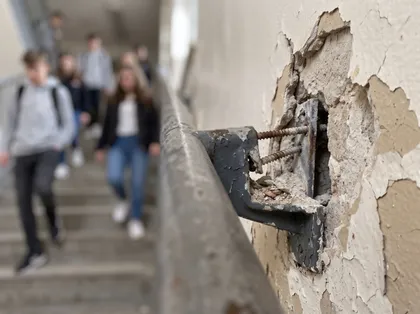
When Inadequate Supervision or Bullying Compounds a Structural Hazard
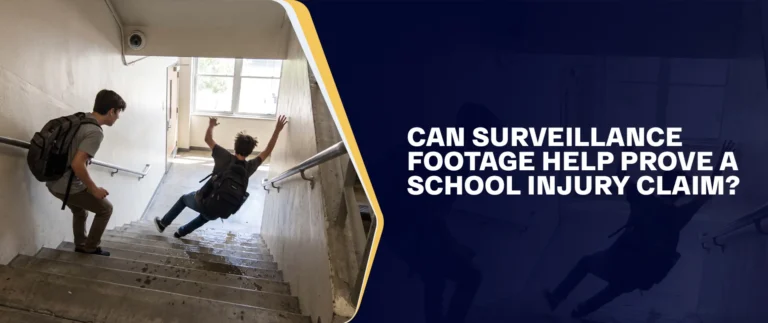
Unsafe stairs, railings, balconies, and elevated walkways can create serious fall risks, especially when bullying or other student misconduct occurs nearby. Schools may face liability when inadequate supervision or failure to address known hazards contributes to a foreseeable student injury.
For example:
- Unsafe Balcony Railings: A school knows that a balcony railing is unstable but continues allowing students to access the area without proper precautions.
- Damaged Staircases: School staff fail to restrict access to a damaged staircase while repairs are pending.
- Bullying Near Elevated Areas: Students repeatedly push, threaten, or intimidate a classmate near stairs, balconies, or elevated walkways, creating a risk of serious falls.
- Ignored Bullying Complaints: School personnel receive repeated reports of physical bullying near a dangerous stairwell but fail to take reasonable precautions to address the foreseeable risk.
Schools can help reduce these risks through reasonable supervision, timely responses to complaints, restricted access to unsafe areas, and appropriate maintenance.
When bullying contributes to a fall, relevant factors may include:
- Whether school personnel knew or should have anticipated the dangerous behavior.
- Whether previous bullying reports or incidents identified a foreseeable risk.
- Whether unsafe property conditions increased the likelihood or severity of injury.
- Whether reasonable supervision or safety measures could have prevented the incident.
Recognizing and reporting bullying can help prevent serious injuries. Parents and students should report physical intimidation, pushing, threats, and other unsafe behavior to school administrators, particularly when incidents occur near elevated areas or structural hazards. Families can also:
- Review bullying prevention resources on the official website of the California Department of Education (CDE).
- Contact the CDE’s School Health and Safety Office at 916-319-0914 for information about school safety resources.
To file official bullying complaints, parents should generally contact the school or district first and follow its complaint procedures.
A school is not automatically responsible for every accident or act of bullying. Liability depends on the applicable legal requirements and whether the school’s actions or omissions contributed to the injury.
Third-Party Contractors and Event Organizers Can Also Be Liable
Outside contractors may share responsibility for school injuries when their work creates or contributes to unsafe structural conditions.
Potentially responsible parties include:
- Building maintenance companies.
- Construction contractors.
- Railing and staircase installers.
- Landscaping companies.
- Janitorial service providers.
- Event organizers responsible for activities or designated areas on school property.
Examples of possible third-party negligence include:
- A contractor improperly installing balcony guardrails.
- A maintenance company failing to address a known broken stair.
- A construction company using defective railing fasteners.
- A landscaping contractor leaving an unsafe walkway condition after completing work.
- A janitorial company failing to address a hazardous spill on a school stairway.
- An event organizer failing to secure temporary barriers near an elevated walkway during a school event.
A contractor’s liability depends on its responsibilities, actions, and role in causing the injury. Event organizers may also share responsibility when they control an area of school property where a dangerous condition contributes to an accident. Their liability depends on their control over the area or hazard, the precautions they reasonably should have taken, and whether their actions or omissions contributed to the injury. California premises liability attorneys can help identify all potentially responsible parties.
Common Defenses in California School Premises Liability Claims
Schools may raise legal defenses when an injury involves unsafe stairs, railings, balconies, or walkways. These defenses can affect whether a claim succeeds. However, they don’t automatically mean an injured person cannot recover compensation.
Trivial Defect
California Government Code § 830.2 explains that public entities generally aren’t responsible for property defects that pose only a minor risk of injury. Under this law, a public school district may argue that a small walkway crack, uneven step, or similar defect was too minor to be considered dangerous. Private property owners may make a similar argument under Ursino v. Big Boy Restaurants of America (1987).
Whether a defect is too minor to establish liability depends on its size and the surrounding circumstances, including visibility and other factors that may increase the risk of injury.
Design Immunity
Under Government Code § 830.6, public school districts may be immune when a staircase, balcony, or railing was built in accordance with a qualifying approved design.
However, design immunity does not necessarily cover separate maintenance failures or dangers caused by changed conditions. For example, a railing built according to approved plans may later become unsafe because of corrosion or structural deterioration.
Open and Obvious Hazards
A school may argue that a broken step, missing railing, or uneven walkway was clearly visible and could have been avoided. However, an obvious hazard does not always eliminate a school’s duty to take reasonable safety measures, especially when students must use the affected area.
When a child gets injured, California law also considers the care reasonably expected of a child of similar age, intelligence, knowledge, and experience when evaluating the child’s conduct.
Each defense depends on the circumstances. Photographs, inspection records, maintenance reports, and other evidence can help establish whether the school remains legally responsible.
What Should Parents Do After an Injury Caused By Unsafe School Property?
If your child gets hurt because of an unsafe railing, balcony, staircase, or walkway at school, it can be difficult to know how to respond. Understanding what to do if your kid gets hurt at school can help you protect your child’s well-being and legal rights while dealing with the aftermath of the accident.
Consider taking the following steps:
- Seek medical attention. Obtain prompt medical care and keep records of your child’s injuries and treatment.
- Report the incident. Notify school administrators and request a copy of any available incident report. If pushing, threats, or other bullying contributed to the fall, notify school administrators in writing.
- Document the dangerous condition. If possible and safe, photograph the damaged railing, broken step, missing safety barrier, or any walkway defect before repairs are made.
- Identify witnesses. Record the contact information of anyone who observed the incident or knew about the condition beforehand.
- Preserve relevant records. Keep communications with school officials, photographs, medical bills, and other documents related to the incident. For cases involving bullying, preserve copies of complaints, responses, and previous reports involving the same location or students.
- Document the effects of the injury. Keep records of school absences, activity restrictions, medical appointments, and other injury-related consequences.
Since schools may repair hazardous conditions after an accident, early photographs can help document the cause of the injury. Families can also seek legal guidance about preserving security footage and obtaining relevant maintenance records.
The Government Claims Process for Public School Injuries
If your child is injured because of unsafe stairs, railings, balconies, or walkways at a California public school, you generally must file a written government claim before suing the school district. The Government Claims Act sets specific requirements and deadlines.
What Should the Claim Include?
Under Government Code §§ 910 and 910.2, the claim generally must include:
- Your name, mailing address, and an address for notices.
- When, where, and how the injury happened.
- A description of the injuries and damages.
- The names of responsible school employees, if known.
- The amount claimed or other required damages information.
- A signature from the claimant or an authorized representative.
Claims under $10,000 must state the amount sought and how it was calculated. Claims exceeding $10,000 must not specify a dollar amount but must indicate whether the case would qualify as a limited civil case.
How Long Do You Have to File?
Under Government Code § 911.2, you generally have six months from the date of the injury to present a government claim, even if the injured student is a minor.
The school district generally has 45 days to respond, unless the response period is extended by written agreement. The claim is considered rejected when the district fails to respond within that period. After receiving a legally sufficient written rejection notice, you usually have six months from the date the notice is mailed or personally delivered to file a lawsuit. Without such notice, you generally have up to two years from when the claim accrued to sue.
What if You Miss the Six-Month Deadline?
Families may still have options, especially when the injured student is a minor. California Government Code §§ 911.4 and 911.6 allow qualifying families to request permission to file a late claim.
| Situation | What Families Should Know |
|---|---|
| Child Was Under 18 Throughout the Six-Month Claim Period | The school district generally must approve a timely, compliant late-claim application under § 911.6(b)(2). |
| Child Turned 18 During the Six-Month Claim Period | Relief may be available under § 911.6(b)(3) if the application is submitted within six months after the student turns 18 or one year after the claim arose, whichever comes first. |
| School District Denied the Late-Claim Application | Families may petition the court for relief under § 946.6, generally within six months after the application is denied or deemed denied. |
Late-claim applications generally must be submitted within a reasonable time, not exceeding one year from when the claim accrued. Being a minor does not automatically extend this deadline.
For example, if a 12-year-old was injured at a public school eight months ago, their family may still be able to submit a late-claim application.
Where Should You File?
Claims against public school districts generally must be presented to the appropriate district through a method authorized by Government Code § 915.
Filing with the correct public entity matters. Claims against state agencies follow a different process, so families should confirm where to submit their claim before the deadline.
What Compensation May Be Available?
California law allows injured students and visitors to pursue several categories of damages in a successful school premises liability case. Parents may also pursue certain injury-related expenses or bring claims on behalf of their injured children, depending on the circumstances.
- Medical Expenses: Emergency department visits, surgery, imaging, and hospitalization costs already incurred.
- Future Medical Care: Anticipated costs for physical therapy, rehabilitation, follow-up procedures, or long-term treatment resulting from the injury.
- Pain and Suffering: Compensation for the physical pain and emotional distress caused by the injury.
- Loss of Quality of Life: Where an injury limits the child’s or visitor’s ability to participate in activities they previously enjoyed.
- Loss of Future Earning Capacity: In severe cases involving permanent disability or significant developmental impact, damages may extend to projected future income losses.
Serious falls involving balconies, stairways, or elevated walkways may cause fractures, spinal cord injuries, traumatic brain injuries, or other injuries requiring extended treatment. The available damages depend on the actual injuries and their effects on the claimant.
If an injury on school premises results in a death, eligible surviving family members may pursue a wrongful death claim under CCP § 377.60. Claims against public entities must also satisfy applicable government-claim requirements.
Can a School Reduce Compensation by Claiming the Student Was Partly at Fault?
Yes. However, a student sharing fault for their injury won’t automatically bar their claim. California follows a pure comparative fault system. Under Li v. Yellow Cab Co. (1975) 13 Cal.3d 804, a claimant’s compensation may be reduced according to their share of responsibility for an injury.
When the injured person is a child, the applicable standard of care considers the child’s age, intelligence, knowledge, and experience rather than automatically applying the same expectations used for adults. Children under five years old cannot be found comparatively negligent under California law. Whether comparative fault applies to older children depends on the facts and applicable law.
How Arash Law Investigates School Structural Injury Cases
Determining responsibility for an unsafe school railing, balcony, staircase, or walkway often requires examining the maintenance history, construction records, and the property’s condition before the accident.
At Arash Law, our school injury attorneys can investigate the circumstances and pursue available evidence, including:
- Incident Reports: School accident reports and available records describing how the injury occurred.
- Bullying and Supervision Records: Prior complaints, available disciplinary records, and supervision reports may help establish whether school personnel knew about recurring unsafe behavior near the accident location, subject to student privacy restrictions.
- Maintenance and Repair Logs: Work orders, inspection results, and complaints involving the specific structural defect.
- Construction and Building Records: Architectural plans, permits, inspection approvals, and documents, if they can help determine whether applicable building standards were followed.
- School Safety Records: Relevant safety reports or other school records identifying hazards.
- Photographs and Video Footage: Images showing the dangerous condition and circumstances surrounding the injury.
- Witness Statements: Accounts from students, staff, maintenance personnel, and others familiar with the incident or hazard.
- Medical Records: Documentation of injuries, treatment, rehabilitation, and long-term effects.
- Expert Evaluations: Assessments by structural engineers or other qualified professionals, if necessary to determine whether a defect resulted from improper construction, deterioration, or inadequate maintenance.
For public schools, attorneys may also use California Public Records Act requests to seek disclosable records. Some records, particularly those involving students, may be protected from public disclosure. Their availability depends on the applicable laws and circumstances.
Preservation requests can also help prevent relevant documents, video recordings, or other evidence from being routinely deleted.
Injured on School Property? Don’t Wait.
The deadline to file a government claim against a California public school district is just 6 months under Government Code § 911.2. Call Arash Law at (888) 488-1391 for a free case evaluation, available 24 hours a day.
Frequently Asked Questions About School Structural Injuries in California
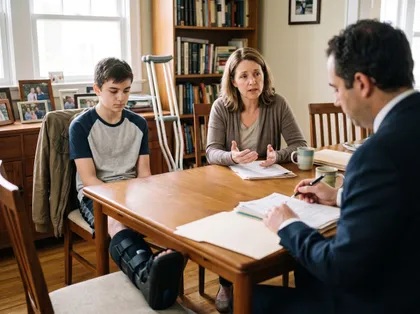
Can I Sue a School if My Child Falls From a Balcony Without Proper Safety Railings?
A school may be liable if an unsafe or missing balcony guard contributed to your child’s injury and the applicable legal requirements are established.
Relevant evidence may include photographs, construction records, inspection findings, and maintenance complaints. If the railing violated an applicable building safety requirement, that violation may provide additional evidence supporting the claim. However, liability is not automatic.
Can a Public School Claim It Is Not Responsible Because the Staircase Followed Approved Plans?
Yes. A public school district may assert design immunity under Government Code § 830.6 when the statutory requirements are satisfied.
However, the defense may not resolve claims involving separate maintenance failures or qualifying changes in physical conditions that made a previously approved design dangerous. Construction documents, maintenance records, and expert evaluations may help determine whether design immunity applies.
Can a School Be Liable if a Dangerous, Unmonitored Stairwell Contributed to My Child Being Hurt by Another Student?
Possibly. A school may be liable if inadequate supervision contributed to a foreseeable injury involving another student, particularly when school personnel knew or should have anticipated dangerous behavior near a stairwell or elevated walkway.
For example, previous bullying complaints or repeated incidents of students pushing one another near stairs may help establish a foreseeable risk. Schools are not automatically responsible for every student altercation. Liability depends on whether the school failed to provide reasonable supervision or address a dangerous condition and whether that failure contributed to the injury.
Are Private Schools Treated Differently from Public Schools Under Premises Liability Law?
Yes. California public school districts generally face dangerous-condition claims under Government Code § 835. Meanwhile, private schools are generally subject to ordinary negligence principles under Civil Code § 1714.
The biggest difference is the filing process. Public school claims generally require a government claim within six months. Private schools do not have this requirement, and the standard personal injury lawsuit deadline is generally two years, subject to applicable tolling rules.
Charter schools are public schools, but their organization and applicable claim requirements may need separate review.
How Do We Prove the School Knew About a Dangerous Walkway or Balcony Condition?
You can use maintenance requests, previous complaints, inspection reports, photographs, and witness statements to help establish what the school knew about the hazard.
Actual notice means the school had direct knowledge of the condition. Constructive notice generally means the hazard existed long enough and was sufficiently apparent that the school should reasonably have discovered it.
For example, repeated complaints about an unstable railing may help show prior notice. However, under Government Code § 835, a public school district may also be liable if a qualifying negligent or wrongful act by its employee created the dangerous condition, even without proof of prior notice.
Arash Law Is Ready to Review Your School-Related Premises Liability Claim
When a school fails to address dangerous stairs, railings, balconies, or walkways, the consequences can be serious for injured students and their families. Arash Law can help investigate what happened, identify potentially responsible parties, and explain the legal options available under California law.
We’ve recovered over $1 billion for injury clients in California, and we’re ready to put that experience to work for you. Call (888) 488-1391 for a free case evaluation. Our team is available 24/7.
Sources
- California Civil Code § 1714 — General Duty of Care. Establishes negligence principles relevant to private school premises liability.
https://leginfo.legislature.ca.gov/faces/codes_displaySection.xhtml?lawCode=CIV§ionNum=1714.- California Code of Civil Procedure §§ 335.1 and 352 — Personal Injury Deadlines and Tolling. Address the general two-year personal injury limitations period and certain extensions for minors.
https://leginfo.legislature.ca.gov/faces/codes_displaySection.xhtml?lawCode=CCP§ionNum=335.1.
https://leginfo.legislature.ca.gov/faces/codes_displaySection.xhtml?lawCode=CCP§ionNum=352.- California Code of Civil Procedure § 377.60 — Wrongful Death. Identifies who may bring a wrongful death claim in California.
https://leginfo.legislature.ca.gov/faces/codes_displaySection.xhtml?lawCode=CCP§ionNum=377.60.- California Government Code § 830(a) — Definition of Dangerous Condition. Defines the substantial-risk standard applicable to dangerous conditions of public property.
https://leginfo.legislature.ca.gov/faces/codes_displaySection.xhtml?sectionNum=830.&lawCode=GOV- California Government Code § 830.2 — Trivial Defects. Addresses minor property defects that may not qualify as dangerous conditions.
https://leginfo.legislature.ca.gov/faces/codes_displaySection.xhtml?lawCode=GOV§ionNum=830.2.- California Government Code § 830.6 — Design Immunity. Covers immunity involving qualifying approved public property designs.
https://leginfo.legislature.ca.gov/faces/codes_displaySection.xhtml?lawCode=GOV§ionNum=830.6.- California Government Code § 835 — Dangerous Conditions of Public Property. Explains when a public school district may be liable for injuries caused by unsafe property.
https://leginfo.legislature.ca.gov/faces/codes_displaySection.xhtml?lawCode=GOV§ionNum=835.- California Government Code § 835.2 — Actual and Constructive Notice. Explains when public entities may be considered to have known about a dangerous property condition.
https://leginfo.legislature.ca.gov/faces/codes_displaySection.xhtml?sectionNum=835.2.&lawCode=GOV- California Government Code §§ 910 and 910.2 — Government Claim Requirements. Explain what information a government claim must contain and its signature requirements.
https://leginfo.legislature.ca.gov/faces/codes_displaySection.xhtml?lawCode=GOV§ionNum=910.
https://leginfo.legislature.ca.gov/faces/codes_displaySection.xhtml?lawCode=GOV§ionNum=910.2.- California Government Code § 911.2 — Government Claim Deadline. Establishes the general six-month deadline for presenting personal injury claims against public entities.
https://leginfo.legislature.ca.gov/faces/codes_displaySection.xhtml?lawCode=GOV§ionNum=911.2.- California Government Code §§ 911.4 and 911.6 — Late Government Claims. Explain late-claim applications and protections available to qualifying injured minors.
https://leginfo.legislature.ca.gov/faces/codes_displaySection.xhtml?lawCode=GOV§ionNum=911.4.
https://leginfo.legislature.ca.gov/faces/codes_displaySection.xhtml?lawCode=GOV§ionNum=911.6.- California Government Code § 946.6 — Court Relief for Late Claims. Establishes procedures for seeking relief after a late-claim application is denied.
https://leginfo.legislature.ca.gov/faces/codes_displaySection.xhtml?lawCode=GOV§ionNum=946.6.- California Government Code §§ 915 and 945.6 — Claim Presentation and Lawsuit Deadlines. Address how claims must be presented and the time limits for filing lawsuits against public entities.
https://leginfo.legislature.ca.gov/faces/codes_displaySection.xhtml?lawCode=GOV§ionNum=915.
https://leginfo.legislature.ca.gov/faces/codes_displaySection.xhtml?lawCode=GOV§ionNum=945.6.- California Civil Jury Instructions, CACI Nos. 402 and 412 — Children and Standards of Care. Explain the care reasonably expected of children and the duty of care owed to them.
https://courts.ca.gov/system/files/file/judicial_council_of_california_civil_jury_instructions_2026.pdf- Li v. Yellow Cab Co. (1975) 13 Cal.3d 804. Establishes California’s pure comparative fault framework.
https://scholarlycommons.pacific.edu/cgi/viewcontent.cgi?article=2458&context=mlrDisclaimer
The information on this page is for general educational purposes and does not constitute legal advice. No attorney-client relationship is formed by reading or relying on this content. If you were injured, consult a licensed California personal injury attorney about your specific situation.