TL;DR: Filing a personal injury claim cannot affect your immigration status. U.S. and California laws protect your right to seek compensation after an injury, no matter your citizenship or legal presence.
Highlights:
- Get medical treatment and keep every bill, receipt, and discharge note.
- Photograph injuries and the scene; save videos, texts, and witness names.
- Track missed work and collect pay stubs, timecards, and employer records.
- Talk with a personal injury lawyer about keeping immigration details private.
- If hurt at work, start a workers’ comp claim even if undocumented.
- If employer threatens ICE, file retaliation complaint within 1 year.
- File California injury claims within 2 years; government claims within 6 months.
Tip: When speaking to insurers or employers, stick to facts, avoid guessing, and save copies of everything you submit.
Table of Contents
Filing a personal injury claim typically has no impact on your immigration status. Federal and state laws, including the Equal Protection Clause, allow individuals to seek compensation after an injury, regardless of whether they are a U.S. citizen, permanent resident, visa holder, or undocumented.
A recent analysis by the Pew Research Center of data from the Census Bureau reveals that, as of June 2025, 19% of the U.S. labor force consists of immigrants, with an even larger proportion in high-risk jobs.
Courts focus on the facts of your injury case, not your legal presence, and immigration authorities are generally not notified when you file a personal injury claim.
Many immigrants hesitate to take legal action due to fear of immigration consequences, but those fears are often unfounded. Whether you suffered injuries in a car crash, workplace accident, or slip-and-fall, you have the same right to pursue damages for medical bills, lost income, and pain and suffering as anyone else.
Our injury attorneys can help protect your privacy and navigate the legal process. We provide free initial consultations. Call AK Law Firm at (888) 488-1391 to schedule yours.
Important takeaways:
- Filing a personal injury claim will not affect your immigration status.
- U.S. and California laws apply to all injured individuals.
- Courts focus on the injury case, not legal presence.
- Immigration authorities are generally not notified about personal injury lawsuits.
- Undocumented workers may be able to seek workers’ compensation benefits.
Why Filing A Personal Injury Claim Doesn’t Impact Immigration Status
It is because federal and state laws protect your right to file a personal injury claim after an injury, regardless of your citizenship status. Courts focus on the facts, how the accident happened, and how it affected you. Here are some federal laws that enforce the rights of immigrants in injury cases:
- Equal Protection Clause (14th Amendment) — Under this clause, every individual in the U.S., regardless of immigration status, has the right to equal protection. Courts have recognized this as the foundational basis for allowing undocumented immigrants to bring personal injury or civil claims.
- Due Process Clauses (5th & 14th Amendments) — These clauses protect individuals from being deprived of their life, liberty, or property without due process. Every person within the U.S. borders has these rights, including undocumented immigrants.
California law also protects your privacy. Courts ignore your legal presence in the U.S. unless it directly affects how they calculate damages. You have the same right to seek compensation and legal representation as anyone else. Each state may have specific laws regarding immigration and personal injury. While these may vary, federal protections may still help immigrants who want to pursue injury claims throughout the country.
Immigration authorities typically don’t get involved in personal injury claims. Unless a serious crime is involved, your status remains separate from your case. This includes common accidents, like car crashes, workplace injuries, and slip-and-falls.
How Lawyers Protect Your Immigration Status In Injury Cases
Many immigrants worry that filing a legal claim might attract attention from immigration authorities. While that concern is understandable, it’s rarely an issue when you work with a personal injury lawyer who understands how to protect your privacy and rights. A personal injury lawyer can help explain your rights and explore your options.
Many people avoid seeking help after an accident or crime because they fear it could affect their immigration status. This fear often results in unpaid medical bills, lost income, and greater financial hardship.
Keep these points in mind:
- Your Attorney Must Protect Your Privacy — By law and ethics, your lawyer has a legal obligation to maintain your privacy and not share your immigration status without your consent.
- Civil Courts Focus on the Injury Case, Not Your Status — The courts focus only on the details of the claim, not immigration issues. The court looks at:
- The cause of the accident.
- Severity of the injuries.
- The party responsible for the damages
Your Legal Rights To File An Injury Claim As An Immigrant

California law allows injured individuals to seek compensation after an injury. This right applies regardless of your immigration status. You may be able to take legal action whether you are a:
- Tourist or a temporary worker.
- Permanent resident or green card holder.
- Person applying for citizenship.
- Undocumented immigrant.
- Refugee or asylum seeker.
- Any type of visa holder.
- Your immigration or citizenship status cannot be used to reduce the amount of money you may be able to pursue.
- Courts must treat all people fairly, no matter their backgrounds.
Depending on the circumstances of your case, you may be eligible to pursue compensation for damages such as:
- Medical Costs — This covers injury-related medical expenses, such as hospital bills, medicine, and treatment like physical therapy or chiropractic care.
- Lost Wages — If you missed work because of your injury, you may be able to seek compensation for lost income. If the injury affects your long-term ability to work, you may be able to include future loss of income as part of your claim.
- Non-Economic Damages — This accounts for pain and suffering, mental anguish, or emotional distress caused by the injury.
Workers’ Compensation Rights For Undocumented Immigrants
Even if you work in the United States without proper documentation, California law still protects your right to workers’ compensation benefits if you get hurt on the job. Workers’ comp rights for undocumented workers include access to medical care, wage replacement, and other benefits after a work-related injury.
According to the law:
- Employers must provide these benefits to all injured workers, even those without legal status.
- Even though it is illegal to hire undocumented workers, employers cannot deny benefits based on immigration status.
- Employers that refuse coverage or fail to carry workers ‘ comp insurance face civil penalties up to $10,000 per violation, plus additional Cal/OSHA fines for any safety lapses.
Denying a workers’ compensation claim based on immigration status violates California law, which protects all workers.
If your employer doesn’t carry workers’ compensation insurance, the Uninsured Employers Benefits Trust Fund (UEBTF) may help. This state-run program can cover medical care and other benefits while seeking repayment from your employer.
Workers’ compensation lawyers can verify if the injured undocumented worker also qualifies for:
- Temporary Disability Benefits — If they are unable to work while recovering from a job-related injury. Here are key things to remember:
- These benefits help replace lost wages during the healing process.
- If your employer offers light-duty work that you can safely do, benefits may be reduced or stopped.
- Permanent Disability Benefits — If a workplace injury causes lasting disabilities that reduce the worker’s ability to earn a living. Some workers may qualify for supplemental job displacement benefits, which could affect payment amounts.
Fear of deportation is a major reason many injured immigrants stay silent after a workplace accident. California lawmakers are aware of this, and they have implemented strict rules against retaliation. Any threat by an employer to contact immigration authorities in response to your claim is prohibited by law.
The Statutes That Protect You
- Labor Code § 98.6 — Bars an employer from firing, demoting, cutting hours, denying promotions, or otherwise punishing you for reporting an injury, filing a workers ‘ comp claim, or complaining about safety.
- Labor Code § 1019 — Makes it a separate violation to threaten, or actually contact, U.S. Immigration and Customs Enforcement (ICE) to intimidate you or your family.
- Labor Code § 1102.5 — Extends whistleblower protection to anyone who reports illegal workplace practices, including safety hazards that caused your injury.
- Cal/OSHA Regulations — Require employers to provide a safe work environment; retaliation for raising safety concerns can trigger additional Cal/OSHA fines.
What Retaliation Looks Like In Real Life
- “Drop the claim or I’ll call immigration on you.”
- Cutting your schedule from 40 hours to 10 hours the week after you report the injury.
- Reassigning you to the dirtiest, most dangerous tasks because you hired a lawyer.
- Spreading false rumors about your immigration status to make co-workers ostracize you.
- Holding your last paycheck or tips “until this lawsuit goes away.”
Consequences For Employers Who Retaliate
- Civil Fines up to $10,000 Per Incident — State labor agencies can impose significant penalties for each act of retaliation.
- Back Pay Plus 10 Percent Annual Interest — Employers may be required to return any lost paychecks and pay statutory interest, helping you seek compensation for your lost earnings.
- Mandatory Job Reinstatement — Courts have the authority to require the company to restore your position, seniority, and benefits.
- Cal/OSHA Citations and Six-Figure Penalties — If safety violations occur alongside retaliation, regulators may impose additional fines.
- Payment of Your Attorney’s Fees and Legal Costs — Prevailing parties may be able to seek compensation for their attorney’s fees and legal costs from the employer.
- Compensatory and Punitive Damages for Willful Misconduct — Judges may grant additional compensation for emotional distress and punitive damages to penalize and deter repeat offenders.
Four-Step Action Plan If You Are Threatened
- Save the Evidence — Screenshot texts, record voicemails, photograph schedule changes, and keep pay stubs.
- Line up Witnesses — Ask trusted co-workers to write down what they heard or saw.
- Report to the Labor Commissioner – File a retaliation complaint within one year; multilingual help is available.
- Call an Injury Lawyer — Filing a retaliation claim along with your workers’ compensation case may allow you to seek additional damages.
Filing a workers ‘ comp or personal injury claim is your legal right, no matter where you were born or what papers you hold. If an employer threatens to use your immigration status against you, California law provides protections against such actions. Document any threats, and be aware that the law prohibits retaliation related to immigration status.
Industries Where Undocumented Workers Face A High Injury Risk
Undocumented immigrants hold many of America’s toughest jobs. Construction alone has 20 percent of the workforce lacking legal status. Several other labor-intensive sectors depend on undocumented labor at similar or even higher rates. These industries combine heavy physical demands, limited safety oversight, and employers who may underinvest in training or protective gear. These factors together often result in workplace injuries.
High-risk sectors and their common injuries:
- Construction (About 20% Undocumented) — Falls from roofs and scaffolds, workers struck by cranes or concrete mixers, and crush injuries in trench cave-ins.
- Agriculture and Farming (About 45%) — Heatstroke during harvest, tractor rollovers, respiratory illness from pesticide spray, and machinery entanglements.
- Accommodation and Food Services (About 12%) — Grease burns, knife lacerations, repetitive strain on shoulders and wrists for cooks and housekeepers.
- Manufacturing and Food Processing (About 11%) — Conveyor-belt crushes or amputation hazards, chemical burns from industrial cleaners, and overuse injuries.
- Janitorial, Landscaping, and Waste Services (About 10%) — Toxic-cleaner inhalation, slip-and-fall incidents, chainsaw and lawn-equipment cuts.
- Warehousing and Retail Logistics (About 8%) — Forklift collisions, falling boxes, chronic back pain, and hernias from constant heavy lifting.
- Home-Health and Personal Care (About 40% Are Immigrants) — Lower-back injuries from lifting patients, vehicle crashes while traveling between client homes.
Because these jobs require continuous physical labor, injuries are frequent. California workers’ compensation law covers every employee, documented or not, so you may still be able to seek medical care and wage replacement after a workplace accident. Workers’ compensation attorneys can provide guidance on navigating claims, explaining rights under the law, and helping employees access the benefits available to them.
This coverage allows workers to apply for medical treatment and financial support, regardless of their immigration status. Employees in these physically demanding roles must understand their rights and seek compensation to get better and return to work safely.
Injury Claim Types You Can File Regardless Of Immigration Status

Many immigrants hesitate to speak up after an injury. Understanding the kinds of personal injury claims you can file may help you understand when legal action is possible and what protections are available to you.
- Motor Vehicle Accidents — Some accidents happen because of careless drivers. Understanding the leading causes of vehicle accidents in the U.S. can help readers see how these incidents result in claims. Car accident lawyers handle cases involving:
- Cars and motorcycles.
- Delivery trucks or work vehicles.
- Bicycles or scooters.
- Pedestrians
Injury claims can also arise from rideshare crashes, where Uber accident lawyers can guide victims through the legal process.
- Workplace Injuries — Many immigrants work in physically demanding jobs, which come with a high risk of injury. According to the National Association of Home Builders (NAHB), immigrants make up 30% of the construction workforce. Common causes of workplace injuries include:
- Falls — From roofs, ladders, or open holes.
- Crush Injuries or Amputations — From heavy or unsafe machinery.
- Repetitive Strain Injuries — From repeated lifting or motion.
- Chemical Exposure — Long-term contact with harmful substances.
- Vehicle Accidents — While driving delivery routes or job site vehicles.
Work injury lawyers may assist such cases. They are familiar with federal and state regulations, which can help victims navigate discussions with employers, union representatives, and other involved parties. In addition, they can also explain workers’ compensation rights for immigrants.
- Premises Liability — Property owners must keep their spaces safe. If they don’t, and someone gets hurt, they can be held responsible. Injuries may happen from:
- Slips, trips, and falls.
- Poor lighting or cluttered hallways.
- Dog bites or attacks.
- Fires or electrical problems.
- Broken elevators or stairs.
- Dangerous Products — If a faulty product causes injury, the injured person may be able to pursue a product liability claim against the manufacturer or seller.
- Intentional Harm — People may also be able to file claims for injuries caused on purpose, such as:
- Assault or battery.
- Abuse or neglect, especially in nursing homes.
- Wrongful Death — If a person dies because of someone else’s carelessness or wrongdoing, their family can file a wrongful death claim, if eligible. Immigration status does not affect the ability to seek compensation.
Regardless of immigration status, injured victims and surviving families may still have legal options to pursue damages. California accident lawyers can explain how state laws protect the right to file claims, guide clients through the process, and help them understand what compensation may be available based on their situation.
Legal Protections For Immigrants Filing Personal Injury Claims
In California, the law protects people who are not U.S. citizens if they get hurt and need to sue for personal injuries. These laws provide equal treatment within the legal system to all individuals, regardless of their immigration status. If you’re thinking, “I need a personal injury lawyer,” it’s important to understand your rights, regardless of your background. Immigrants have the following legal protections:
- Immigration Status Exclusion — In court, immigration status is generally not allowed as evidence in personal injury cases. The judge will not consider this information, and personal injury lawyers cannot bring it up. The case will only focus on how you got hurt and how the injury has affected your life, not on whether you are an immigrant.
- Attorney-Client Privilege — Your personal injury lawyer keeps your conversations confidential under the attorney-client privilege. Your lawyer cannot share your immigration status unless you give permission.
- Information you provide will not be shared with the other side during the case.
- Statements made to your lawyer cannot be used as evidence in court without your consent.
- Details about your status cannot be reported to immigration agencies such as the Immigration and Customs Enforcement (ICE).
- Equal Compensation Rights — If you miss work because of your injury, the court will base your lost wages on what you could earn in the U.S., not your home country.
Also, defendants who try to raise the plaintiff’s immigration status to avoid paying damages may face court sanctions. Personal injury attorneys may help enforce injury claim privacy for immigrants.
FAQ: Injury Claims And Immigration Status
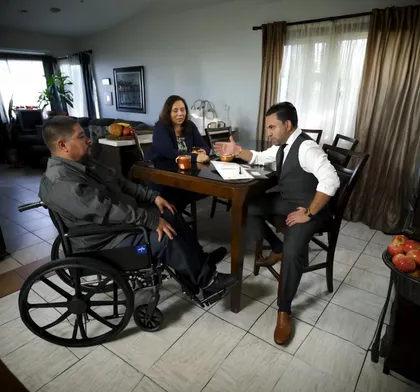
Personal injury lawyers understand that some people may worry about their immigration status and injury claims, especially if they weren’t at fault. Below are answers to common questions to help you understand your rights. For answers to questions specific to your situation, contact our team.
Will Filing A Personal Injury Claim Affect My Immigration Status?
Your immigration status does not affect your ability to file an injury claim. Civil courts do not share case information with immigration authorities, and your legal team is required to maintain confidentiality under attorney-client privilege, except in certain limited legal circumstances. In fact, California law makes it clear that undocumented immigrants can sue for personal injury the same way any other person can. Whether you’re undocumented, on a visa, or applying for citizenship, you have the right to pursue compensation after an injury in the United States.
If I Sue After A Car Crash, Will ICE Be Notified?
No, U.S. Immigration and Customs Enforcement (ICE) does not get automatically notified when someone files a lawsuit after a car accident. State courts handle civil lawsuits, including personal injury claims, which have no connection to federal immigration enforcement. ICE’s role is limited to immigration violations and certain criminal matters. Filing a personal injury lawsuit is a civil action, not a crime, and does not involve or alert immigration authorities.
Laws also allow immigrants, documented or not, to pursue damages just like everyone else. Courts typically do not inquire about immigration status, especially if it is irrelevant to the case. It may be helpful to consult a personal injury lawyer if you have specific concerns or questions.
Do I Need To Disclose My Immigration Status When Filing A Claim?
In personal injury cases, you generally do not have to disclose your immigration status. The court focuses on your injury and who was responsible, not your legal status.
Your immigration status may only become relevant if you’re claiming lost future wages, and the other side argues that your ability to work in the U.S. affects the amount. In those rare cases, your personal injury attorney can ask the court to limit how they use the information or keep it private.
Having proof of income, like pay stubs, timecards, or employer records, can help support your claim without requiring you to reveal your immigration status. Even undocumented workers often have valid records showing their earnings.
Generally, information you share with your personal injury attorney is confidential, and they cannot disclose your immigration status to anyone without your permission. Additionally, they can clarify the rights of undocumented immigrants following an injury.
Will Filing A Personal Injury Claim Affect My Citizenship Application?
In many cases, filing a personal injury lawsuit does not affect your ability to apply for U.S. citizenship. When you complete Form N-400, the application for U.S. citizenship, you do not have to share information about:
- Civil lawsuits, such as personal injury or debt claims.
- Bankruptcy or foreclosure.
- Other kinds of civil disputes.
These issues do not typically affect your “good moral character” assessment. You also don’t need to explain financial hardship or job loss in your naturalization application.
However, it is required to disclose:
- Criminal charges or convictions.
- Unpaid federal, state, or local taxes.
- Missed child support payments.
California law generally prevents lawyers, judges, and law enforcement from using your immigration status against you in court, except in rare legal circumstances. If you have concerns, your personal injury lawyer can explain these laws in more detail.
What Benefits Under Workers’ Compensation Are Not Available To Undocumented Workers?
Undocumented immigrants may be able to apply for workers’ compensation benefits if they suffer injuries on the job. However, some benefits, such as job retraining or vocational rehabilitation, may not be available without proof of legal work status.
These programs help injured workers return to work or train for a new job, but they often require documents showing permission to work in the U.S.
Even so, undocumented workers may still be able to seek:
- Medical treatment for work injuries.
- Temporary or permanent disability benefits.
- Reimbursement for medical-related travel expenses.
- Other basic workers’ compensation protections.
For example, there may be attempts to attribute your inability to work to your immigration status rather than your injury when evaluating permanent disability benefits. A workplace injury lawyer can address this by presenting medical records and professional opinions to help demonstrate that the injury is what prevents you from working.
How Long Do I Have To File A Personal Injury Claim If I’m An Immigrant?

The time limit to file a personal injury claim depends on the laws in your state. In California, you generally have two years from the date of the injury to file a claim. This deadline applies to everyone, including immigrants, regardless of legal status.
This time limit is called the statute of limitations. It exists so that claims can be filed while evidence is still available and reliable. If you miss the deadline, you may lose your ability to seek compensation.
Some exceptions that can extend or shorten the timeline:
- Delayed Discovery of Injuries — If you didn’t know right away that you were injured, the time limit may begin when you discovered (or should have discovered) the injury.
- The Injured Is a Minor — If the injured person is a minor, the two-year filing window doesn’t begin until they turn 18. In the meantime, a parent or legal guardian may be able to file a claim on behalf of the child, which can help cover medical expenses and support the child’s legal claims while the evidence is still fresh.
- Claims Against Government Agencies — If the claim is against a government entity, claims must be filed with the agency within six months. If they deny your claim, you have six more months to file a lawsuit.
If someone else’s negligence caused your injury, it’s important to act quickly. A personal injury attorney can explain how much time you have and whether any exceptions apply.
How Much Does It Cost To Hire A Personal Injury Attorney?
Most personal injury lawyers handle cases on a contingency fee basis, which means they only get paid if you receive compensation. If there’s no compensation, you typically don’t owe any attorney’s fees.
This setup provides injured individuals with access to legal help without requiring them to pay attorney’s fees upfront. Your attorney will explain how their fee works during your consultation.
Reach Out To A Personal Injury Attorney About Your Case
Understanding your legal rights after an injury is essential, no matter your immigration status. California law protects your ability to seek compensation and hold others accountable, regardless of your citizenship or residency.
If you suffer losses due to someone else’s negligence, you may be able to seek damages just like any other injured person. That includes compensation for medical bills, lost income, and pain and suffering.
Our personal injury lawyers at AK Law understand the unique concerns many immigrants face when deciding whether to file a claim. Our injury law firm values clear communication throughout the cases we handle. If you prefer to discuss your case in a language other than English, please notify our team when you reach out to us.
During your free initial consultation, our lawyers for personal injury cases will explain your legal options and answer your questions confidentially and with no obligation on your part to hire us. Call us at (888) 488-1391 to schedule your case review with one of our attorneys.