TL;DR: Sensor failures can cause self-driving car accidents, and liability often falls on the manufacturer or software developer when defective sensors or coding errors lead to injuries. Passengers, pedestrians, and other drivers face higher risk in low light or bad weather, and preserving vehicle data quickly is critical because crash evidence can be lost.
Highlights:
- Get medical care quickly and follow up on new symptoms.
- Call police and request the collision report number before leaving.
- Photograph vehicle sensors, damage points, skid marks, and road conditions.
- Collect operator, company, and insurer details for the autonomous vehicle.
- Ask the AV company to confirm DMV crash reporting within 10 days.
- Send a written request to preserve AV data logs and sensor readings.
- Calendar California’s personal injury filing deadline – 2 years from injury.
Tip: Save originals of photos, videos, and messages, and when describing the crash, stick to observable facts and avoid guessing about what the software “saw.”
Table of Contents
Driverless vehicles now share California roads with conventional cars. This brings up big questions about how safe and reliable they are. The sensors help these self-driving cars “see” their surroundings. While these systems are crucial to preventing accidents, they are not always reliable. When these sensors fail, self-driving car accidents can occur.
A recent analysis of 5,731 disengagement reports submitted to the California DMV between 2022 and 2023 reveals key limitations in autonomous vehicle technology. Disengagements occur when a self-driving vehicle stops operating on its own because of a technical failure or safety issue.
The data shows the reasons for disengagements and their percentages:
- 26% were caused by software or hardware failures.
- 35% were due to planning issues such as unwanted maneuvers or localization errors.
- 21% stemmed from perception problems.
- 12% involved environmental factors or interactions with other road users.
- 7% were caused by control system issues.
In many of these cases, safety drivers had to take manual control, demonstrating that human intervention remains crucial in preventing accidents.
Our team at Arash Law helps people injured in driverless car crashes understand their legal options and pursue appropriate compensation. Call (888) 488-1391 for a free initial consultation. We can explain your legal options without obligation, so you can make an informed decision about what’s right for you.
How Sensor Failures Lead To Accidents In Self-Driving Cars
Modern self-driving cars use three main types of sensors: cameras, LiDAR, and RADAR. These sensors work together to help the car see its surroundings, detect obstacles, follow traffic signals, track moving objects, and move safely through traffic. However, when one of these sensors fails, it can lead to dangerous accidents.
Below is an overview of how each sensor works and how it can fail:
Camera Sensors
Cameras help self-driving cars perceive their surroundings. They capture detailed images, allowing the vehicle to spot obstacles, people, traffic lights, and lane markings.
Most self-driving cars have several cameras placed around the vehicle. These include a mix of wide-angle and narrow-angle lenses to capture both close-up details and distant objects. Some systems also use bird’s-eye view cameras to help with parking. Self-driving cars may use different types of cameras.
Limitations and Risks:
- Cameras don’t measure depth. They rely on software to estimate distance, which can be unreliable.
- Poor lighting, glare, rain, or fog can distort images.
These issues may cause the vehicle to:
- Miss pedestrians or cyclists in low light or rain.
- Drift out of a lane when camera sensors can’t see markings.
- Misread traffic signals and fail to stop at intersections.
LiDAR Sensors
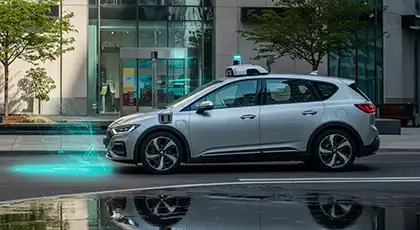
LiDAR uses laser pulses to scan the area around the car and build a 3D map. It helps the system detect the shape and distance of objects.
Limitations and Risks:
- LiDAR struggles with reflective or transparent surfaces like glass or water.
- Bad weather, like heavy rain, fog, or snow, reduces its accuracy.
These issues can cause:
- Missed road hazards such as potholes, debris, or uneven surfaces.
- Motor vehicle accidents like side swipes during tight turns may occur if LiDAR misjudges the distance.
- Failure to detect pedestrians due to distorted reflections.
RADAR Sensors
RADAR uses radio waves to detect an object’s speed, distance, and location. It performs better than cameras or LiDAR in poor weather conditions.
Self-driving cars use different types of RADAR for different tasks:
- Short-Range RADAR (SRR) — Assists with parking, blind spots, and lane-keeping.
- Medium-Range RADAR (MRR) — Detects nearby objects within 100–150 meters.
- Long-Range RADAR (LRR) — Supports cruise control and emergency braking.
Limitations and Risks:
- RADAR has lower image resolution than LiDAR or cameras.
- It can misjudge the shape or type of object, especially if something is partially blocked.
These issues can result in:
- Rear-end collisions occur if the system misreads distance or speed.
- Confusion in stop-and-go traffic.
- Delays in reaction to cross-traffic may cause the vehicle to pause or hesitate unexpectedly, increasing the risk of a crash.
Sensor failures don’t just affect vehicle performance. They put people at risk. Even one faulty reading can lead to a serious crash. If a self-driving vehicle caused your injuries, experienced car crash attorneys can assess whether negligence or a system failure played a role in the crash. Contact us today for a free initial consultation.
How Often Do Sensor Failures Occur?
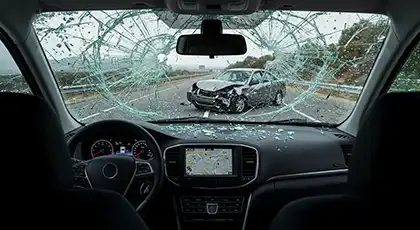
An analysis of 159,840 disengagement reports from 36 operators in California’s Autonomous Vehicle Tester Program, collected between September 2014 and November 2018, revealed that 25.7% were due to software and hardware issues. These technical failures often forced drivers to take control to avoid accidents.
Research published in Nature Communications found that autonomous vehicles are 0.335 times less likely to crash in rainy weather than human-driven cars. This means AVs still get into fewer rain accidents, even though bad weather can affect their sensors. Despite some sensor limitations, the study suggests that AVs may still contribute to making driving safer overall.
The same study found that AV crashes are 5.25 times more likely to occur at dawn or dusk compared to those involving human-driven cars. Low light during these times can make it harder for AVs to spot people, cars, or obstacles. Shadows and reflections can confuse their sensors and cameras. This can cause the system to send wrong alerts or miss things entirely.
Many factors can cause sensor failures, but there is insufficient data for a comprehensive analysis. Current information shows sensors improve safety, but don’t eliminate all concerns about driverless cars.
If you are involved in an accident with an autonomous vehicle or a traditional vehicle, consulting vehicle accident lawyers can help you understand your legal options. They can review the circumstances of the crash, assess potential liability, and guide you through the claims process.
Real-World Accidents Linked To Sensor Issues In Autonomous Vehicles
In 2018, a tragic incident occurred in Tempe, Arizona, when an Uber autonomous vehicle struck and killed a 49-year-old woman. The vehicle’s automated systems failed to identify Herzberg as a potential collision hazard. During the accident, distractions prevented the driver and passenger from intervening.
In another high-profile case, a 2018 Tesla Model 3 collided with a semi-truck on US 441 in Florida. The Tesla driver was using two “Enhanced Autopilot” features during the accident: “Traffic Aware Cruise Control” (TACC) and “Autosteer.” The crash investigation revealed that the car did not apply the brakes. In the final seconds leading to the collision, the vehicle did not register any inputs from the driver. Despite the active Autopilot functions, the car failed to detect the stop sign or take any corrective action, causing a fatal outcome.
These tragic cases highlight the risks associated with sensor failures in self-driving cars. Manufacturers often blame driver inattention, but the real issue is that the sensors failed to detect people on the road.
For those affected, these are not just technical problems. They are life-changing or deadly failures. Under product liability laws, manufacturers may be held responsible when their products fail to work as promised.
If you suffered harm in an incident involving a self-driving car, you may be entitled to pursue compensation under California law. Fill out our “Do I Have A Case?” form here for a free case review. One of our personal injury lawyers can help determine whether a system error, human oversight, or both contributed to your crash.
Factors Affecting Sensor Reliability
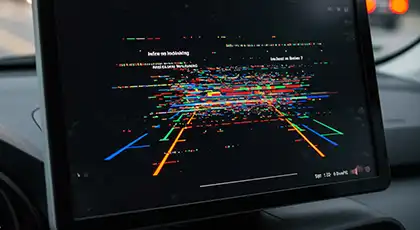
Driverless cars rely on sensors to understand their surroundings. These sensors continuously track nearby vehicles, pedestrians, road signs, and lane markings to help the car navigate safely.
However, if a sensor malfunctions or provides incorrect information, the car may not react properly. This can cause it to drift out of a lane or miss an obstacle. Many things can lead to sensor failure or poor performance:
Weather Conditions
Heavy rain, snow, or fog can make it harder for sensors to detect objects. Sudden changes in light can also blur images and video. In bad weather, it may be hard to see the edges of objects, making detection more difficult. Even with better technology, the weather is still a challenge for sensors.
Physical Damage
Road debris, fender benders, or normal wear and tear can damage sensors. When this happens, they might stop working or give incorrect readings.
Problems like bad wiring, rusted parts, or loose connections can also disrupt how sensors send data to the car’s systems. Dirt and engine buildup can make things worse by reducing sensor accuracy over time.
Software Glitches
Software helps sensors send information to the car. The vehicle might not read sensor data correctly if there’s a bug or error. This can lead to:
- Lane-keeping errors and missed obstacles.
- Cruise control or autopilot delays.
- Malfunctions in front-collision warning systems.
- Inconsistencies in brake or steering mechanisms.
Software updates can fix many of these problems, but if left unresolved, they can still cause unexpected issues. If a defective sensor or other vehicle component from Walmart contributed to a crash, a Walmart product liability lawyer can explain how the law applies and guide you in pursuing a claim.
Self-driving cars have many benefits, but they still face safety challenges. Fixing these issues is key to making the technology safer and more reliable. When accidents occur, car accident claims lawyers can assess whether sensor failures or other factors contributed to the crash and explain legal remedies.
The Future Of Autonomous Vehicle Sensor Reliability
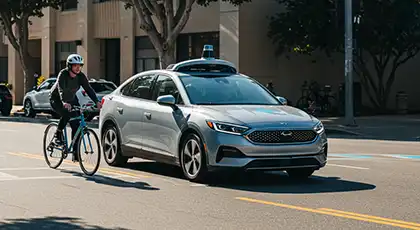
As companies continue to improve technology, the future of self-driving car sensors appears brighter. New software, better tools, and more real-world testing are helping to make these systems safer and more reliable. In the future, we may see better “sensor fusion,” where data from different sensors is combined for a clearer view of the road.
In April 2025, the National Highway Traffic Safety Administration (NHTSA) created a new plan for self-driving cars:
- Keep roads safe by making sure self-driving cars operate safely.
- Support new technology by updating old rules that may slow progress.
- Help make self-driving vehicles more accessible to improve travel for everyone.
While these changes are still in progress, safety is everyone’s job. Whether you’re in a self-driving car or driving near one, it’s important to stay alert and careful.
Frequently Asked Questions About Driverless Vehicles
You’ll find answers here to some of the common questions about driverless vehicle risks. If you’d like to discuss your case, call (888) 488-1391 for a free initial consultation.
What Is The Biggest Problem With Self-Driving Cars?
The biggest challenge is making sure self-driving cars are safe for everyone. These cars rely on sensors and software, but the technology isn’t perfect. Bad weather, road conditions, and unexpected actions by people can still cause accidents.
Self-driving cars must adapt to changing situations, just like human drivers. However, doing this reliably is still a work in progress. As the technology improves, laws and safety rules are still catching up. That makes it difficult to fully protect the public at this time.
If you are involved in a crash with an autonomous vehicle, consulting a collision lawyer can help you understand how the law may apply, assess the contributing factors, and explore potential legal options.
Who Is Liable If A Driverless Car Causes An Accident Due To Sensor Failure?
Determining who is at fault in a crash involving a self-driving car is more complex than in traditional car accidents. Several parties may play a role in causing the crash, not just the driver. Depending on what caused the crash, these parties could be responsible:
- Vehicle Operator — If someone is in the driver’s seat and is supposed to take over, they may be partly at fault if they didn’t act when needed.
- Vehicle Manufacturer — If the car’s sensors, software, or system failed, the company that made the vehicle might be held responsible.
- Software Developer — If a problem in the car’s programming contributed to the crash, the person or company that created the software could also be at fault.
- Third Parties — Sometimes, other drivers or outside problems, such as cyberattacks, may also play a role.
Our legal team works with experts in car technology and accident reconstruction to figure out what went wrong and who may be legally responsible. If you suffered injuries in an autonomous vehicle accident, our personal injury attorneys can review the details to help identify possible sources of liability.
What Rights Do I Have If I’m Injured In An Autonomous Vehicle In California?
California has strict rules for testing and using self-driving cars. Under state law, companies that operate these vehicles must:
- Maintain specific insurance coverage ($5 million minimum).
- Report all accidents involving autonomous vehicles within 10 days.
- Submit annual disengagement reports documenting technology failures.
- Retain data from any collision for at least 3 years.
These rules help protect people who are injured in self-driving car crashes. The reports and data can show when a sensor failed and why the crash happened. This information can help support a legal claim.
If you were hurt in a crash involving a self-driving car, you may be able to take legal action against not just the operator but also the company that made or programmed the vehicle. Car accident lawyers can carefully review the circumstances of the collision and assist you in pursuing compensation for your losses.
What Compensation Can I Seek From A Self-Driving Accident?
People injured in self-driving car accidents in California may qualify for different types of compensation under state law, including:
- Medical Expenses — Coverage for emergency care, hospital stays, medications, surgeries, and ongoing treatment.
- Lost Income and Earning Capacity — Compensation for wages missed while you’re unable to work, and possibly for reduced earning ability in the future.
- Pain and Suffering — Compensation for physical pain and emotional distress caused by the accident.
- Property Damage — Reimbursement for damage to your vehicle and other personal property.
In some cases, California law may allow additional damages if a company knowingly releases unsafe technology.
Our car accident lawyers work with autonomous vehicle experts to help identify how sensor errors may have contributed to the crash. We offer a free initial consultation to evaluate your situation and provide guidance to help you move forward with your case.
What Should I Do After An Accident With A Driverless Vehicle?
If you suffered injuries in a traffic collision with a driverless car, you can still take important steps to protect your legal rights. As you recover, make sure you gather key documents such as medical records, the police report, and any information related to the vehicle. Crashes involving autonomous vehicles often require a closer look at data and technology, so preserving this information early can help support your case.
The following steps can help strengthen your claim:
- Get Proper Medical Care — Seek medical attention right away, even for minor injuries, as some symptoms may appear later. Medical records are important for both your recovery and your personal injury claim.
- Report the Incident — If no one has reported the accident, notify the appropriate authorities. Request a copy of the police report, which will help clarify who may have been at fault and why.
- Document the Scene — If possible, use your phone to take photos of the accident scene, including vehicle damage, dangerous road conditions, and nearby signs. These photos provide valuable context.
- Preserve Digital Records — Autonomous vehicles store key data about their operation. Save the vehicle’s data logs immediately, including speed, trajectory, system status, and sensor readings. This data can help establish fault. The sooner you request it, the better the chances of preserving it.
- Keep Detailed Records — Stay on top of all medical treatments, car repairs, and other expenses related to the accident. You will need this detailed documentation for any compensation claims you file.
- Consult a Personal Injury Attorney — Regulations around autonomous vehicles can be complicated, especially with multiple parties involved. An experienced personal injury attorney understands the legal and technical aspects of self-driving car accidents and can help pursue compensation based on the facts of your case.
How Long Can I File A Claim After A Driverless Car Accident?

The deadline for filing a claim varies based on the type of claim. For insurance claims, deadlines depend on the specific policies of the insurance company, so it’s best to notify them as soon as possible to avoid complications.
For personal injury lawsuits, the statute of limitations governs this legal time limit. This deadline may vary by state. In California, for example, victims generally have two years from the date of the injury to file a claim. Certain circumstances, such as delayed discovery of injuries or the age of the victim, may adjust this deadline.
If you’re unsure about the legal deadline for your case, you can call (888) 488-1391 to schedule a consultation. A member of our legal team will review your situation and explain what time limits may apply.
How Can A Personal Injury Lawyer Help After A Driverless Car Accident?
If you’re thinking, “Do I need a personal injury lawyer after a driverless car crash?” the answer might be yes, depending on your specific circumstances. A lawyer can help gather evidence, work with experts to understand what caused the crash, and evaluate how your injuries may affect you over time. They can also handle communication with insurance companies and, if needed, prepare your case for court.
Speak To Our Experienced Car Accident Attorneys
Sensor failures in autonomous vehicles can lead to serious injuries, high medical bills, lost income, and a long recovery process. Handling a legal claim involving self-driving technology often requires experience with both personal injury law and vehicle automation systems.
Our personal injury lawyers help people injured in self-driving vehicle accidents understand their rights and legal options. If a sensor failure or AI system error played a role in your crash, our personal injury attorneys can investigate what happened and identify all potentially responsible parties.
At Arash Law, we represent clients in autonomous vehicle accident cases on a contingency fee basis, meaning you won’t pay any attorney’s fees upfront unless we secure compensation for you. Your attorney will review all potential costs in detail during your consultation, so you have a clear understanding of what to expect. To learn more, call (888) 488-1391 for a free and confidential initial consultation.