TL;DR: Yes, parents can pursue claims if a Christmas gift injures their child due to a defect, such as faulty design, manufacturing errors, or missing warnings, especially during normal use. Product liability laws in California allow families to seek compensation from manufacturers, sellers, or importers for unsafe holiday toys.
Highlights:
- Get your child checked by a doctor, even for hidden injuries.
- Save the toy, packaging, instructions, tags, and any broken pieces.
- Photograph injuries, the toy, and the scene; write a dated timeline.
- Keep receipts, order confirmations, and any product registration records.
- Check the CPSC recall database and the manufacturer’s site for notices.
- Report the defect to the seller, manufacturer, and the CPSC.
- Calendar 2 years for parents’ losses; minors’ time pauses until 18.
Tip: Store the toy unaltered in a sealed bag or box and, if contacted by an insurer, stick to observed facts and avoid guessing.
Table of Contents
Parents can pursue a claim if a defective Christmas gift causes injury to their child. California product liability laws allow you to take action when a defect existed before the product reached your home and the injury happened during normal or expected use. Depending on the case, the manufacturer, retailer, importer, or other parties in the supply chain may be responsible.
To support your claim, you can:
- Seek medical care to identify visible or hidden injuries.
- Keep the toy and packaging to preserve evidence.
- Document the injury and incident details with photos and notes.
- Check for recalls or known product hazards.
- Report the defect to the seller, manufacturer, and the CPSC.
- Consider legal options through a product liability claim.
Legal professionals can be particularly beneficial in situations involving defective toys or unsafe holiday products. If you have questions, you can call our product liability lawyers at (888) 488-1391 for guidance.
Understanding Your Rights When A Holiday Gift Hurts A Child
California law offers significant protections for families when a toy or gift causes injury to a child. These rules help you understand when a claim may exist, who may be responsible, and what types of losses you may seek compensation for.
- When Parents May Have A Claim
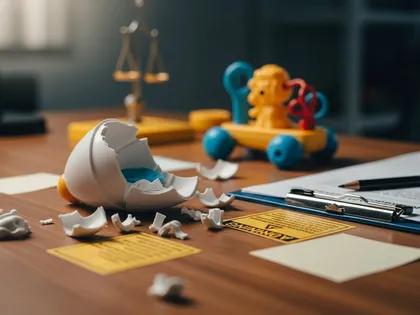
Parents may have a viable product liability claim when:
- The toy or gift was defective in its design, manufacturing, or warnings.
- The child used the product as intended or in a way that was reasonably foreseeable for a child of that age.
- The defect caused or significantly contributed to the injury.
- The injury led to medical treatment, pain, or other measurable harm.
The defect must have existed before the product reached your home, not because of later damage or unusual alterations.
- Parties That Parents Can File A Claim Against
Depending on how the product became unsafe, parents may seek accountability from:
- Manufacturers who designed or produced the toy.
- Retailers that sold the product. If the retailer were a major store like Walmart, our Walmart product liability lawyers can explain how these claims work and who may be responsible.
- Distributors or wholesalers that handled storage and shipping.
- Importers who brought the product into the United States.
- Third-party sellers who market unsafe or counterfeit toys.
More than one party may share responsibility if multiple companies contributed to the introduction of a dangerous product into the marketplace.
- What Parents May Seek Compensation For
A product liability claim involving a child may allow recovery for:
- Emergency care, hospital stays, and follow-up medical treatment.
- Long-term care needs, chiropractic, or rehabilitation.
- Pain & suffering and emotional distress.
- Future medical needs or reduced earning capacity in severe cases.
- Out-of-pocket costs and other financial losses related to caring for an injured child.
An injury lawyer can evaluate how the injury affects the child’s daily life and the family’s finances before suggesting a strategy.
Why Christmas Gift Injuries Happen
More than 154,700 children sustained an injury due to toy-related injuries in 2023, according to the U.S. Consumer Product Safety Commission. This data illustrates the prevalence of toy-related injuries during the holidays.
Common reasons Christmas gift injuries occur:
| Cause | How It Can Harm Your Child |
|---|---|
| Choking hazards | Small parts or broken pieces can block a child’s airway, especially when young children put toys in their mouths. |
| Sharp edges or breakable parts | Weak materials or poor design can create sharp pieces that cause cuts or eye injuries. |
| Electrical or battery problems | Overheating toys, leaking batteries, or loose wiring can cause burns or fires. Button batteries can cause serious internal injuries if swallowed. |
| Toxic materials | Lead paint, phthalates, or other chemicals can harm children when they handle or chew on the toy. |
| Missing or unclear instructions | Poor instructions or no warnings can lead to unsafe use and preventable injuries. |
Some parents search for terms like “free accident lawyer advice” when a defective product injures their child. Many California injury attorneys offer free case evaluations to review the situation and explain possible paths forward.
California Product Liability Basics For Dangerous Holiday Gifts
California product liability law provides the framework for claims involving defective gifts and other consumer products. These cases may arise from strict liability, negligence, or breach of warranty.
Strict Liability
Strict liability applies when a defective toy injures a child, even if the manufacturer or seller did not act negligently. Under California law, parents may hold manufacturers, distributors, and retailers liable if the defect existed before the sale of the toy to consumers.
- What Parents Usually Need to Show:
- The toy had a defect in its design, manufacturing, or warnings.
- The child used the toy in a standard or reasonably expected way.
- The defect directly caused the injury.
- Types of Strict Liability Defects:
- Design Defect — The toy’s design poses a safety risk, such as parts that could cause choking hazards.
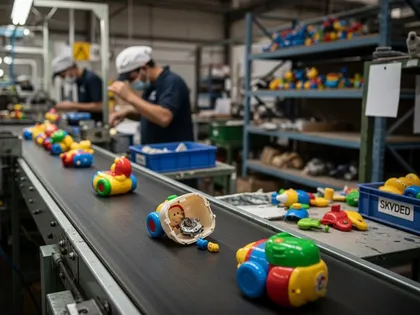
- Manufacturing Defect — The toy is unsafe due to a production error, such as the use of weak materials that break during everyday use.
- Failure-to-Warn Defect — The toy lacks proper instructions or age warnings to alert parents to known risks.
Expert analysis, CPSC data, and prior complaints or recalls may also help support a strict liability claim.
Negligence
Negligence applies when a company fails to use reasonable care in designing, testing, manufacturing, or inspecting a toy. State law requires proof that the company knew or should have been aware of a hazard and failed to take reasonable steps to address it. Examples include:
- Negligent design choices.
- Inadequate safety testing.
- Poor inspection or quality control before the product is sold.
Breach Of Warranty
These claims involve promises or expectations regarding a product’s safety or performance. The state recognizes both express and implied warranties in product cases. Types of warranties:
- Express Warranty — A specific safety claim or performance guarantee made by the seller.
- Implied Warranty — A legal assurance that the toy is generally safe for normal, expected use and is fit for its intended purpose.
Product liability cases can be complex. Consider consulting a legal professional for guidance. Skilled injury lawyers can review the gift and identify potential defects. They will then explain the legal options available under California law.
How A Child’s Age And Toy Use Can Affect Liability
Many parents wonder what happens if their child uses a toy “incorrectly.” Companies sometimes claim the toy was misused or altered after purchase. However, young children often chew, pull, or put objects in their mouths. This behavior is typical and usually foreseeable, so a claim may still be possible.
A child’s age is also a significant factor. Younger children cannot follow warnings. Supervision may be considered, but the main question is whether the toy was too dangerous for the intended age group. A personal injury attorney can help in these situations by reviewing the toy’s usage and explaining whether misuse could affect your claim.
Special Considerations For Secondhand Gifts
If your child sustains an injury from a used gift, the case can be more complicated. You may still have a claim if the defect existed before you purchased the toy. In many cases, the original manufacturer may remain responsible.
Factors to consider:
- Chain of Distribution — The manufacturer may be liable if the defect existed when the toy left their control. The same rule applies even if you bought the toy from a thrift store, garage sale, or resale site.
- Recall Status — The manufacturer may argue that they knew the danger if they recalled the toy. This argument is weaker if the recall was not widely publicized or easy to find.
- Condition of the Product — You must show that the defect existed before the injury occurred. Used toys may show wear. You may need expert help, product records, or recall notices to determine the source of the defect.
- Liability of the Seller — The type of seller affects responsibility:
- Thrift stores often sell items “as is” unless they ignore obvious hazards or recalls.
- Private sellers are usually not liable unless they concealed a known danger.
- Online marketplaces may or may not be liable. It depends on whether the brand or a third-party seller shipped the item.
What Parents Should Do After A Defective Gift Injures A Child
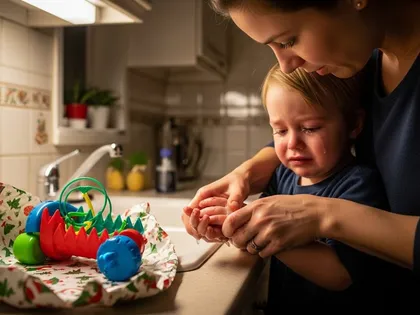
Every situation is different, but the following steps can help protect your child’s well-being and support any claim you may pursue later:
- Seek Medical Attention — Have your child evaluated by a healthcare provider as soon as possible. Internal damage from swallowing a small object, burns from batteries, and other specific bodily injuries may not be immediately apparent.
- Keep the Toy and All Packaging — Save the toy, box, instructions, tags, marketing materials, and any extra parts. These items can indicate how the toy designers intended users to use them, their recommended age, and any potential defects.
- Document What Happened — Take photos of the toy, your child’s injuries, and the area where the incident occurred. Note the date, time, and what your child or any witnesses said. Also, keep medical records, bills, and any instructions from healthcare providers.
- Check for Recalls or Prior Complaints — Look up the toy on:
- The Consumer Product Safety Commission recall database.
- The manufacturer’s website.
- Product registration or safety alert pages, if available.
- Report the Issue — Report the defect to the online seller, the manufacturer, and the Consumer Product Safety Commission (CPSC).
- Consult a Personal Injury Lawyer — A product liability injury lawyer can:
- Review the gift.
- Examine the available evidence.
- Identify any defects or responsible parties.
They can also explain how California’s product liability rules and deadlines apply to your child’s situation.
If you’ve been thinking, “I need a personal injury lawyer,” speaking with one early can help you understand the next steps while you focus on your child’s recovery.
Common Questions About Christmas Gift-Related Injuries
Parents often have concerns when a toy or holiday gift causes harm to their child. Understanding the basics can help them determine the next steps to take. Below are some questions families commonly ask in these situations.
If you have additional legal concerns, you can visit our frequently asked questions page or contact Arash Law for further information.
Can I Sue The Giver Of The Gift?
Yes, but only in limited situations. You may have a claim against the giver if they knew the gift was defective or dangerous and failed to warn you. If they did not know about the hazard, liability usually falls on the manufacturer, retailer, or others involved in the product’s distribution, rather than the person who gave the gift.
Can I Still Pursue A Claim If The Toy Was Recalled?
Yes. A recall does not automatically protect the manufacturer or other parties from liability. If a defective Christmas gift injured your child before or after the recall, a claim may still be valid under California law, as long as you can show the following:
- The toy had a defect.
- The defect existed when it left the manufacturer’s control.
- The defect caused the injury during normal or foreseeable use.
How Can I Determine If A Product Has Been Recalled?
You can check whether a toy or Christmas gift has been recalled by:
- Visiting the Consumer Product Safety Commission website and searching its recall database.
- Register the product with the manufacturer if they offer a registration program.
- Checking the manufacturer’s website for recall notices.
- Watching local and national news reports for major recalls.
How Long Do Parents Have To File A Product Liability Lawsuit Involving A Child?
In California, the statute of limitations for filing a lawsuit is two years. However, some exceptions may apply. In cases where the plaintiff is an injured minor, such as traffic accidents involving children or product liability claims resulting from defective toys, this deadline is paused until the child turns 18. Once they reach adulthood, the two-year statute of limitations begins to run. Parents or legal guardians may still file a claim on the child’s behalf at any time before the child turns 18, especially when the injury results in medical bills or other immediate losses.
Parents can also file a claim for their financial losses, such as medical bills. This situation follows a shorter statute of limitations that begins from the date of the injury. Specific claims, such as those involving a government agency, have special time limits that can be significantly shorter.
Filing earlier helps preserve evidence and provides families with a more straightforward path to address their losses. A good injury lawyer can review your situation and explain which timeline applies to your case.
Can Parents Pursue Claims If A Christmas Gift Injures Their Child?
Yes. California product liability law enables families to seek justice if a toy or gift proves to be unsafe, especially if the item leads to injury during typical or expected use.
Parents may be able to:
- File a product liability claim based on a design defect, manufacturing defect, or failure to warn.
- Name multiple parties in the claim, such as manufacturers, retailers, distributors, importers, or third-party sellers.
- Seek compensation for medical treatment, pain and suffering, and related financial losses.
However, not all injuries caused by Christmas gifts fall under the category of product liability. For instance, your child might get hit by a car while using their new scooter or bike. In this case, our pedestrian accident lawyers could explore whether you can file a claim against the driver due to negligence.
How Are Settlements Handled When The Injured Person Is A Child?
Settlements for minors in California often require court approval. The court reviews the settlement to ensure it is fair and protects the child’s future needs. After approval, they place the funds in a blocked account, trust, or structured settlement. These funds stay safe until the child turns 18. The court can allow access earlier for purposes such as medical care.
Need Help Filing A Product Liability Claim? Reach Out To Our Lawyers
Parents want their children to enjoy the holidays safely, but injuries can occur when a Christmas gift has an unexpected defect. If a toy or another holiday product injured your child, you can consider whether a product liability claim applies to your situation. Consulting a legal professional can help you understand your options.
Injury lawyers at the AK Law Firm handle cases involving unsafe products and serious accidents. It includes claims involving defective toys, household items, and even vehicle-related injuries, such as defective tire injury claims for families hurt by dangerous or recalled vehicle parts. In these cases, our car accident lawyers can review safety problems and potential defects. These cases often require careful evaluation to determine how the product failed and who may be responsible.
Some parents also ask, “Do lawyers only get paid if they win?” Many personal injury attorneys work on a contingency fee basis, which means you pay legal fees only if there is a recovery. Case-related costs may still apply even if the result is not in your favor. One of our accident lawyers can explain the fee structure before you proceed.
If you have questions about your child’s injury, you can call our personal injury lawyers at (888) 488-1391. You can also complete our “Do I Have A Case?” form to learn more about your options. We offer free initial consultations.