TL;DR: Indoor accidents can involve slips, trips, falls, fires, and poisoning, often caused by hazards like uneven surfaces, clutter, or faulty appliances. To mitigate these risks, it’s essential to implement safety measures, such as installing smoke detectors, keeping pathways clear, and securing hazardous substances.
Highlights:
- Improve stairway lighting by replacing dim bulbs and adding night lights.
- Secure rugs with non-skid pads and use nonslip mats in bathrooms.
- Add grab bars and handrails, and check stairs for loose carpeting.
- Anchor TVs and tall furniture to walls with anti-tip brackets.
- Replace frayed cords, avoid overloaded outlets, and use licensed electricians for repairs.
- Install CO detectors on every level, test monthly, and service gas appliances.
- Lock up medicines and chemicals in labeled containers; save Poison Control number.
Tip: After an indoor injury, photograph the hazard, keep the item involved unchanged, and report the issue in writing.
Table of Contents
What are the most common indoor accident dangers? Many household accidents occur due to preventable risks, including falls, fires, poisoning, electrical shocks, choking, and hidden hazards. These dangers often result from cluttered walkways, unsafe wiring, slippery floors, or improperly stored chemicals.
To prevent accidents at home, improve lighting, secure cords and rugs, install smoke and carbon monoxide detectors, and store sharp or toxic items out of reach. If someone else’s negligence or a defective product contributed to the hazard, legal options may be available under California law.
In California, individuals injured due to unsafe conditions in rental homes, someone else’s property, or from defective products may be able to file legal claims involving:
- Negligent landlords or property owners.
- Unsafe repairs by contractors or service providers.
- Dangerous or faulty appliances.
- Construction or design defects.
Our injury attorneys evaluate each case and help injured clients understand their legal options under California law.
Types Of Accident Risks Found Indoors
Most accidents at home happen because of preventable conditions or human error. While not every risk can be eliminated, being aware of and prepared for them helps lower the chance of serious injuries.
According to the National Safety Council:
- In 2023, 62 million Americans sought medical care for nonfatal injuries. That’s about 1 in 5 people.
- That same year, there were 222,698 preventable deaths nationwide.
- Compared to 2022, preventable deaths dropped slightly by 1.9%.
- However, long-term trends show a sharp rise. In 1992, there were 86,777 preventable deaths. By 2023, that number had grown by 154% over 31 years.
Even with small year-to-year changes, the overall number of preventable deaths remains much higher than it was three decades ago. Outside the home, demanding schedules and 80-thousand-pound loads explain why truck driving is a dangerous job, showing that serious risks extend well beyond household walls.
Take a look at the following indoor risks that cause injuries and fatalities:
Slips, Trips, And Falls
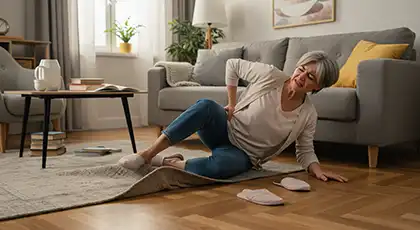
Falls are one of the most common causes of indoor injuries for both children and adults, but they are especially dangerous for adults after age 65. According to the CDC, more than 1 in 4 older adults fall each year, but less than half seek medical care. Even minor slip-and-fall accidents can lead to:
- Hip fractures
- Head trauma
- Traumatic brain injuries
Common safety hazards include:
- Unsecured rugs or slippery floors.
- Poor lighting in stairways and hallways.
- Missing or unstable handrails and grab bars.
- Cluttered walkways or blocked paths.
- Footwear without proper grip or support.
- Wet floors, loose steps, or scattered objects.
- Health conditions such as poor vision, muscle weakness, or side effects from medication.
- Unsecured windows or furniture near ledges, which may lead to falls from a height.
In one tragic case, a 15-month-old toddler died after falling from a second-story window in a La Mesa military housing complex. The incident highlights how unsecured windows and a lack of childproofing can lead to devastating falls, especially in multi-story homes.
Even small falls can cause catastrophic injuries for anyone, but the risks grow as we age. Older adults may face more serious complications, such as fractures or head injuries, after a fall. Taking the following simple steps can help reduce these risks and support long-term independence:
- Replace dim bulbs with brighter ones in hallways and stairs.
- Install nonslip mats in bathrooms.
- Keep walkways clear.
- Add handrails and grab bars.
- Wear supportive footwear.
- Stay active with balance exercises.
- Get regular vision checkups.
- Install window guards or stops to prevent falls from upper stories.
When falls occur at home due to unsafe property conditions, liability may arise only if someone other than the injured person was responsible for creating or failing to correct the hazard. This can occur in situations such as living in a rented home with poor maintenance, relying on a landlord or property manager to make repairs, or hiring contractors whose work creates dangerous conditions.
Premises liability lawyers can assess whether hazards, such as negligent repairs, inadequate safety measures, or a lack of proper childproofing, contributed to the incident by a responsible party. They can also explain how the law may apply to your situation and what options are available to you.
Fire Hazards

The National Fire Protection Association (NFPA) reports that fire departments responded to a fire every 23 seconds in 2023. Many home fires begin due to:
- Leaving candles unattended.
- Cooking without supervision.
- Placing heaters too close to flammable items, such as curtains or furniture.
- Overloading electrical outlets.
Kitchen fires are especially common, with deep frying being a leading cause of severe fire-related injuries.
You can prevent fire injuries by:
- Monitoring cooking and candle use.
- Turning pot handles inward.
- Installing and testing smoke alarms.
- Keeping heaters clear of curtains or furniture.
- Creating and practicing a fire escape plan.
Taking a few precautions can make a big difference in protecting your home and loved ones from fire-related accidents.
To prevent burn injuries and scalds:
- Turn pot handles toward the back of the stove.
- Keep hot liquids away from the edges of counters or tables.
- Wear fitted clothing while cooking to prevent fabric from catching fire.
- Use oven mitts that fully cover your hands and wrists to protect them from heat.
- Unplug heated appliances after use.
- Check bathwater temperature before getting in, especially for children and older adults.
- Keep kids and pets out of the kitchen while cooking.
Even small burn injuries can be painful and may take time to heal. Taking these small steps helps create a safer home for everyone.
Electrical Hazards

Electricity helps power your home. However, it can also be dangerous when used or maintained recklessly. Faulty wiring, damaged cords, or unsafe practices can lead to electrocution accidents.
Here are common electrical risks to watch out for:
- Frayed or damaged cords.
- Overloaded outlets or power strips.
- DIY electrical work that isn’t up to code.
- Using appliances near water.
- Wet hands when handling plugs or switches
- Ignoring the manufacturer’s safety instructions.
How to prevent electrical accidents:
- Replace worn or frayed cords immediately.
- Avoid plugging too many devices into one outlet.
- Hire licensed professionals for electrical repairs and upgrades.
- Keep electrical devices away from sinks, tubs, and wet surfaces.
- Dry your hands before touching outlets or switches.
- Always follow the manufacturer’s safety guidelines when using appliances.
Being careful with electricity helps prevent fires, shocks, and other serious injuries.
Poisoning

In 2023, poisoning caused over 100,000 deaths in the United States. Men were nearly three times more likely to die from poisoning than women. While the numbers dropped slightly from the year before, poisoning deaths have increased sharply over the past 26 years.
Many everyday items can be harmful if used incorrectly or left within reach of children.
Here are some common poisoning risks at home:
- Cleaning products
- Prescription and over-the-counter medications
- Pesticides and insect killers
- Batteries
- Bleach and other disinfectants
- Paint and solvents
- Cosmetic soaps
- Detergent pods
Example Case:
In late August 2022, two residents at Atria Park in San Mateo died after being served dishwashing liquid from an unmarked pitcher. Days earlier, a 94-year-old man at Atria Walnut Creek died after accidentally drinking cleaning solution. Both incidents led to state investigations and lawsuits over alleged negligence and staff training failures.
How to prevent poisoning:
- Store chemicals, medicines, and hazardous items in locked cabinets.
- Keep products in their original, labeled containers to avoid confusion.
- Properly dispose of expired or unused medications and chemicals.
- Post the poison control number where it’s easy to find and save it in your phone.
- Teach children never to touch or taste unknown household items.
Taking simple precautions helps protect everyone in your home from accidental poisoning.
Carbon Monoxide Poisoning
Carbon monoxide (CO) is a deadly gas that can accumulate inside homes without warning. It has no color, smell, or taste, making it very hard to detect without proper equipment. Every year, carbon monoxide poisoning leads to over 400 deaths and sends thousands more to emergency rooms in the U.S.
Early symptoms include:
- Headaches
- Dizziness
- Nausea
- Fatigue
These signs often seem minor at first, which is why many people don’t realize they’re in danger until serious harm has already occurred.
These tips can help you protect your family:
- Install carbon monoxide detectors on every level of your home.
- Test detectors monthly and replace batteries as needed.
- Have gas appliances, furnaces, and heating systems inspected regularly.
- Never run generators, grills, or gas-powered tools inside the house or garage.
- Keep chimneys and vents clear so harmful gases can escape safely.
Motorcyclists in particular should avoid warming up or idling their bikes inside a closed garage — one of the unique dangers of motorcycle riding is that exhaust can silently flood the space with carbon monoxide long before you hit the road. Simple prevention steps and working detectors are the best way to protect your family from carbon monoxide exposure.
Choking And Strangulation Hazards

Choking and strangulation can happen quickly and quietly at home. Small children are especially at risk because of their smaller airways and natural curiosity. However, these accidents can happen to anyone.
Common choking hazards:
- Small toy parts
- Hard or round foods
- Coins
- Paper clips and pen caps
- Buttons
- Rubber bands
- Jewelry
- Plastic bags
Common strangulation hazards:
- Window blind cords
- Loose bedding and pillows
- Clothing drawstrings
- Long necklaces
- Extension cords
- Cords from electronics
- Defective cribs or cribs with unsafe gaps or loose parts
Between 1990 and 2015, there were over 16,800 window blind-related injuries among U.S. children under 6. Most injuries involved cords, and over 80% of entanglements affected the neck.
How to prevent choking and strangulation:
- Cut food into small pieces.
- Keep small objects and loose cords out of children’s reach.
- Secure or remove window blind cords.
- Choose toys appropriate for a child’s age.
- Follow safe sleep guidelines for babies, keeping cribs clear of soft items.
- Learn basic first aid, including choking rescue techniques like the Heimlich maneuver.
A few simple precautions can make your home much safer and help prevent these silent dangers.
Sharp Objects And Tools

Sharp tools are useful for cooking, cleaning, and fixing things around the house. However, when they’re left out or stored the wrong way, they can lead to serious injuries. Knives, peelers, razors, scissors, and broken glass can cause deep cuts or lacerations.
You can reduce the risk by making small changes, like:
- Store knives in locked drawers or knife blocks to prevent accidents.
- Keep peelers, graters, and scissors in closed cabinets to prevent accidents.
- Place razors and sharp personal items on high shelves.
- Store gardening tools securely and return them to their designated storage after use.
- Safely dispose of broken glass or sharp trash using heavy-duty bags or containers.
A few simple storage habits can prevent painful and sometimes serious injuries caused by sharp household items.
Drowning
Drowning is one of the most tragic accidents that can happen at home. While it’s less common than other household injuries, it’s far more likely to be fatal.
According to the CDC:
- Drowning is the leading cause of death for children aged 1 to 4.
- Most of these tragedies happen in residential swimming pools.
- Even a few inches of water in bathtubs can be deadly for infants.
You can prevent drowning by staying alert and limiting access to water.
Here are some other tips to keep in mind:
- Never leave children unattended in the bath, even for a moment.
- Keep toilet lids closed.
- Empty buckets, tubs, or other containers after use.
- Install self-latching gates and fences around pools.
- Use pool alarms or motion detectors to alert you if someone enters the water.
- Keep rescue gear, such as life rings or reaching poles, nearby.
- Teach kids water safety skills as early as possible.
Despite safety measures, drowning accidents can still occur, especially when property owners fail to maintain secure conditions around pools or other water hazards. In such cases, premises liability lawyers can review the circumstances and explain the available legal options.
Overlooked Indoor Safety Risks
Some safety hazards often go unnoticed until someone gets seriously hurt. Here’s how to reduce these risks at home:
| Hazards | Prevention Tips |
| Furniture tip-overs | Anchor dressers, bookshelves, and TVs to the wall using anti-tip brackets; avoid placing heavy items on top shelves; keep climbing-prone children away. |
| Pressure cookers & instant pots | Inspect gaskets, release valves, and lid locks before each use. Follow the manufacturer’s instructions carefully. Never force open a hot cooker. |
| Dishwasher injuries | Close the door immediately after loading or unloading. Keep detergent pods out of reach and supervise children, as they should not be allowed to climb on the open door. |
| Trampoline accidents | Use a safety net enclosure and soft padding around the frame to provide additional protection. Limit jumping to one person at a time. Place the trampoline on a level surface, away from structures. |
| Poisonous plants | Research plant toxicity before bringing them indoors; place toxic plants, such as philodendrons, peace lilies, or pothos, well out of reach of pets and children. |
| Pet-related trip risks | Create designated feeding and play areas; clean up spills immediately; train pets to avoid pathways and refrain from placing bowls in high-traffic zones. |
| Exercise equipment | Set up equipment in a low-traffic area and keep it folded or stored securely when not in use. Supervise children and follow all usage instructions. |
Health Risks Inside The Home
Your home can affect your health in ways you might not always notice. From the air you breathe to your daily habits, small issues can accumulate and impact your well-being.
- Poor Air Quality — Dust, mold, and chemicals can negatively impact indoor air quality, leading to symptoms such as headaches, fatigue, or breathing difficulties.
How to improve air quality:- Open windows for at least 15 minutes daily to let fresh air in.
- Use air purifiers with carbon filters.
- Maintain humidity between 30% and 50% to reduce mold growth.
- Store chemicals outside or in well-ventilated areas.
- Choose natural cleaning products.
- Add houseplants like snake plants or pothos to help clean the air.
- Indoor Allergens — Pollen, pet dander, dust mites, and mold can trigger allergies and worsen respiratory issues.
How to reduce allergens:- Vacuum often with a HEPA filter.
- Dust furniture regularly.
- Wash sheets and pillowcases weekly in hot water.
- Brush pets outside and keep them out of bedrooms.
- Use washable curtains and reduce clutter.
- Extreme Heat — High temperatures inside the home can lead to heat exhaustion or heat stroke.
How to stay safe:- Use fans or air conditioning during hot days.
- Stay hydrated and drink water regularly.
- Wear light, breathable clothing.
- Avoid strenuous activities during peak heat hours.
- Stress at Home — Ongoing stress can have a profound impact on your body, leading to muscle tension, headaches, and sleep disturbances.
How to reduce stress at home:- Create a quiet space to relax.
- Practice deep breathing or stretching exercises.
- Take warm baths to relax muscles.
- Limit screen time for at least one hour daily.
- Use soft lighting and calming colors.
- Maintain a clean and organized living space.
Technology And Modern Risks
New technology makes home life more convenient, but it also introduces new safety risks that many people may not expect.
Here are some common technology-related dangers found in modern homes and how to prevent them:
- Smartphone-Related Injuries — Using smartphones while walking or doing tasks can lead to falls, accidents, or strain on the neck, hands, and back. There is also a growing concern among users about the risk of privacy invasion or data exposure from smart home devices.
To stay safe while using your phone, try these simple steps:- Stay aware of your surroundings while using your phone.
- Set limits on screen time to avoid strain.
- Use phone stands or holders to reduce hand and neck fatigue.
- Take regular breaks from screens.
- Electric Scooter and E-bike Accidents — Compact, quick, and often ridden through garages or hallways, these devices are driving a nationwide surge in ER visits.
To reduce risks while using scooters and e-bikes:- Wear an approved helmet and reflective gear.
- Follow local traffic rules and use designated bike lanes where available.
- Inspect brakes, tires, and lights before each ride.
- Park in safe, clutter-free areas to prevent trip hazards indoors and out.
- Virtual Reality (VR) Headsets — VR headsets can cause people to trip over furniture, bump into objects, or experience motion sickness.
Before using VR headsets, take these precautions:- Clear enough space before starting.
- Follow the manufacturer’s safety instructions.
- Take breaks to avoid eye strain or dizziness.
- E-Cigarettes and Vaping Devices — Vaping can lead to lung damage, and faulty devices have caused fires or e-cigarette explosions.
To reduce risks while using vaping devices:- Buy devices from reputable sources.
- Avoid modifying or tampering with the device.
- Charge devices only with the charger provided.
- Store them safely and out of the way of heat sources.
- Home Security and Surveillance Technology — Home security systems can present electrical hazards if installed improperly, potentially causing short circuits, overheating, or fires.
When using surveillance and home security technology, take the following safety precautions:- Only hire certified professionals for installations.
- Inspect devices regularly for faulty sensors or damaged cables.
- Replace old or outdated equipment.
- Test alarm systems periodically.
- Dangers of Motorcycle Riding — From blind-spot merges to loose road debris, riding on two wheels brings hazards that start the moment you leave the driveway. Failure to yield accidents are another common danger, often occurring when drivers overlook motorcyclists at intersections or while making turns.
To ride more safely near home and on the open road:
- Wear a DOT-approved helmet and high-visibility gear.
- Complete a certified motorcycle-safety course.
- Perform a quick pre-ride check of tires, brakes, and lights.
- Maintain a safe following distance and scan for road debris.
Stay Safe At Home: A Household Hazard Prevention Toolkit
This checklist helps you identify and reduce common indoor hazards that cause preventable injuries. Walk through each room of your home and take simple actions to keep yourself and your loved ones safe.
Simple Steps That Keep Your Home Accident-Free

Even with many hazards covered, a few extra safety habits can further enhance the safety of your home.
Here are additional steps you can take:
- Use sturdy step stools or ladders instead of chairs when reaching high places.
- Secure rugs and mats with non-skid pads, especially near entryways and other high-traffic areas.
- Check staircases regularly for loose handrails or worn carpeting.
- Keep emergency supplies, such as flashlights, extra batteries, and a first aid kit, in a readily accessible location.
- Test smoke and carbon monoxide detectors monthly to ensure they work properly.
- Childproof cabinets and drawers that store sharp tools or hazardous materials.
- Anchor televisions and large appliances to prevent tip-overs.
- Review and update your emergency contact list, including your local poison control center.
Small habits like these add extra layers of protection to reduce the chance of accidents at home.
Common Questions About Indoor Dangers And Preventing Accidents At Home
Most people think of home as the safest place to be, but many serious injuries actually happen indoors. From faulty wiring to slippery tiles, everyday items can quickly turn hazardous. Below are some of the most frequently asked questions about staying safe at home and preventing avoidable accidents.
What Should Be In Your First Aid Kits?
Having a first aid kit at home helps you respond quickly to minor injuries before professional help arrives. The American Red Cross recommends keeping one at home and in your car.
Essential items to have in your first-aid kit include:
- Adhesive bandages (various sizes)
- Sterile gauze pads and gauze rolls
- Adhesive tape
- Antiseptic wipes
- Antibiotic ointment
- Hydrogen peroxide
- Alcohol wipes
- Super glue (for minor cuts)
- Instant cold packs
- Elastic bandages (for sprains and strains)
- Non-latex gloves
- Tweezers
- Scissors
- Digital thermometer
- Cotton balls and swabs
- Burn cream or aloe gel
- Eye wash solution
- Emergency blanket
- CPR face shield or breathing barrier
- First aid instruction manual
For families with young children, elderly members, or anyone with medical conditions, consider adding extra items like:
- Child-safe medications
- Allergy medications (antihistamines)
- Pain relievers (acetaminophen, ibuprofen)
- Prescription medications (if needed)
- Medical information cards for family members
- Splints or finger splints
- Flashlight with extra batteries
Store your first aid kit in a convenient location, and check it regularly to replace any items that have expired or are missing. A well-stocked kit can help you handle many minor home emergencies.
Who’s Liable For Home Accidents In California?
If you, your child, or other family members suffer injuries indoors because of something that wasn’t your fault, these parties may be legally responsible:
- Product Manufacturers — If a product was designed or built dangerously.
- Distributors or Retailers — If they sold defective or unsafe items.
- Contractors and Repair Companies — If poor repairs or work created safety hazards.
- Electricians, Plumbers, or Service Technicians — If faulty installations or repairs caused the accident.
- Home Builders or Developers — If construction defects led to dangerous conditions.
- Previous Property Owners — If they sold the home without warning you of hidden hazards.
- Landlords or Property Managers (If You’re Renting) — If they failed to maintain the property or ignored repair requests.
- Homeowners — If they failed to maintain a reasonably safe environment for their guests.
- Maintenance or Inspection Companies — If they missed hazards they were hired to spot or fix.
- Pest Control or Home Service Providers — If their work created or left behind dangerous conditions.
One common type of claim is product liability, which applies when a defective or dangerous item, such as an appliance, cleaning agent, or safety device, causes an injury. In such cases, manufacturers, sellers, or distributors may be held liable for poor design, manufacturing defects, or inadequate safety warnings.
Depending on the situation, you may have the right to seek compensation from the party responsible for creating or failing to correct the danger.
When these accidents happen, you might wonder, “Do I need a personal injury lawyer?” Speaking with a lawyer for personal injury claims can help you understand your rights and options. If you’re looking for free accident lawyer advice tailored to your situation, many accident attorneys offer complimentary initial consultations.
What Are The Common Dangers People Encounter Indoors, And How Can They Prevent Accidents At Home?
Many believe their home is a haven. Yet, serious accidents frequently occur indoors due to common hazards such as falls, fires, poisoning, electrical issues, choking, drowning, sharp objects, and hidden risks.
To reduce the likelihood of injuries, individuals can take preventive measures such as clearing walkways, securing loose cords, enhancing lighting, and properly storing hazardous items. In cases of accidents on rental properties or due to defective products, legal options may be available, including claims against landlords, contractors, or manufacturers.
Safety concerns inside the home can also extend beyond typical household hazards. For example, if a rented property has inadequate security, such as broken locks, poor lighting, or faulty entry systems, tenants may be left vulnerable to theft, assault, or other crimes. In these situations, a negligent security attorney can assess the conditions, determine whether the landlord failed to provide reasonable protection, and help victims in exploring legal remedies.
Awareness and preparedness are key, as statistics show that in 2023, approximately 62 million Americans needed treatment for nonfatal injuries, highlighting the importance of safety at home.
How Arash Law’s Injury Lawyers Can Help

Even with proper safety measures in place, accidents at home can still occur due to hazards that are beyond your control. Defective products, poor repairs, or someone else’s negligence can lead to serious injuries and may give you grounds to pursue a claim, depending on the facts.
In some situations, the danger comes from outside your home — for example, if a distracted food courier collides with you at your doorstep, our food delivery accident attorneys can help you pursue compensation. Although many people view their homes as safe spaces, thousands of preventable indoor injuries occur every year.
At AK Law Firm, our personal injury attorneys are available to discuss your situation and review possible legal options. We investigate how the injury occurred, identify who may be responsible, and guide you through the legal process.
We handle cases on a contingency fee basis. You do not owe attorney fees unless we recover compensation on your behalf.
We handle a variety of injury cases, including those involving truck collisions, motorcycle crashes, and accidents involving Lyft or Uber. Our car accident lawyers are here to assist victims facing these situations. To speak with our legal team, call (888) 488-1391 or complete our “Do I Have A Case?” form to schedule a free case evaluation.