
TL;DR: Past injuries may hurt during rainy days because falling atmospheric pressure irritates scar tissue, triggering nerve sensitivity that increases pain in joints or old fractures. These flare-ups often affect crash victims or injured workers with chronic conditions, and they can support claims for long-term damages within California’s 2-year personal injury deadline.
Highlights:
- Track pain flare-ups alongside humidity, temperature, and pressure changes.
- Stay warm with layers, socks, and blankets to reduce stiffness.
- Do gentle stretching and short movement breaks throughout rainy days.
- Use compression gloves or socks to limit swelling and fluid buildup.
- Stay hydrated to support joint function and reduce pain sensitivity.
- Try heat or cold therapy based on your injury and symptoms.
- Get medical and legal guidance early – CA claims often have a two-year deadline.
Tip: Keep a dated pain diary and save visit notes, prescriptions, and receipts, and when speaking with insurers, stick to observable symptoms and avoid guessing about causes.
Table of Contents
Why Your Past Injuries May Hurt During Rainy Days
Someone you know may insistently claim they can feel upcoming weather changes “in their bones.” You may also experience old aches and pains from past injuries arising when it rains or snows. Others may not believe you, but science may be on your side.
For some, these weather predictions are simply an old wives’ tale. However, health has long been linked with weather forecasting. Hippocrates even made similar observations. The ancient Greek physician noted how different temperatures and seasons affect one’s well-being.
Modern studies examining this phenomenon seem to agree. Researchers found several associations between bodily reactions, such as pain and inflammation, and weather conditions. In particular, they noticed that cold temperatures, especially when it’s raining, contributed to flare-ups.
Do you have past injuries that hurt when it rains? We may have a scientific explanation for you.
Can People Actually “Feel” Weather Changes?

Many people with chronic pain resulting from the initial injury also experience discomfort due to weather changes. The 2019 study titled “Cloudy With a Chance of Pain” highlighted this phenomenon.
Around 2,658 individuals with chronic pain participated in the study, which lasted 15 months. The researchers collected the patients’ self-reported pain ratings daily via smartphones. By analyzing the coinciding weather conditions, they found that the pain worsened with increased humidity and decreased atmospheric pressure.
What Injuries Are More Commonly Affected By Weather Changes?
Some of the most common injuries in rainy weather are related to the joints. Some examples are arthritis, sprains, and dislocations. The medical community has yet to pinpoint a specific cause. Based on the available information, it seems that the root cause of the issue is linked to the drop in atmospheric pressure.
One study from 2004 supports this notion. Research involving arthritic rats demonstrated increased pain in low-temperature and low-pressure environments.
Pain may also occur if your joint injury exposes nerves, allowing them to respond to changes in pressure. They become more irritable and sensitive, which can manifest as physical pain. A 2010 study on rats indicated that lower atmospheric pressure increased the activity of the nerves responsible for transmitting pain signals.
There’s also a relationship between weather and pain in broken bones, as explored by a 2016 study. It found that patients had more pain during their one-year follow-up if the humidity was above 70% and the atmospheric pressure was low. Patients also reported feeling more pain when the temperature exceeded 35 degrees.
Additionally, fluctuations in temperature and pressure can affect soft tissue injuries, such as muscle strains or ligament tears. The changes in the environment can stimulate inflammation, swelling, and fluid buildup.
Scars are also susceptible to the cold. Some individuals report that their past injury site has become extremely uncomfortable, itchy, and discolored. The simple explanation is that skin tissue contracts at lower temperatures, putting pressure on the nerves.
Various other injuries, whether healed or still in the process of healing, can cause weather-related pain and discomfort. Paying attention to and understanding these signals from your body is essential. Being mindful of how atmospheric changes affect you will help you respond accordingly.
Injuries From Vehicular Accidents
Vehicular accidents, from minor fender-benders to catastrophic truck accidents, often result in a variety of injuries that can leave a lasting impact on the body. Many people report increased discomfort associated with these old injuries during rainy weather.
Motor vehicle accidents often involve impact trauma, which can cause head injuries, neck injuries, fractures, wounds, and soft tissue damage. The healing process of these injuries usually consists of the formation of scar tissue. When it rains, changes in atmospheric pressure can cause scar tissue to expand or contract, resulting in discomfort or pain. The cold and damp conditions can also cause the muscles around the injury site to tense up, further exacerbating the pain.
Body parts with metal implants to repair or replace damaged bones and joints after a car collision can also experience a unique kind of pain. The metal is less adaptable than the surrounding tissues and may not move as readily in response to fluctuations in pressure, potentially causing irritation or discomfort. While this phenomenon is not fully understood yet, a 2020 study showed a statistically significant relationship between cold weather and pain in individuals with implanted orthopedic hardware. Our car accident lawyers can work with doctors and professionals from various fields to estimate the cost of current and future medical fees and other injury-related expenses.
Workplace Injuries
Construction, electrocution, heavy machinery, scaffolding, and other work-related accidents can lead to a wide range of injuries. These injuries can have long-term consequences, from minor sprains and strains to more serious conditions like fractures or chronic musculoskeletal disorders. Specific work environments, such as highway construction accidents or roofing accidents, often carry higher risks due to elevated heights, heavy equipment, and fast-moving traffic.
Individuals suffering from repetitive stress injuries (RSIs) may experience an exacerbation of their symptoms when it rains. Due to repeated motions during specific work tasks, RSIs may damage muscles, tendons, and nerves. These injuries often lead to inflammation and sensitized tissues in the affected areas. When barometric pressure drops, the resulting expansion of tissues may further irritate these already sensitive areas, causing increased pain and discomfort.
Individuals with chronic pain conditions developed in work settings, such as back injuries from trip-and-fall accidents or prolonged sitting, may also experience a worsening of their symptoms when it rains. For instance, a study from 1998 indicated that weather conditions can affect pain scores for people suffering from lower back pain. The pressure fluctuations can exacerbate the stress on the already compromised area, leading to increased pain, stiffness, and reduced mobility.
If you sustain an injury on the job, pursuing workers’ compensation may help cover medical expenses, lost wages, and rehabilitation costs. Experienced work injury lawyers can evaluate your case and assist you in pursuing a third-party liability claim, if applicable.
Why Do Healed Injuries Still Hurt From Weather Changes?
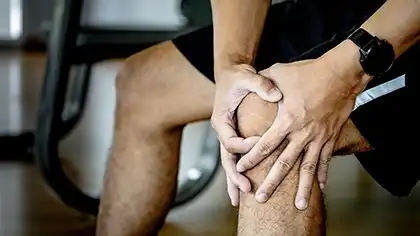
Your past injuries may still cause you pain and discomfort due to any of these reasons:
- Many bodily injuries don’t completely heal, even if the functional abilities of the affected area are fully restored. For example, tendons and ligaments don’t have blood vessels running through them. The poor blood supply in these areas can slow down the healing process. As a result, sprains, rotator cuff tears, tendon ruptures, and other injuries, especially catastrophic injuries, can take a long time to heal, and in some cases, they may not heal completely.
- The residual damage or weakened tissue may remain susceptible to fluctuations in temperature and pressure. For instance, while burns heal over time, they can leave behind scarred and weakened tissue. This altered tissue can be more sensitive to changes in temperature, causing increased sensitivity, itching, or even pain.
- Nerves within the vicinity may also become exposed and more sensitive. Amputations, for example, can leave damaged nerves at the amputation site. The procedure can lead to phantom limb pain, characterized by the sensation of pain or discomfort in the missing limb. Spinal cord injuries may also affect the surrounding nerves. The damage can lead to neuropathic pain, characterized by burning, tingling, or shooting pains in the affected area.
- Internal or external scar tissues can develop increased sensitivity, especially to colder temperatures.
If your past injuries still affect your daily life, an experienced personal injury lawyer can assess your case and help protect your current and future medical needs based on the facts.
Exploring The Link Between Rain And Pain
While a direct link between rain and pain hasn’t been established yet, numerous studies and research are inconclusive, but many medical professionals acknowledge a potential association between the two. Specifically, they cite the fluctuations in atmospheric variables during weather changes as the main contributing factors.
- Temperature — People with past injuries commonly attribute increased pain to colder temperatures. Lower temperatures can cause contractions and reduced blood flow.
- Pressure — In this context, pressure refers to the weight of air in the atmosphere. Approaching storms or changes in weather patterns result in pressure drops, which coincide with increased pain perception.
- Humidity — The amount of moisture in the air not only affects our skin and hair. It may also impact the way our body works. High humidity levels have been reported to aggravate past injuries in some individuals.
It’s unsurprising that the human body can react to changes in temperature, pressure, and humidity, considering it comprises approximately 70% water. External factors can cause the fluids in our cells to expand and contract, leading to reactions that can result in pain.
Other Reasons Why Your Past Injuries May Hurt When It Rains
Changes in activities and habits may coincide with weather variations, which may affect your level of pain. For example:
- The rainy weather may make you less active, causing your muscles and joints to stiffen.
- You may already be anticipating that your past injuries will flare up during this time. This psychological aspect can influence your pain perception.
- Less sunlight may also impact your mood. Heightened stress levels can trigger tension and inflammation, leading to discomfort. You may also experience heightened pain perception when you are irritable.
- Reduced sunlight exposure for extended periods may also lead to lower vitamin D levels, potentially intensifying pain and inflammation.
How Can I Manage My Pain During Rainy Weather?

Managing your lifestyle during rainy weather can significantly help with pain. Here are some tips to alleviate discomfort:
- Stay Warm — Dress in layers to stay warm and avoid stiffness. Wear warm socks and use blankets to maintain your body temperature.
- Keep Moving — Engage in gentle exercises and stretching to improve your circulation. Incorporate regular movement breaks throughout the day. Staying active can help maintain your flexibility and mobility, decreasing pain.
- Wear Compression Socks or Gloves — Swelling due to fluid buildup is also a significant concern during colder weather. Compression garments for the affected area can help improve circulation and reduce swelling.
- Drink Plenty of Water — Dehydration may increase your pain sensitivity. Staying hydrated helps keep tissues healthy, supports joint function, and eliminates toxin waste from the body.
- Use Cold or Heat Therapy — Depending on your injury, applying cold or heat therapy may help with pain. Ice packs and cold compresses numb the area and reduce swelling. Warm baths or heating pads can help relax muscles and improve blood circulation.
- Consult a Medical Professional — If your past injuries continue to hurt, consult your healthcare provider. They may prescribe medication, recommend appropriate treatments, or develop a personalized pain management plan.
Pain management combines practices for soothing discomfort and maintaining an overall healthy lifestyle. Remember to listen to your body and take things slowly.
Why Should You Seek Legal Remedies Promptly After An Injury?
Injuries take time to heal. Some of them even last a lifetime. To understand what compensation options you can pursue for your treatment needs, it’s recommended to consult experienced accident lawyers after sustaining an injury from an accident. Whether you’re injured in a car collision, slip and fall incident, or workplace accident, promptly seeking help from a personal injury lawyer can benefit you by:
- Helping you navigate the legal and claims process.
- Identifying the potentially responsible party to be held accountable for your accident.
- Seeking fair compensation for medical expenses, lost wages, and more.
By enlisting our personal injury lawyers, you can gain legal guidance and support as you pursue fair compensation for your injuries and losses. We will consider your past and future expenses and non-economic damages, such as long-term pain and suffering. We can even account for seemingly insignificant inconveniences, like experiencing body pain when it rains, that may have a significant impact on your life.
Contact us at (888) 488-1391 for a free initial consultation. Keep in mind that personal injury claims in California generally have a two-year deadline. Reaching out to our injury lawyers right after an accident may give us ample time to assist with your case. If you have a valid claim, we can work diligently to help you protect your rights and pursue fair compensation.

