TL;DR: To document a car accident properly, take photos and videos of the scene, gather contact and insurance details, file a police report, and save all medical and repair records. Strong documentation can help determine fault and support your claim. Call Arash Law at (888) 488-1391 for a free initial consultation.
Highlights:
- Get witness names, phone numbers, and emails before they leave.
- Record a same-day recollection of directions, traffic, timing, and statements heard.
- Note nearby security or traffic cameras and their exact locations.
- Preserve damaged parts and belongings, and delay repairs until documented.
- Keep a symptom journal with dates, pain 1-10, and daily limitations.
- Backup files to dated, encrypted cloud folders in case your phone is lost.
- Report the crash to your insurer within two business days.
Tip: When speaking with police or insurers, stick to observable facts and avoid guessing.
Table of Contents
To help support your claim after a car accident, start by documenting everything as clearly and thoroughly as possible. Take photos and videos of the scene, vehicle damage, visible injuries, and road conditions. Obtain names, contact details, and insurance information from all parties involved, including any witnesses.
Next, file a police report, seek prompt medical attention, and save all related documents such as bills, repair estimates, and medical records. Keep your digital evidence backed up in secure cloud storage or labeled folders.
If you’re unsure what to do next, consider speaking with a lawyer who can help you preserve and use your evidence to build a well-supported case. For a free case assessment, call Arash Law Firm at (888) 488-1391. We’re ready to guide you through the process.
Checklist: How To Document A Car Accident Properly
- Photograph the crash site, vehicles, and any visible injuries.
- Exchange contact and insurance information with everyone involved.
- Report the accident to law enforcement and ask for a copy of the report.
- Note road signs, lighting, debris, and weather conditions.
- Write down how the crash happened, including the date and time.
- Inform your insurance provider promptly.
- Save all medical records, receipts, and repair estimates.
- Track out-of-pocket expenses and time missed from work.
- Seek medical care and keep a symptom journal.
- Contact a car accident lawyer for help preserving and using your evidence.
Need help gathering evidence after a crash? Our car accident lawyers provide comprehensive legal support and are committed to advocating for the rights of our clients. If you or a loved one were involved in a crash in Los Angeles, consider getting legal help from local practitioners. A Los Angeles auto accident attorney can determine whether you have a valid claim based on your situation.
How To Document A Car Accident Properly
Evidence is critical in a car accident claim. Over time, the accident scene can change, and people may forget crucial details. If possible, gather evidence promptly. Take note of everything you see and hear related to the accident.
Here’s a detailed guide on how to document the accident properly:
Exchange Contact And Insurance Information
Exchange information with the other parties involved. Remain calm and cooperative. If you can, get the following details from them:
- Full name, address, and phone number.
- Insurance company and policy number.
- The other driver’s insurance card (take a photo if you can).
- The license plate and driver’s license information of the other driver.
- Details about each car: color, model, and make.
If there were witnesses at the accident, get their contact details. Request their full name, address, phone number, and email address in case you need to contact them for an official statement.
Take Photos And Videos Of The Scene
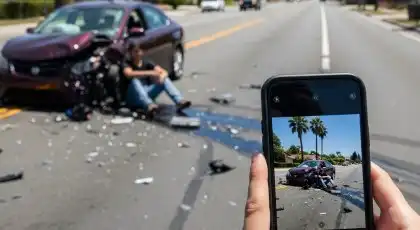
If your injuries prevent you from doing so, ask someone to capture the scene for you. Use your phone to take clear pictures or videos of:
- Involved vehicles, including their license plates and all damage.
- Road conditions, signs, and skid marks at the accident scene.
- All visible injuries.
Take multiple photos from different angles. Wide shots show the overall context; close-ups capture key details. Do not move your car or clean up debris before taking pictures, but if you are in the way of oncoming traffic, move your vehicle to avoid further accidents.
Write A Detailed Recollection Of The Accident
Try to recall and write down everything you remember before the accident, including:
- The direction each car was moving.
- The traffic conditions.
- Any actions by you or other drivers.
- The exact time, date, and location of the accident.
You may also draw a simple map showing where the cars were before, during, and after the crash. If there is any possibility of a vehicle malfunction, consider noting it.
Note The Weather, Road, And Surrounding Conditions
Rain, ice, and dangerous road conditions sometimes cause accidents. Ask yourself these questions and take note of your answers:
- Was it raining or snowing?
- Was the road wet, icy, or dirty?
- Were there any construction areas nearby?
- Were there any obstacles on the road at the time?
Take photos or videos of the scene, especially if you believe specific factors contributed to the accident. Check for security or traffic cameras on nearby buildings, streetlights, or intersections, and note their location. These devices may have recorded the incident, and you might be able to request the traffic camera footage later to support your claim.
Get A Professional Assessment Of Property Damage
Avoid altering any broken parts of your car or personal belongings damaged in the accident before a professional assessment. Wait to repair or replace them until professionals have properly documented or assessed them. These may include:
- Broken vehicle parts, such as bumpers, headlights, or side mirrors.
- Cracked windshield or windows.
- Popped or damaged tires and rims.
- Deployed airbags or a damaged dashboard.
- Bent or snapped wipers or antenna.
- Broken phone, laptop, glasses, or bags.
- Damaged car seat, stroller, or work equipment.
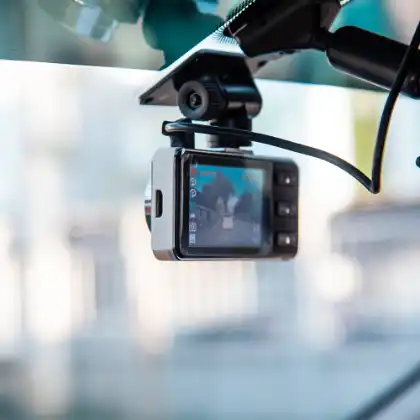
These can assist in reconstructing the accident to show the severity of the impact. Also, keep copies of any dashcam videos or photos from your phone in a safe place. This type of evidence can become more important in delivery truck accidents, where commercial vehicles are often involved, and liability may also extend to the employer.
Keep All Records Safe And Track Accident-Related Expenses
Store important documents in a secure location. Create official copies of the original files. These include medical records, repair estimates, insurance papers, and official police reports. Track:
- Medical bills and prescriptions.
- Car repair estimates and receipts.
- Rideshare or rental car costs.
- Lost wages or time missed from work.
- Travel or hotel costs for medical visits.
Additionally, get a copy of the police report and any other official records. These documents may help establish the circumstances of the accident and the related expenses.
To store or preserve digital files, regularly create backups, use reliable cloud storage services, and protect sensitive data with encrypted folders.
Lawyers for car accidents can help you pursue some of this later, but it’s important to gather and store what you can quickly. Collecting records promptly may help you build a well-documented case.
Helpful Tools For Documenting A Crash
To help avoid missing critical details, here are some digital tools and methods to help you capture, organize, and safeguard evidence after a car accident:
- Dashcams — These devices automatically record video and can assist in determining who’s at fault in a crash.
- Smartphone Apps — Many insurance companies offer apps that allow you to upload accident photos, file claims, and report incidents on the spot.
- Voice Notes or Journaling Apps — You can record a voice memo on your phone about the vehicle positions, any driver statements, and your initial observations before they fade from your memory.
- Cloud Storage — Upload evidence to cloud services to keep it accessible and safe, even if your phone gets damaged or lost.
Steps To Take After A Car Accident
What you do after a crash may affect your insurance claim and healing process. Documenting the accident starts with smart decisions at the scene, such as:
- Put Safety First — After a crash, move to a safe spot if you can and check for injuries. Call 911 if anyone is hurt or if traffic is blocked. Turn on hazard lights, set out an early warning device if available, and stay at the scene until help arrives.
- Call the Police — Call the police after a crash, especially if someone is injured. A police report creates an official, unbiased record that may support your insurance claim. While officers are on the scene, take these steps:
- Focus on the details of the accident and cooperate with law enforcement.
- Get the names and badge numbers of the officers.
- Ask how to get a copy of the police report.
- Get Proper Medical Care ASAP — Even if injuries seem minor, see a doctor right away. Some symptoms, like those from head injuries, may appear later, and medical records can support your claim. Follow your treatment plan and attend all follow-up appointments.
- Notify Your Insurer & Be Careful What You Say — Report the crash to your insurance company within two business days and stick to the facts. Share photos or documents if needed, but avoid speculating about fault or posting about the accident on social media. Save detailed discussions for your car accident attorney.
- Handle Insurance Matters Carefully — Some insurance companies may try to settle quickly. Don’t agree to anything until you have reviewed all aspects of your claim or consulted with a car accident claims lawyer.
- Avoid signing anything without thoroughly reviewing it.
- Be careful when giving recorded statements.
- Ask questions if something doesn’t feel right.
- When in doubt, tell them you want to talk to a car accident attorney before making any statements.
- Search for “Car Accident Lawyers Near Me” — If you suffered serious harm or are unsure who’s to blame, speaking with a car accident attorney may be useful. Car accident attorneys near you understand the local laws, court procedures, and insurance practices that may affect your claim. They can:
- Review your case and work to identify the liable party.
- Explain your situation and provide options for moving forward.
- Help assess the potential value of your claim based on available information.
- Handle all talks with insurance companies and represent your interests.
A car accident lawyer can manage legal matters on your behalf, allowing you to concentrate on getting better. If negotiation does not resolve your claim, lawyers for car accidents may explore other legal options, such as the possibility of taking the case to court, depending on the circumstances.
Understanding Negligence And Why Proper Documentation Matters
In legal terms, negligence means someone failed to act with the care that a reasonable person would in a similar situation. This failure can cause accidents and injuries. Demonstrating that the other party was negligent is necessary to establish liability in most car accident claims. There are four key elements to establishing negligence: duty of care, breach of duty, causation, and damages. Evidence plays a role in establishing each one.
Duty Of Care And Breach Of Duty
Everyone on the road has a legal duty to act safely. Safe driving practices include:
- Following traffic laws.
- Staying focused on the road.
- Avoiding risky behavior.
- Maintaining vehicles regularly.
Businesses help keep roads safe by training drivers and enforcing safety rules. Government agencies do their part by keeping roads clear and well-maintained. Both play an important role in preventing accidents.
When someone fails to meet these responsibilities, they breach their duty of care. For example, a driver who texts while driving or speeds through a red light is not acting safely. A business that skips vehicle checks or hires unqualified drivers is also being careless. These violations may help establish negligence. Lawyers who help car accident victims may use evidence like phone records, surveillance footage, inspection logs, and maintenance reports to help determine fault and establish negligence.
Causation
Besides showing negligence, your lawyer must also demonstrate that their actions caused your injuries. This element is called causation. If a driver runs a red light and hits your car, your attorney must prove that the driver’s mistake caused the accident and your injuries.
Here, evidence becomes very important. These pieces of proof may connect the at-fault party’s actions to the harm you suffered. These may include:
- Photos — Photos may help show what happened at the scene. They can show the damage to cars and property, the position of vehicles, road conditions, and any visible injuries. They create a visual record that can support your side of the story.
- Videos — Video footage gives a more complete view of the accident. It shows movement, sound, and timing, which can show how the crash happened. It can also show if the defendant was speeding or driving recklessly before the accident.
- Eyewitness Statements — Official accounts from people who saw the accident may be able to back up your version of events. Witnesses might confirm what happened and may support your account.
- Police Report — This official document includes key facts about the accident, such as the time, location, people involved, and what the officer observed. It may also include key details, like whether the defendant was driving while distracted, under the influence of drugs or alcohol, or breaking traffic laws.
Lawyers for car accident claims may work with professionals, like accident reconstructionists, to help establish this connection. They will review the available evidence to assess liability.
Apart from occupants, other road users, like cyclists, may suffer injuries in car accidents. To illustrate, if a cyclist happened to be involved in a collision in Sacramento, they also have legal options. Sacramento bicycle accident lawyers may also assist victims in gathering proof to support their claims.
Damages
The final part of proving negligence is showing that the accident caused you real harm. These damages cover physical injuries and financial losses. Well-documented evidence can support this part of your claim. Examples include:
- Medical Records — These records may help show that you sustained injuries and demonstrate their severity. They may include reports from doctors, hospitals, and professionals, like therapists or chiropractors.
- Medical Bills — These could help show how much the accident has cost you. They include charges for doctor visits, hospital care, medications, and necessary treatments. They also help support claims for long-term health problems.
- Proof of Lost Wages — This may help show how the accident affected your ability to work and earn money. It may be able to help you seek compensation for the income you missed while recovering.
- Personal Journal — Writing in a journal can help show how the accident has affected your daily life. You can describe things like pain, sleep problems, or mood changes. This personal account can help others understand your experience in your own words.
Tip: Record new symptoms, if there are any, and include dates, severity ratings for pain (on a scale of 1–10), and how injuries affect your daily activities.
Without these documents, it may be challenging to demonstrate how the accident affected your life. Some offers may be less than the documented costs of your injuries. These damages could be more devastating if the collision involved big rigs or other truck accidents. Due to local regulations and federal laws that may apply in such cases, local legal support could be beneficial in California. California big rig accident lawyers provide personalized legal support to help clients seek compensation for their injuries and losses.
Gathering and documenting important evidence may help support your claim. Lawyers for car accidents can review the documents, photos, or videos you have on hand to evaluate your case.
Frequently Asked Questions About Documenting Car Accidents
Our car accident attorneys understand that people often need guidance after a crash. Below are some of the common questions about car crash cases. If you have questions about your situation, call us at (888) 488-1391. You can also fill out our online contact form.
How To Document A Car Accident Properly To Protect Yourself
After a car accident, proper documentation can help support your insurance claim. Here’s what you can do:
- Stay Safe First — Move to a safe place if you can. Check for injuries and call 911 if anyone is hurt.
- Take Photos and Videos — Use your phone to take clear pictures of the damage, license plates, the road, traffic signs, and any injuries. Try to get shots from different angles.
- Get Important Information — Write down names, phone numbers, and insurance details from everyone involved. If there are witnesses, get their contact information too.
- Write Down the Details — Record the time, date, location, weather, and what you remember about how the crash happened.
- Save All Documents — Keep copies of medical records, repair estimates, police reports, and anything else related to the accident.
- Call Your Insurance Company — Report the accident to your insurance provider promptly.
- Be Careful of What You Share — Don’t post about the accident on social media. Talk to a lawyer before discussing it publicly.
- Consider Legal Support — If you find yourself asking, “Do I need a personal injury lawyer after my car accident?”, consider speaking with one to know your options. Lawyers can work to represent your interests and assist you in understanding your options based on the details of your case. For instance, if you happen to sustain injuries in a crash in Placer County, a lawyer who is familiar with local courts and laws can help you navigate the claims process more efficiently. Placer personal injury lawyers may be able to provide the necessary support.
How Do You Demonstrate You Are Not At Fault In A Car Accident?
If you suffered injuries in an accident, you may face challenges during negotiations, such as disputes over liability and low offers. That’s why it’s important to preserve evidence supporting your claim.
It’s important to show that someone else caused or contributed to the accident to help establish that you were not at fault. One way to do this is by sharing evidence that shows your actions and point of view during the crash. Here are a few examples:
- Dashcam Videos — Footage from your car can help show what you saw and how the crash happened, and that you were driving safely.
- Phone Records — These help verify that you were not texting, calling, or using your phone at the time of the accident, and that you were not distracted.
- Car Data — Your vehicle’s computer may record your speed and braking. This data can help demonstrate that you were driving carefully and following the rules.
Full cooperation with law enforcement may also support your case. Staying calm and giving honest answers at the scene may help officers create a clear and accurate report. While it doesn’t determine fault alone, this report may support your version of events and help demonstrate what happened. Consider consulting a personal injury attorney who can work to identify potential liable parties and help establish negligence.
Who Determines Fault In A Car Accident In California?
In California, insurance companies typically decide fault in a traffic accident during the claims process by reviewing available evidence such as police reports, witness statements, and photos. If the parties disagree or the claim goes to trial, a judge or jury will ultimately determine fault based on the evidence presented.
The state follows a fault-based system, meaning the at-fault driver can be held financially responsible for damages. You typically file your claim with the at-fault driver’s insurance, but you may need to take legal action if there’s an issue over liability or settlement offers.
California also uses a system called “pure comparative negligence.” Under this legal doctrine, victims may still be able to seek compensation for their losses even if they are partly responsible. However, the amount depends on their share of the blame. For example, if you are found to be 10% at fault, you may be eligible to pursue 90% of the total compensation.
Car accident attorneys can gather and present evidence that may help determine who is at fault. They often share this evidence with insurance companies. This process allows them to help clients pursue compensation based on their actual losses. Lawyers could litigate the case in court if negotiations fail to reach an agreement. Then, a judge or jury will decide who will be held responsible.
Insurance companies usually determine fault during the claims process, often using police reports as key evidence. If there’s a dispute, the court may decide fault based on all available evidence.
How Long Should You Keep Evidence Of The Car Accident?
It’s important to keep physical evidence from the motor vehicle accident for as long as possible or until your case is resolved. Items like broken car parts, damaged personal belongings, medical records, and repair receipts may be able to help support your case in court.
It is important to act quickly. Over time, physical items may get damaged, altered, or lost. Once that happens, they may no longer be admissible in court. The longer you wait, the more likely critical details will fade or disappear. Lawyers for car accident victims can guide you on keeping evidence properly.
What Is The Deadline For Filing A Car Accident Lawsuit In California?
In most cases, you have two years from the date of the crash to file a car accident lawsuit in California. This time limit is called the statute of limitations.
Some exceptions may change or adjust this deadline:
- Victims Who Are Minors — If the victim is a minor when the accident happens, the time to file a lawsuit usually begins once they reach adulthood. Until then, a parent or legal guardian can file a claim on their behalf.
- Delayed Discovery of Injuries — The deadline may change if the victim does not find out about the injuries immediately. The basis of the time limit will be the discovery date.
- Liable Party Is a Government Entity — It’s required to file a claim with the agency within six months of the accident. If it’s denied, you have six months from the date of denial to file a lawsuit in court.
Lawyers who handle car accident cases can guide you through legal deadlines, procedures, and the initial steps of establishing negligence in a car accident to build your case. If you have already hired one, they can provide guidance based on the specifics of your case.
What Are The Car Insurance Policy Limits In California?
Car insurance generally aims to protect you financially if you’re in an accident. In California, the law sets minimum insurance limits for all drivers. On January 1, 2025, the state has set the following insurance limits:
- $30,000 for the injury or death of one person.
- $60,000 for the injury or death of two or more people.
- $15,000 for property damage.
These higher limits matter because serious crashes that result in fatal car accidents and wrongful death claims often bring medical bills, funeral expenses, and other significant costs. The injury coverage has doubled, and the property damage coverage has tripled compared to the old limits. These increases aim to keep up with inflation and the rising costs of medical care and car repairs. The goal is to provide enough insurance coverage to support victims.
Document Your Car Accident Properly With Help From Our Lawyers
Collecting and preserving evidence is important if you sustained injuries in an accident. Try to save anything related to the crash. If you have difficulty obtaining proof and other documentation, traffic accident lawyers may be able to assist you.
Car accident attorneys at Arash Law can help you evaluate and organize evidence for your case. We work on a contingency fee basis. Under this arrangement, you will not pay attorney’s fees unless there is a recovery. We will fully explain all payment terms before you sign an agreement.
Call us at (888) 488-1391 to schedule a free initial consultation. If you are wondering whether you have a valid claim, fill out our “Do I Have A Case?” form here.