TL;DR: Buying a car that’s been in an accident can be safe if it was properly repaired by a qualified shop and thoroughly inspected. Hidden frame or brake damage can raise crash risk and leave drivers liable if they knew the car was unsafe.
Highlights:
- Pull a vehicle history report and compare it to the seller’s story.
- Review repair receipts to confirm what was fixed and by whom.
- Check the title for salvage, junk, or rebuilt branding.
- Look for post-repair issues like recalls, repeat accidents, or ongoing problems.
- Inspect the body, wheel wells, and under-hood areas before any test drive.
- Use a mechanic’s mirror to spot hidden cracks, dents, or unrepaired damage.
- Only test drive after basic safety checks, then listen for unusual noises.
Tip: Save copies of the history report, title, and repair records so you can stick to documented facts if a dispute, claim, or safety issue comes up later.
Table of Contents
Though you can get a good deal on a car with an accident history, it may not always be a good idea to do so. Accidents can leave a car with lasting damage that cannot be seen. Even after cosmetic repairs are done, the structure of the vehicle could be permanently compromised and potentially place you and your family in a dangerous situation on the road. However, this possible structural weakness does not mean it is always unsafe to buy a car with an accident history.
You must evaluate each car on a case-by-case basis. So, how do you know if it is safe to buy a car that has been in an accident? Our car accident lawyers have prepared this guide to help you determine whether to buy such a vehicle. We are also here to answer any questions you have about car accidents, insurance claims, and how to protect your legal rights after you have been injured by a negligent driver.
Things To Consider While Researching A Car That Was In An Accident
Before you seriously look into a car with an accident history, it is important to understand what its exact history is. How serious was the accident? Was it reported to the police or an insurance company? Does the accident show up on a commercial accident report (such as Carfax)? These preliminary questions will help you determine how serious the accident was.
Understanding the severity of the accident will also help you understand the severity of the damage to the car. Where was it damaged? How expensive were the repairs? What repairs were performed? Are there any repairs that must still be completed?
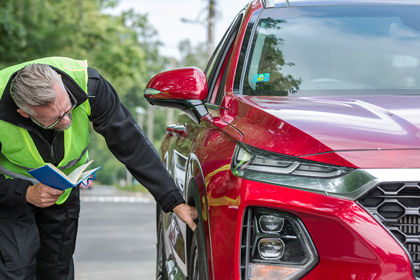
Were there mechanical or body repairs, or did the car have only light cosmetic damage? Any documentation you can review, such as repair records, will be helpful in assessing the scope of the damage. The title will also give you important information about the vehicle. If the car has only a junk or salvage title, this may imply that it has sustained serious damage.
Some titles will also show if a car has had extensive work that results in it being “rebuilt.” So long as this work was done by a competent mechanic or shop, a rebuild is not necessarily a bad option. It could mean that the vehicle has newer parts and components.
The final area of evaluation is the price. Any accident reduces the value of a vehicle because it compromises the structural integrity of that vehicle. If the car is properly repaired or rebuilt, these changes can improve the value of the vehicle, but it does not change the fact that certain areas of the vehicle could still be compromised.
Compare the cost of this vehicle to similar models in your area. Other damaged vehicles to compare it to are even more helpful, but they can be difficult to find. Find vehicles as similar as possible. If everything else is the same, a vehicle that has been in an accident should be priced less than one that has not.
How To Inspect The Vehicle’s Previous Damage Before You Drive It
First and foremost, avoid inspecting a vehicle’s damage by immediately getting in it for a test drive. Accidents can cause serious mechanical issues or internal damage that may not be visible. If you get behind the wheel, you could find yourself in danger. Brake failures and other malfunctions may occur. You could even cause an accident that injures someone else, which is why it is important to learn about the damage before you drive the vehicle.
Important tips to identify possible vehicle damage include:
- Get a report of the vehicle’s damage history. Carfax is one of the most popular providers, but there are many websites that can provide this information. Their reports may reveal important details that the seller failed to disclose.
- Check the records of any repairs that were performed. If the seller has receipts or records, this paperwork can help you see what damage was sustained and how it was fixed. These records can also tell you if the repairs were performed by a reputable source, such as a dealer or authorized repair shop. Repairs that were performed by a shop that is no longer in business, or a “friend” or other questionable sources, may be a red flag.
- Check the history of the vehicle after these repairs were performed. Has it been in any other accidents since then? Has it been subject to a manufacturer’s recall? Has the owner had ongoing problems?
- If the written documentation checks out, it is time to perform a physical inspection of the vehicle. Look for any cracks, dents, paint chips, or other signs of damage. Look under the hood and inside the wheel wells. Take your time, especially in the areas where you know there has been damage. Additionally, inspect any new tires for loose treads, as these defective tires may also increase the risk of accidents. You might also consider bringing a mechanic’s mirror with you. These can be purchased for less than twenty dollars, and they allow you to see unrepaired damage in places that are difficult to reach.
- If there are no remaining signs of damage and the vehicle appears to be safe to operate, then it’s likely safe to take the car for a test drive.
What To Look For During A Test Drive
Once you’ve confirmed the vehicle is safe to operate, you may wish to take it for a test drive. It is important to know what to look for (and listen to) during a test drive. Carefully pay attention to everything the car does. You may have to overcome your usual driving habits to get to know the vehicle in great detail.
- Before turning the vehicle on, adjust your seat and mirrors. Be sure that everything moves as it is supposed to and easily locks into a position that is comfortable for you.
- Watch and listen very carefully when you turn the vehicle on. Is it physically difficult to turn the engine over? Does the engine hesitate at all? Do the electrical components (such as lights, radio, and electric windows) respond properly? Can the air conditioner and heater be turned on?
- Test the accelerator and brake before you take the vehicle out of park. Does the accelerator respond to your touch? Does the engine get enough gas to respond as it should? If it does not, this could indicate problems with the gas line, fuel tank, or other parts of the fuel injection system. Does the brake pump and release as it should? Be sure it does not feel hard or “slushy.”
- Take the vehicle into different traffic situations. Try it out in heavy traffic and light traffic, on the freeway and in neighborhoods, or at slow and high speeds. Does the car respond as it should? Does it make any strange noises? Clicking, whining, whirring, cranking, and other noises can indicate mechanical problems. Can you turn, brake, accelerate, and change lanes as expected? Does anything feel more difficult to do than you would expect? Even if something simply feels “off,” this feeling could be a sign of more complicated damage inside the vehicle.
Top 5 Reasons Not To Buy A Car That’s Been In An Accident
There are some important reasons why it may not be a good idea to buy a car that’s been in an accident. Carefully consider these questions when you are inspecting a vehicle:

- Do you know who performed the repairs? The quality of repairs and replacement parts can vary greatly. Other safety features may not have been updated. For example, a defective airbag may cause injury by deploying prematurely or not deploying at all in a collision.
- Is there a chance of ongoing problems with the vehicle? Even if it was repaired properly, there could be auto defects or long-term issues with the vehicle. Accidents can also compromise the structural integrity of the vehicle. For example, if the frame was bent in a collision, a body shop might have bent it back into shape. This repair could leave it weakened, however, and less able to protect you in a future accident.
- What will the ongoing maintenance costs be? If there are long-term issues with the vehicle because of the accident, you might end up paying more for inspections and service than you would with another vehicle.
- Is there a chance the vehicle could cause a future accident? If the quality of the repairs is not good, the vehicle could fail in the future. This failure could happen at a dangerous time, such as when you are driving through a busy intersection. Vehicle owners who knowingly drive compromised vehicles may be found at fault for accidents they cause.
- Saving a few bucks is likely not worth risking your safety or that of your loved ones.
Reasons To Buy A Car That’s Been In An Accident
Though there are serious safety considerations and important reasons not to buy a vehicle that has been in an accident, these factors do not mean that you should not even consider buying such a vehicle. Vehicles that are repaired at reputable shops with quality parts can be left in even better condition than they were before the accident.
If the documentation checks out and there is no visible damage to the vehicle, you might feel comfortable taking it for a test drive. It is a good idea to have your own mechanic inspect the vehicle as well. Their expert opinion may help better inform your decision on whether or not to purchase it.
If thorough inspections reveal that a vehicle has been repaired properly and is now safe to operate, it might be a good idea to buy it. There are some good reasons to buy a car that’s been in an accident. First, you might get a good deal on a car that would otherwise be outside of your price range.
You might even be able to customize the vehicle to your specifications if the repairs have not yet been performed. These, too, are pros and cons to weigh while considering whether to buy a car that’s been in an accident. No matter what, safety must be your first consideration. Drivers who knowingly operate a damaged vehicle can potentially be liable for any accidents they cause. Injury attorneys may be able to assist you in establishing negligence in such cases.
Who Is At Fault For An Accident Caused By A Damaged Vehicle?
Car accident injury cases depend on who was “at fault” for the accident. Car wreck lawyers may be able to assess the potentially liable parties in these cases. The person whose negligence caused the accident has a legal obligation to pay for all damages and injuries resulting from the collision. So, who is at fault when the accident is caused by a damaged vehicle?
If the owner knew that the vehicle was not in a safe condition to drive, they could be found at fault. If the owner knew that the vehicle was repaired, but that the quality was poor and the vehicle still had issues, this lack of action could also be considered negligence. The experienced team of collision lawyers at Arash Law is dedicated to advocating for the legal rights of injury victims.
If you or a loved one has been injured in an accident caused by a defective vehicle, you may wish to consult a car accident claims lawyer to protect your right to pursue compensation. Other lawyers and insurance agents might become involved in the case. With so many parties often involved after a car accident, it can be helpful to have someone advocating for your rights. Our firm is dedicated to representing our clients’ interests and guiding them through the process of seeking the compensation that may be available to them.
Dedicated Personal Injury Lawyers For California Car Accident Cases
An online search for “car accident lawyers near me” may lead you to Arash Law. Our injury law firm has experienced attorneys available to assist you with your case.
We can represent clients anywhere in California, including Bakersfield, Santa Barbara, San Jose, San Diego, Fresno, Sacramento, and Sherman Oaks.
Our skilled motor vehicle accident attorneys have decades of experience representing accident victims, and we are prepared to advocate for your legal rights. Call (888) 488-1391 or complete our “Do I Have A Case?” form to schedule a free initial consultation.